Dissecting gene regulatory networks governing human cortical cell fate
Jingwen W. Ding, Chang N. Kim, Megan S. Ostrowski, Yashodara Abeykoon, Bryan J. Pavlovic, Jenelle L. Wallace, Nathan K. Schaefer, Tomasz J. Nowakowski, Alex A. Pollen

TL;DR
This study identifies key transcription factors that regulate human cortical cell development and reveals conserved mechanisms across primates.
Contribution
A novel human primary culture system and CRISPRi screening to functionally dissect gene regulatory networks in cortical neurogenesis.
Findings
ZNF219 represses neural differentiation, while NR2E1 and ARX have opposing roles in RG lineage plasticity.
ARX safeguards interneuron subtype specification by repressing LMO1 in post-mitotic cells.
Conserved mechanisms of RG lineage plasticity were observed across primates.
Abstract
Human cortical neurogenesis involves conserved and specialized developmental processes during a restricted window of prenatal development. Radial glia (RG) neural stem cells shape cortical cell diversity by giving rise to excitatory neurons, oligodendrocytes and astrocytes, as well as olfactory bulb interneurons (INs) and a recently characterized population of cortical INs1,2. Complex genetic programs orchestrated by transcription factor (TF) circuits govern the balance between self-renewal and differentiation, and between different cell fates3–8. Despite progress in measuring gene regulatory network activity during human cortical development9–12, functional studies are required to evaluate the roles of TFs and effector genes in human RG lineage progression. Here we establish a human primary culture system that allows sensitive discrimination of cell fate dynamics and apply single-cell…
Genes, proteins, chemicals, diseases, species, mutations and cell lines named across the full text — each resolved to its canonical identifier and authoritative record.
Click any figure to enlarge with its caption.
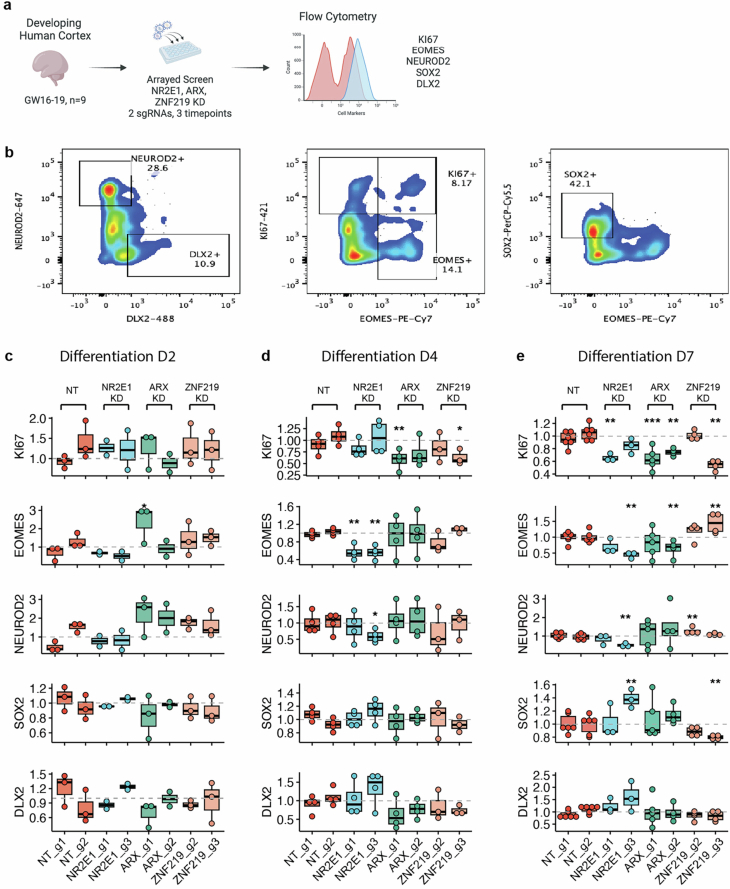 Figure 10
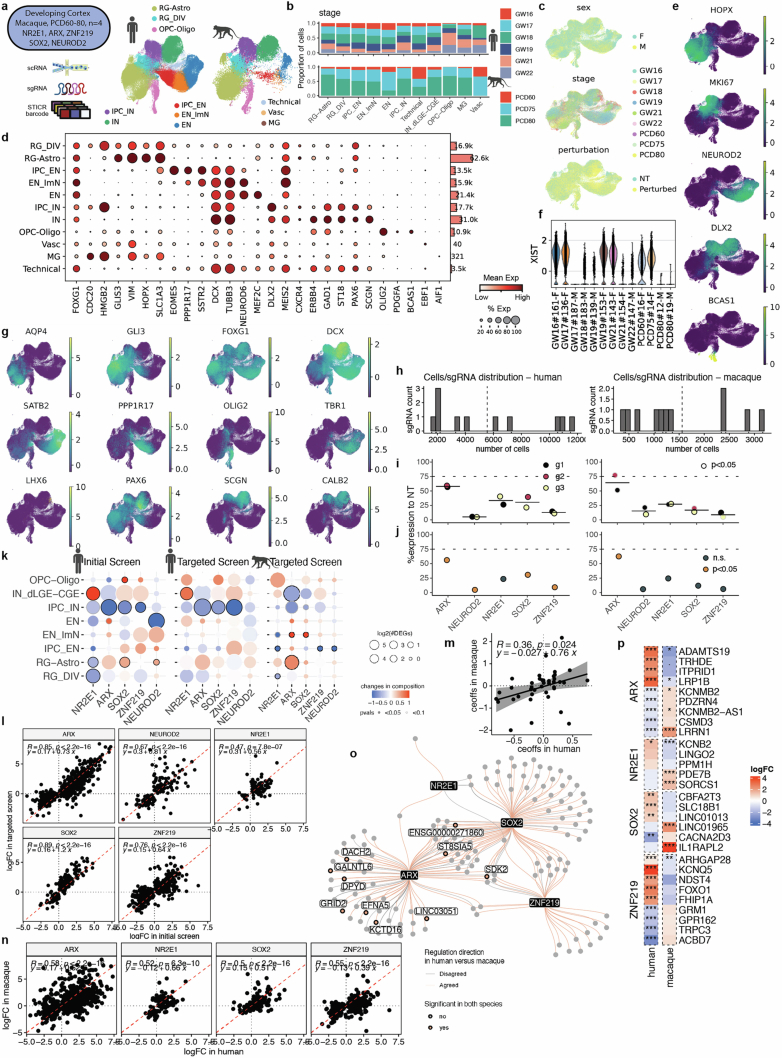 Figure 11
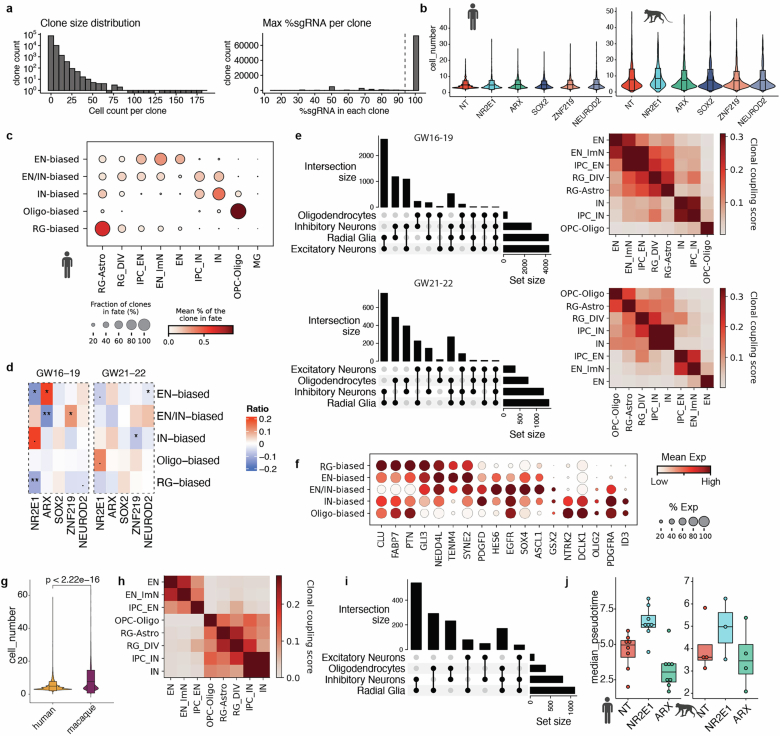 Figure 12
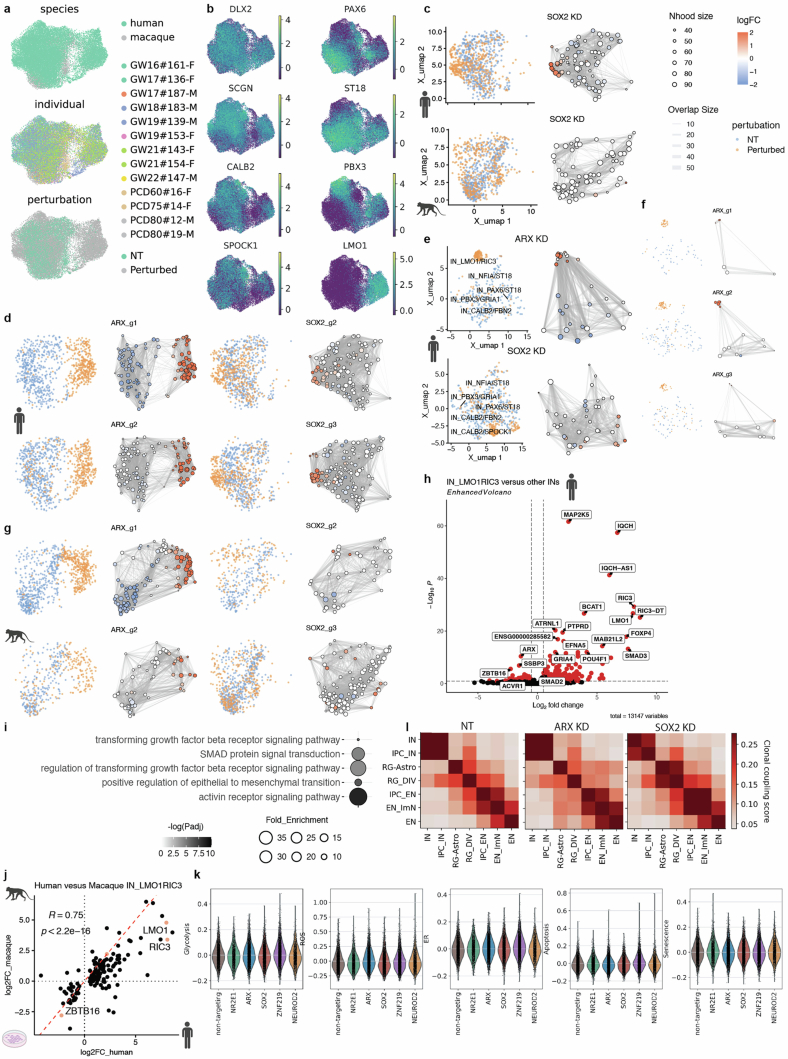 Figure 13
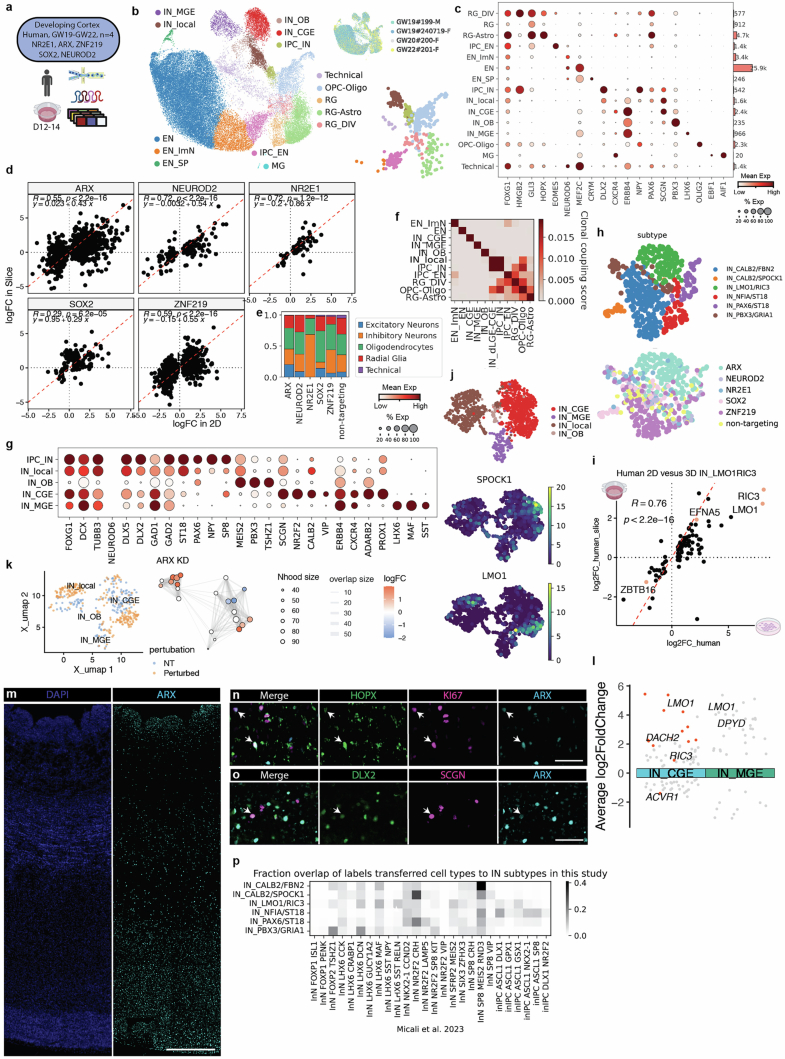 Figure 14
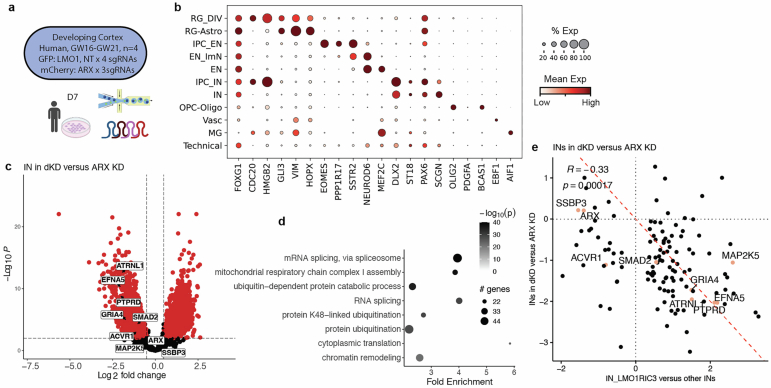 Figure 15
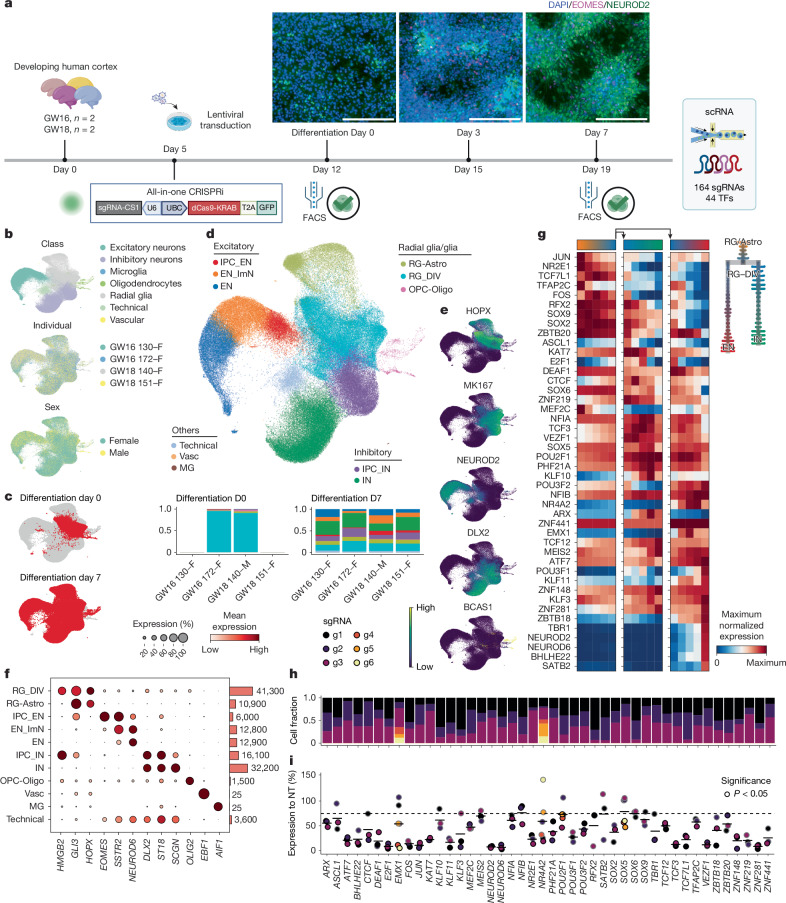 Figure 1
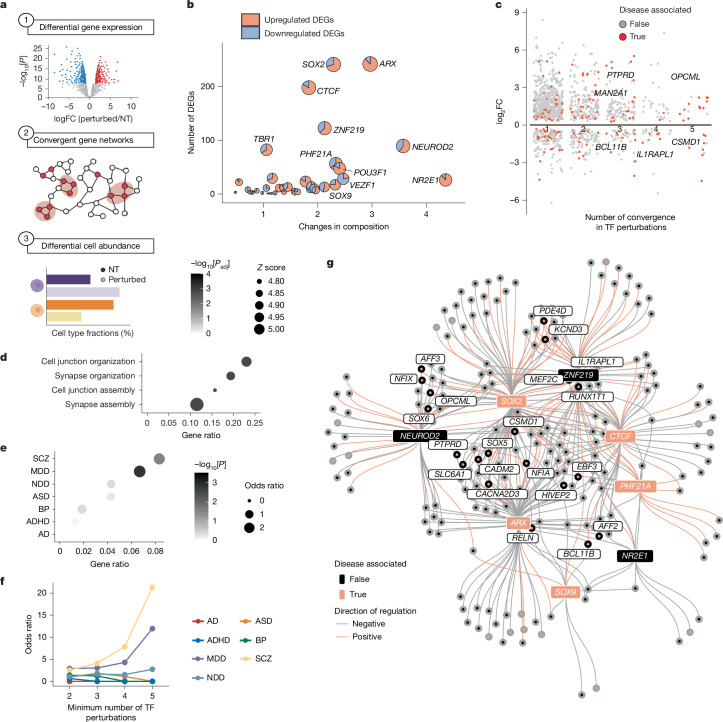 Figure 2
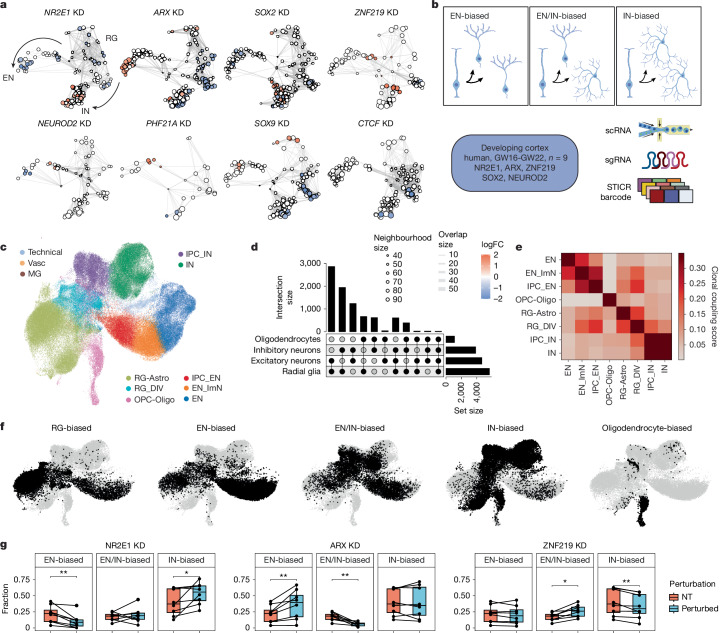 Figure 3
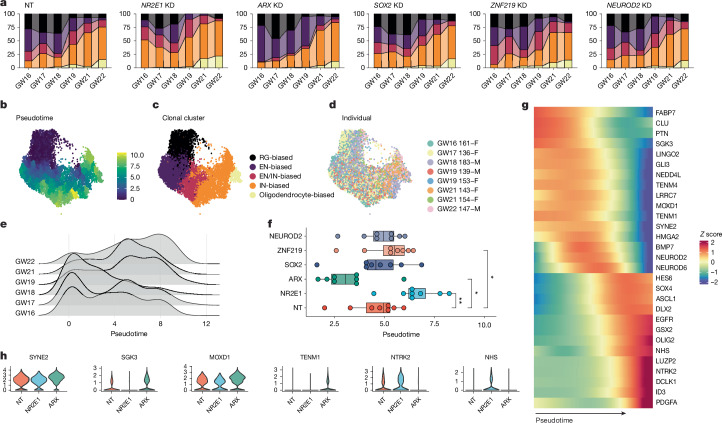 Figure 4
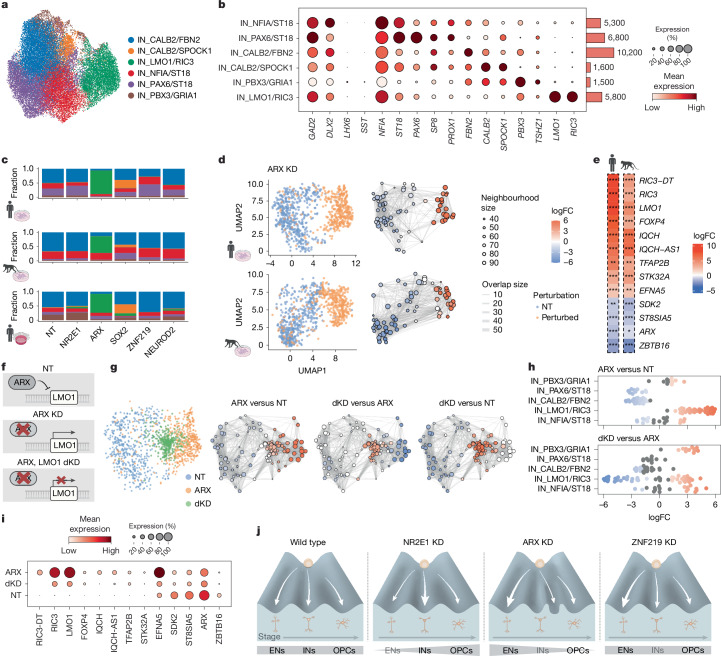 Figure 5
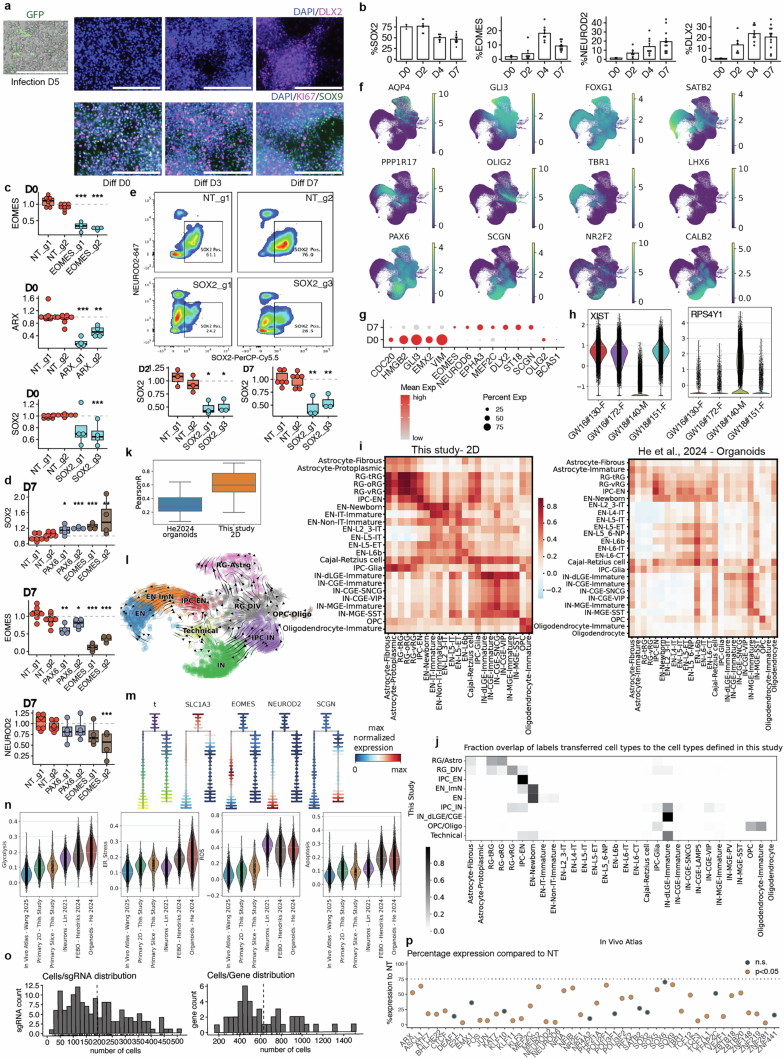 Figure 6
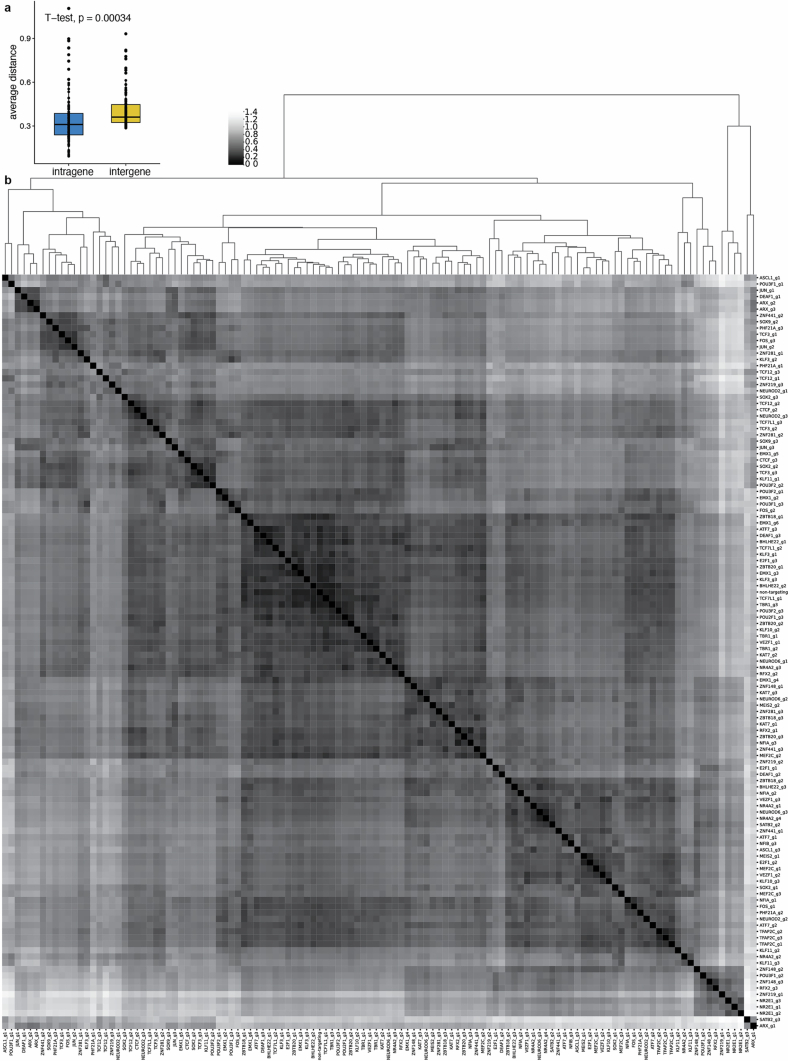 Figure 7
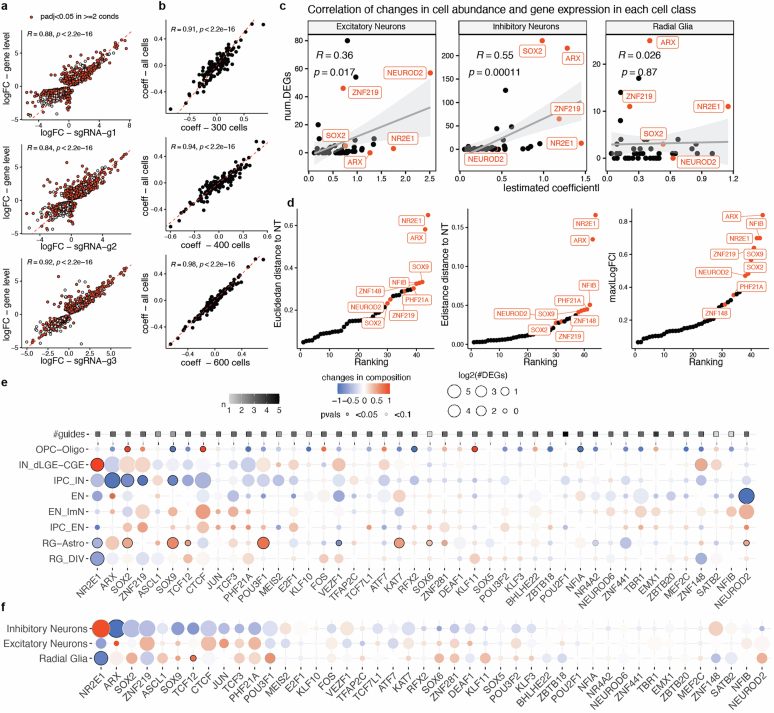 Figure 8
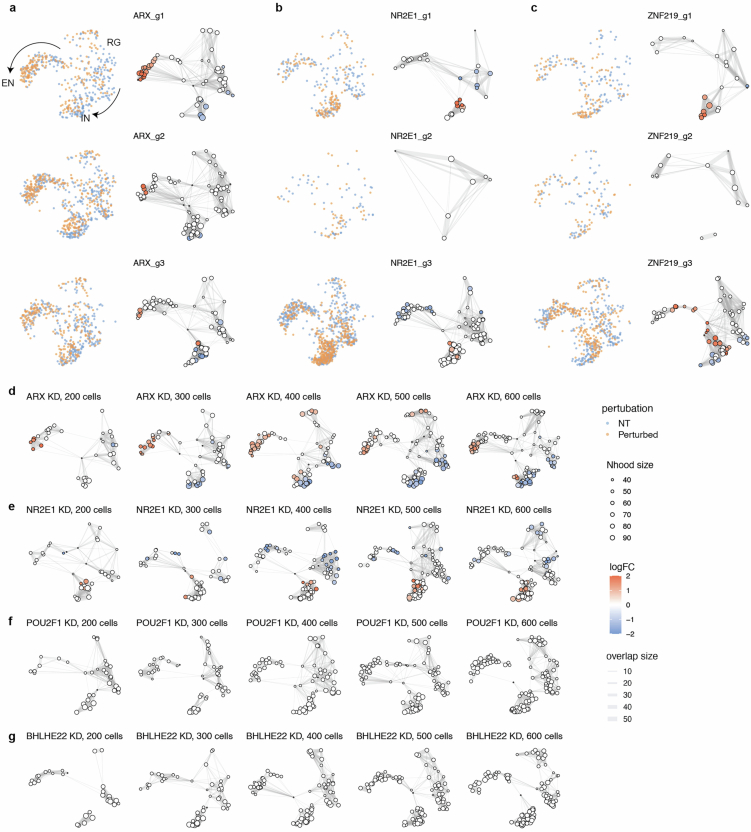 Figure 9
Peer Reviews
No public reviews on file for this paper yet. If you reviewed it on a platform where reviews are public (OpenReview, ICLR, NeurIPS, ICML), you can paste yours below so the community can read it here.
Videos
No videos yet. Explain this paper in a talk, walkthrough, or lecture? Add one.
Taxonomy
TopicsNeurogenesis and neuroplasticity mechanisms · Single-cell and spatial transcriptomics · Pluripotent Stem Cells Research