Patient-derived d-MMR/MSI phenotype urachal cancer organoids for personalized drug screening
Kuangen Zhang, Xinyi Li, Zhenting Zhang, Ning Zhang, Xin Yao, Rong Liu

TL;DR
Researchers created organoid models of urachal cancer that mimic the original tumors and can be used for personalized drug testing.
Contribution
The study introduces patient-derived organoids with d-MMR/MSI phenotype for modeling rare urachal cancer and drug screening.
Findings
UrC organoids accurately reflect the genomic and transcriptomic profiles of original tumors, including heterogeneity.
Drug response profiles in organoids align with molecular features like RAS/MAPK and PI3K/AKT/mTOR pathways and PD-L1 expression.
Organoids offer a platform for studying treatment responses and resistance mechanisms in rare cancers.
Abstract
Urachal cancer (UrC) is a rare, aggressive malignancy typically diagnosed at advanced stages, where systemic treatment becomes necessary. However, cytotoxic chemotherapy offers limited efficacy, and prospective clinical trials are exceedingly difficult due to the rarity of the disease. Thus, robust in vitro models are urgently needed to support precision medicine approaches for UrC. Fresh UrC tumor samples were collected from patients undergoing en bloc resection and cultured to generate PDOs. These organoids were subjected to drug screening using standard chemotherapeutic agents. Whole-exome sequencing (WES) and RNA sequencing (RNA-seq) were conducted to compare the molecular profiles of the PDOs with their corresponding parental tumors. Associations between drug responses and genomic/transcriptomic features were analyzed. Student’s t-test was used for statistical assessment. The…
Genes, proteins, chemicals, diseases, species, mutations and cell lines named across the full text — each resolved to its canonical identifier and authoritative record.
Click any figure to enlarge with its caption.
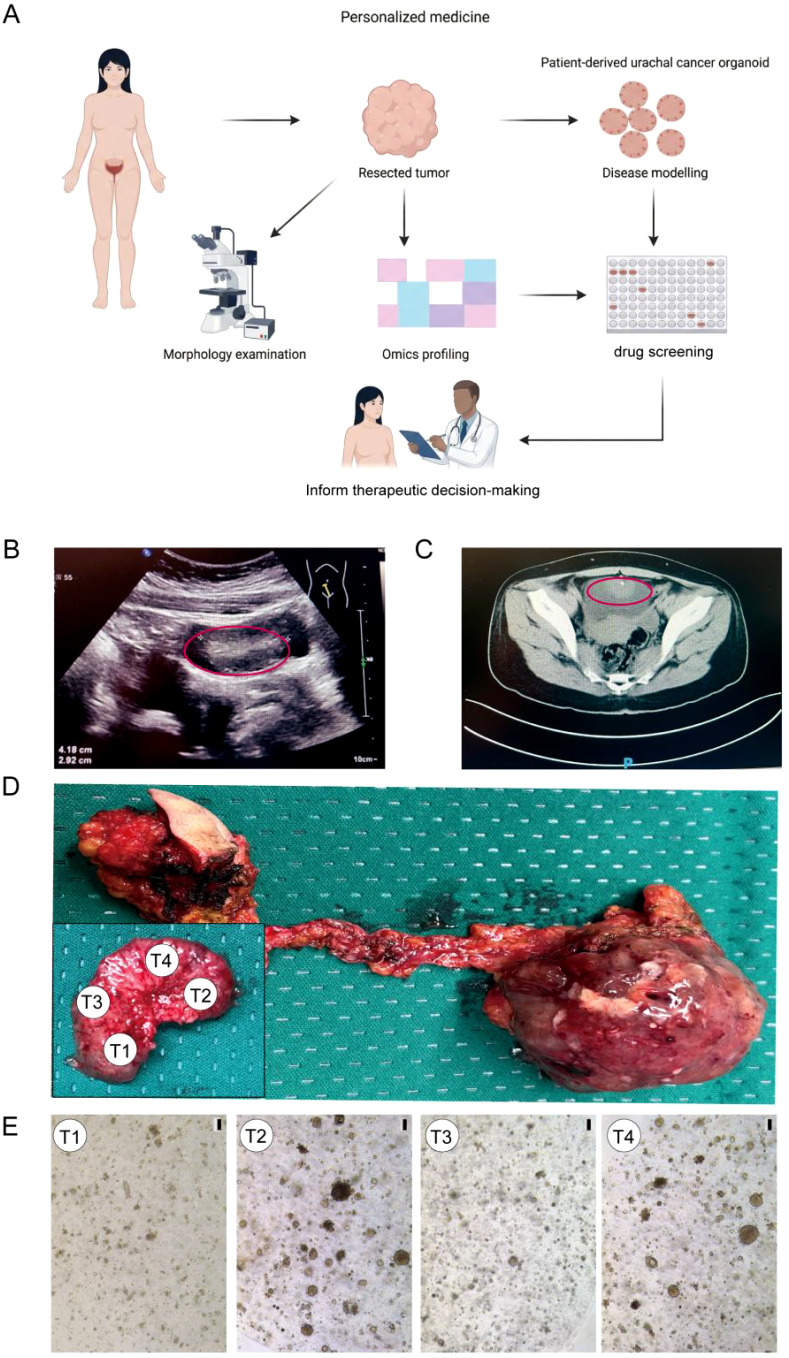 Figure 1
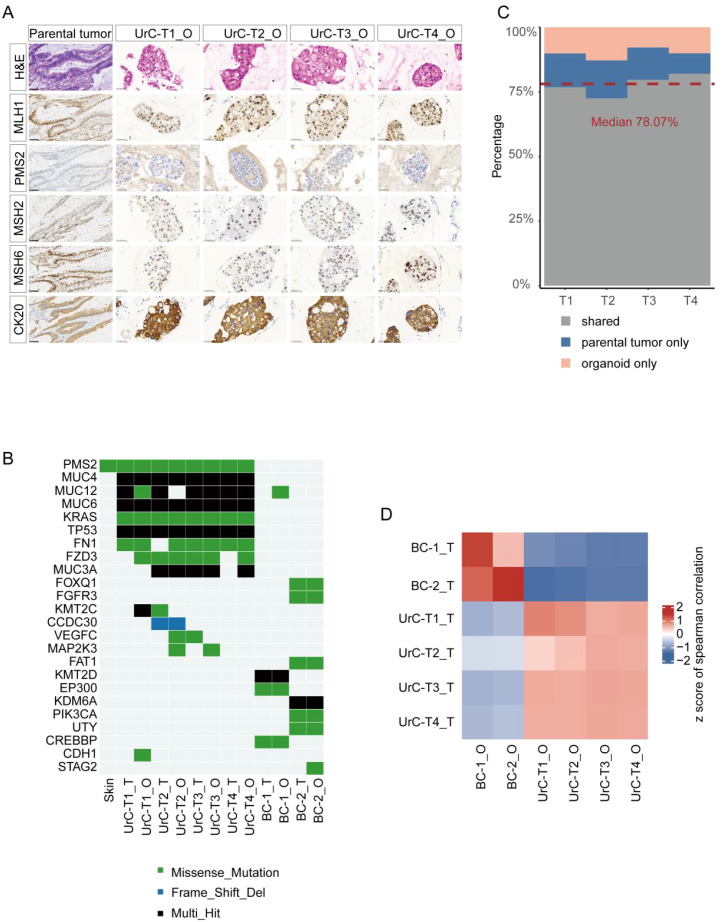 Figure 2
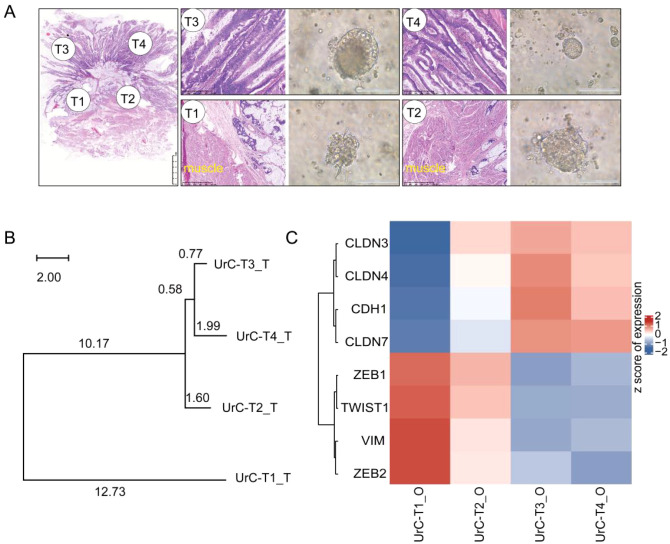 Figure 3
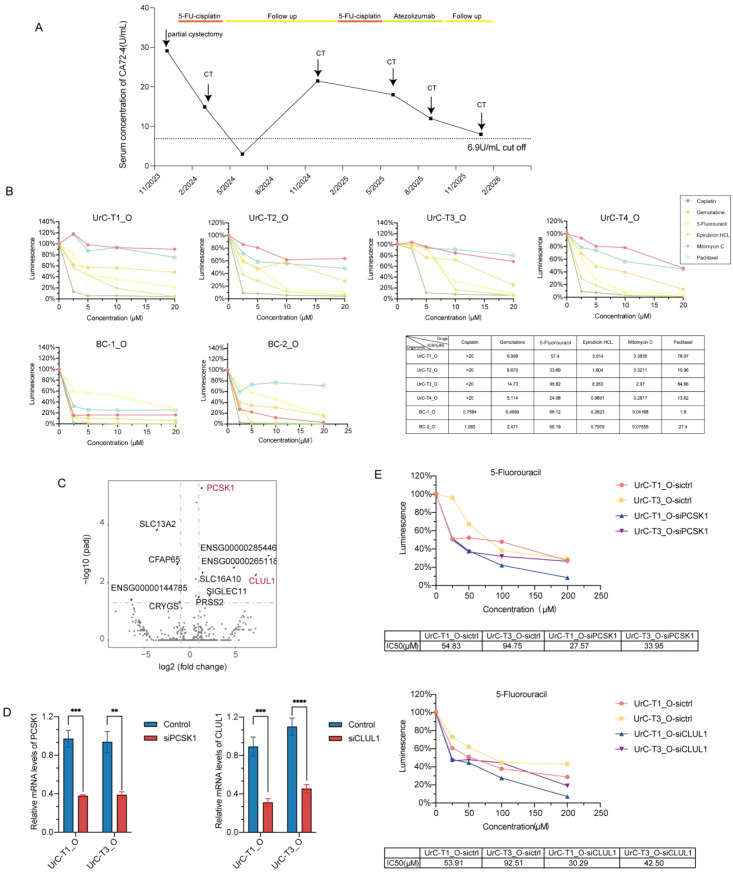 Figure 4
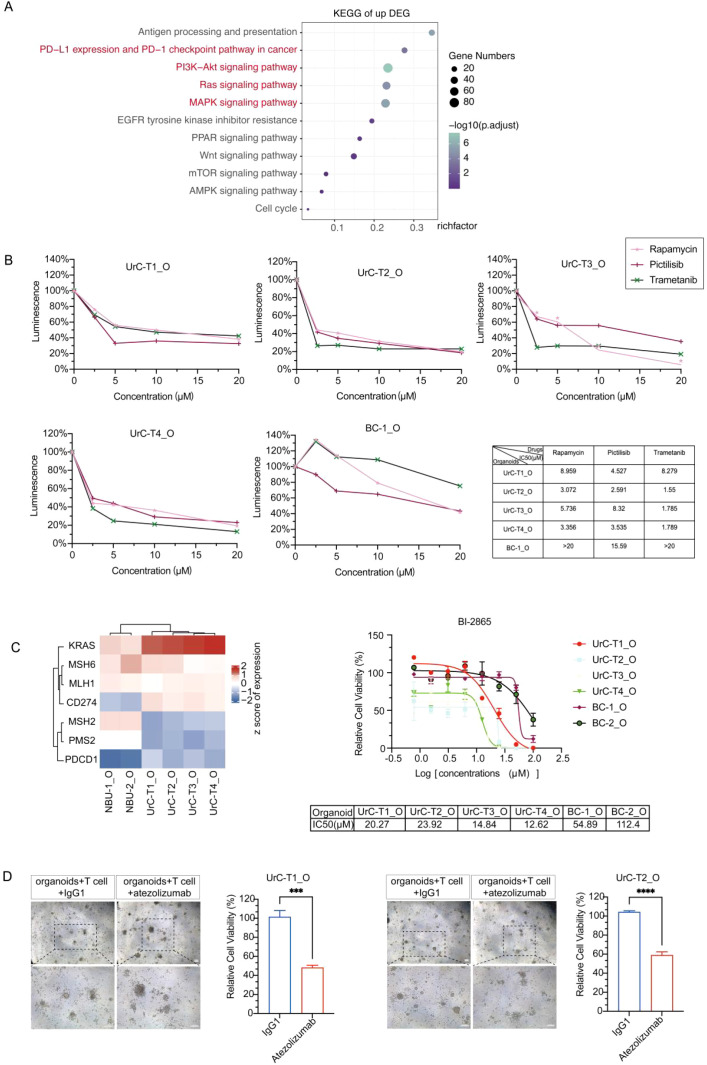 Figure 5
Peer Reviews
No public reviews on file for this paper yet. If you reviewed it on a platform where reviews are public (OpenReview, ICLR, NeurIPS, ICML), you can paste yours below so the community can read it here.
Videos
No videos yet. Explain this paper in a talk, walkthrough, or lecture? Add one.
Taxonomy
TopicsUrinary and Genital Oncology Studies · Bladder and Urothelial Cancer Treatments · Cholangiocarcinoma and Gallbladder Cancer Studies