From stress to success: using physiological data to predict cardiopulmonary resuscitation simulation performance
Luca Queirolo, Giulia Mormando, Anna Vittadello, Giulia Cason, Barbara Maino, Tommaso Pettenuzzo, Nicolò Sella, Francesco Zarantonello, Annalisa Boscolo, Gastone Zanette, Paolo Navalesi

TL;DR
This study uses physiological data to predict performance in CPR simulations, showing that stress responses and autonomic markers are linked to success.
Contribution
The study introduces a novel use of physiological data to predict CPR performance and identifies nonlinear relationships between autonomic markers and success.
Findings
Physiological stress markers like HRV, HR, and EDA increased during CPR simulations.
Sympathetic activation in team leaders predicted overall CPR performance.
A nonlinear relationship between HRV-derived SD1 and performance was identified.
Abstract
Managing stress is critical in emergency medicine, where cardiopulmonary resuscitation (CPR) rely on team dynamics. Although subjective and physiological markers assess stress, few studies have examined their combined effects during CPR simulations. The influence of team role (leader vs. member) and whether physiological data can predict performance also remain underexplored. This study addresses these gaps. Thirty emergency residents attending the School of Emergency Medicine of the University of Padua (Italy) were recruited with previous certification in Advance Cardiac Life Support (ACLS) and randomly paired, each assigned to one of two roles: team leader (TL) or team member (TM). Randomization also considered baseline stress level (PSS-10). Each pair was then assigned to cardiac arrest with a shockable or non-shockable rhythm, including 2 min of uninterrupted chest compressions,…
Genes, proteins, chemicals, diseases, species, mutations and cell lines named across the full text — each resolved to its canonical identifier and authoritative record.
Click any figure to enlarge with its caption.
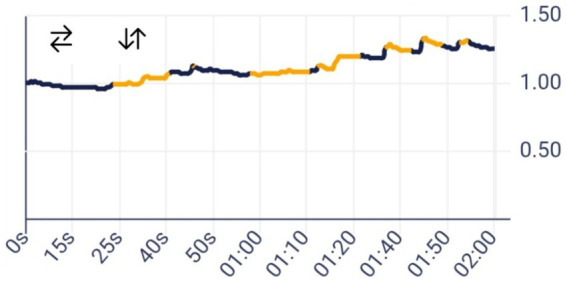 Figure 1
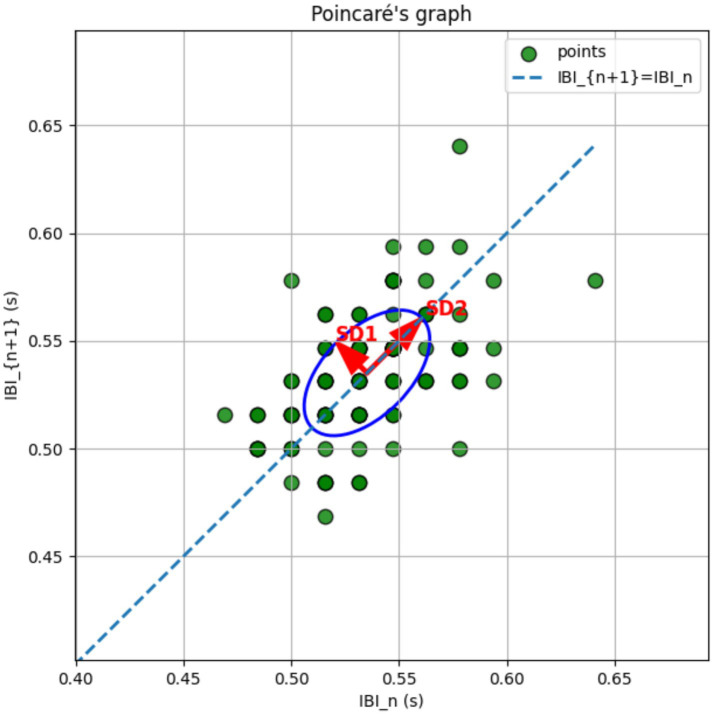 Figure 2
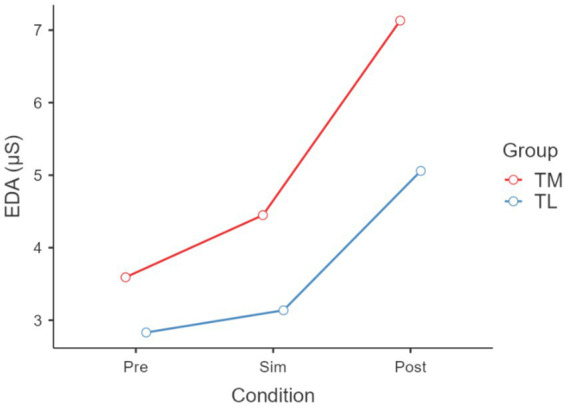 Figure 3
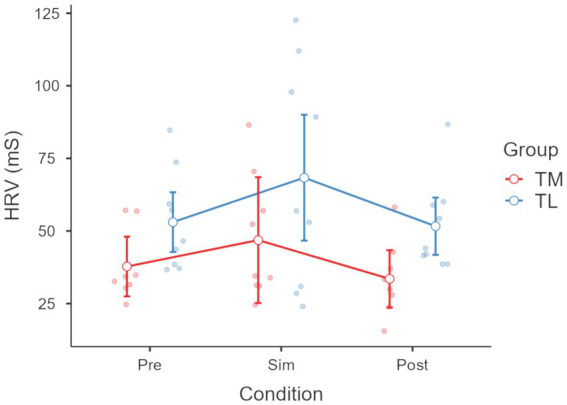 Figure 4
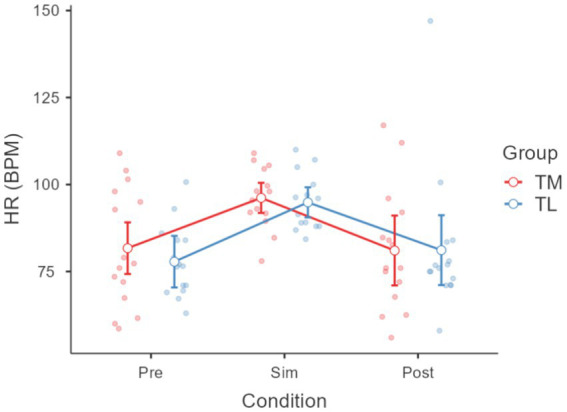 Figure 5
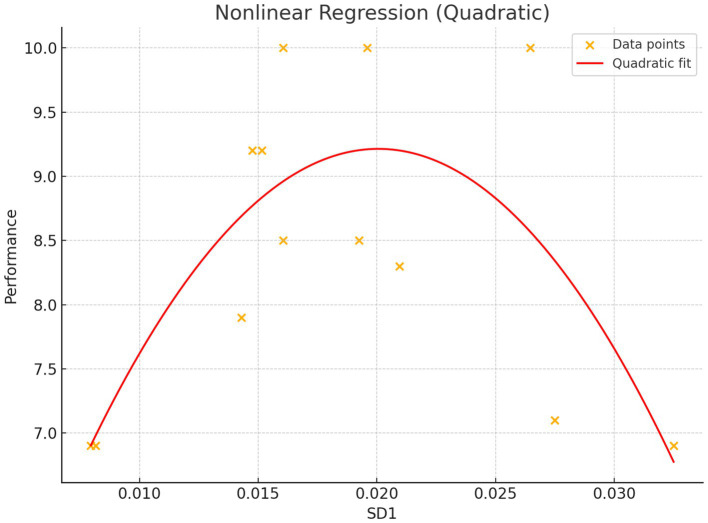 Figure 6
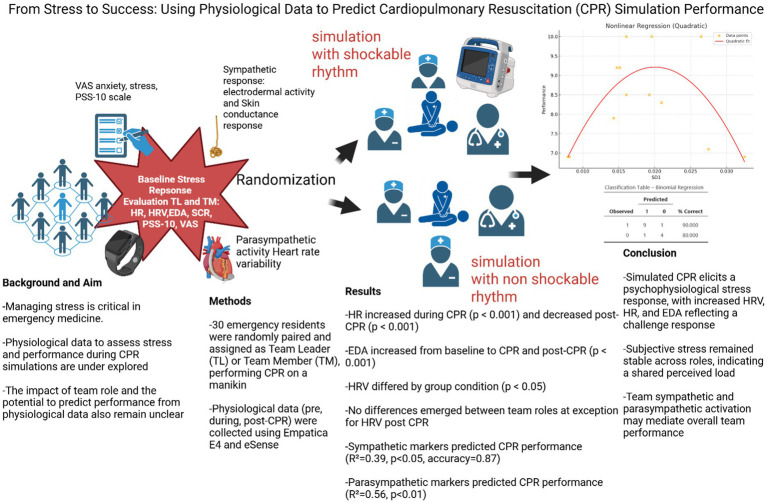 Figure 7
Peer Reviews
No public reviews on file for this paper yet. If you reviewed it on a platform where reviews are public (OpenReview, ICLR, NeurIPS, ICML), you can paste yours below so the community can read it here.
Videos
No videos yet. Explain this paper in a talk, walkthrough, or lecture? Add one.
Taxonomy
TopicsCardiac Arrest and Resuscitation · Simulation-Based Education in Healthcare · Family and Patient Care in Intensive Care Units