The effect of post-activation potentiation on neuromuscular activation of smashing technique during the recovery period of meniscal injuries in elite badminton players: non-negative matrix factorization-based muscle and time-frequency coherence
Hongkai Zhuang, Siyao Hong, Yi Xia, Yi Sheng

TL;DR
This study examines how different post-activation potentiation methods affect muscle coordination in elite badminton players recovering from meniscus injuries.
Contribution
The study introduces a novel approach using non-negative matrix factorization and time-frequency coherence to analyze neuromuscular activation during a specific badminton technique.
Findings
Neuromuscular electrical stimulation significantly increased muscle activation weights in key lower limb muscles.
The resistance band group showed a higher number of synergies compared to other groups.
Electrical stimulation improved intermuscular coherence across multiple frequency bands in trunk-limb muscle pairs.
Abstract
To investigate the effects of three distinct post-activation potentiation (PAP) interventions—neuromuscular electrical stimulation (NMES), elastic band resistance, and squats—on neuromuscular activation during the smashing technique in high-level badminton athletes recovering from meniscus injuries. Furthermore, to elucidate the underlying mechanisms at the neuromotor control level through analyses of muscle synergy and intermuscular coherence. Eighteen high-level male badminton athletes in the recovery phase of meniscus injuries were recruited. Surface electromyographic signals were recorded during forehand smash execution following respective interventions: squats, elastic band resistance, and NMES. Non-negative matrix factorization (NMF) analyzed muscle synergies, extracting synergistic module counts, muscle weights, and activation duration parameters. Time-frequency coherence (TFC)…
Genes, proteins, chemicals, diseases, species, mutations and cell lines named across the full text — each resolved to its canonical identifier and authoritative record.
Click any figure to enlarge with its caption.
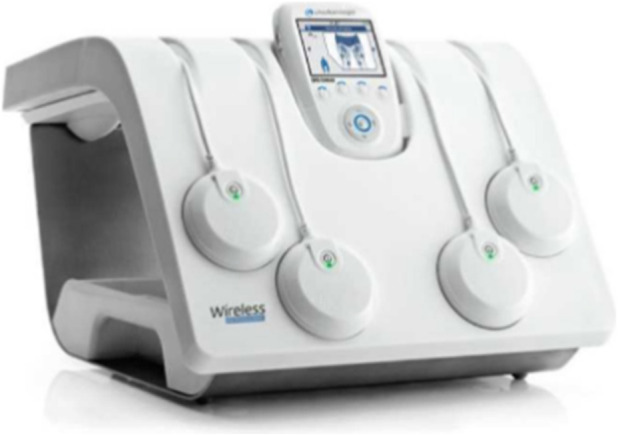 Figure 1
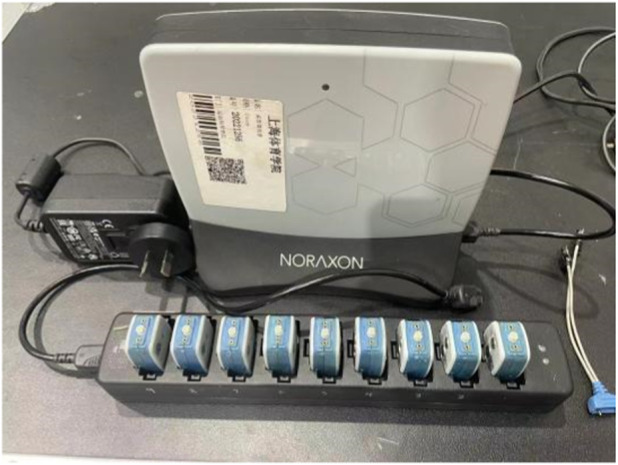 Figure 2
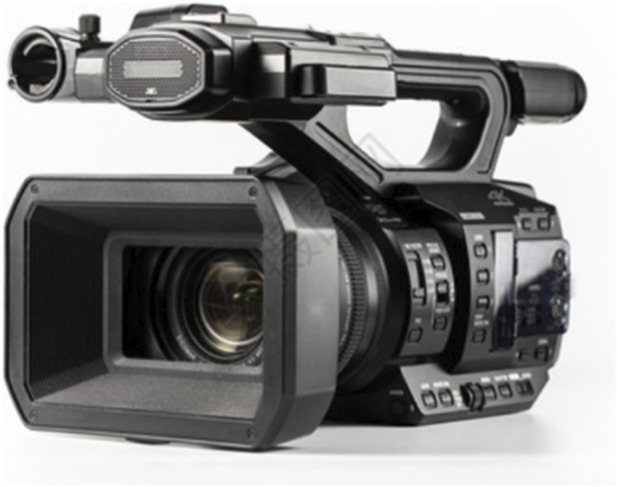 Figure 3
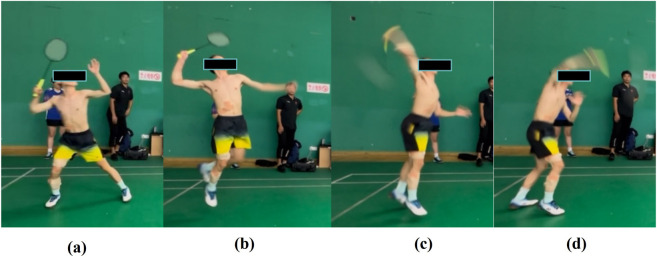 Figure 4
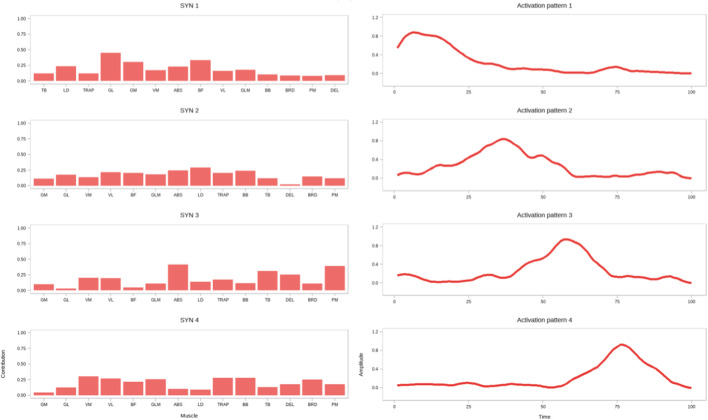 Figure 5
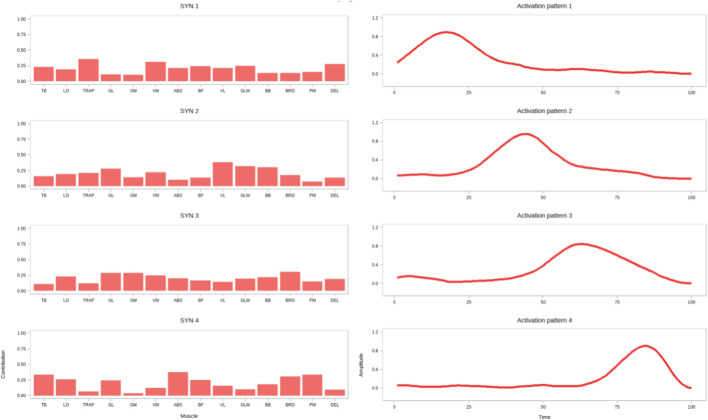 Figure 6
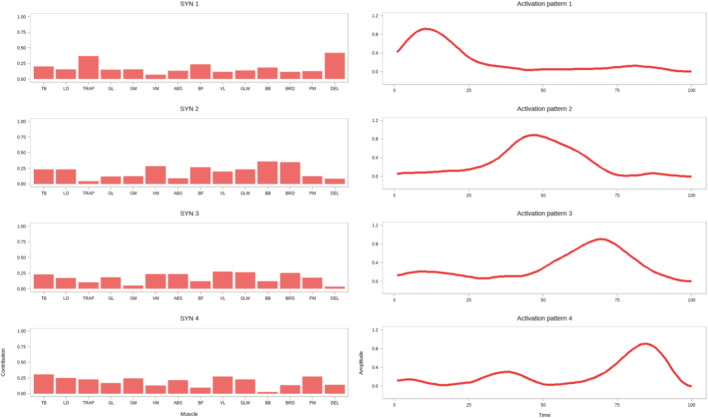 Figure 7
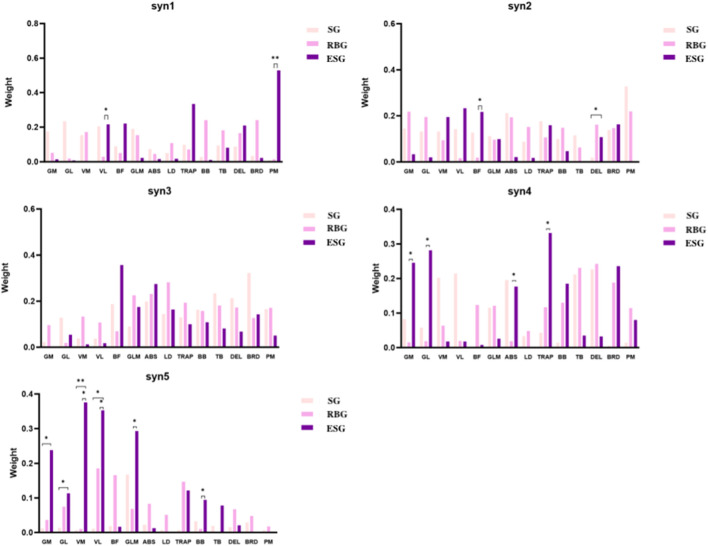 Figure 8
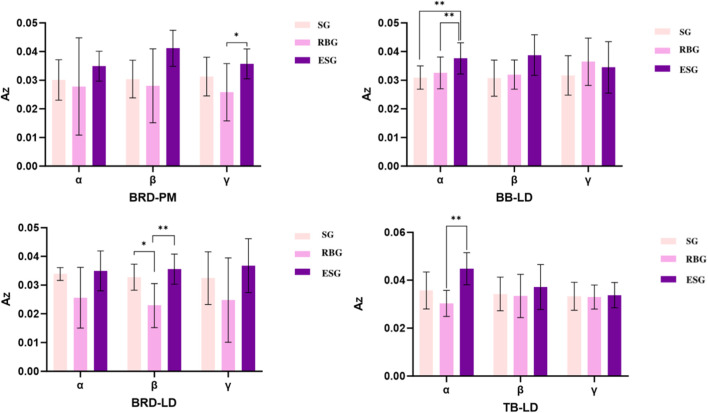 Figure 9
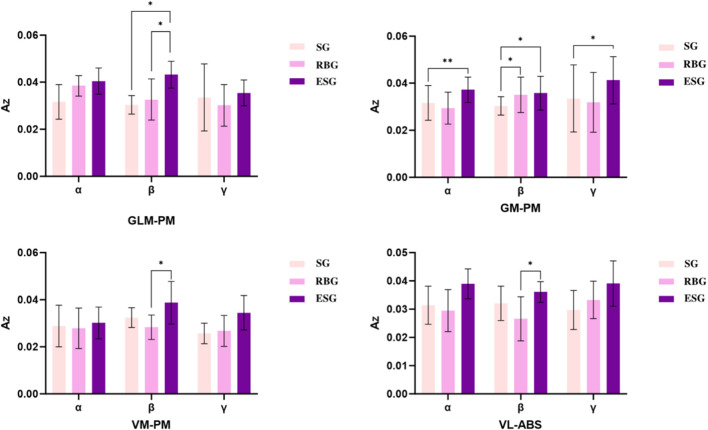 Figure 10
Peer Reviews
No public reviews on file for this paper yet. If you reviewed it on a platform where reviews are public (OpenReview, ICLR, NeurIPS, ICML), you can paste yours below so the community can read it here.
Videos
No videos yet. Explain this paper in a talk, walkthrough, or lecture? Add one.
Taxonomy
TopicsKnee injuries and reconstruction techniques · Sports injuries and prevention · Muscle activation and electromyography studies