Limited transmission of V180I genetic Creutzfeldt-Jakob disease in knock-in mice models
Kenta Teruya, Shirou Mohri, Tetsuyuki Kitamoto

TL;DR
This study shows that the V180I mutation in Creutzfeldt-Jakob disease is less likely to spread in mice models, which could help reduce risks in medical settings.
Contribution
The study provides new evidence on the limited transmissibility of the V180I prion in humanized mice.
Findings
Tissue from V180I genetic CJD cases shows significantly limited transmissibility in humanized knock-in mice.
The results suggest a lower risk of iatrogenic transmission associated with the V180I mutation.
Abstract
Differentiating Creutzfeldt-Jakob disease (CJD) with the V180I mutation from other types of dementia is extremely difficult. Additionally, its differentiation is sometimes determined after performing neurosurgery, which is associated with a high risk of V180I prion contamination; however, the infectivity of the V180I prion has not been properly investigated. Especially in East Asia, this issue must be addressed to respond effectively to accidental contamination that leads to iatrogenic CJD. The results of our transmission experiments involving various humanized knock-in mice clearly indicate that the transmissibility of tissue from V180I genetic CJD cases is significantly limited.
Genes, proteins, chemicals, diseases, species, mutations and cell lines named across the full text — each resolved to its canonical identifier and authoritative record.
Click any figure to enlarge with its caption.
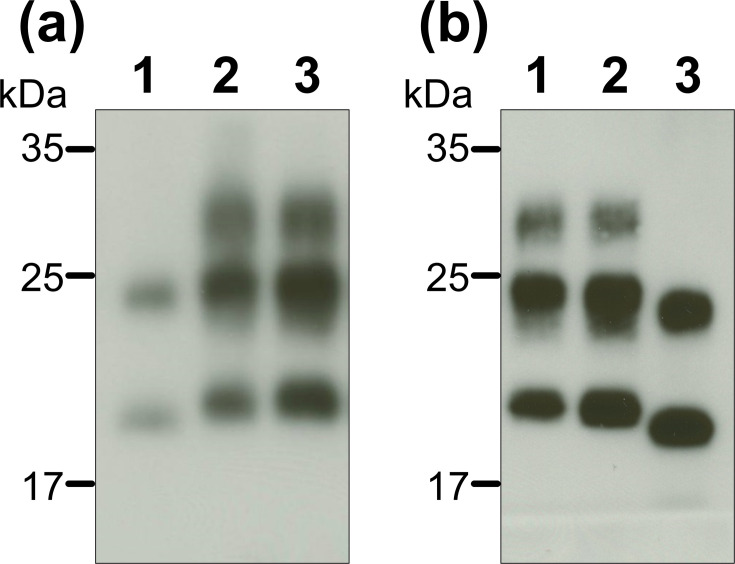 Figure 1
Peer Reviews
No public reviews on file for this paper yet. If you reviewed it on a platform where reviews are public (OpenReview, ICLR, NeurIPS, ICML), you can paste yours below so the community can read it here.
Videos
No videos yet. Explain this paper in a talk, walkthrough, or lecture? Add one.
Taxonomy
TopicsPrion Diseases and Protein Misfolding · Peripheral Neuropathies and Disorders · Amyotrophic Lateral Sclerosis Research