Free energy perturbations in enzyme kinetic models reveal cryptic epistasis
Karol Buda, Nobuhiko Tokuriki, Eric Dykeman, Eric Dykeman, Eric Dykeman, Eric Dykeman

TL;DR
The study shows that enzyme mutations can create misleading epistasis effects due to non-linear relationships in enzyme kinetics, not just direct physical interactions.
Contribution
The paper reveals a previously unknown source of non-specific epistasis in enzyme kinetics and provides tools to correct for it.
Findings
Epistasis in catalytic parameters arises from the multi-state nature of the catalytic cycle, even without direct mutational interactions.
Non-specific epistasis increases with the number of kinetic states in the enzyme mechanism.
Reanalysis of β-lactamase data showed stronger specific epistasis than previously inferred, changing mechanistic interpretations.
Abstract
Epistasis—the context-dependence of mutational effects—is a key driver of protein evolution, influencing adaptive pathways and functional diversity. While specific epistasis arises from direct physical interactions between mutations, non-specific epistasis emerges when a non-linear mapping links a protein’s biophysical properties to its function. Enzyme kinetic parameters map directly to free energies, enabling researchers to connect epistasis in these parameters to an enzyme’s structural features. Here, we show that this approach is incorrect: enzyme catalytic parameters like kcat and KM inherently exhibit non-specific epistasis due to the multi-state nature of the catalytic cycle. Using enzyme catalytic cycle models, parameterized by free energies of ground and transition states, we simulated 1000 “mutations” or perturbations to the sub-state free energies within the kinetic ensemble.…
Genes, proteins, chemicals, diseases, species, mutations and cell lines named across the full text — each resolved to its canonical identifier and authoritative record.
Click any figure to enlarge with its caption.
 Figure 1
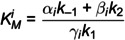 Figure 2
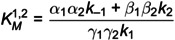 Figure 3
 Figure 4
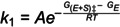 Figure 5
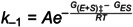 Figure 6
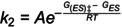 Figure 7
 Figure 8
 Figure 9
 Figure 10
 Figure 11
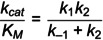 Figure 12
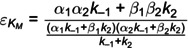 Figure 13
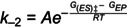 Figure 14
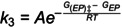 Figure 15
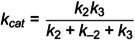 Figure 16
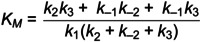 Figure 17
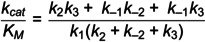 Figure 18
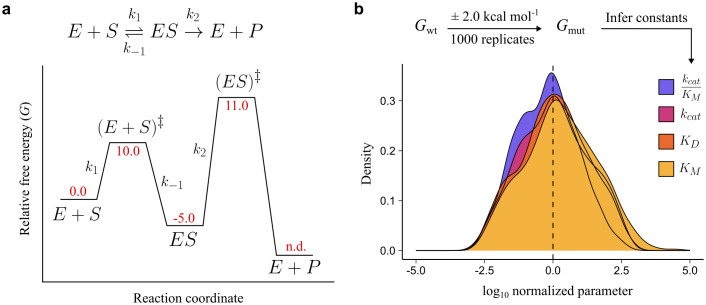 Figure 19
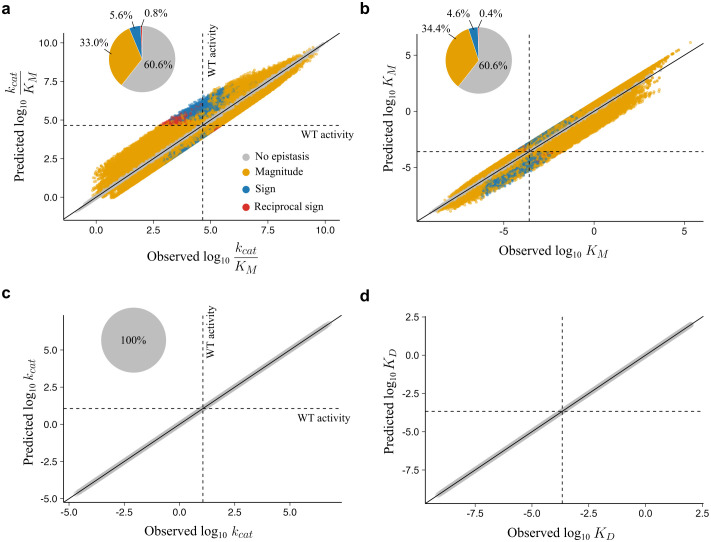 Figure 20
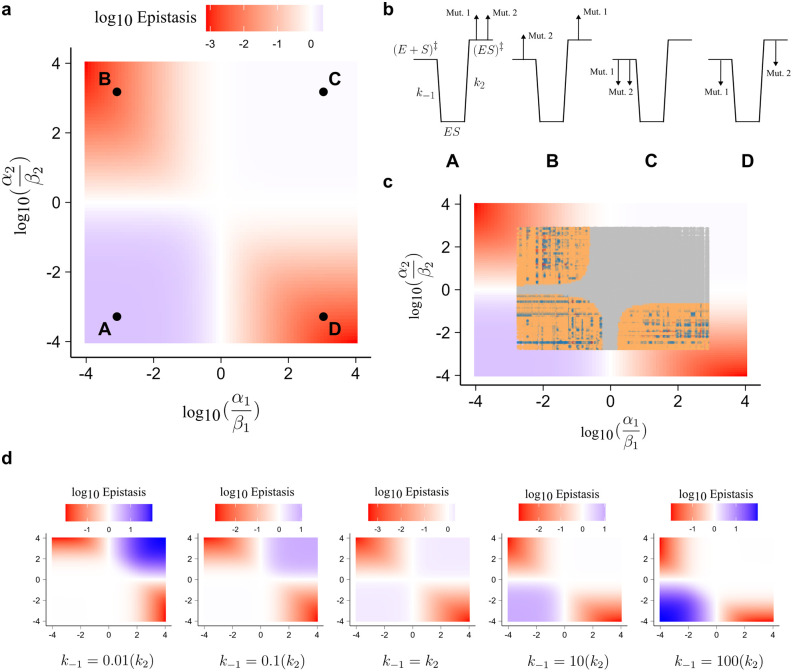 Figure 21
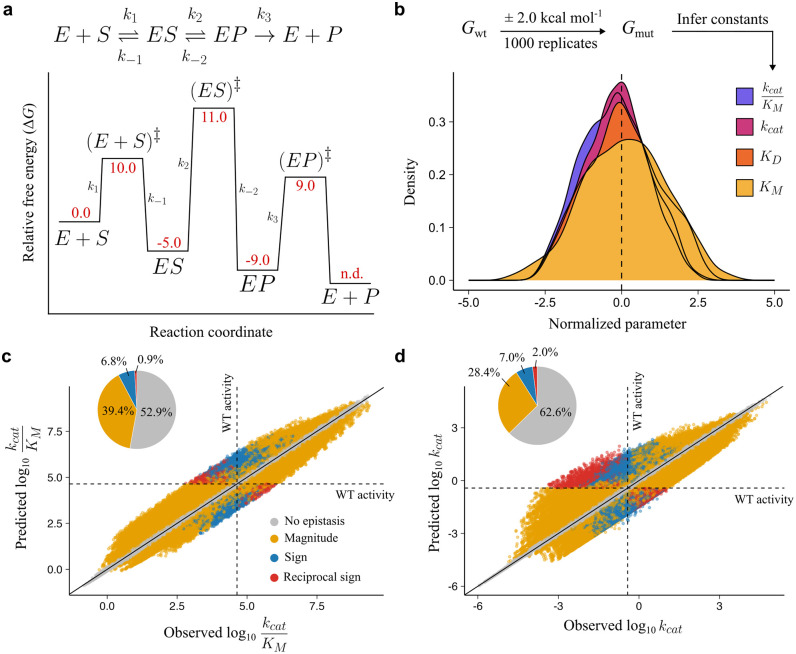 Figure 22
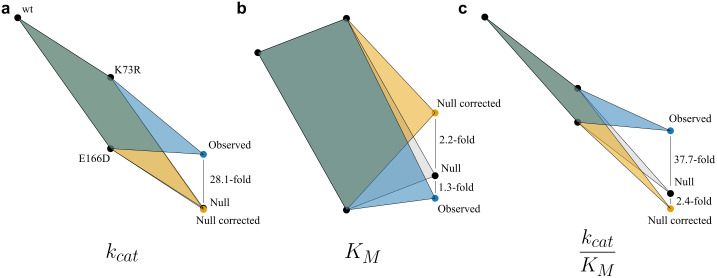 Figure 23
 Figure 24
 Figure 25
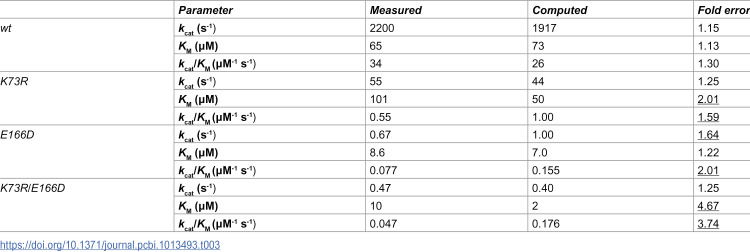 Figure 26
Peer Reviews
No public reviews on file for this paper yet. If you reviewed it on a platform where reviews are public (OpenReview, ICLR, NeurIPS, ICML), you can paste yours below so the community can read it here.
Videos
No videos yet. Explain this paper in a talk, walkthrough, or lecture? Add one.
Taxonomy
TopicsEvolution and Genetic Dynamics · Protein Structure and Dynamics · RNA and protein synthesis mechanisms