Single-tube two-step RPA-CRISPR/Cas12b platform for detection of Pseudomonas aeruginosa
Haotian Lin, Shichun Wang, Yuanhong Xie, Congyang Cheng, Junhua Jin, Xiaodong Song, Hongxing Zhang

TL;DR
This paper introduces a fast and accurate method to detect Pseudomonas aeruginosa using RPA and CRISPR/Cas12b technology in a single-tube system.
Contribution
A novel single-tube, two-step RPA-CRISPR/Cas12b platform for rapid and specific detection of Pseudomonas aeruginosa.
Findings
The RPA-Cas12b-Fluo system detected as few as 10 DNA copies and 50 CFU of P. aeruginosa.
The RPA-Cas12b-LFS system detected 10² DNA copies and 200 CFU with high specificity.
The method showed 100% concordance with the national standard culture method in water samples.
Abstract
Pseudomonas aeruginosa is a ubiquitous opportunistic pathogen of significant clinical and public health concern, necessitating the development of rapid and reliable detection methods. Traditional diagnostic approaches, which rely on culture-dependent techniques and biochemical identification, are often labor-intensive, time-consuming, and technically demanding. This study describes a novel single-tube, two-step, rapid detection platform that integrates recombinase polymerase amplification (RPA) with clustered regularly interspaced short palindromic repeats-associated protein Cas12b technology. Through systematic experimental optimization, the study identified an optimal RPA primer pair (F2-R1) and single-guide ribonucleic acid 553 that targets the lasR gene of P. aeruginosa, with reaction conditions optimized at 42°C and a primer concentration of 10 μM. The RPA-clustered regularly…
Genes, proteins, chemicals, diseases, species, mutations and cell lines named across the full text — each resolved to its canonical identifier and authoritative record.
Click any figure to enlarge with its caption.
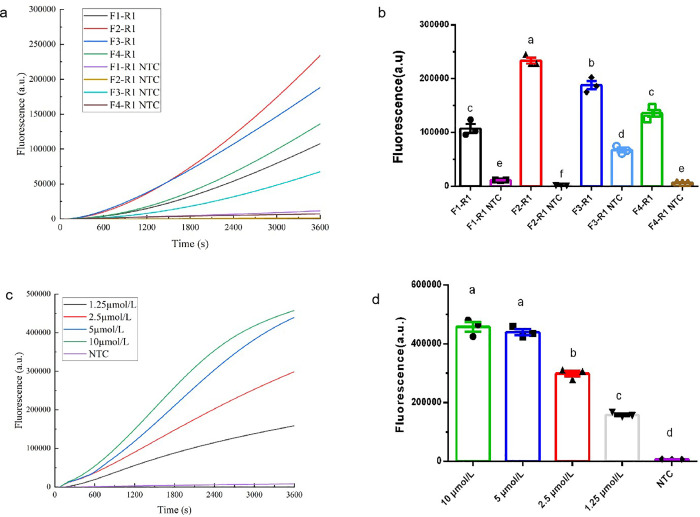 Figure 1
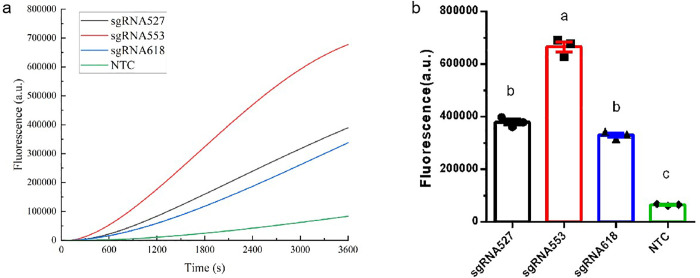 Figure 2
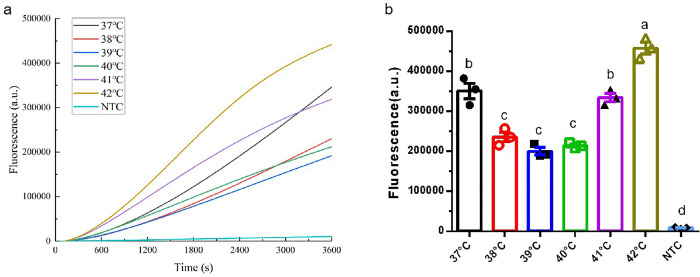 Figure 3
 Figure 4
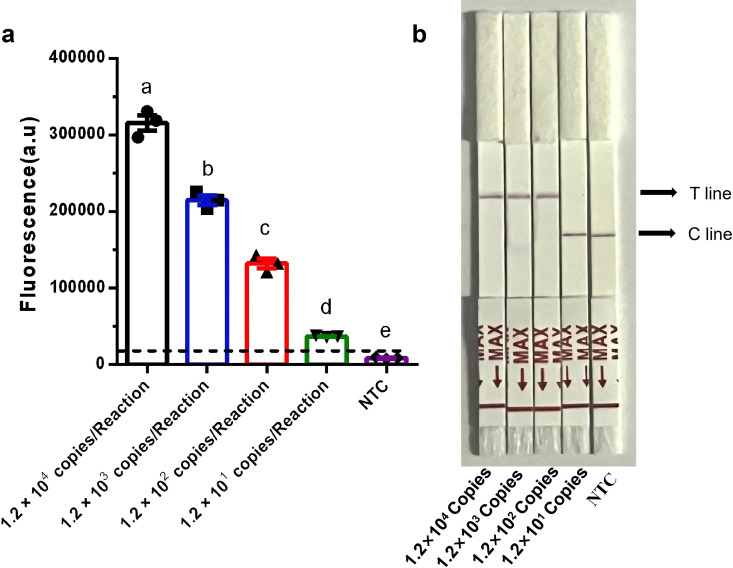 Figure 5
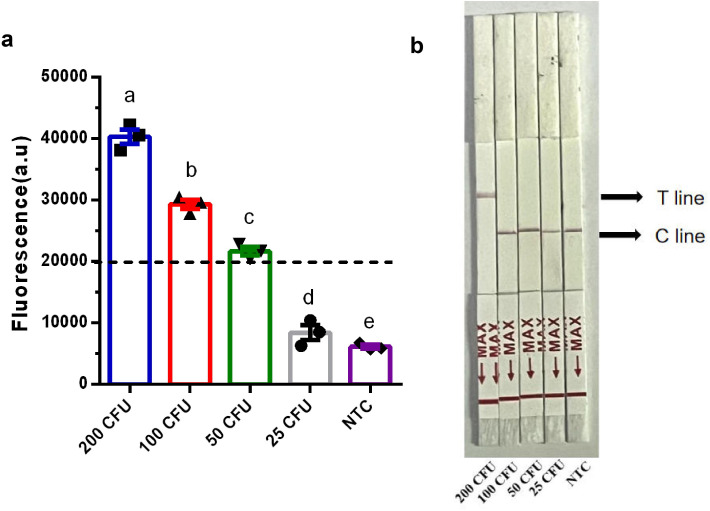 Figure 6
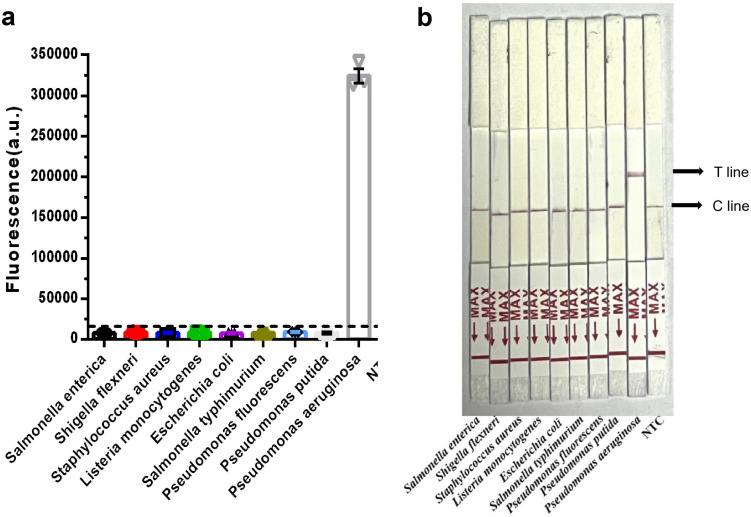 Figure 7
 Figure 8
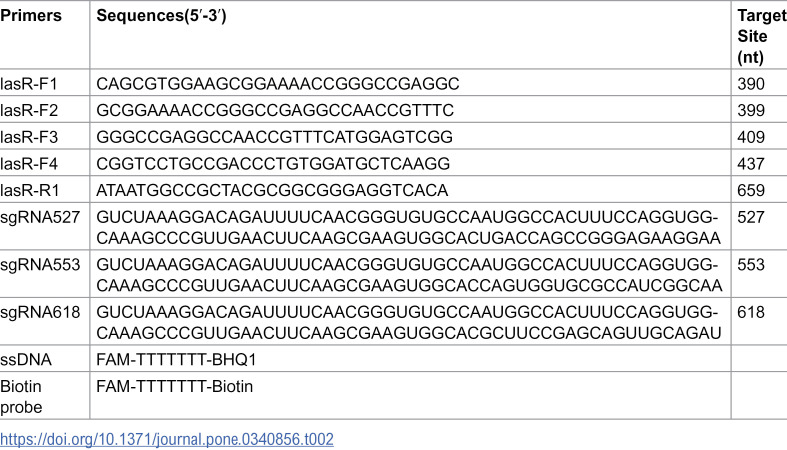 Figure 9
 Figure 10
Peer Reviews
No public reviews on file for this paper yet. If you reviewed it on a platform where reviews are public (OpenReview, ICLR, NeurIPS, ICML), you can paste yours below so the community can read it here.
Videos
No videos yet. Explain this paper in a talk, walkthrough, or lecture? Add one.
Taxonomy
TopicsCRISPR and Genetic Engineering · Biosensors and Analytical Detection · Vibrio bacteria research studies