Implementing a successful patient navigation program for follow-up colonoscopy: Lessons from the PRECISE study
Jamie H. Thompson, Jennifer L. Schneider, Jennifer S. Rivelli, Priyanka Gautom, Jeffery Gibbs, Neha Yadav, Ricardo Jimenez, Gloria D. Coronado

TL;DR
This study shares lessons from a patient navigation program to help patients complete follow-up colonoscopies after abnormal tests, focusing on successes, challenges, and recommendations for community health centers.
Contribution
The study provides actionable insights for implementing patient navigation programs in community health settings to improve colonoscopy follow-up rates.
Findings
Navigators found training sufficient but faced challenges with workload and documentation.
Streamlining outreach and fostering partnerships with GI practices were key to program success.
Unified data tracking systems and adequate staffing are essential for program sustainability.
Abstract
Colorectal cancer (CRC) screening using annual fecal immunochemical tests (FIT) is an effective strategy to reduce CRC incidence and mortality. However, nearly 50% of patients with abnormal FIT results fail to complete the necessary follow-up colonoscopy. Patient navigation (PN) can provide crucial support for colonoscopy completion. Despite PN’s effectiveness, there is limited knowledge about its optimal implementation in community health settings. This manuscript presents lessons learned from a PN intervention, including successes, challenges, and recommendations, which are essential for improving future PN programs in community health centers. The PRECISE study is a patient-randomized trial of PN vs usual care for follow-up colonoscopy at a Federally Qualified Health Center in Washington state. The comprehensive implementation support for the patient navigation intervention included…
Genes, proteins, chemicals, diseases, species, mutations and cell lines named across the full text — each resolved to its canonical identifier and authoritative record.
Click any figure to enlarge with its caption.
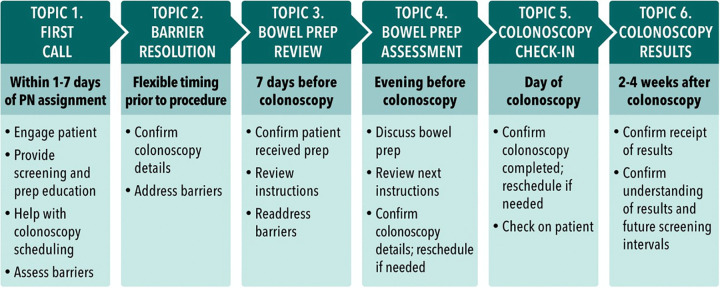 Figure 1
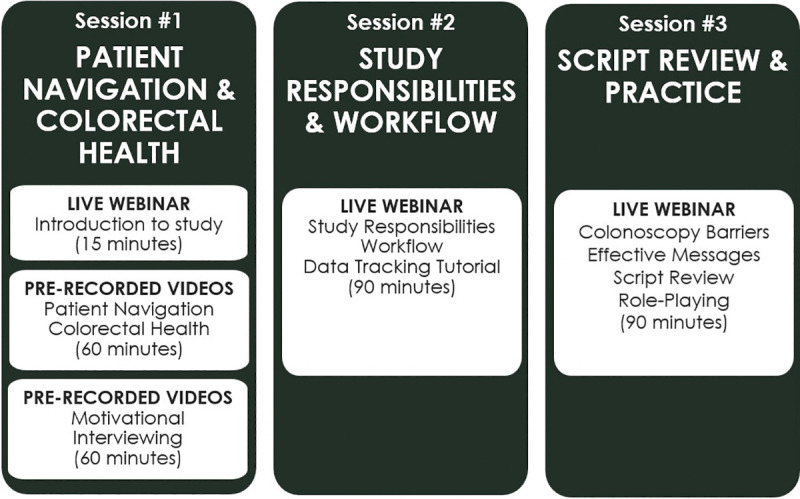 Figure 2
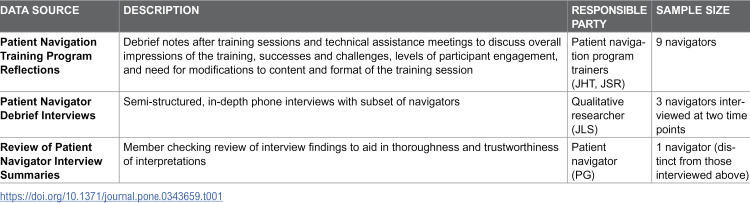 Figure 3
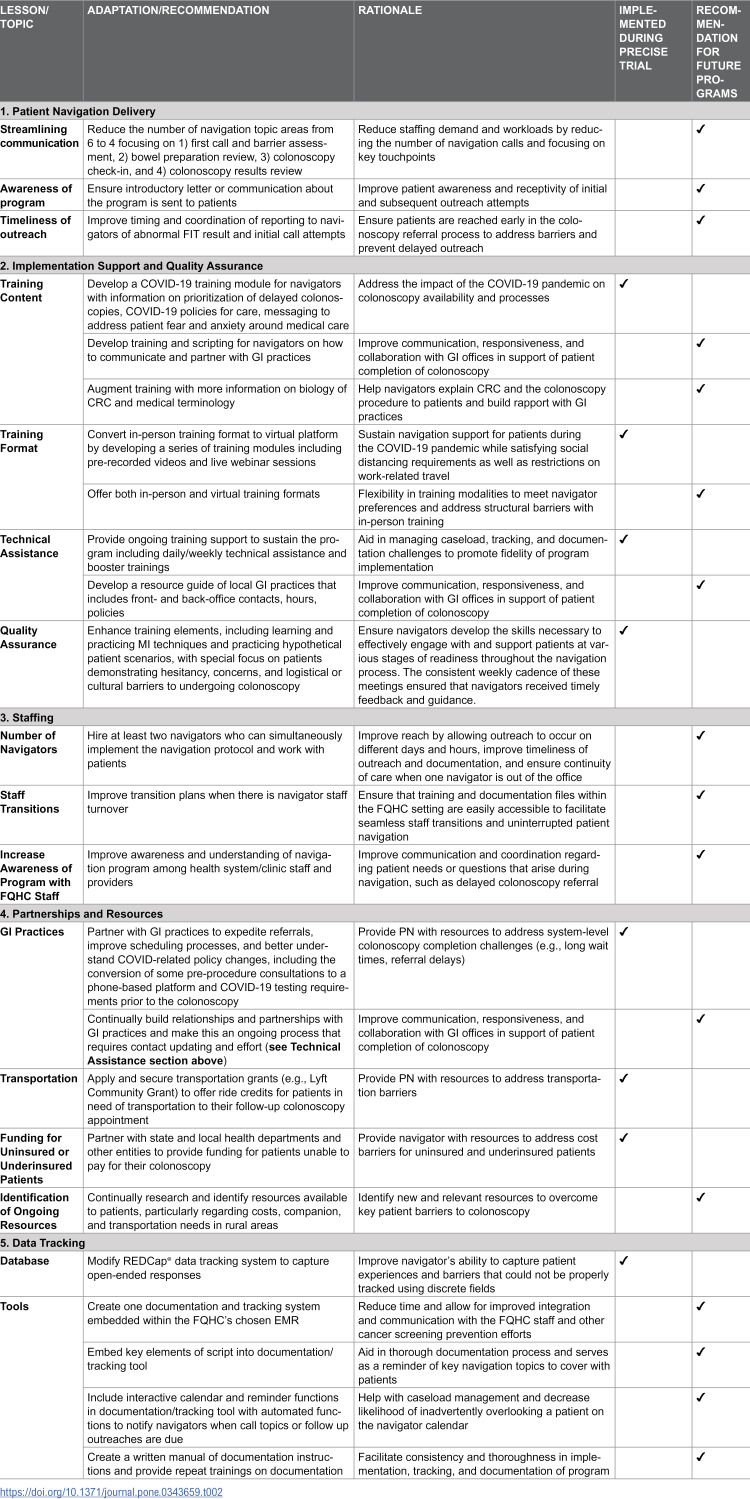 Figure 4
Peer Reviews
No public reviews on file for this paper yet. If you reviewed it on a platform where reviews are public (OpenReview, ICLR, NeurIPS, ICML), you can paste yours below so the community can read it here.
Videos
No videos yet. Explain this paper in a talk, walkthrough, or lecture? Add one.
Taxonomy
TopicsColorectal Cancer Screening and Detection · Global Cancer Incidence and Screening · Data-Driven Disease Surveillance