Sociodemographic influences on Student Mental Health and their association with activation-regulating functional impairments
Mohammad Fraiwan, Fidaa Almomani, Hanan Hammouri

TL;DR
This study explores how sociodemographic factors and lifestyle habits affect university students' mental health and their ability to manage tasks and attention.
Contribution
The study identifies specific sociodemographic and behavioral factors linked to activation dysfunction in university students, particularly among Generation Z.
Findings
High smartphone and social media use correlates with worse activation dysfunction symptoms.
Strong family relationships and regular exercise are associated with better activation function scores.
Fast food consumption and weak family ties are linked to increased activation dysfunction.
Abstract
Activation-regulating functions, grounded in Executive Function Theory, Self-Regulation Theory, and the Dysexecutive (DEX) Framework, refer to higher-order cognitive processes such as task initiation, sustained attention, planning, and prioritization that enable individuals to translate intentions into goal-directed action. In the university context, these functions are central to managing complex academic demands, organizing study activities, meeting deadlines, and maintaining engagement. Impairments in activation-regulating functions may increase stress, undermine motivation, and negatively affect mental health and overall well-being, particularly in the presence of persistent digital distractions such as smartphone use. This self-reported cross-sectional study involved 1204 participants and utilized the validated Arabic version of the activation dysexecutive questionnaire. Alongside…
Genes, proteins, chemicals, diseases, species, mutations and cell lines named across the full text — each resolved to its canonical identifier and authoritative record.
Click any figure to enlarge with its caption.
 Figure 1
 Figure 2
 Figure 3
 Figure 4
 Figure 5
 Figure 6
 Figure 7
 Figure 8
 Figure 9
 Figure 10
 Figure 11
 Figure 12
 Figure 13
 Figure 14
 Figure 15
 Figure 16
 Figure 17
 Figure 18
 Figure 19
 Figure 20
 Figure 21
 Figure 22
 Figure 23
 Figure 24
 Figure 25
 Figure 26
 Figure 27
 Figure 28
 Figure 29
 Figure 30
 Figure 31
 Figure 32
 Figure 33
 Figure 34
 Figure 35
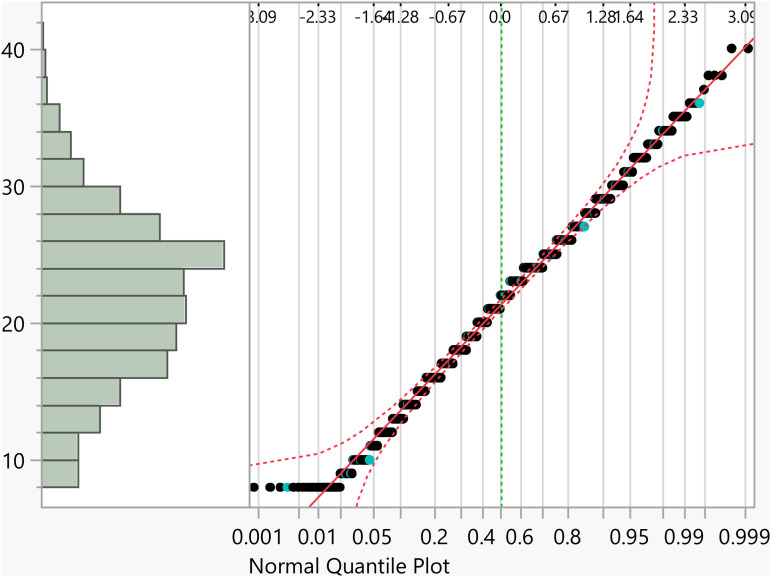 Figure 36
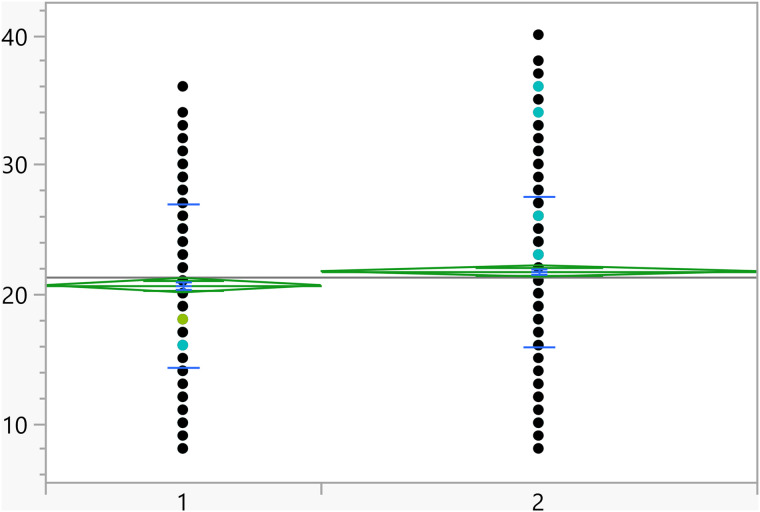 Figure 37
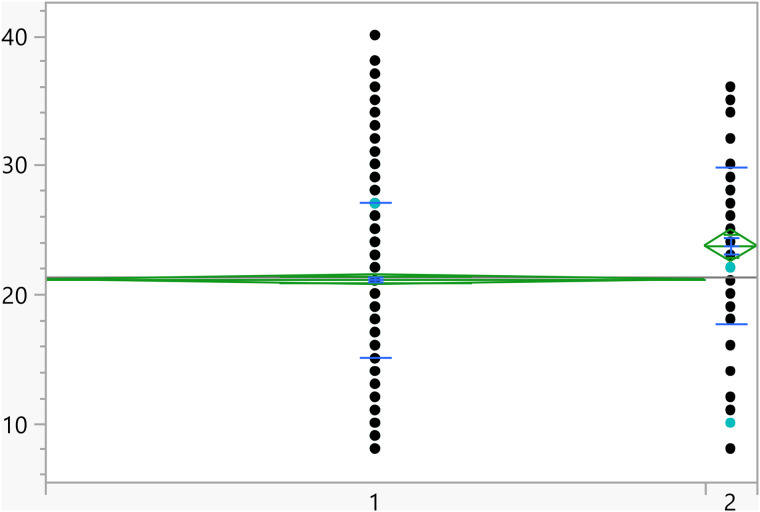 Figure 38
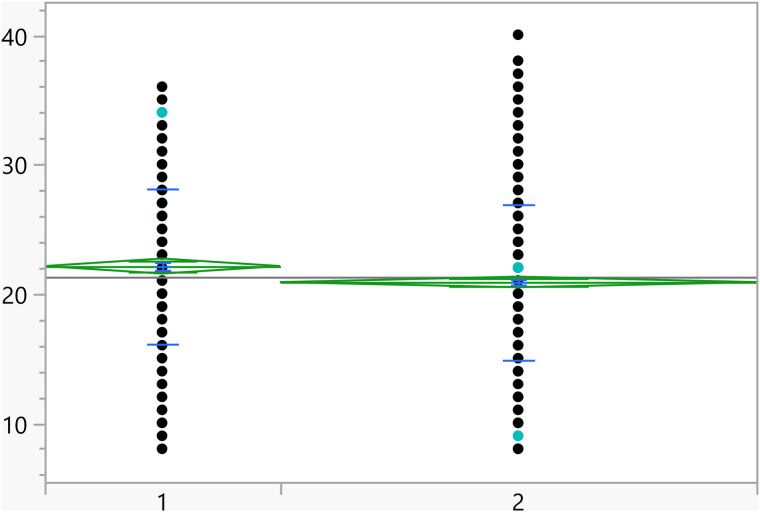 Figure 39
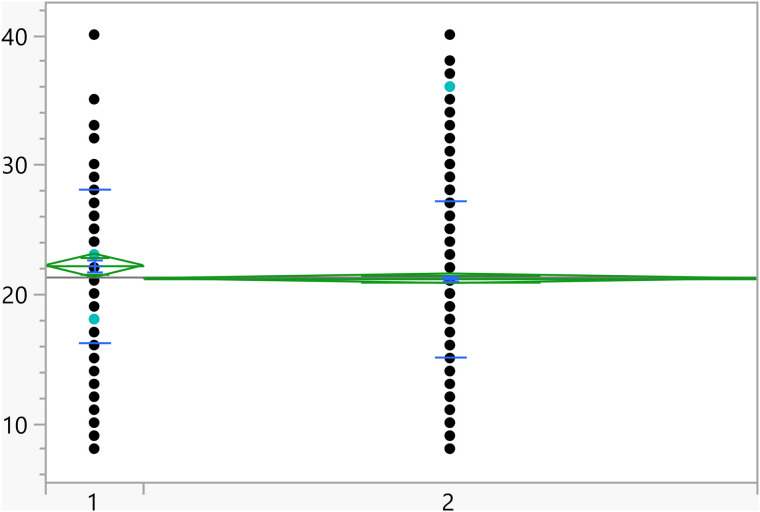 Figure 40
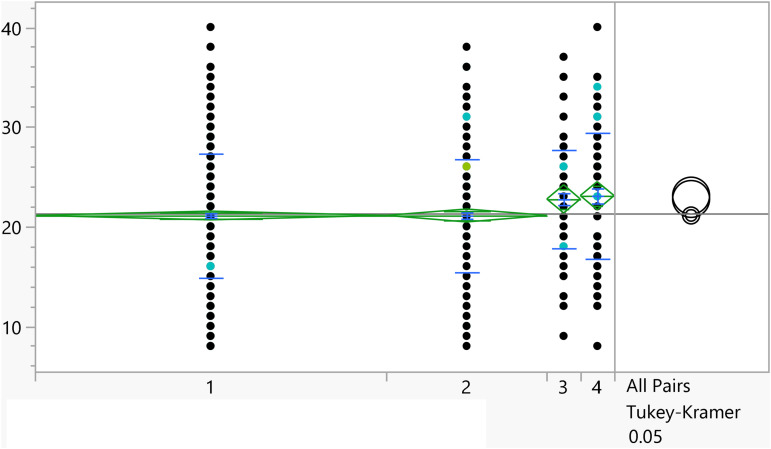 Figure 41
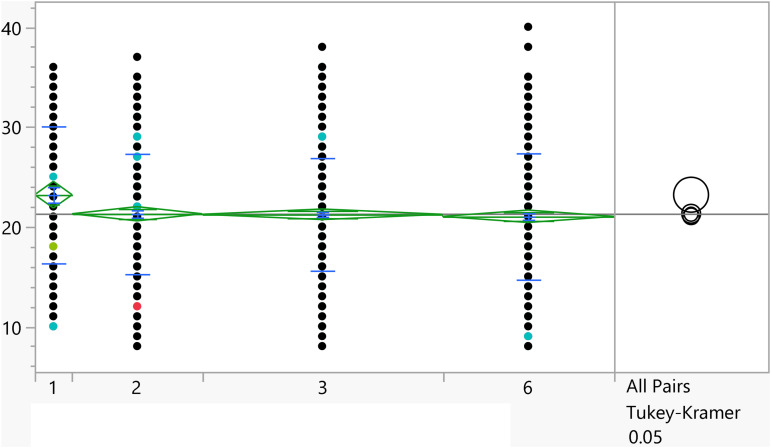 Figure 42
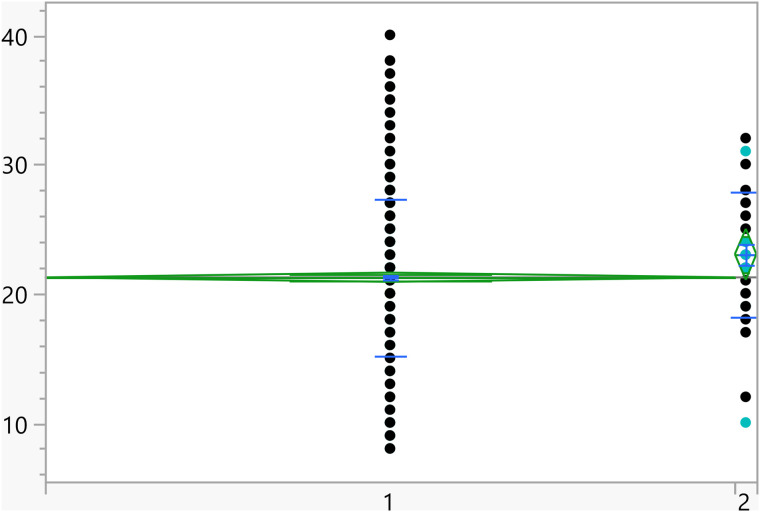 Figure 43
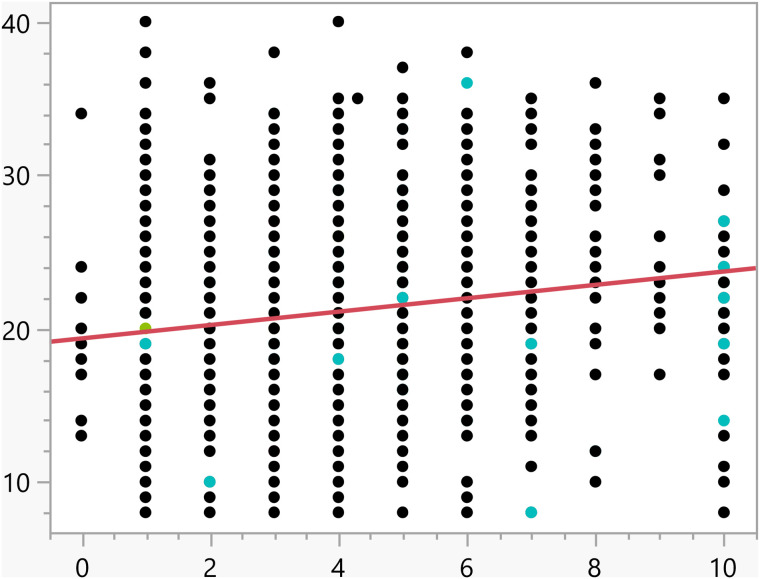 Figure 44
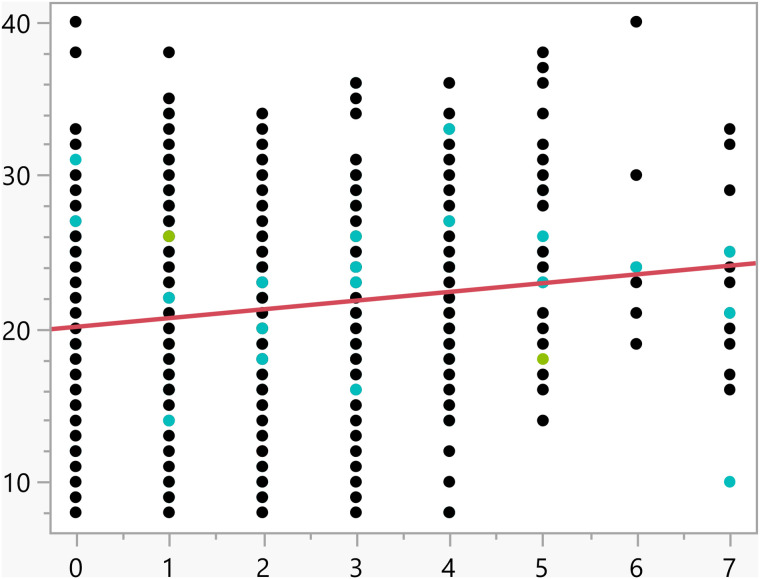 Figure 45
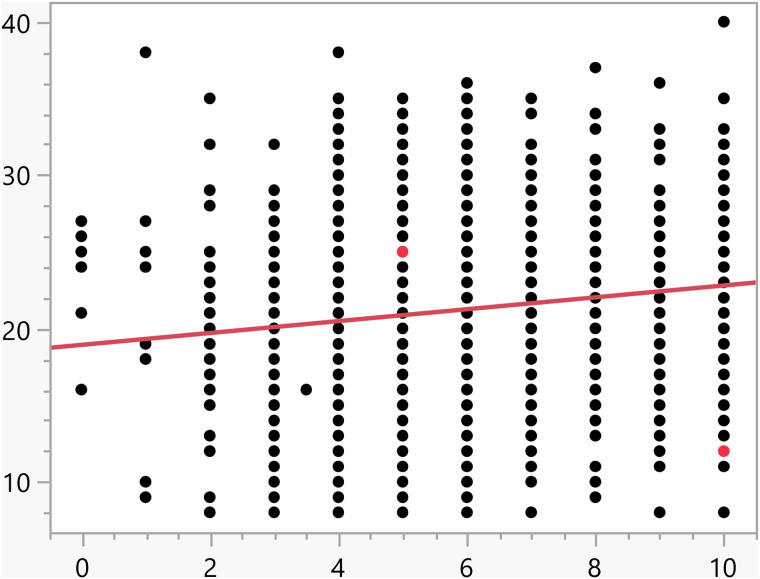 Figure 46
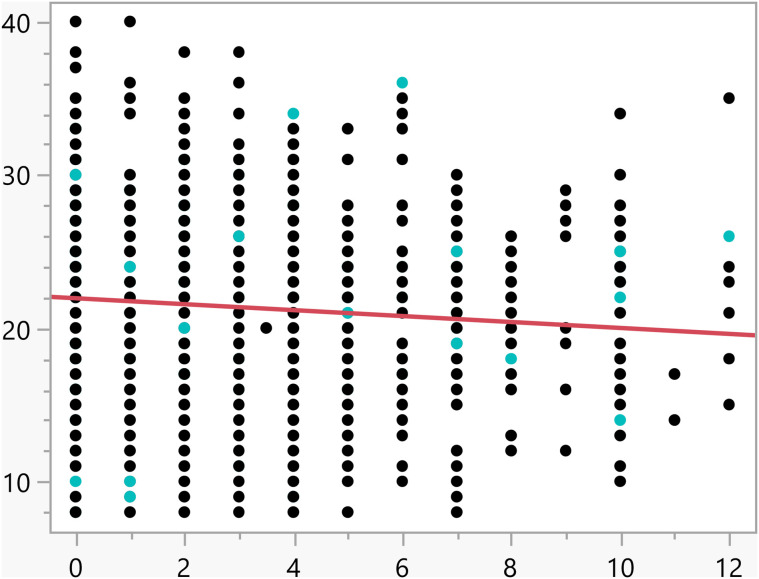 Figure 47
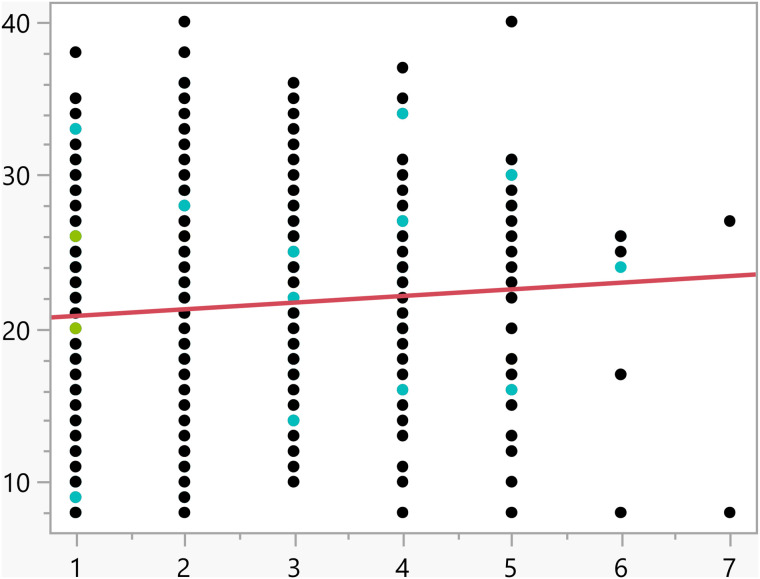 Figure 48
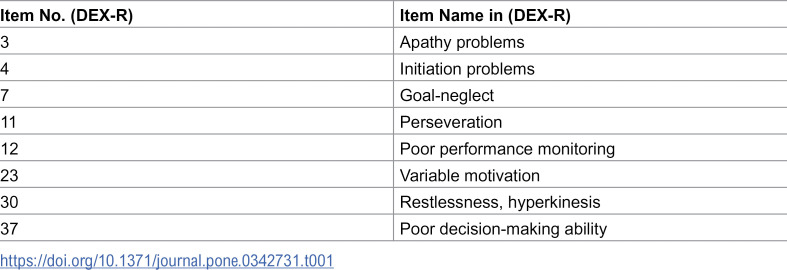 Figure 49
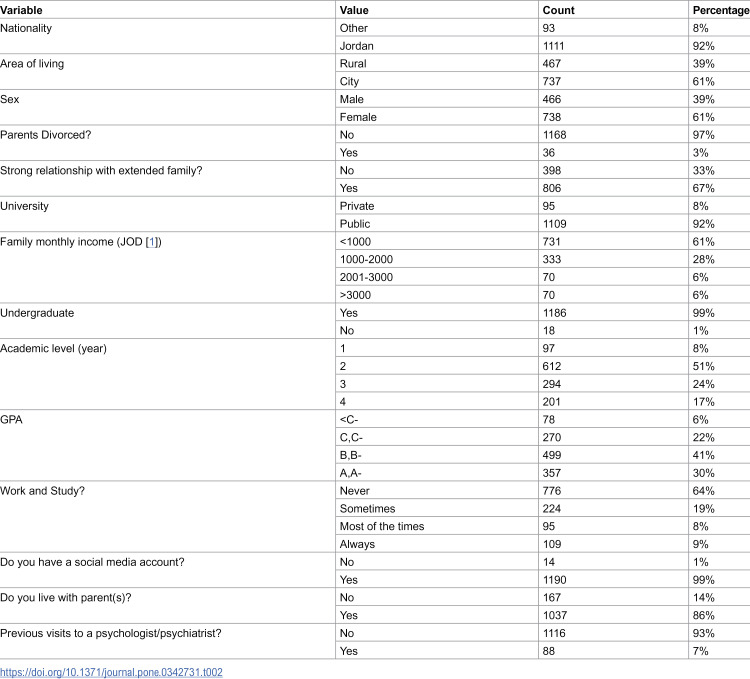 Figure 50
Peer Reviews
No public reviews on file for this paper yet. If you reviewed it on a platform where reviews are public (OpenReview, ICLR, NeurIPS, ICML), you can paste yours below so the community can read it here.
Videos
No videos yet. Explain this paper in a talk, walkthrough, or lecture? Add one.
Taxonomy
TopicsImpact of Technology on Adolescents · Behavioral Health and Interventions · Perfectionism, Procrastination, Anxiety Studies