Integrated network pharmacology and comprehensive bioinformatics analysis to identify the mechanisms and molecular targets of ketamine in ischemic stroke–depression comorbidity
Yunfei Shu, Yinhao Guo, Suihan Xu, Hongxia He, Biao Zeng, Zhenyu Yang, Wei Gao, Jun Li

TL;DR
This study explores how ketamine might work in treating depression after stroke by combining network pharmacology and bioinformatics to identify key genes and pathways.
Contribution
The study introduces an integrative network pharmacology framework to uncover novel molecular targets of ketamine in ischemic stroke–depression comorbidity.
Findings
42 intersecting genes were identified, enriched in lipid metabolism and immune pathways.
IL1RN and DDIT3 were highlighted as central genes linked to immune and neurotrophin signaling.
Molecular docking suggested ketamine may bind to IL1RN and DDIT3 proteins.
Abstract
Comorbid depression following ischemic stroke is a debilitating condition with complex pathophysiology. Although ketamine demonstrates rapid antidepressant effects, its molecular mechanisms in the context of this comorbidity are poorly understood. We employed a network pharmacology approach to hypothesize potential molecular targets and pathways of ketamine relevant to both ischemic stroke and depression. Differentially expressed genes for ischemic stroke and major depressive disorder were identified from public Gene Expression Omnibus datasets. A broad set of potential ketamine-associated genes was compiled from the SwissTargetPrediction, Comparative Toxicogenomics Database, and GeneCards databases. The intersection of these gene sets was analyzed via Gene Ontology and Kyoto Encyclopedia of Genes and Genomes enrichment analyses. A protein–protein interaction network was constructed,…
Genes, proteins, chemicals, diseases, species, mutations and cell lines named across the full text — each resolved to its canonical identifier and authoritative record.
Click any figure to enlarge with its caption.
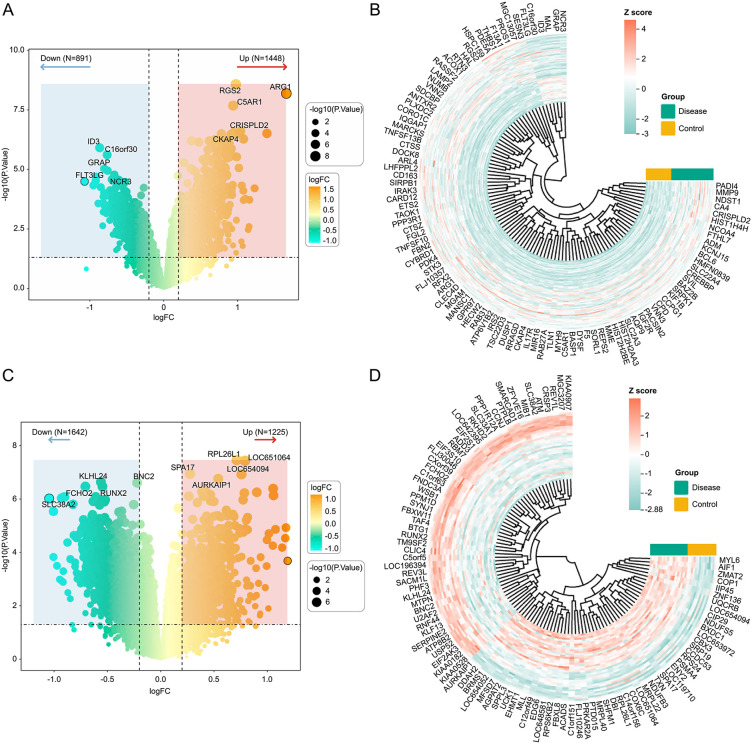 Figure 1
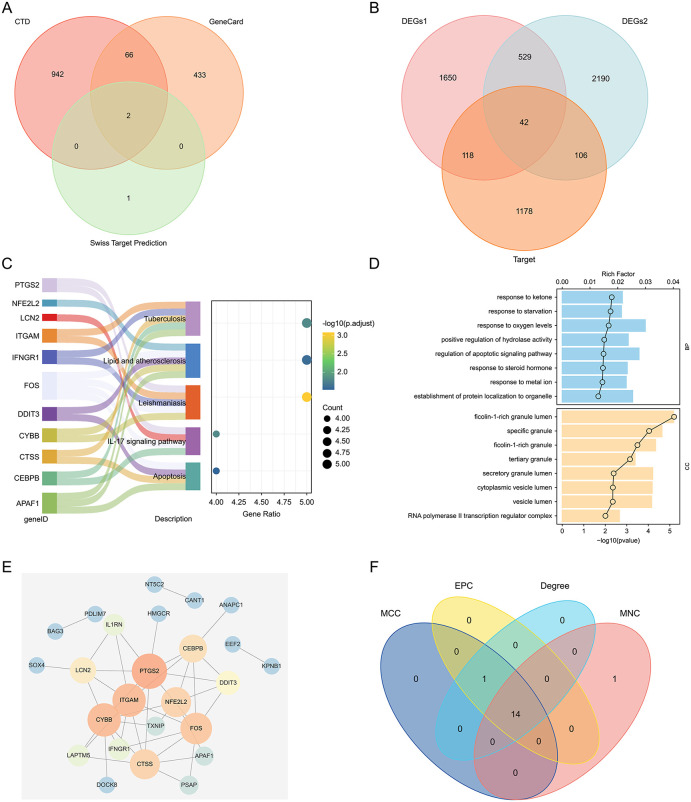 Figure 2
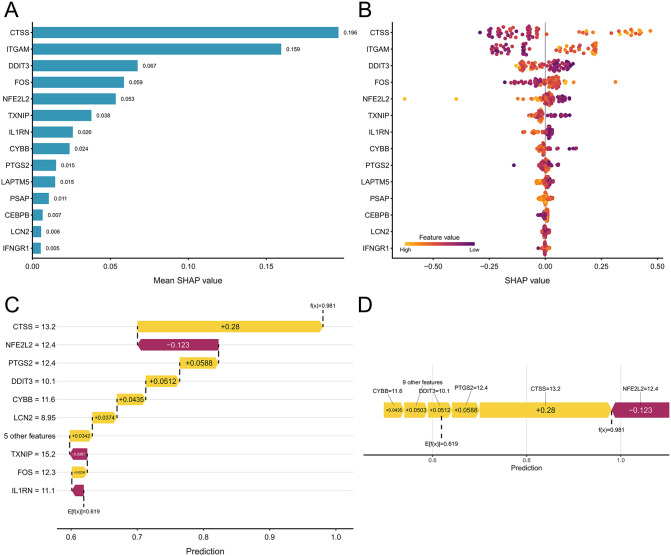 Figure 3
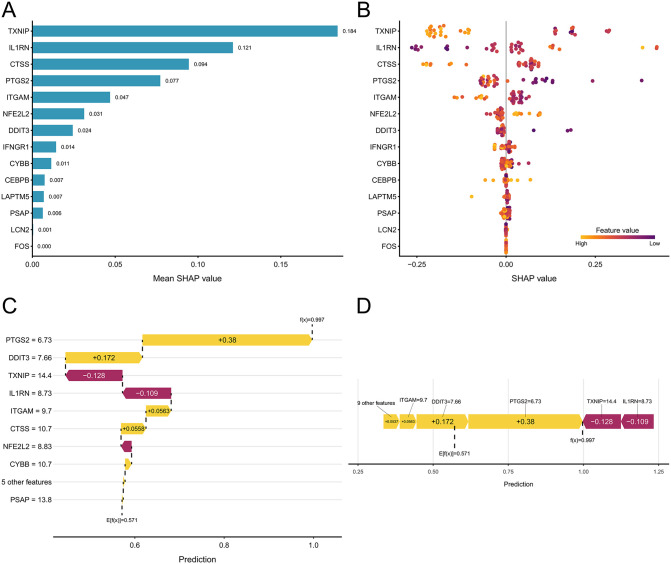 Figure 4
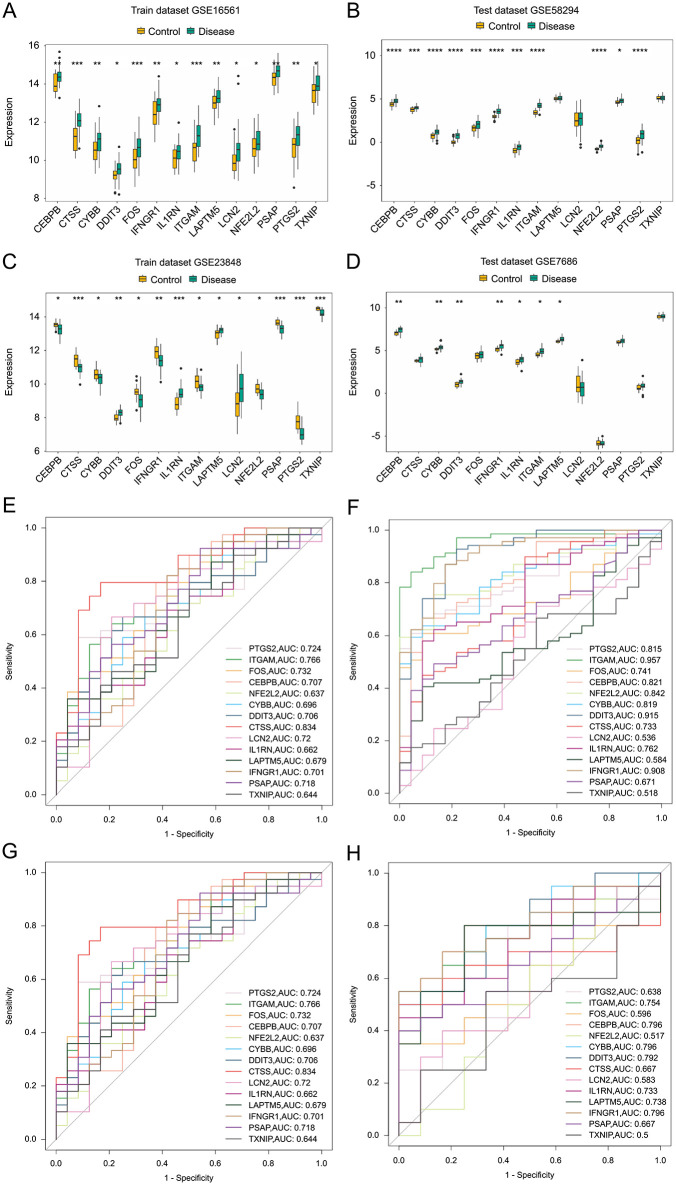 Figure 5
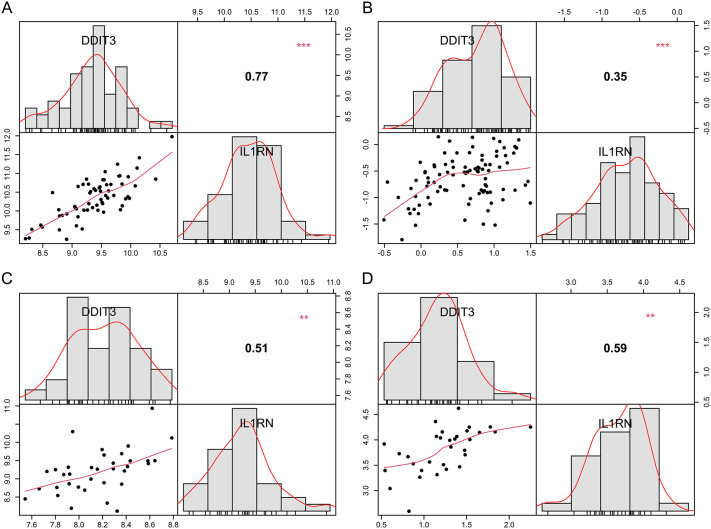 Figure 6
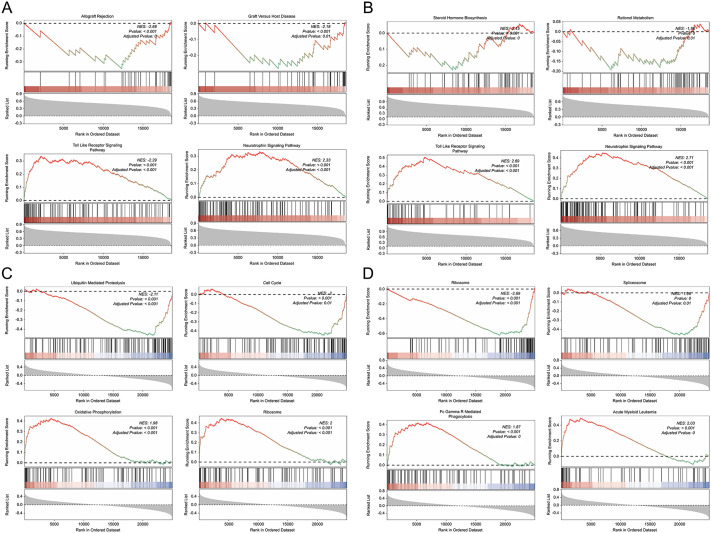 Figure 7
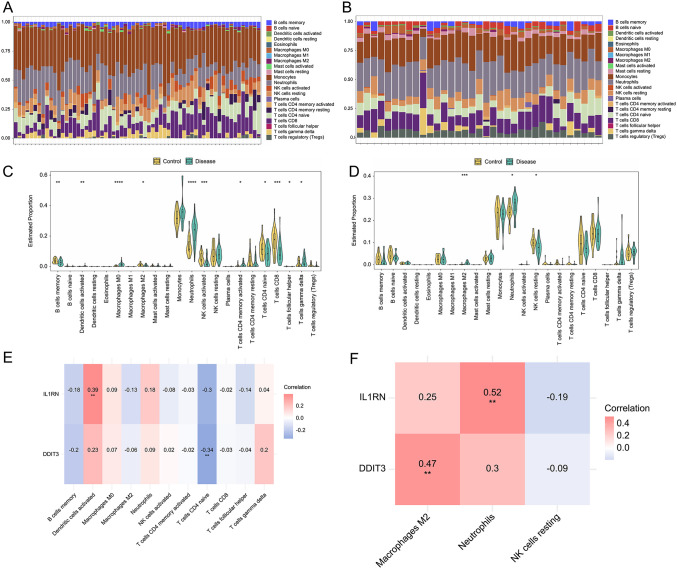 Figure 8
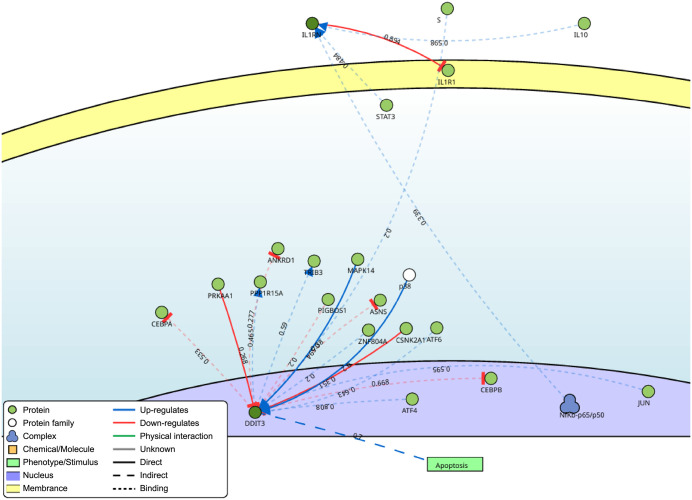 Figure 9
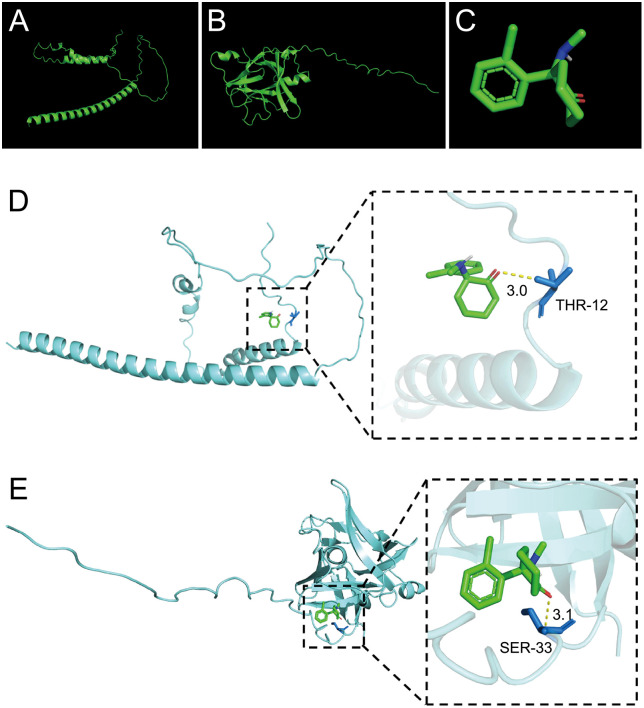 Figure 10
 Figure 11
 Figure 12
Peer Reviews
No public reviews on file for this paper yet. If you reviewed it on a platform where reviews are public (OpenReview, ICLR, NeurIPS, ICML), you can paste yours below so the community can read it here.
Videos
No videos yet. Explain this paper in a talk, walkthrough, or lecture? Add one.
Taxonomy
TopicsTryptophan and brain disorders · Treatment of Major Depression · Neuroinflammation and Neurodegeneration Mechanisms