Noise and neglect: Social-media signals expose attention gaps for dengue, chikungunya, lymphatic filariasis and kala-azar in India’s vector-borne NTDs
Ruchishree Konhar, James K. Lalsanga, Devendra Kumar Biswal, Shih Keng Loong, Shih Keng Loong, Shih Keng Loong, Shih Keng Loong

TL;DR
The study shows that public attention on social media for certain tropical diseases in India doesn't match their health impact, suggesting a need for better communication strategies.
Contribution
A novel digital surveillance approach combining sentiment analysis and topic modeling to assess public attention gaps for neglected tropical diseases in India.
Findings
Dengue received over half of online mentions despite other diseases having higher epidemiological burdens.
Kala-azar had minimal online visibility despite being endemic.
Public sentiment was neutral-to-positive, focusing on prevention, treatment, and vaccine news.
Abstract
Neglected tropical and vector-borne diseases, including dengue, chikungunya, lymphatic filariasis, and kala-azar, pose substantial public health burdens in India. Despite WHO recommendations for enhanced disease surveillance and targeted communication strategies, little is known about public perceptions and discussions of these diseases across digital platforms. Understanding these perceptions can guide evidence-based policy making and public health messaging. We conducted an in silico analysis of publicly accessible social and news media data related to dengue, chikungunya, filariasis, and kala-azar in India from January 2019 to December 2023. YouTube comments and Google News headlines were systematically retrieved, pre-processed, and analysed through sentiment analysis (VADER lexicon) and Latent Dirichlet Allocation (LDA) topic modelling. Facebook and Twitter data were not included…
Genes, proteins, chemicals, diseases, species, mutations and cell lines named across the full text — each resolved to its canonical identifier and authoritative record.
Click any figure to enlarge with its caption.
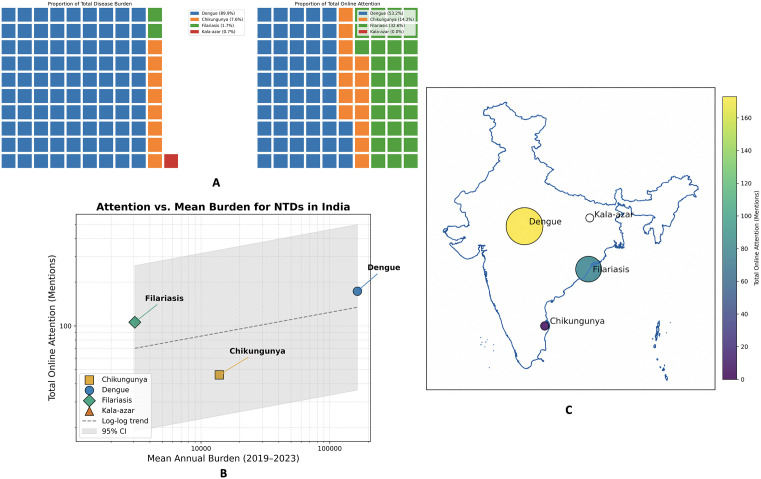 Figure 1
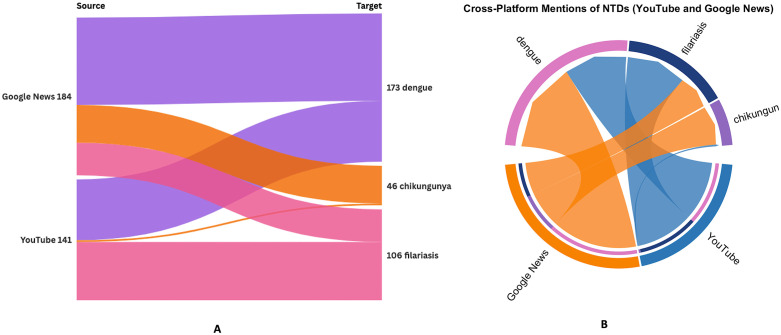 Figure 2
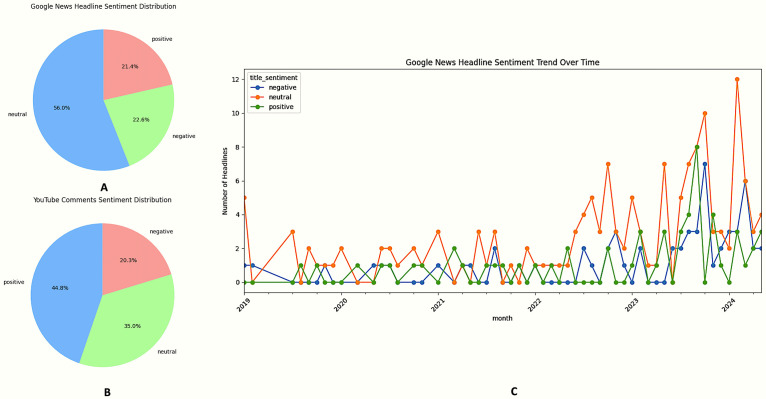 Figure 3
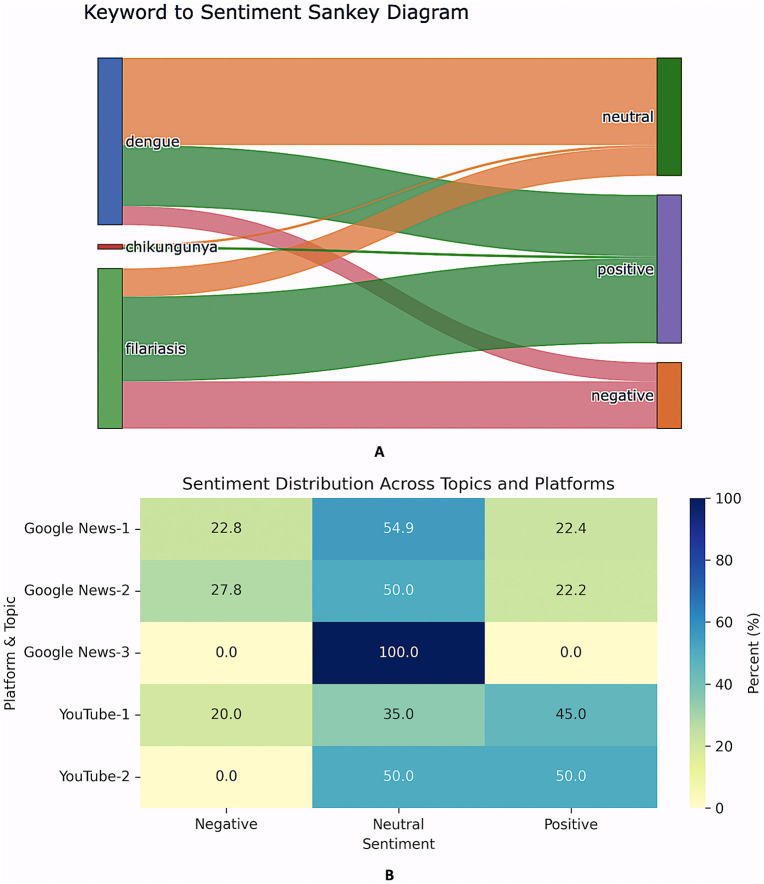 Figure 4
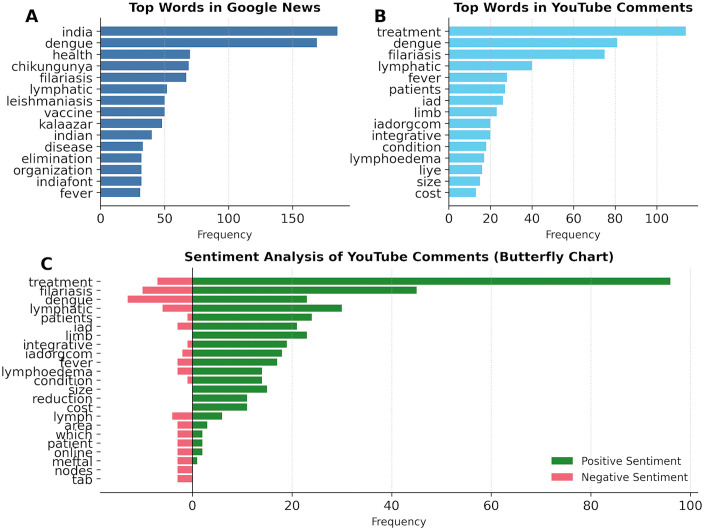 Figure 5
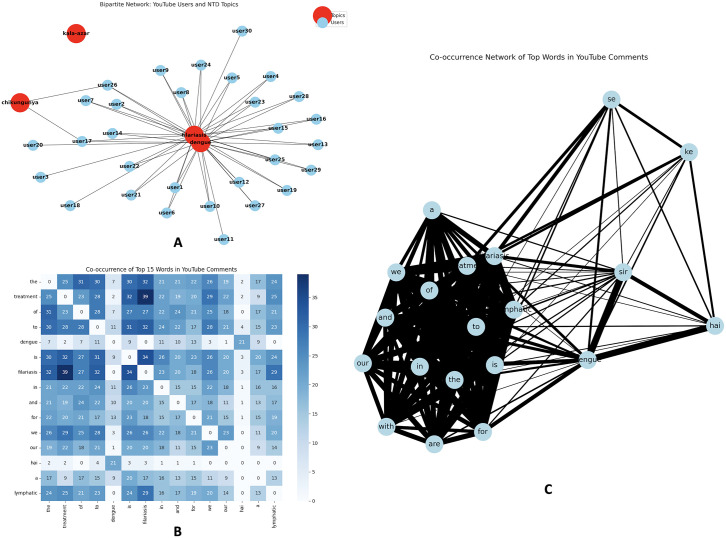 Figure 6
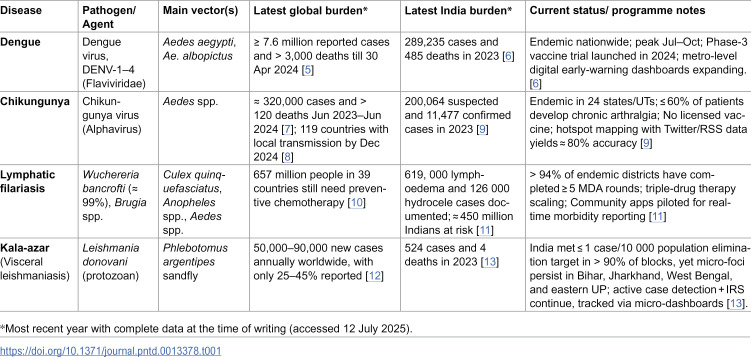 Figure 7
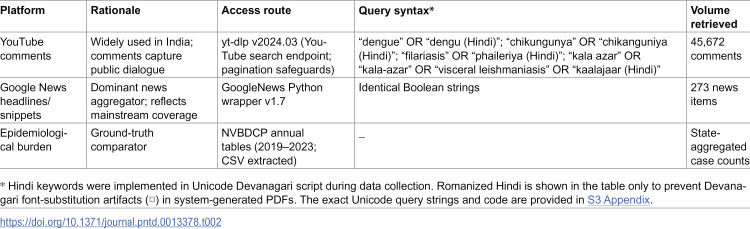 Figure 8
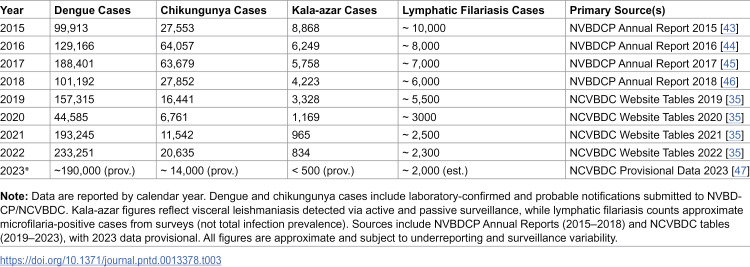 Figure 9
 Figure 10
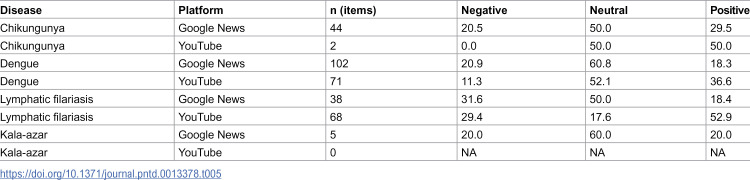 Figure 11
Peer Reviews
No public reviews on file for this paper yet. If you reviewed it on a platform where reviews are public (OpenReview, ICLR, NeurIPS, ICML), you can paste yours below so the community can read it here.
Videos
No videos yet. Explain this paper in a talk, walkthrough, or lecture? Add one.
Taxonomy
TopicsData-Driven Disease Surveillance · Misinformation and Its Impacts · Computational and Text Analysis Methods