CBCT-based volumetric assessment of the maxillary sinus in temporomandibular disorder: Integration of morphometric analysis and classical machine learning classification
Çağatay Bölgen, Sema Polat, Mahmut Tunç, Hazal Duyan Yüksel, Mahmut Öksüzler, Önder Çoban, Önder Yentar, Esin Özşahin, Pınar Göker

TL;DR
This study uses CBCT scans and machine learning to find that people with temporomandibular disorders have smaller maxillary sinuses compared to those without the disorder.
Contribution
The integration of morphometric analysis and classical machine learning to assess maxillary sinus characteristics in TMD patients is novel.
Findings
Maxillary sinus volume and surface area were significantly smaller in the TMD group compared to controls.
Logistic Regression was the most successful machine learning classifier for predicting TMD status.
Including gender as a feature improved machine learning model performance.
Abstract
This study aims to determine the maxillary sinus volume and surface area values and their relationship in individuals with and without temporomandibular disorders (TMDs) using Cone-Beam Computed Tomography and Machine Learning. This retrospective study was performed on 127 subjects, 66 in the control group (41 females, 25 males; mean age 28.35 ± 9.9years) and 61 in the TMD group (54 females, 7 males; mean age 35 ± 12.6years) using dento-maxillo-facial CBCT images. Images were acquired as DICOM files and imported into 3D Slicer (version 5.6.2). The volume and surface area of the maxillary sinus were automatically calculated by the 3D Slicer programme. In addition, automatic prediction was performed using classical machine learning techniques on the dataset obtained in the study. Maxillary sinus volume was 30.85 ± 10.14 cm3 in the control group and 26.97 ± 10.33 cm3 in the TMD group.…
Genes, proteins, chemicals, diseases, species, mutations and cell lines named across the full text — each resolved to its canonical identifier and authoritative record.
Click any figure to enlarge with its caption.
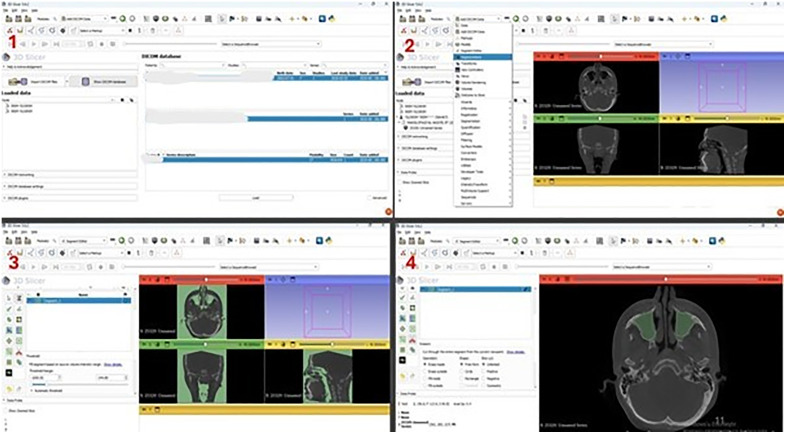 Figure 1
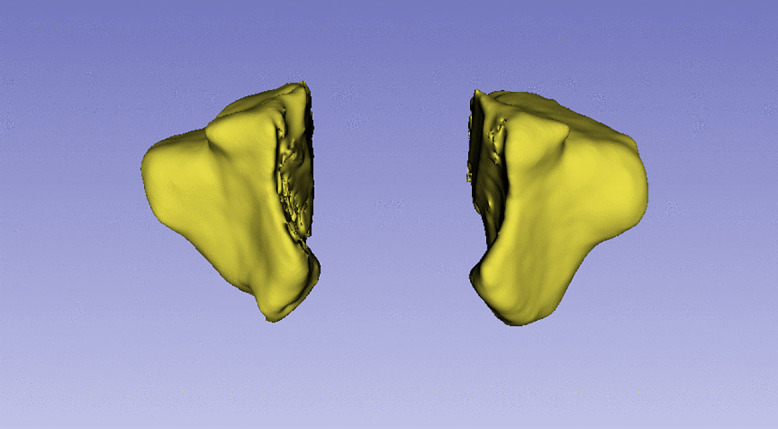 Figure 2
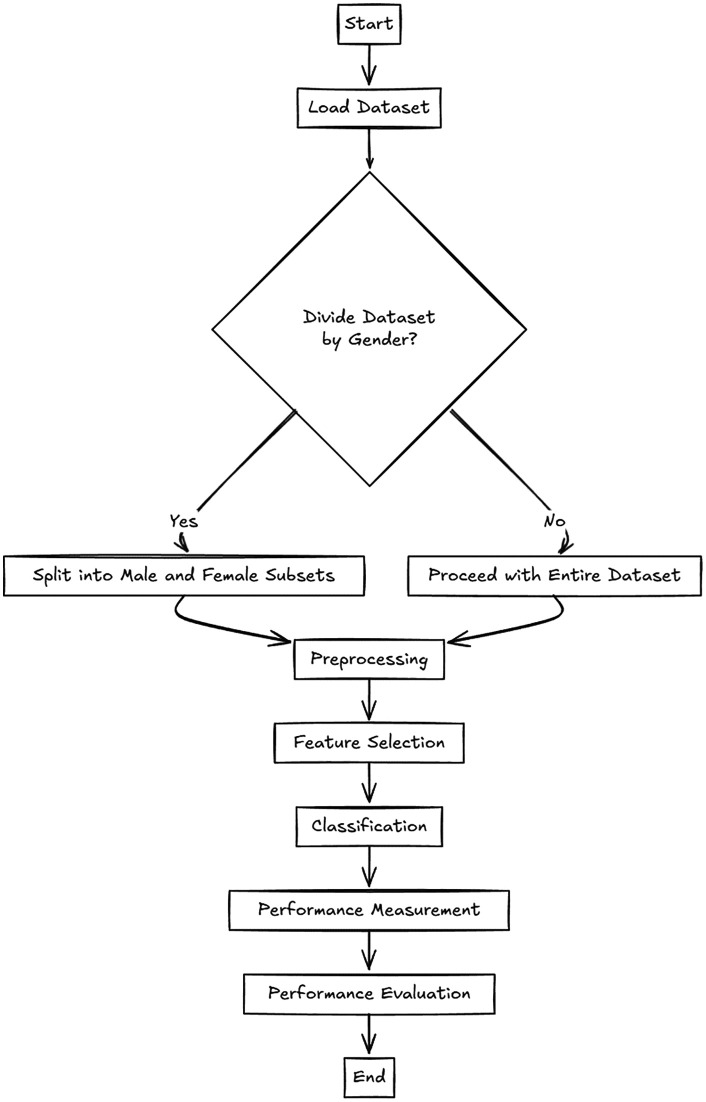 Figure 3
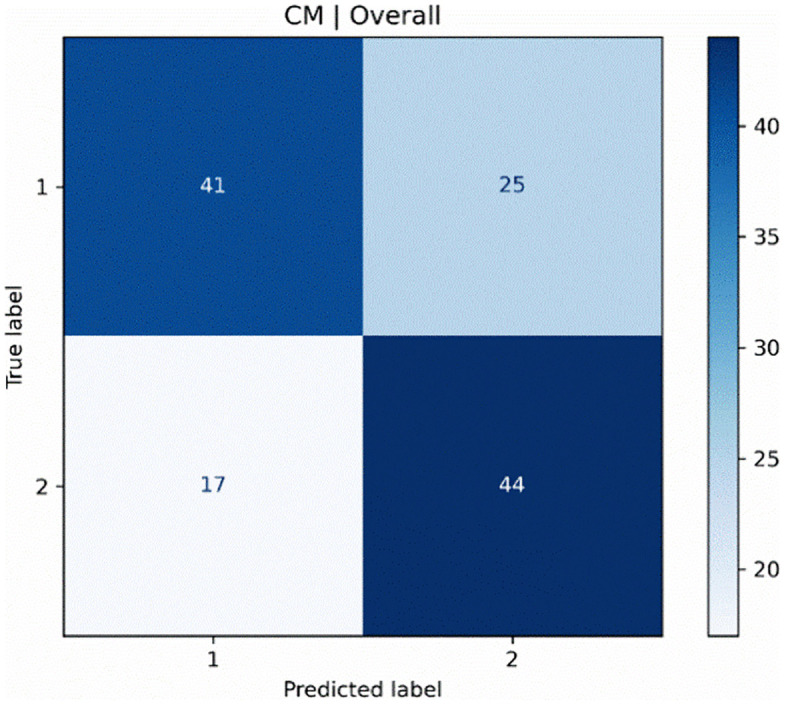 Figure 4
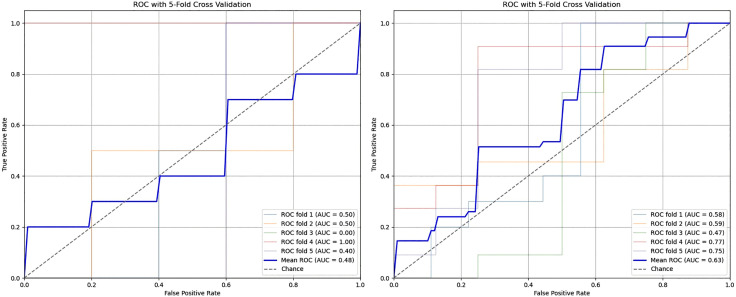 Figure 5
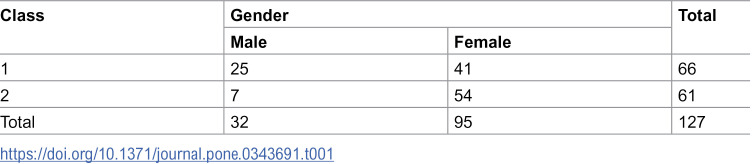 Figure 6
 Figure 7
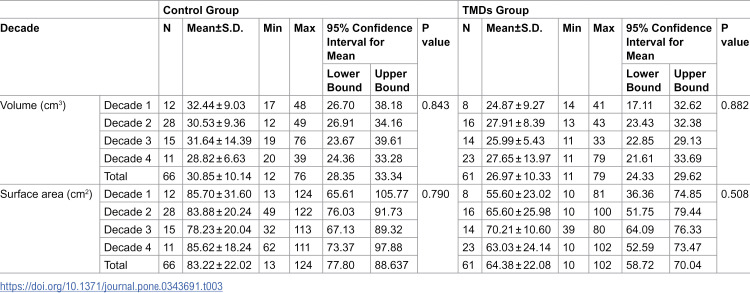 Figure 8
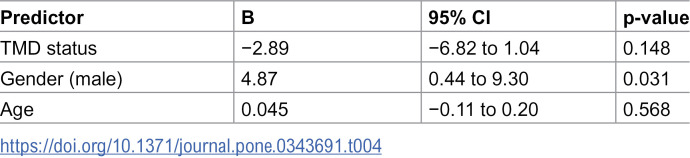 Figure 9
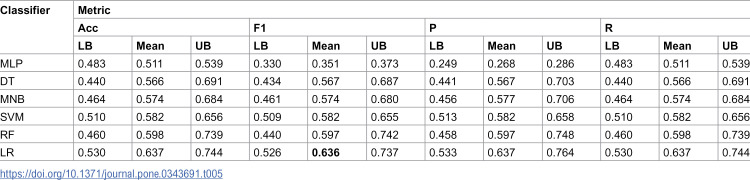 Figure 10
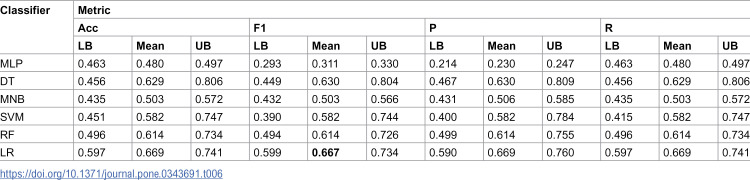 Figure 11
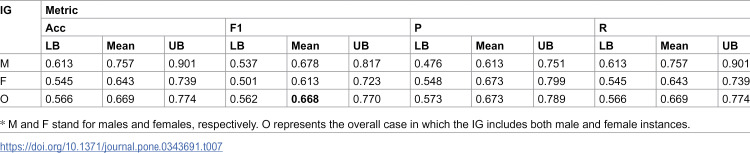 Figure 12
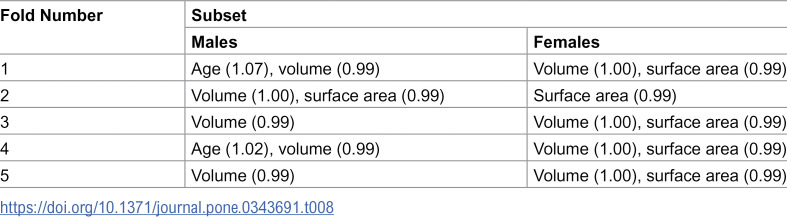 Figure 13
 Figure 14
Peer Reviews
No public reviews on file for this paper yet. If you reviewed it on a platform where reviews are public (OpenReview, ICLR, NeurIPS, ICML), you can paste yours below so the community can read it here.
Videos
No videos yet. Explain this paper in a talk, walkthrough, or lecture? Add one.
Taxonomy
TopicsTemporomandibular Joint Disorders · Orthodontics and Dentofacial Orthopedics · Sinusitis and nasal conditions