Artificial Intelligence for Predicting Treatment Response in Patients With Anxiety Disorders After Cognitive Behavioral Therapy: Systematic Review and Meta-Analysis
Jiawen Liu, Junhui Wang, Zhaobin Wu, Mohamad Ibrani Shahrimin Bin Adam Assim

TL;DR
This study reviews and quantifies how well artificial intelligence models can predict which anxiety patients will respond to cognitive behavioral therapy, finding moderate accuracy and highlighting the benefits of using multimodal data.
Contribution
The study provides a meta-analysis of AI models for predicting CBT response in anxiety disorders, establishing a benchmark and identifying multimodal data's superior predictive utility.
Findings
AI models have moderate predictive accuracy (74%) in predicting CBT response for anxiety disorders.
Multimodal data models show higher performance, with 84% sensitivity and 82% accuracy.
Social anxiety disorder is the most predictable subtype among anxiety disorders.
Abstract
Artificial intelligence (AI) models have been increasingly explored for predicting treatment response to cognitive behavioral therapy (CBT) in patients with anxiety disorders. Identifying potential responders in advance may help inform treatment planning and support clinical decision-making. Although a growing number of studies have applied AI techniques in this context, reported performance estimates vary across studies, and the overall predictive accuracy has not been comprehensively quantified. This systematic review and meta-analysis aims to quantify the overall performance of AI models in predicting treatment response following CBT for anxiety disorders and to examine how data sources, algorithmic approaches, and diagnostic subtypes influence predictive performance. A systematic literature search was conducted in PubMed, Embase, Web of Science, Cochrane Library, and PsycINFO up…
Genes, proteins, chemicals, diseases, species, mutations and cell lines named across the full text — each resolved to its canonical identifier and authoritative record.
Click any figure to enlarge with its caption.
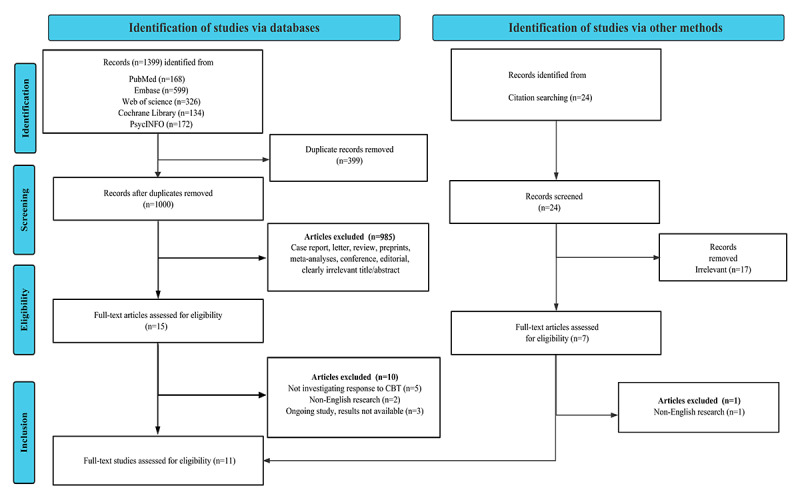 Figure 1
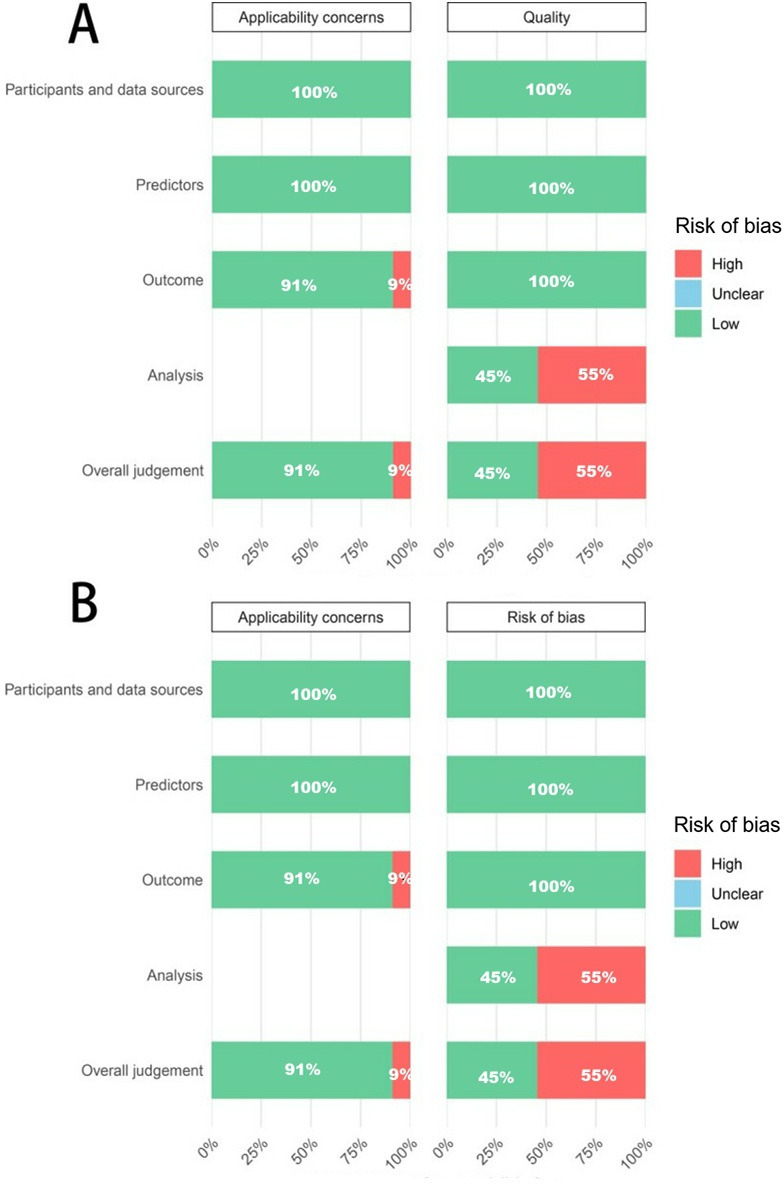 Figure 2
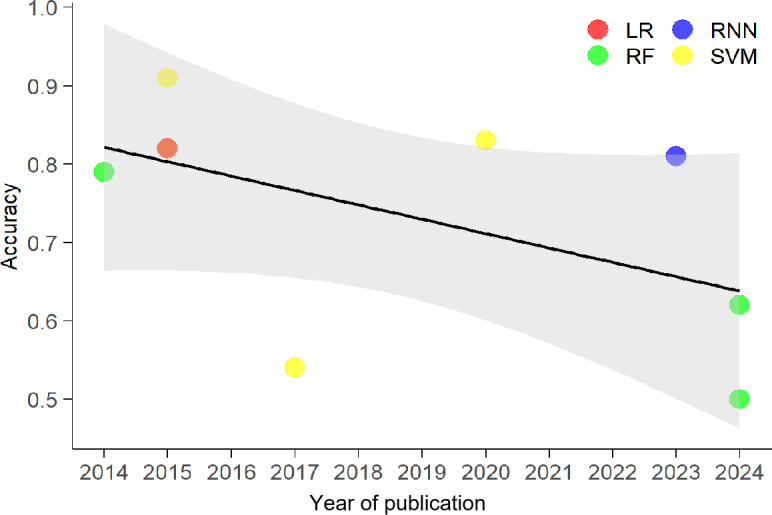 Figure 3
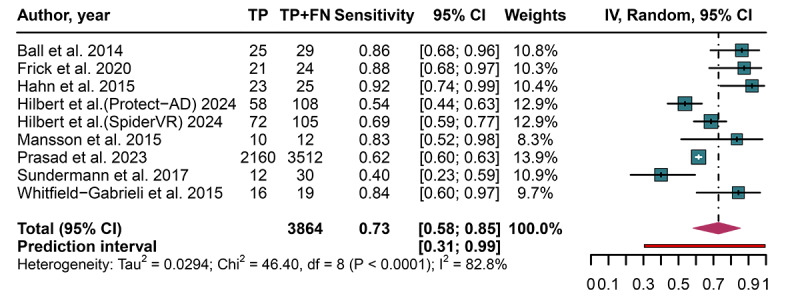 Figure 4
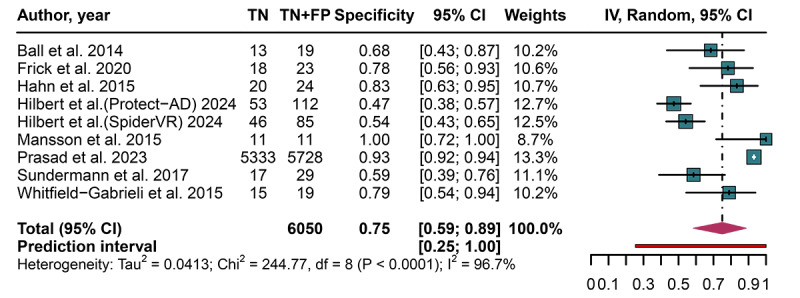 Figure 5
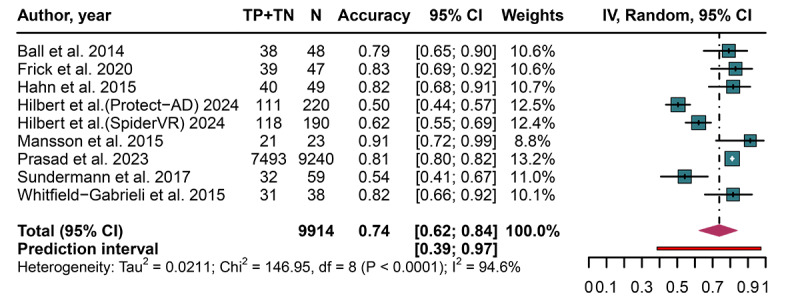 Figure 6
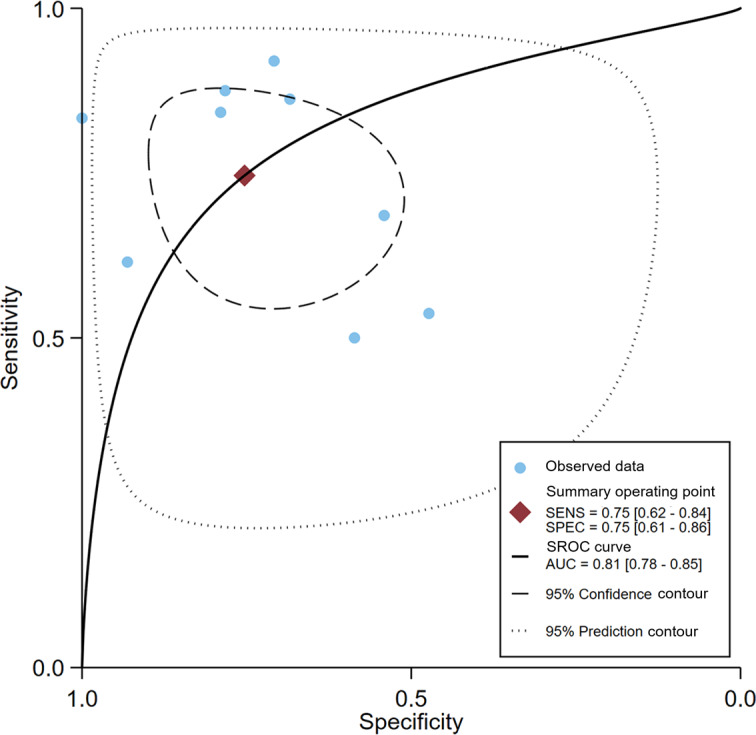 Figure 7
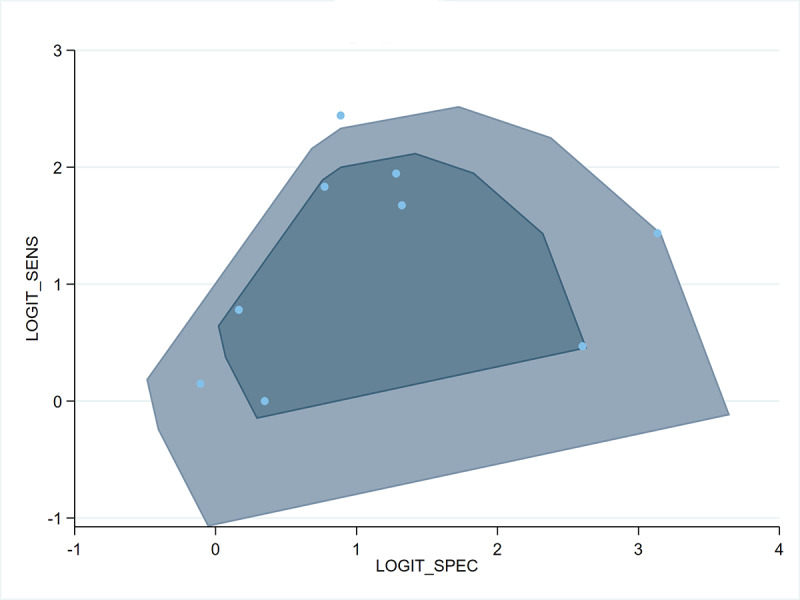 Figure 8
Peer Reviews
No public reviews on file for this paper yet. If you reviewed it on a platform where reviews are public (OpenReview, ICLR, NeurIPS, ICML), you can paste yours below so the community can read it here.
Videos
No videos yet. Explain this paper in a talk, walkthrough, or lecture? Add one.
Taxonomy
TopicsDigital Mental Health Interventions · Mental Health via Writing · Anxiety, Depression, Psychometrics, Treatment, Cognitive Processes