A low-cost color sensor device for rapid detection of high-grade serous ovarian carcinoma (HGSOC)
Faisal Iqbal

TL;DR
This paper introduces Ercose, a low-cost color sensor device for detecting high-grade serous ovarian carcinoma by identifying color changes from nucleic acid amplification reactions.
Contribution
The novel contribution is a cost-effective and user-friendly color sensor device that enables rapid detection of HGSOC without compromising accuracy.
Findings
The Ercose device uses a colorimetric method to detect inorganic phosphate from nucleic acid amplification, resulting in a green color change.
The device is simple, quick, and suitable for real-world applications where traditional spectrophotometers are impractical.
Arduino Nano microcontroller and RGB LEDs enable accurate color detection and data transmission to a GUI.
Abstract
A sensitive nucleic acid detection approach based on tracing the inorganic phosphate (Pi) created during amplification by means of the colorimetric method has been presented. This method relies on nucleic acid amplification. Pyrophosphate (PPi), a result of the nucleic acid polymerization reaction, was hydrolyzed into inorganic phosphate (Pi) by the addition of inorganic pyrophosphatase. To create the phosphomolybdate precipitate, the obtained Pi could react with acid molybdate. The color of amplified sample was changed into green. Using high grade serous ovarian carcinoma (HGSOC) as an example, this tactic’s usefulness was proven. Here, describe the Ercose (Eraser + Color Sensor) device proof-of-concept, which uses a straightforward strategy without sacrificing the accuracy of the outcomes. Ercose is a simple, quick, weightless and inexpensive. A low-cost, user-friendly color sensor is…
Genes, proteins, chemicals, diseases, species, mutations and cell lines named across the full text — each resolved to its canonical identifier and authoritative record.
Click any figure to enlarge with its caption.
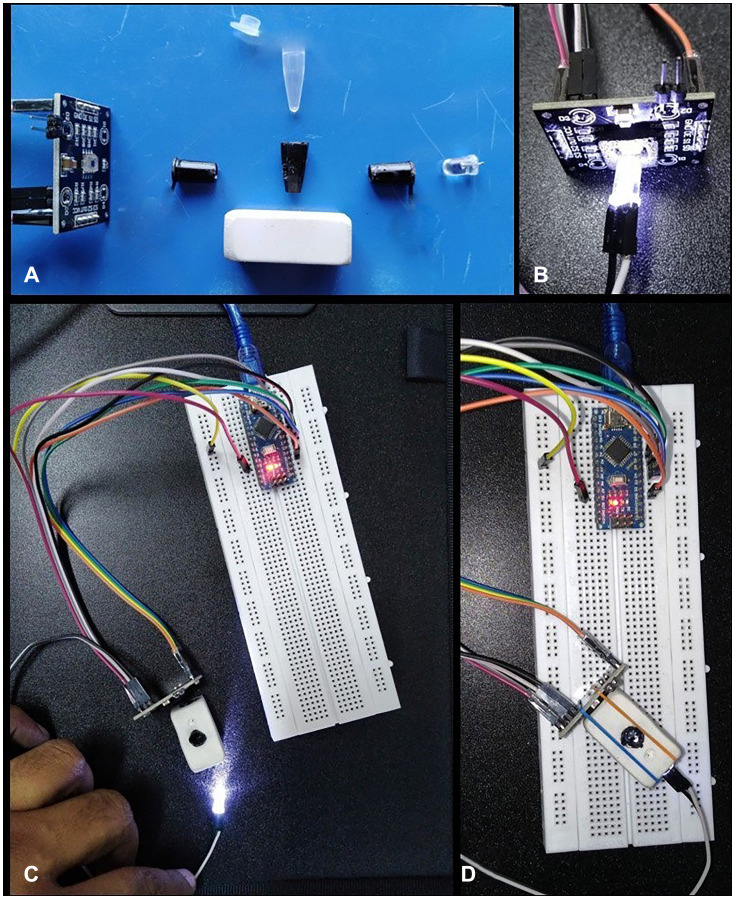 Figure 1
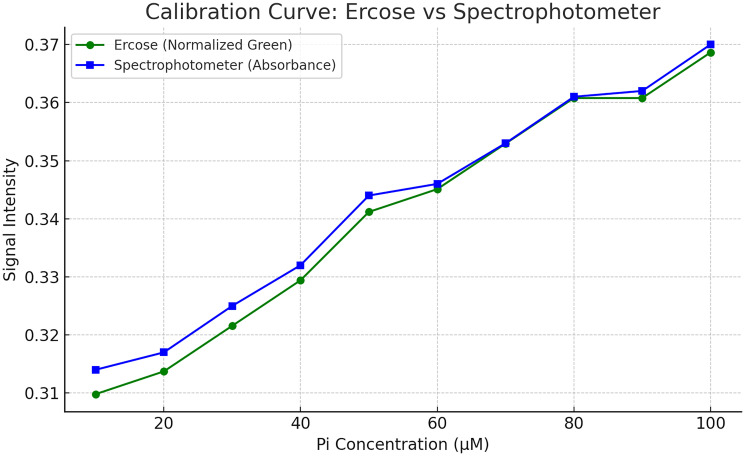 Figure 2
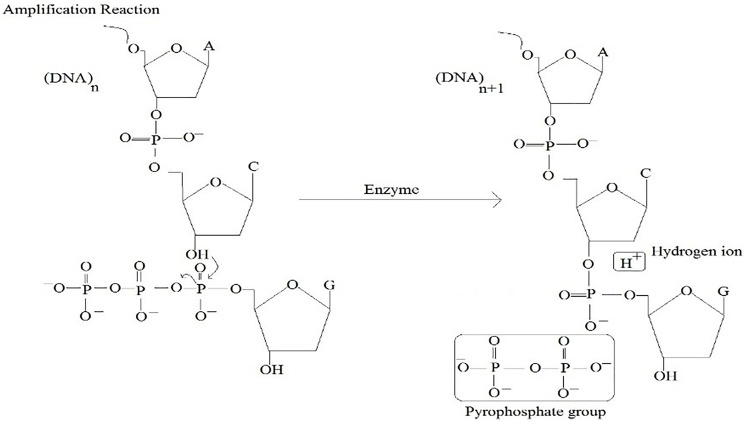 Figure 3
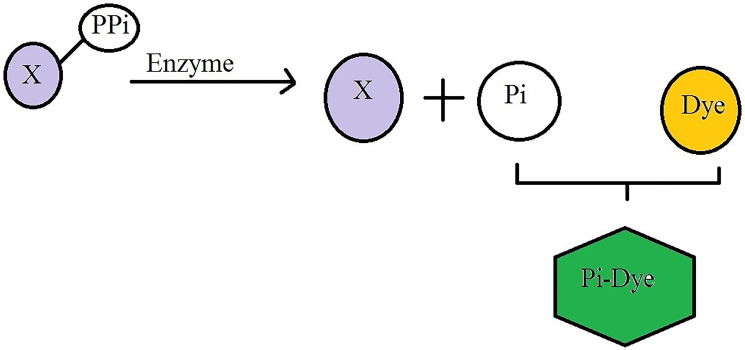 Figure 4
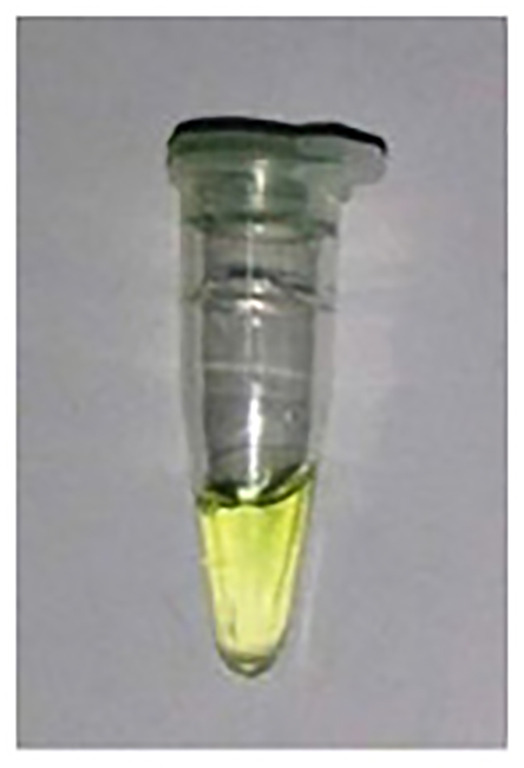 Figure 5
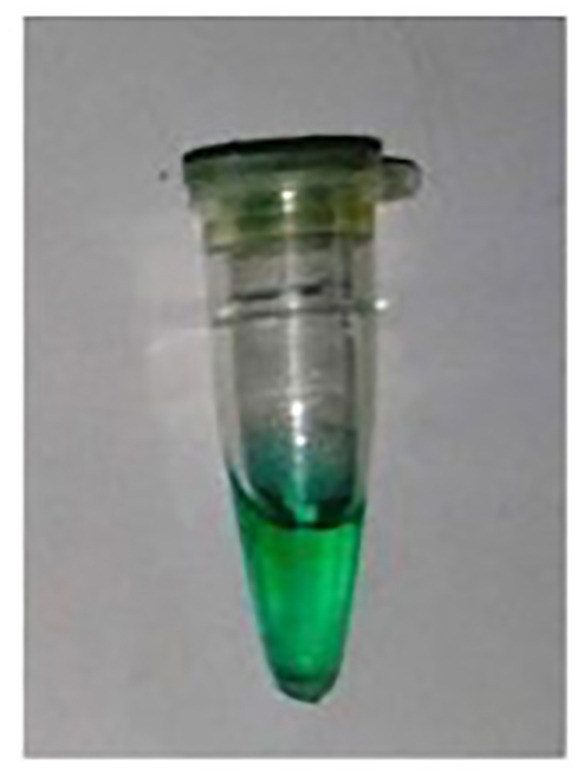 Figure 6
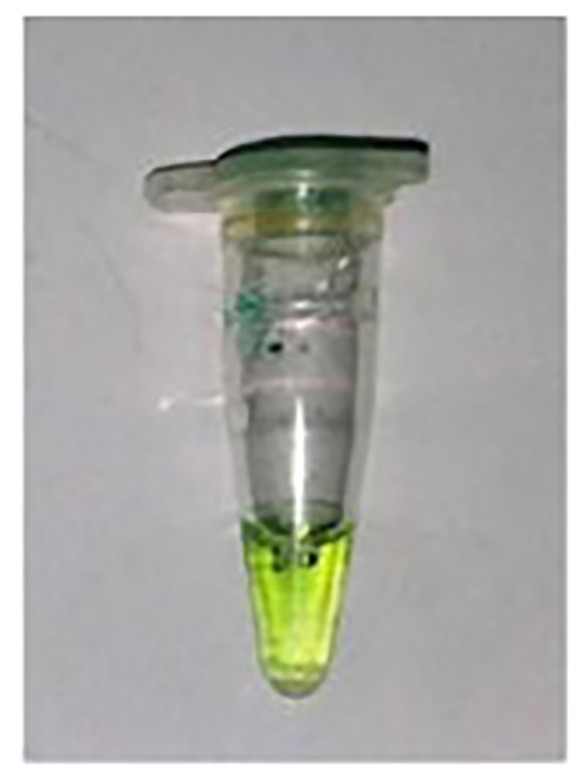 Figure 7
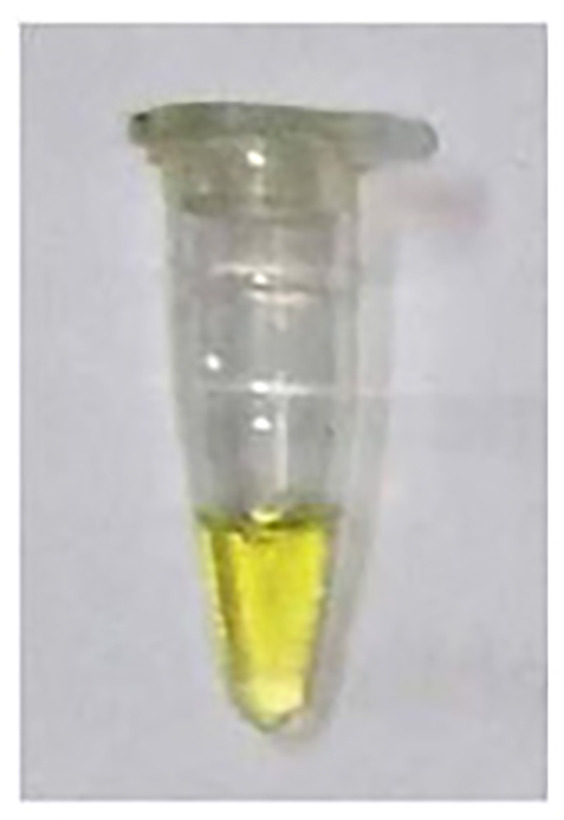 Figure 8
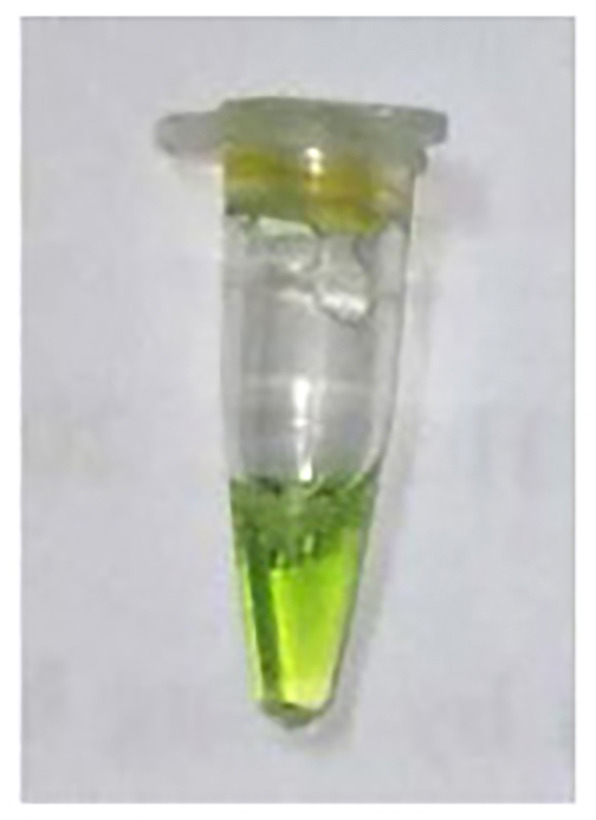 Figure 9
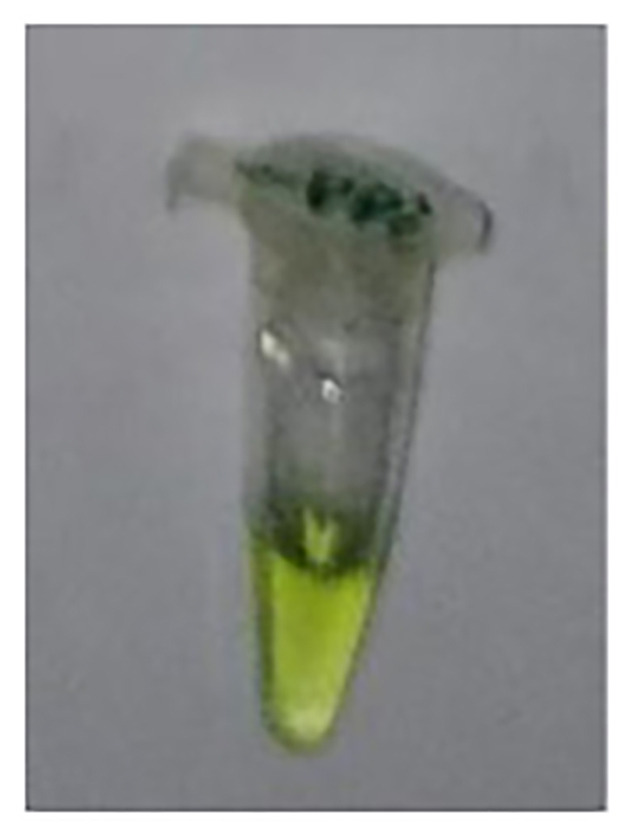 Figure 10
Peer Reviews
No public reviews on file for this paper yet. If you reviewed it on a platform where reviews are public (OpenReview, ICLR, NeurIPS, ICML), you can paste yours below so the community can read it here.
Videos
No videos yet. Explain this paper in a talk, walkthrough, or lecture? Add one.
Taxonomy
TopicsInfrared Thermography in Medicine · CCD and CMOS Imaging Sensors · Biosensors and Analytical Detection