Warthin’s Tumor: A Diagnostic Challenge as a Metastatic Mimicker on Post-I-131 Therapy Scan
Fatma M Al Hajri, Naima Al Bulushi, Zakiya Al-Ajmi, Zamzam Al Bimani

TL;DR
A rare case shows how Warthin’s tumor can mimic thyroid cancer metastasis on I-131 scans, leading to potential misdiagnosis.
Contribution
This case highlights the diagnostic challenge of false-positive I-131 uptake in non-thyroidal lesions.
Findings
Warthin’s tumor showed I-131 uptake, mimicking metastatic thyroid cancer on post-therapy scans.
False-positive iodine uptake can lead to incorrect staging and unnecessary interventions in thyroid cancer follow-up.
Abstract
We present a rare case with an incidental finding of Warthin’s tumour demonstrating I-131 uptake on a post-therapy whole-body scan in a patient treated for thyroid cancer with total thyroidectomy. The unexpected radioiodine concentration in the parotid region raised initial concern for metastatic disease, illustrating how non-thyroidal lesions can mimic pathological findings in post-ablative imaging. This case highlights a well-recognised diagnostic challenge in nuclear medicine: false-positive I-131 uptake. Differentiating benign radioiodine-avid lesions from true metastases is critical to prevent incorrect staging, unnecessary interventions, and inappropriate management decisions in thyroid cancer follow-up.
Genes, proteins, chemicals, diseases, species, mutations and cell lines named across the full text — each resolved to its canonical identifier and authoritative record.
Click any figure to enlarge with its caption.
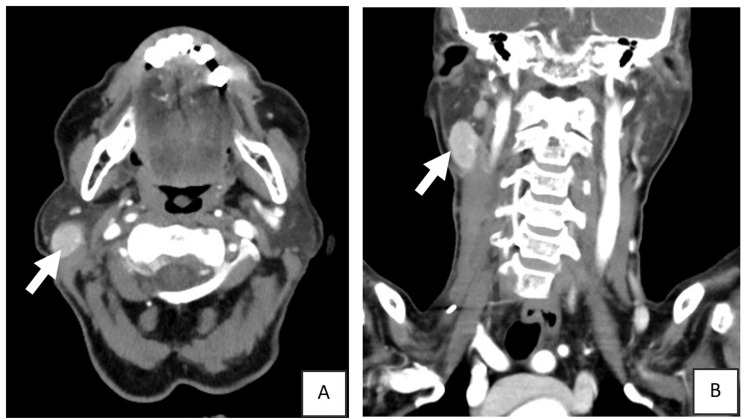 Figure 1
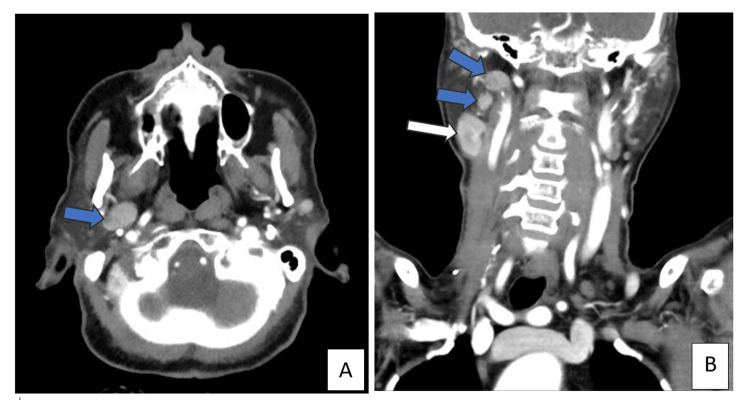 Figure 2
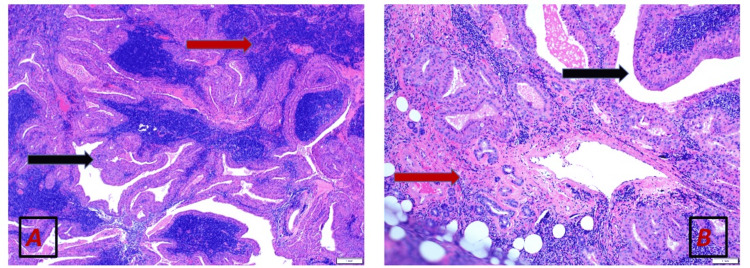 Figure 3
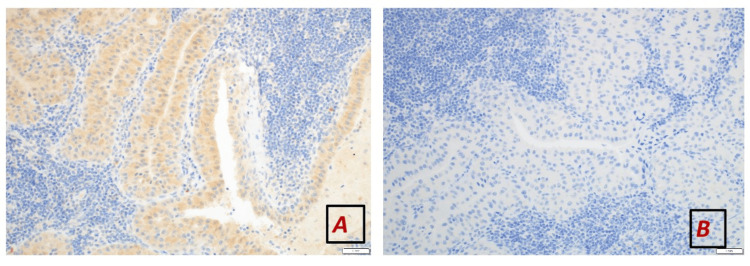 Figure 4
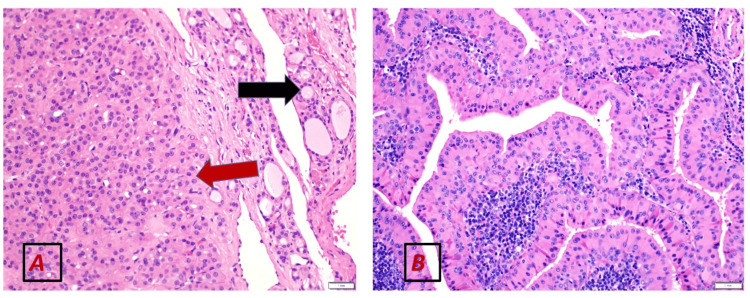 Figure 5
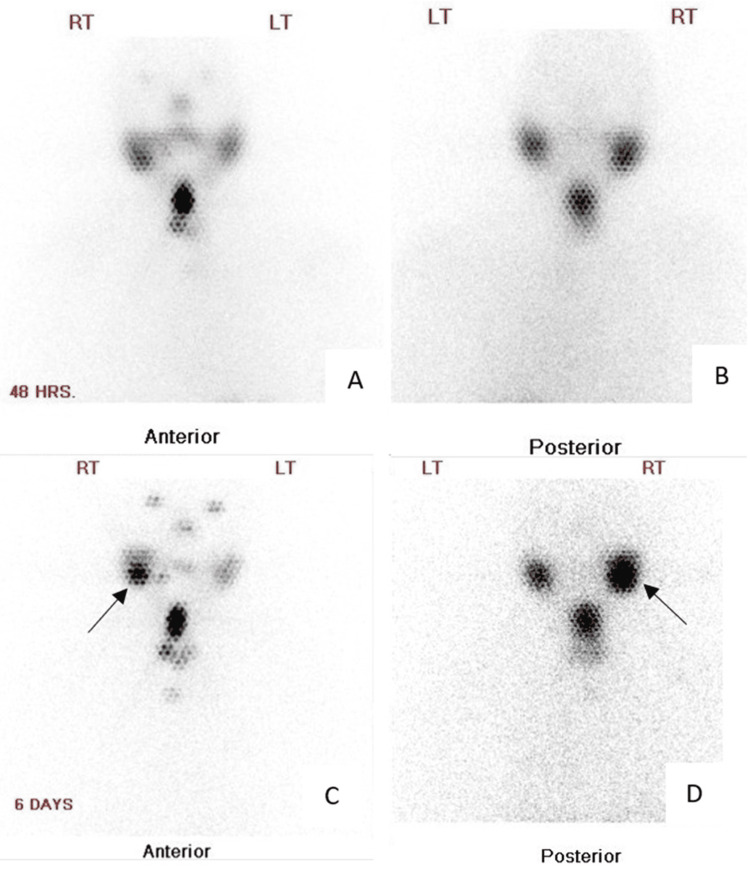 Figure 6
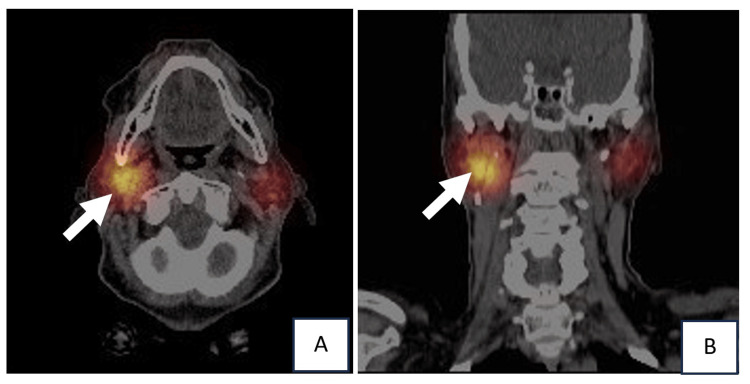 Figure 7
Peer Reviews
No public reviews on file for this paper yet. If you reviewed it on a platform where reviews are public (OpenReview, ICLR, NeurIPS, ICML), you can paste yours below so the community can read it here.
Videos
No videos yet. Explain this paper in a talk, walkthrough, or lecture? Add one.
Taxonomy
TopicsThyroid Cancer Diagnosis and Treatment · Salivary Gland Tumors Diagnosis and Treatment · Meningioma and schwannoma management