Perspectives on How Sociology Can Advance Theorizing About Human-Chatbot Interaction and Developing Chatbots for Social Good
Celeste Campos-Castillo, Xuan Kang, Linnea I Laestadius

TL;DR
This paper explores how sociology can improve understanding of human-chatbot interactions and guide the development of chatbots for social benefit.
Contribution
The paper introduces four sociological theories to enhance chatbot research and development with a focus on social equity and safety.
Findings
Resource substitution and power-dependence theories highlight how social structures influence chatbot use and emotional dependency.
Affect control and fundamental cause of disease theories offer frameworks for safer, equitable chatbot interventions.
Sociological insights can guide chatbots to address social and environmental challenges while supporting human agency.
Abstract
Recently, research into chatbots (also known as conversational agents, artificial intelligence agents, or voice assistants), which are computer applications using artificial intelligence to mimic human-like conversation, has grown sharply. Despite this growth, sociology lags behind other disciplines (including computer science, medicine, psychology, and communication) in publishing about chatbots. We suggest sociology can advance the understanding of human-chatbot interaction and offer 4 sociological theories to enhance extant work in this field. The first 2 theories (resource substitution theory and power-dependence theory) add new insights to existing models of the drivers of chatbot use, which overlook sociological concerns about how social structure (eg, systemic discrimination and the uneven distribution of resources within networks) inclines individuals to use chatbots, including…
Genes, proteins, chemicals, diseases, species, mutations and cell lines named across the full text — each resolved to its canonical identifier and authoritative record.
Click any figure to enlarge with its caption.
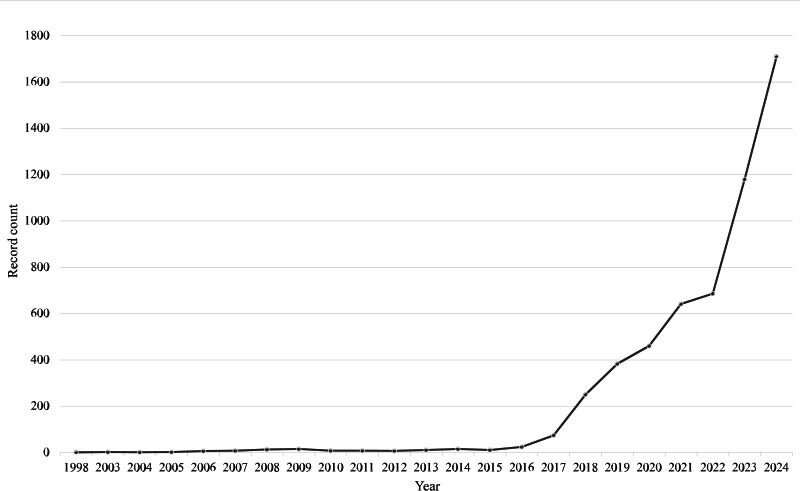 Figure 1
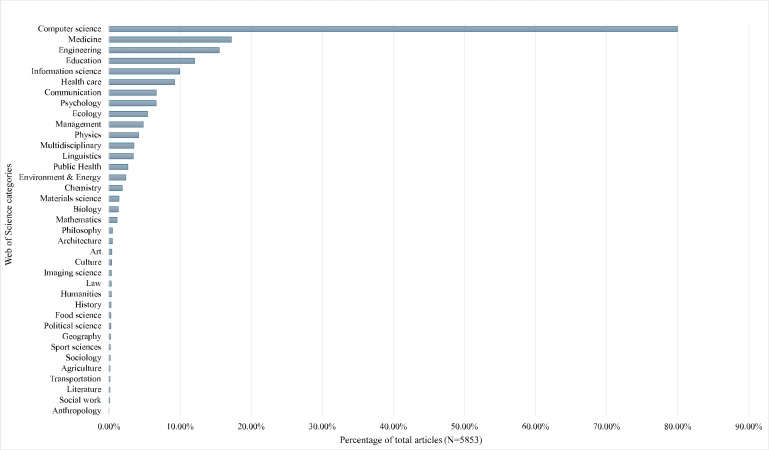 Figure 2
Peer Reviews
No public reviews on file for this paper yet. If you reviewed it on a platform where reviews are public (OpenReview, ICLR, NeurIPS, ICML), you can paste yours below so the community can read it here.
Videos
No videos yet. Explain this paper in a talk, walkthrough, or lecture? Add one.
Taxonomy
TopicsAI in Service Interactions · Digital Mental Health Interventions · Persona Design and Applications