DksA inhibitors against intracellular and persistent Salmonella are effective in acute models of infection
Ju-Sim Kim, Vijay Kumar, Lin Liu, Yu J. Choi, Simona Senovaityte, Bruce D. McCollister, Nathan Wlodarchak, David J. Orlicky, Peter J. Rice, Shaodong Dai, Michael F. Wempe, Andrés Vázquez-Torres

TL;DR
Researchers developed new antibiotics targeting the DksA protein in Salmonella, which effectively treat infections in mice.
Contribution
A new class of DksA inhibitors with antimicrobial activity against Gram-negative bacteria was identified.
Findings
N-(4-phenylbutyl)-1H-1,2,4-triazole-3-carboxamide protected mice from Salmonella infections.
The compound showed improved antimicrobial activity and inhibited DksA-regulated transcription.
It was absorbed in the gastrointestinal tract and distributed into viscera in rats.
Abstract
We are in dire need of antibiotics endowed with new mechanisms of action. The DksA protein regulates the transcription of genes involved in metabolism, translation, and virulence in Gram-negative bacteria. DksA is evolutionarily conserved among Gram-negative pathogens but is absent in humans. Here, we identified a conserved acidic pocket at the tip of the coiled-coil domain of DksA that is amenable for drug development. Our bioinformatics and experimental approaches identified N-(3,4-dimethoxyphenyl)-1H-1,2,4-triazole-3-carboxamide as a DksA inhibitor with moderate antimicrobial activity. Derivatization of the dimethoxyphenyl functionality and aliphatic linker of N-(3,4-dimethoxyphenyl)-1H-1,2,4-triazole-3-carboxamide generated several new chemical entities with excellent IC50 values against DksA-regulated in vitro transcription and improved antimicrobial activity against Salmonella and…
Genes, proteins, chemicals, diseases, species, mutations and cell lines named across the full text — each resolved to its canonical identifier and authoritative record.
Click any figure to enlarge with its caption.
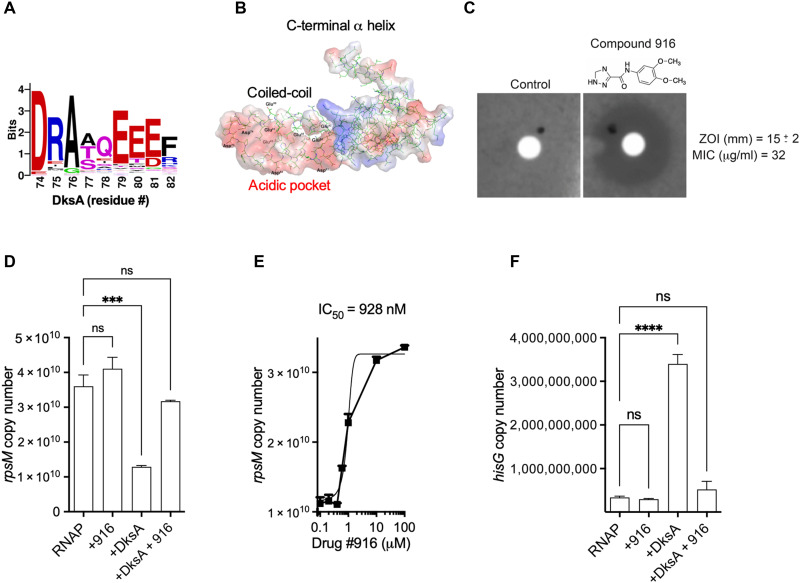 Figure 1
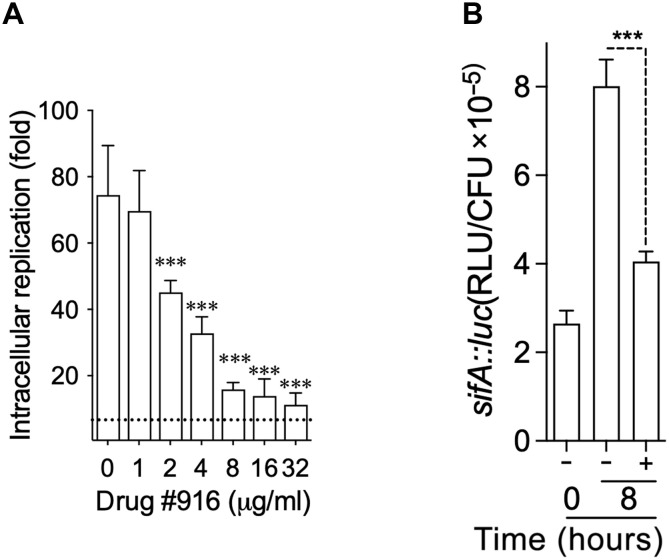 Figure 2
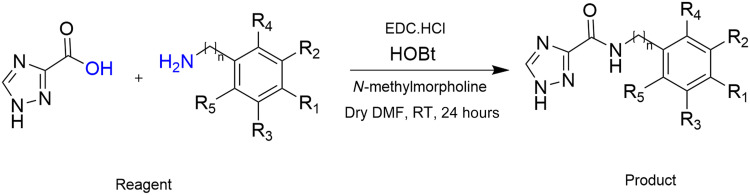 Figure 3
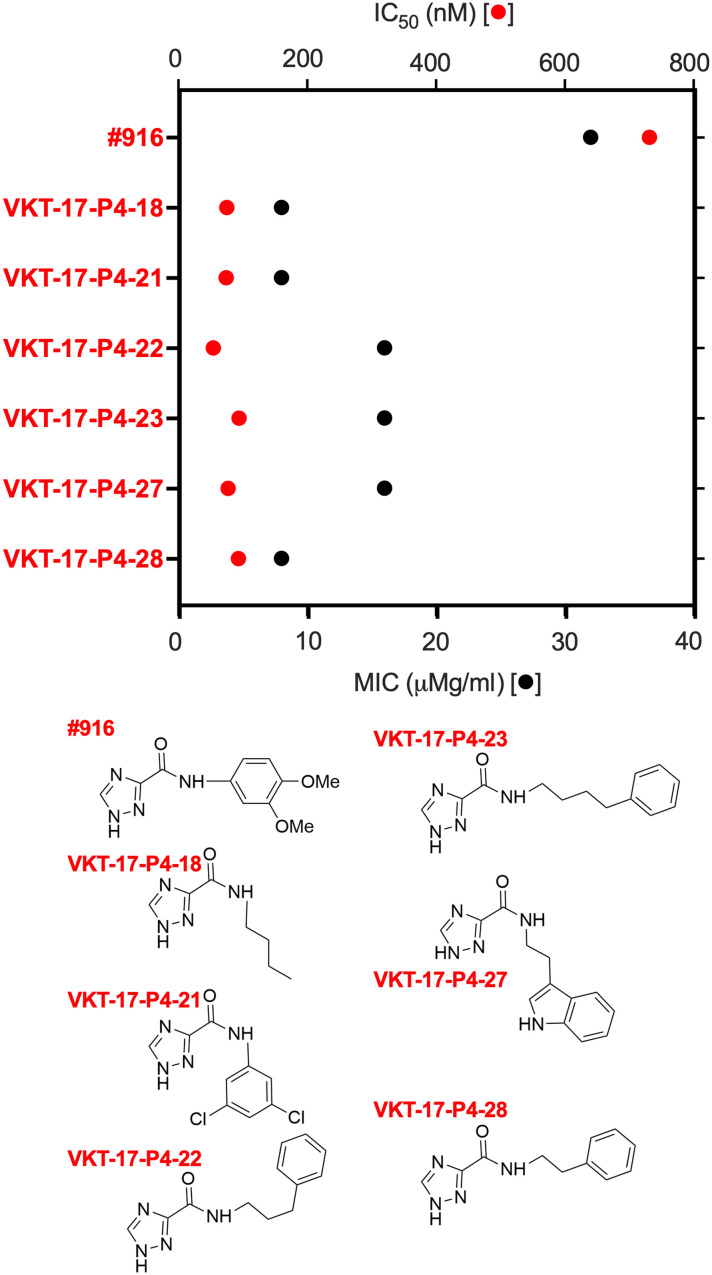 Figure 4
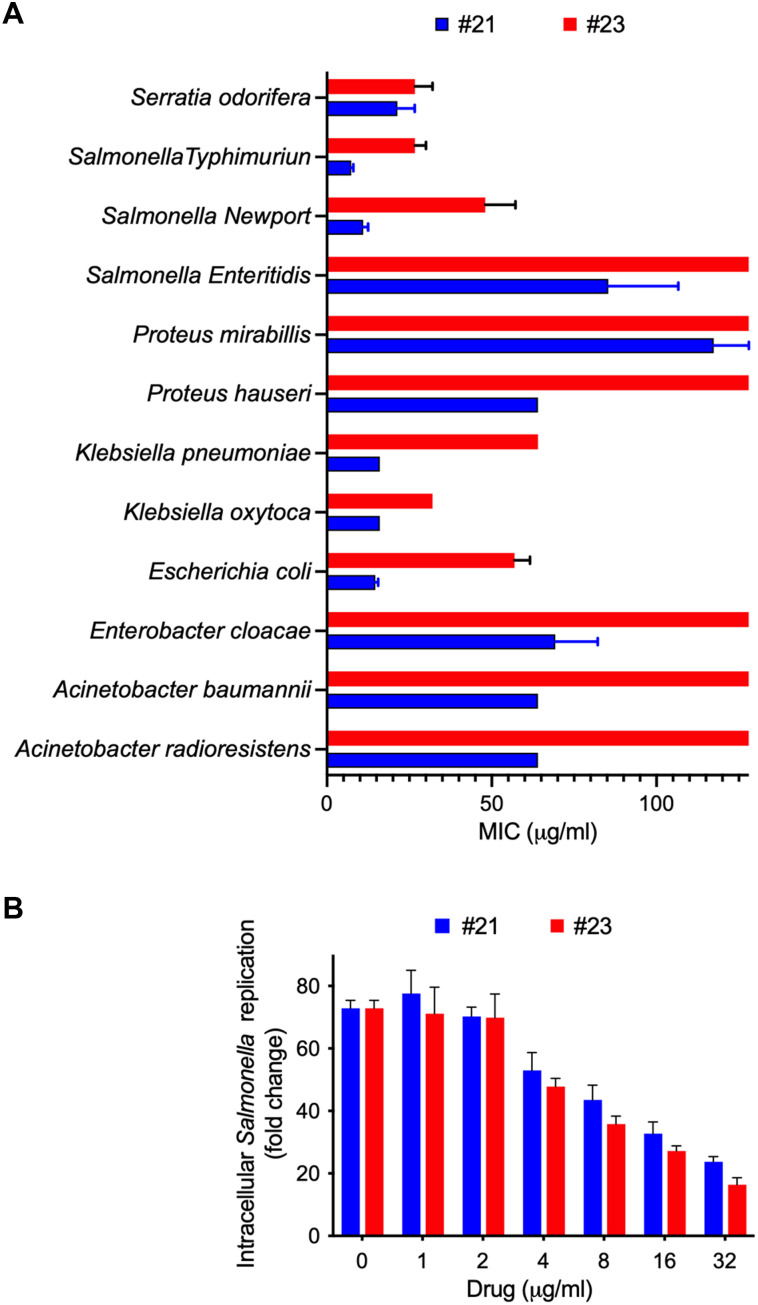 Figure 5
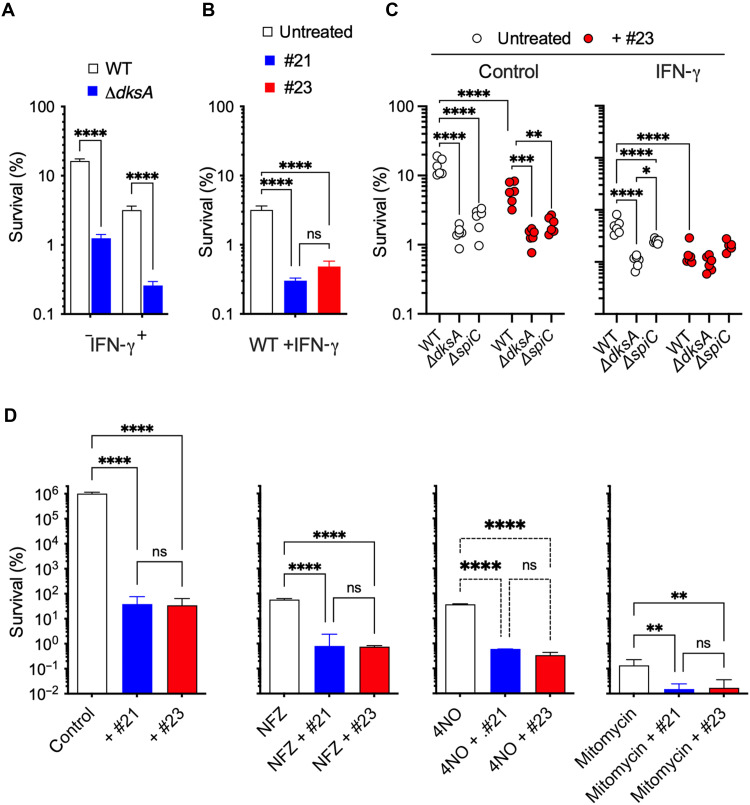 Figure 6
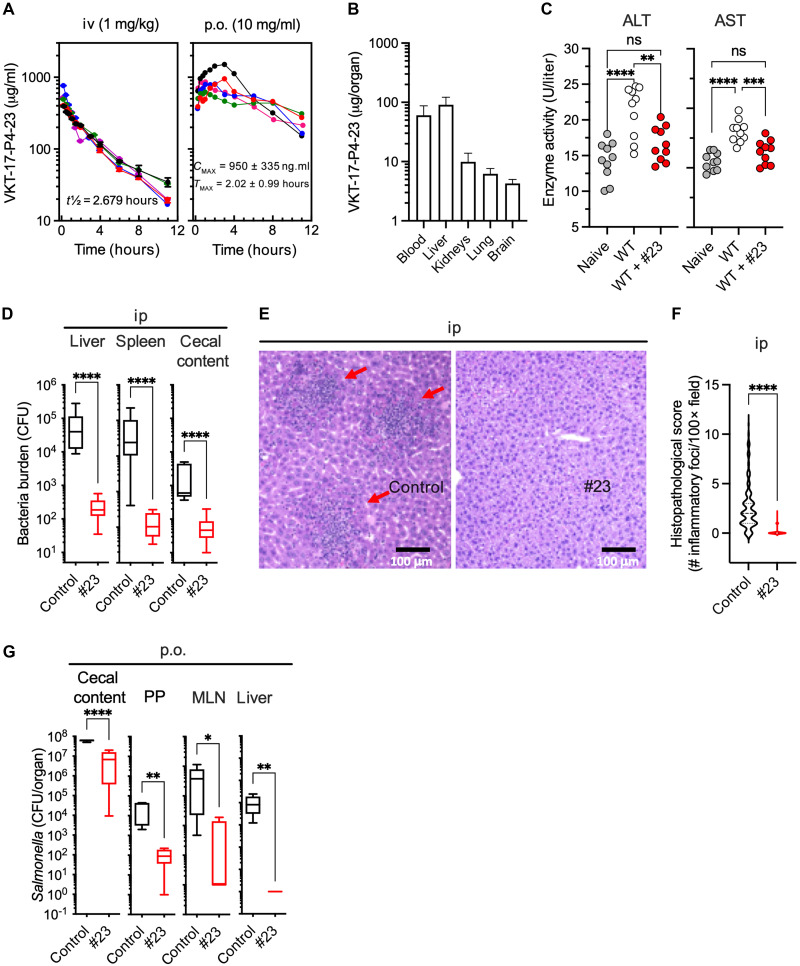 Figure 7
Peer Reviews
No public reviews on file for this paper yet. If you reviewed it on a platform where reviews are public (OpenReview, ICLR, NeurIPS, ICML), you can paste yours below so the community can read it here.
Videos
No videos yet. Explain this paper in a talk, walkthrough, or lecture? Add one.
Taxonomy
TopicsSalmonella and Campylobacter epidemiology · Bacterial Genetics and Biotechnology · Cancer Research and Treatments