Gut microbial production of lithocholic acid reprograms pro-resolutive macrophages to enhance vedolizumab responsiveness via the TGR5/FXR–NF-κB axis
Bing Han, Hongtao Wen, Ya Li, Yucai Wang, Xiaoping Lv, Mei Kang, Wei Huang, Yining Lan, Shilin Tong, Mengying Zhang, Deyi Chen, Chen Zhu, Yong Jiang, Daiyuan Tang

TL;DR
This study shows that gut microbes produce a bile acid, lithocholic acid, which helps a drug called vedolizumab work better in treating Crohn's disease by reprogramming immune cells.
Contribution
The study identifies lithocholic acid as a key microbial metabolite that enhances vedolizumab efficacy via macrophage reprogramming through the TGR5/FXR–NF-κB axis.
Findings
Baseline gut microbiota-derived secondary bile acids predict vedolizumab efficacy in Crohn's disease.
Lithocholic acid reprograms macrophages toward a pro-resolutive M2 phenotype via the TGR5/FXR–NF-κB axis.
Fecal microbiota transplantation confirms microbial composition influences vedolizumab responsiveness.
Abstract
Crohn’s disease (CD) is a complex chronic transmural inflammatory bowel disease. Although vedolizumab (VDZ) markedly improves clinical outcomes in CD, treatment non-response remains a significant limitation, constraining its broader utility. Elucidating the mechanisms underlying VDZ responsiveness is thus critically needed. In this research, we employed a humanized mouse model of 2,4,6-trinitrobenzene sulfonic acid–induced colitis to investigate VDZ treatment response in CD. Our findings indicate that VDZ significantly alleviated disease phenotypes in a portion of CD mice. Integrated metagenomic and metabolomic profiling identified baseline gut microbiota–derived secondary bile acids as potential predictors of VDZ efficacy. Subsequent fecal microbiota transplantation from clinical donors into pseudo-germ-free mice confirmed that gut microbial composition critically influences VDZ…
Genes, proteins, chemicals, diseases, species, mutations and cell lines named across the full text — each resolved to its canonical identifier and authoritative record.
Click any figure to enlarge with its caption.
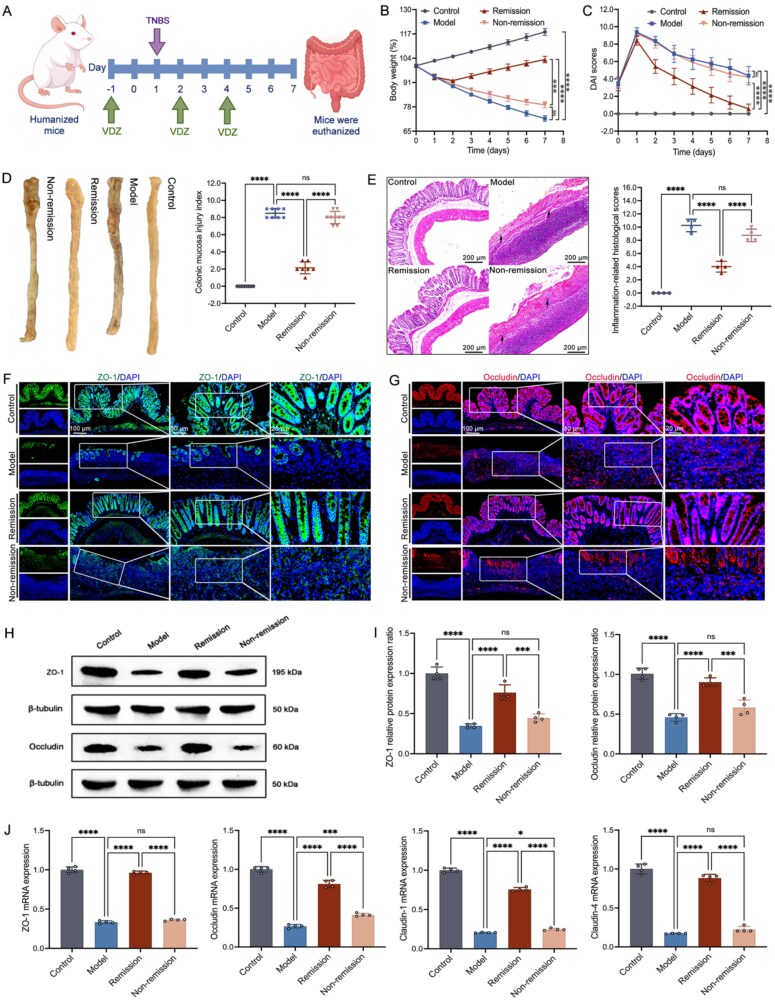 Figure 1
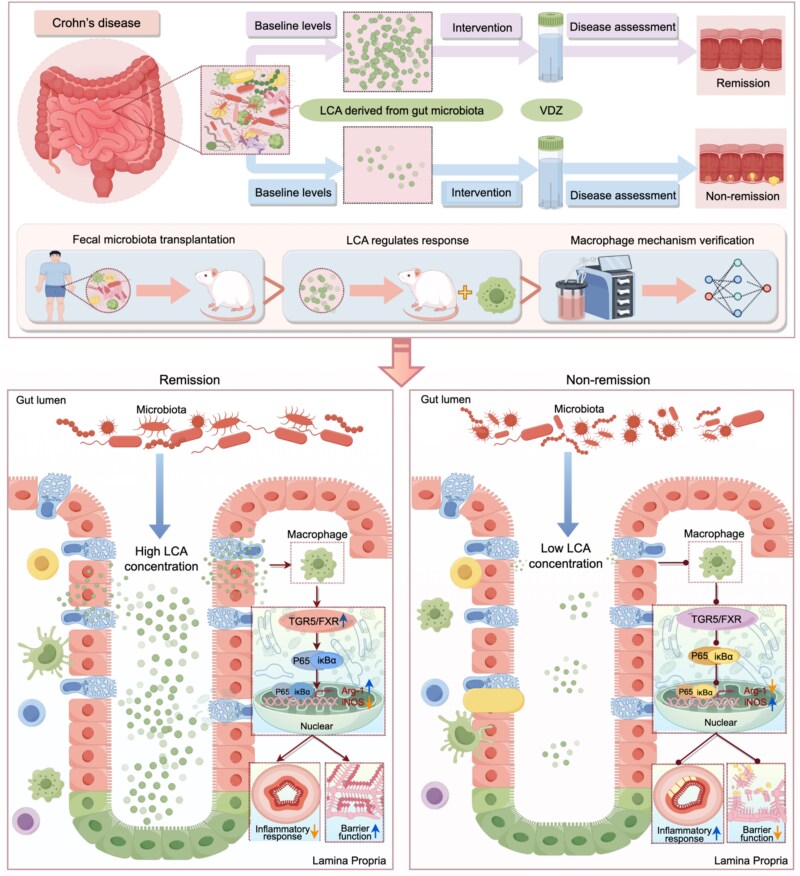 Figure 2
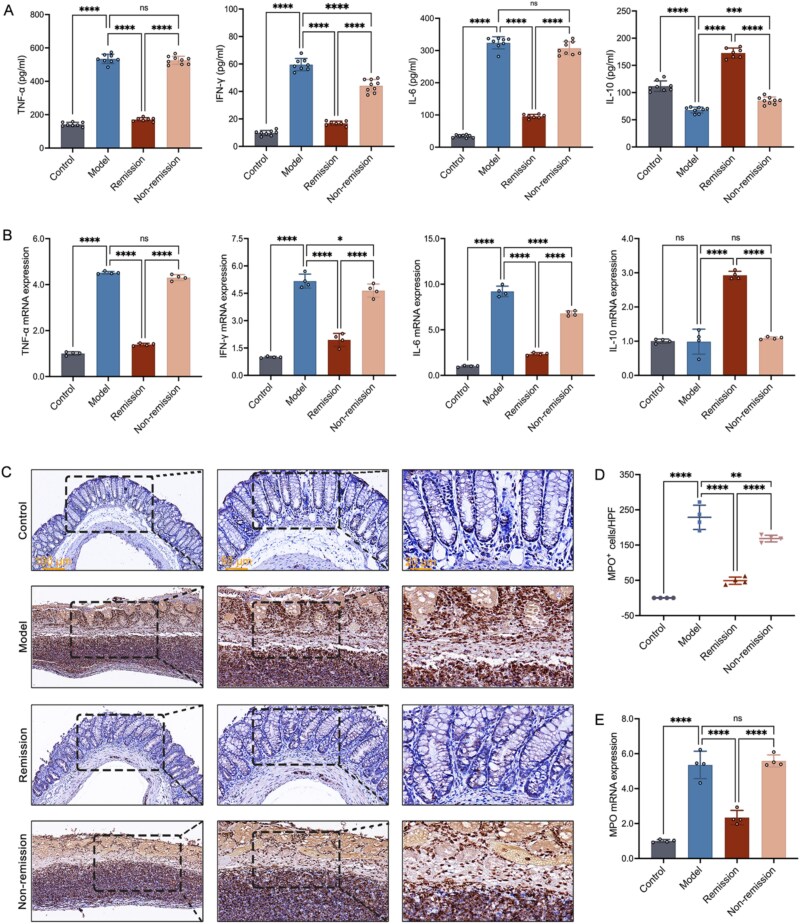 Figure 3
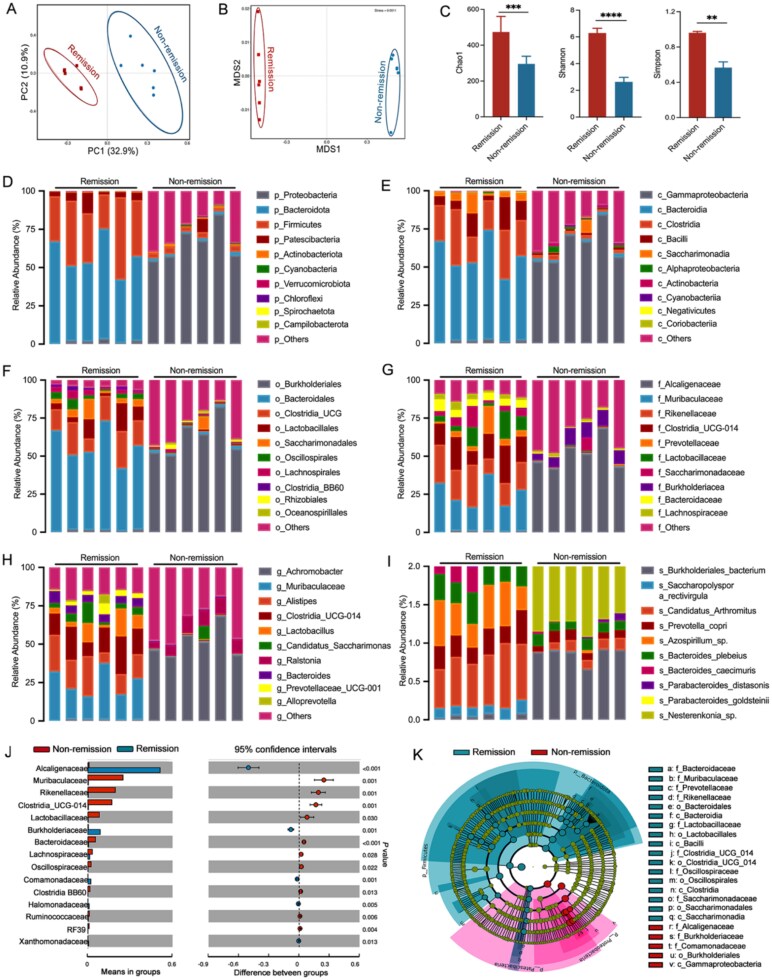 Figure 4
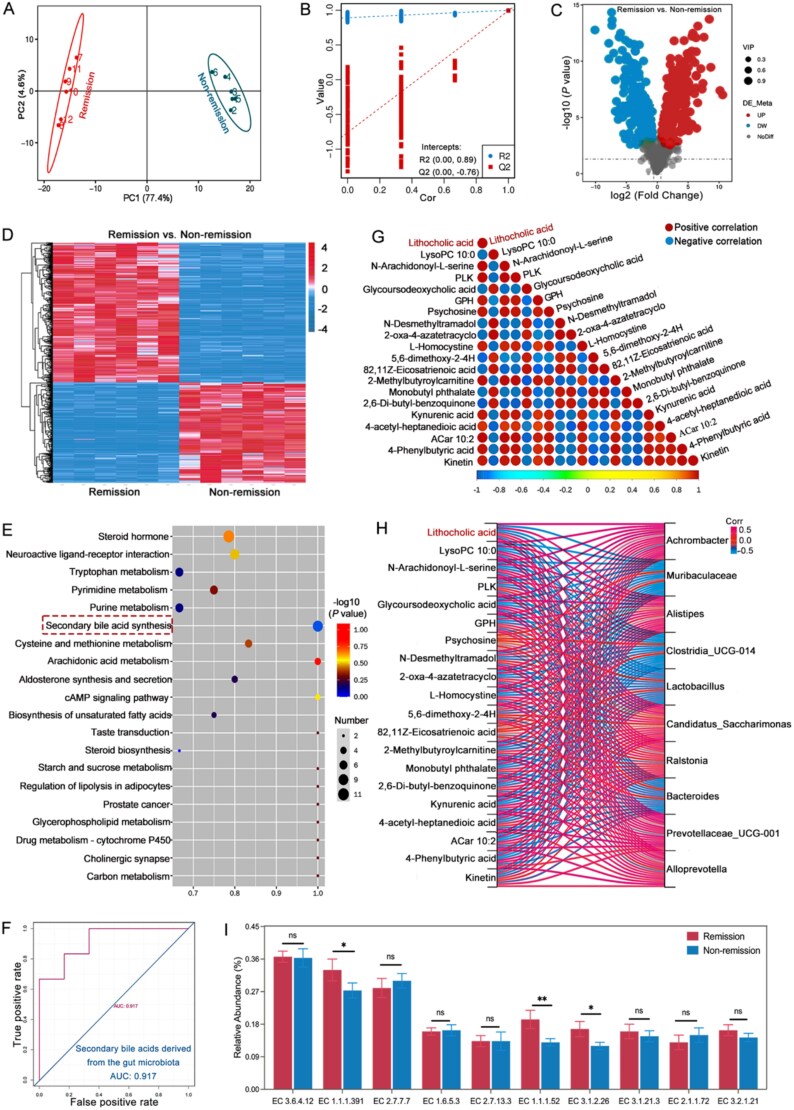 Figure 5
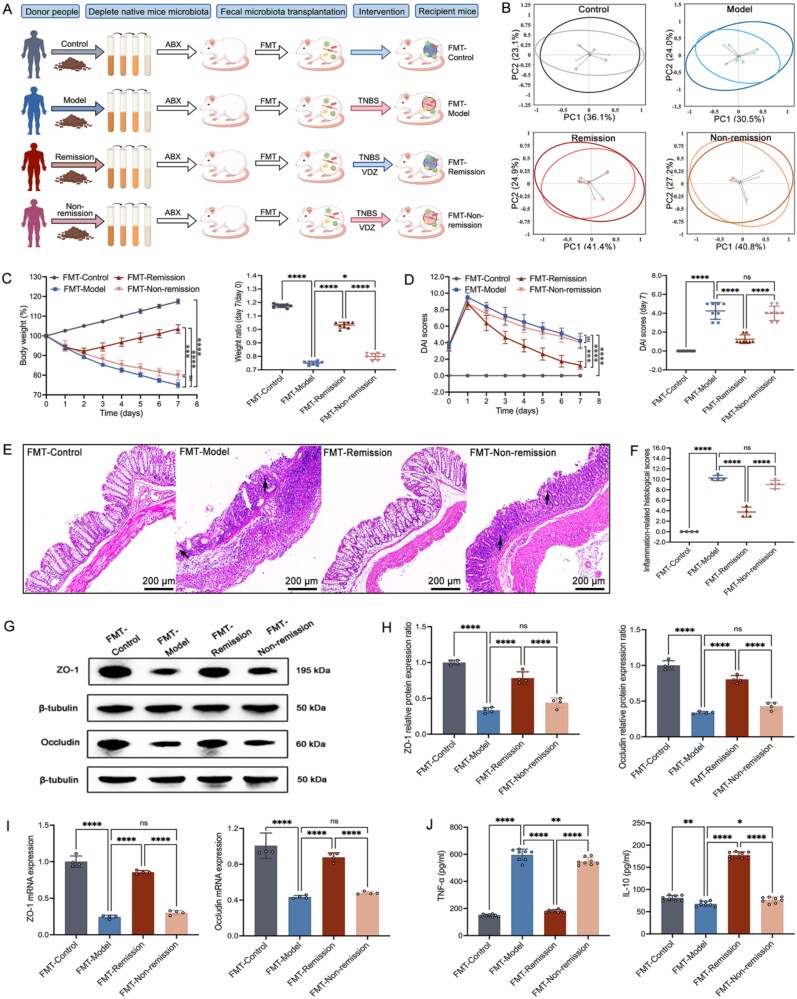 Figure 6
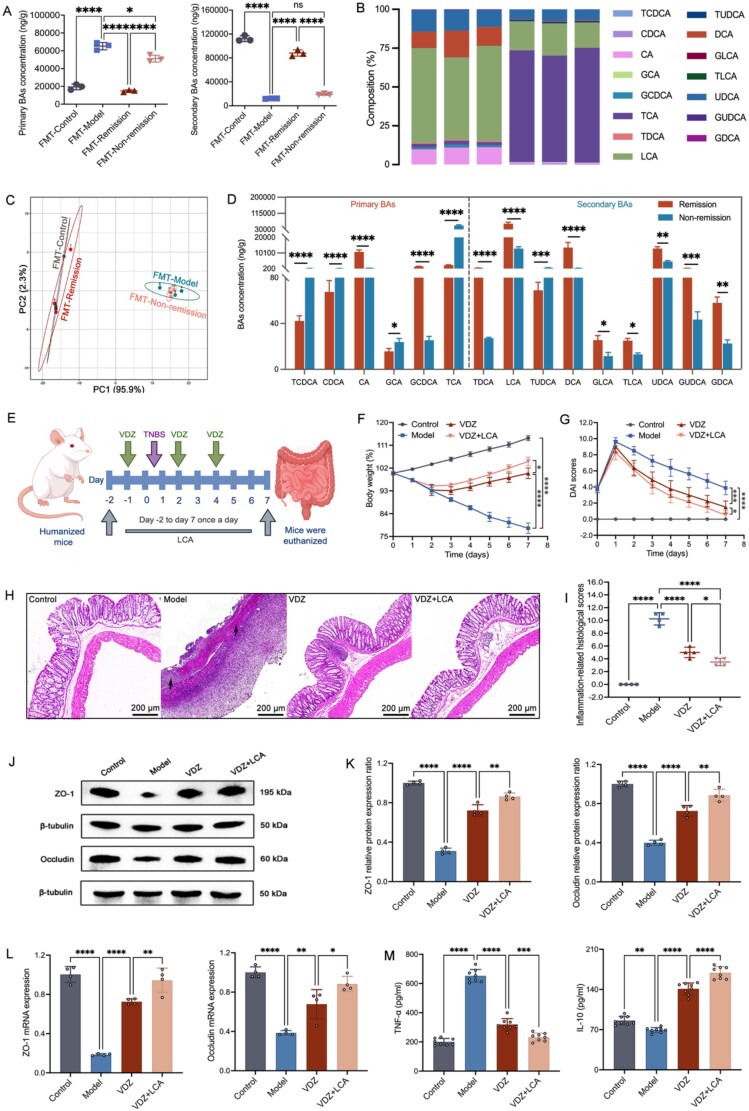 Figure 7
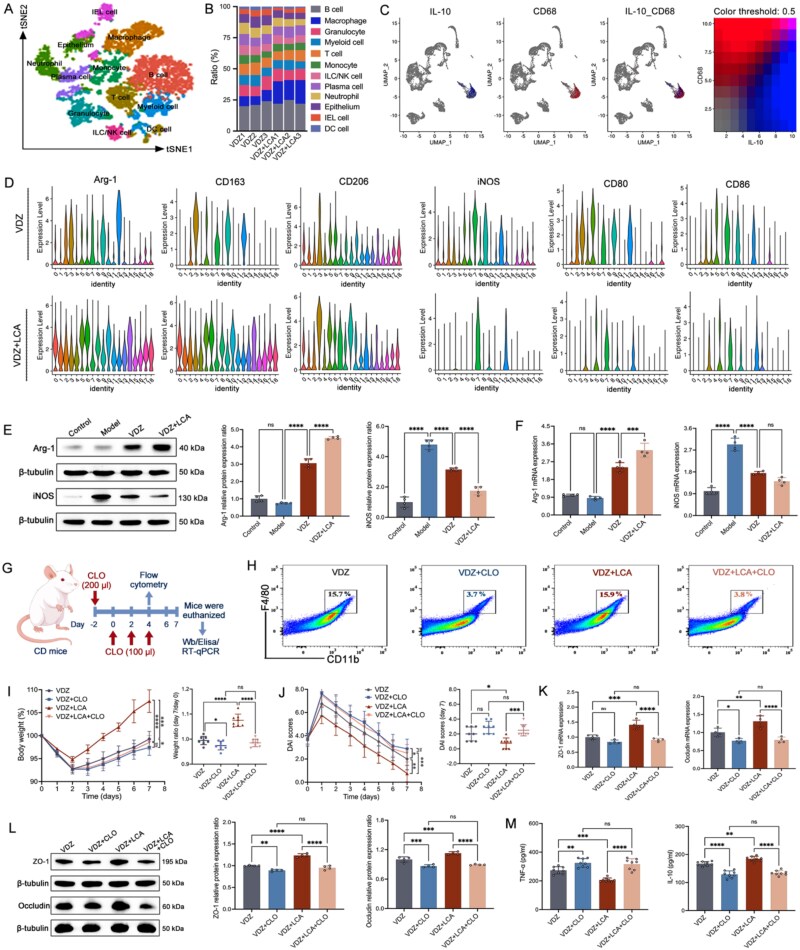 Figure 8
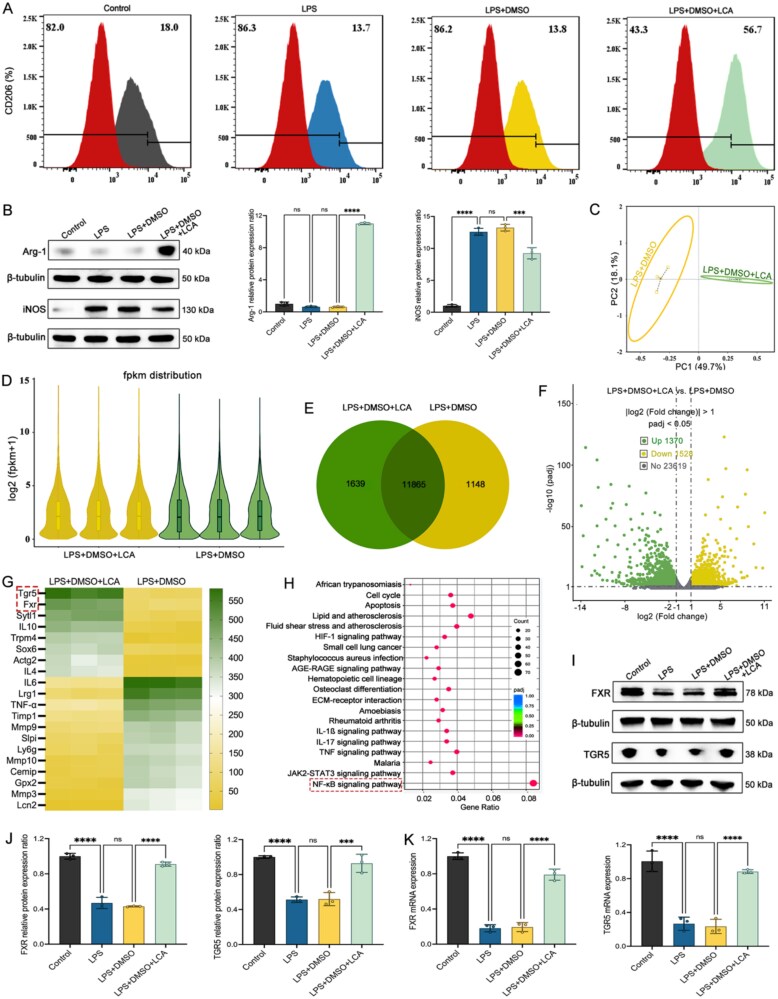 Figure 9
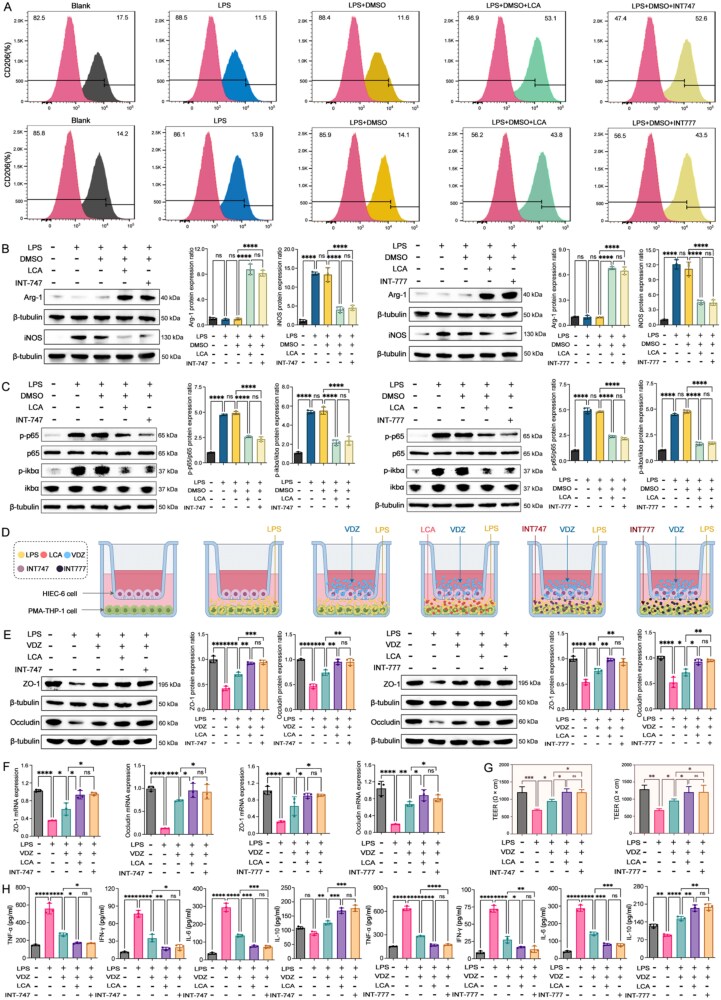 Figure 10
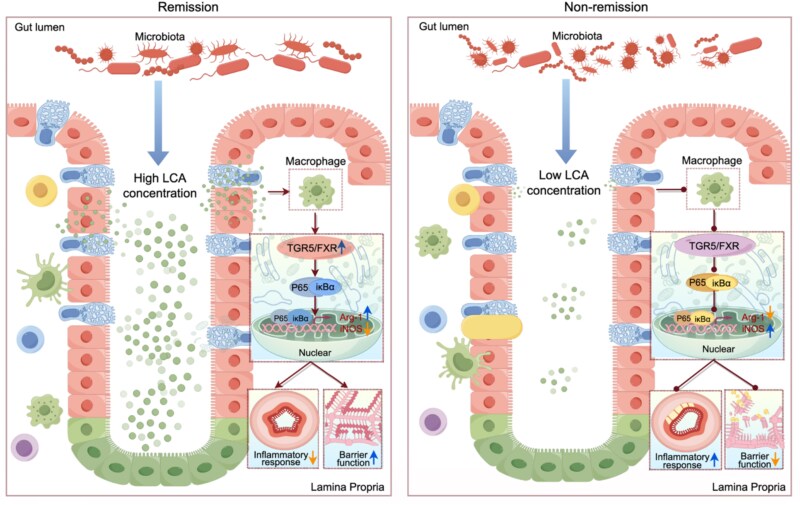 Figure 11
Peer Reviews
No public reviews on file for this paper yet. If you reviewed it on a platform where reviews are public (OpenReview, ICLR, NeurIPS, ICML), you can paste yours below so the community can read it here.
Videos
No videos yet. Explain this paper in a talk, walkthrough, or lecture? Add one.
Taxonomy
TopicsInflammatory Bowel Disease · Gut microbiota and health · Liver Diseases and Immunity