Pharmacological profiles and mechanism of action of remimazolam for ICU sedation
Kenichi Masui

TL;DR
This paper explores remimazolam, a short-acting benzodiazepine, as a potential alternative for ICU sedation, highlighting its metabolism, effects, and dosing considerations.
Contribution
The paper provides a detailed pharmacological and mechanistic analysis of remimazolam for ICU sedation, including its metabolism and patient-specific dosing factors.
Findings
Remimazolam is rapidly metabolized by carboxylesterase 1 in the liver, not in the blood.
The drug accumulates during prolonged infusions, leading to delayed emergence and requiring dose adjustments based on patient characteristics.
Remimazolam shows a 10-20% higher steady-state concentration in males, obese patients, and those with higher ASA physical status.
Abstract
Remimazolam, a benzodiazepine, was first approved in 2020 for general anesthesia and procedural sedation but has not for sedation in the intensive care units. As other sedatives used in intensive care units have disadvantages such as propofol infusion syndrome and hypotension, an alternative sedative would be desired. Remimazolam was developed as a soft drug that is designed to be rapidly metabolized to the inactive chemical, CNS7054. In humans, it is mainly metabolized by the non-specific esterase, carboxylesterase 1, in the liver, not in the blood, unlike the ultrashort-acting soft drug remifentanil. Remimazolam is a short-acting drug. The context-sensitive decrement time, which describes how the accumulated drug affects the decay curve of the drug concentration after its infusion ends, of remimazolam is similar to that of propofol. Remimazolam binds the benzodiazepine site of the…
Genes, proteins, chemicals, diseases, species, mutations and cell lines named across the full text — each resolved to its canonical identifier and authoritative record.
Click any figure to enlarge with its caption.
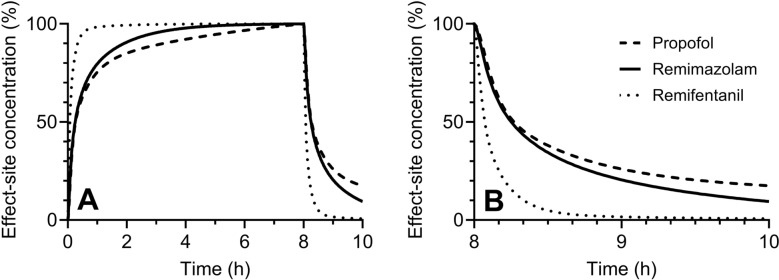 Figure 1
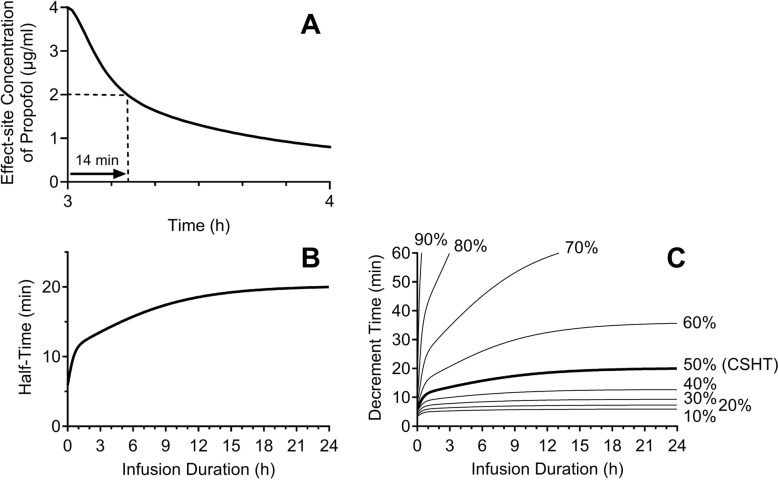 Figure 2
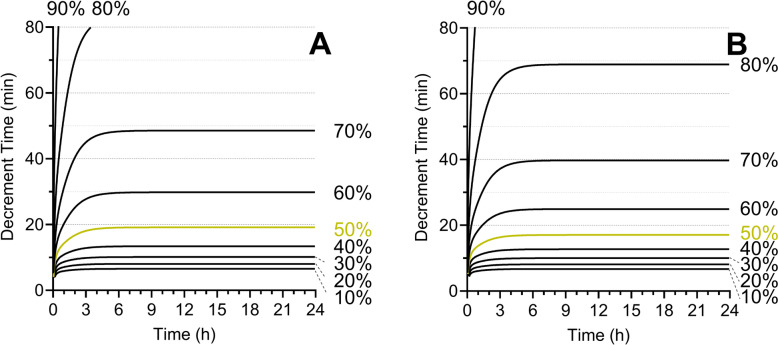 Figure 3
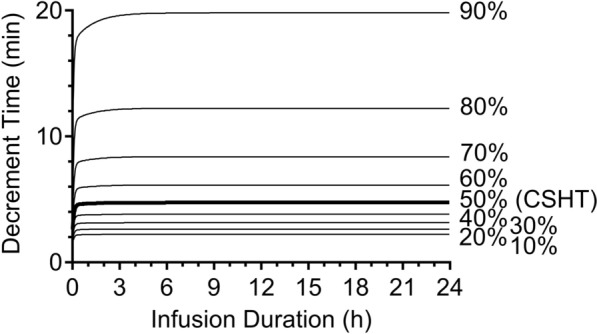 Figure 4
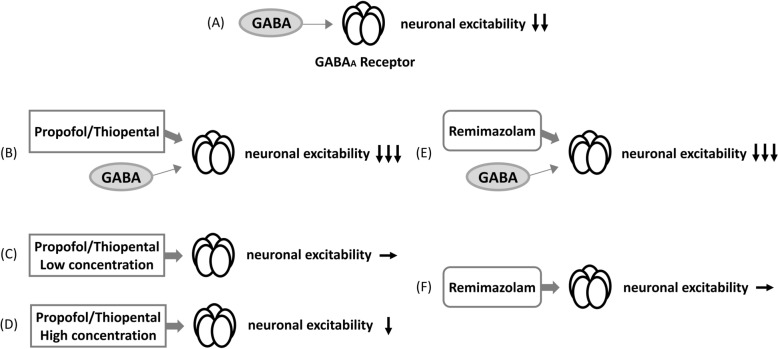 Figure 5
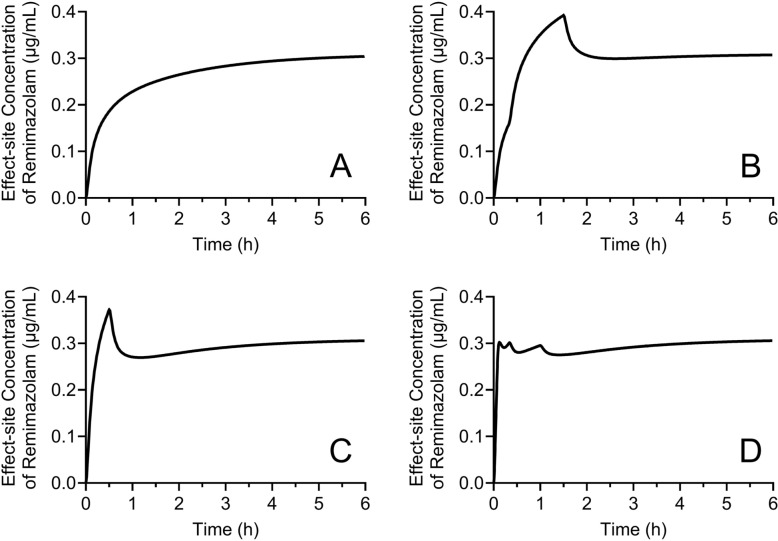 Figure 6
Peer Reviews
No public reviews on file for this paper yet. If you reviewed it on a platform where reviews are public (OpenReview, ICLR, NeurIPS, ICML), you can paste yours below so the community can read it here.
Videos
No videos yet. Explain this paper in a talk, walkthrough, or lecture? Add one.
Taxonomy
TopicsAnesthesia and Sedative Agents · Intensive Care Unit Cognitive Disorders · Anesthesia and Neurotoxicity Research