Patient-derived orthotopic xenograft models recapitulate the peritoneal dissemination of pancreatic cancer and delineate its transcriptional and regulatory programs
Takaaki Furukawa, Kohei Kumegawa, Kenichi Miyata, Manabu Takamatsu, Asumi Iesato, Sumito Saeki, Liying Yang, Chikako Shibata, Tomoko Takahara, Kaoru Masuda, Takafumi Mie, Takeshi Okamoto, Tsuyoshi Takeda, Takashi Sasaki, Masato Ozaka, Miwa Tanaka, Shunji Takahashi, Tetsuo Noda

TL;DR
Researchers created models of pancreatic cancer that spread to the peritoneum and identified genes and regulators involved in this process.
Contribution
The study introduces patient-derived orthotopic xenograft models that capture peritoneal dissemination and its underlying transcriptional and regulatory programs.
Findings
Organoids from malignant effusions reliably produce peritoneal metastases in mice.
A high-dissemination model showed activation of genes related to cytoskeletal dynamics and extracellular matrix remodeling.
Potential regulators like STAT3, SMAD3, and SOX2 were identified through integrated RNA and ATAC sequencing.
Abstract
The mechanisms of peritoneal dissemination in pancreatic ductal adenocarcinoma (PDAC) remain unclear partly owing to the lack of patient-derived models that recapitulate this process. This study aimed to establish an orthotopic model of PDAC peritoneal dissemination and to uncover the transcriptional and regulatory programs underlying this process. Organoids were established from primary pancreatic tumors and malignant effusions of patients with PDAC and orthotopically transplanted into the pancreas of immunodeficient mice to generate patient-derived orthotopic xenograft (PDOX) models. Subsequently, the organoids were rederived from pancreatic and peritoneal lesions of a representative model (PDOX12) and orthotopically reimplanted to assess the dissemination capacity. Single-nucleus RNA sequencing (snRNA-seq) and single-cell ATAC sequencing (scATAC-seq) were performed to analyze the…
Genes, proteins, chemicals, diseases, species, mutations and cell lines named across the full text — each resolved to its canonical identifier and authoritative record.
Click any figure to enlarge with its caption.
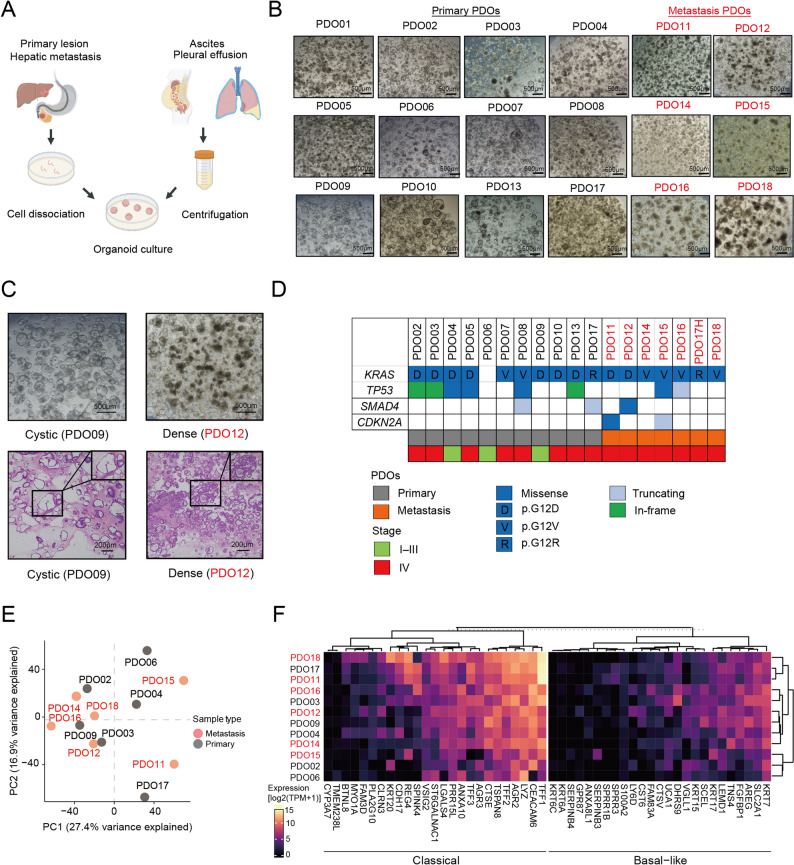 Figure 1
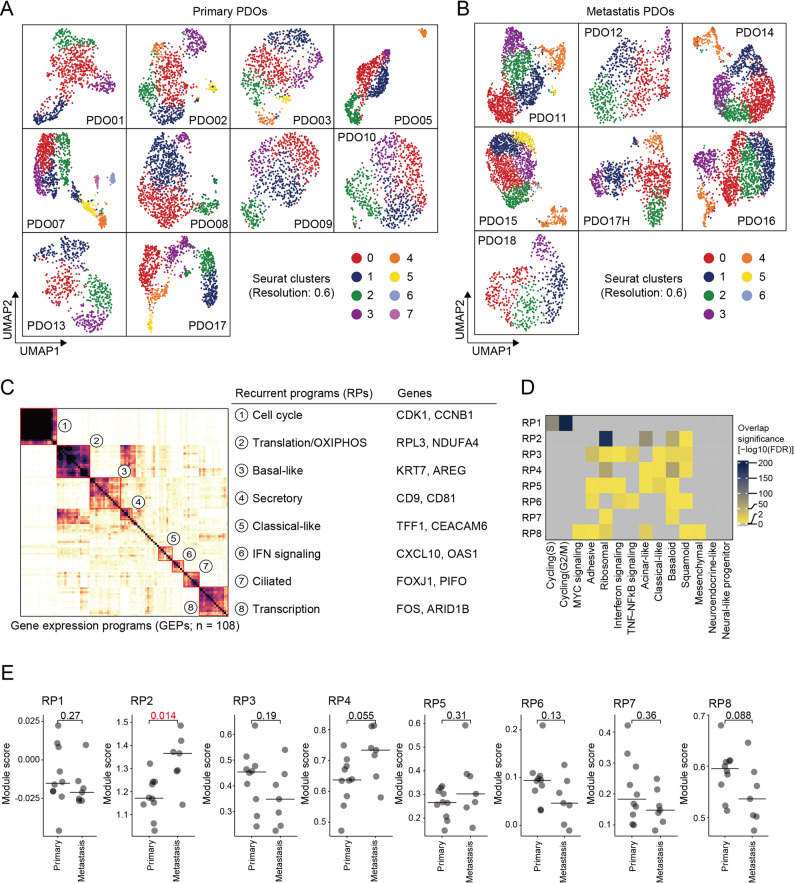 Figure 2
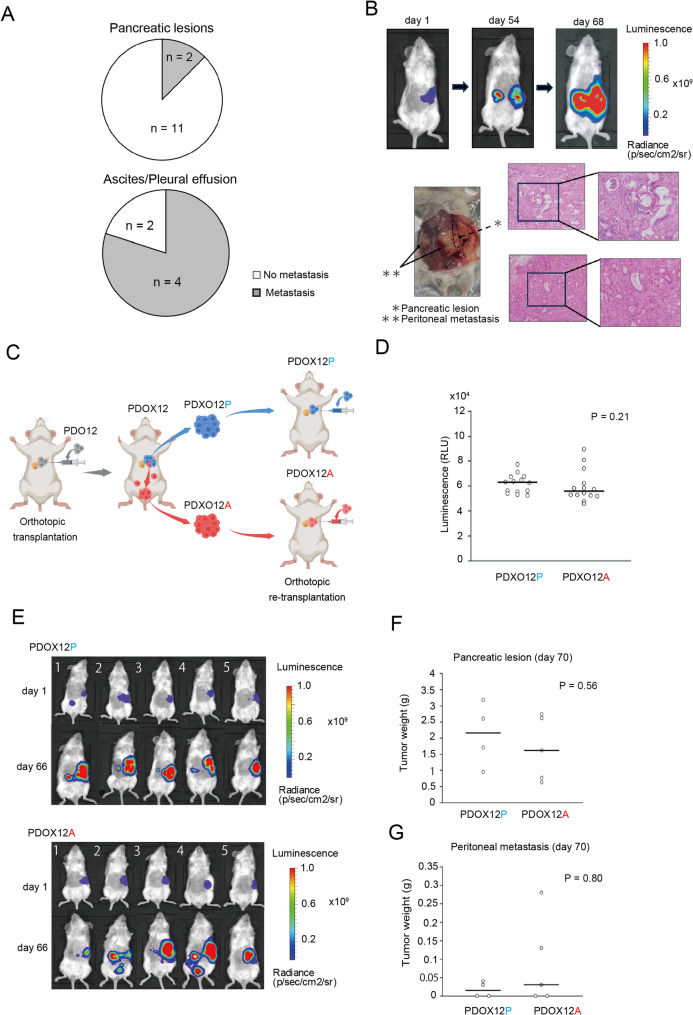 Figure 3
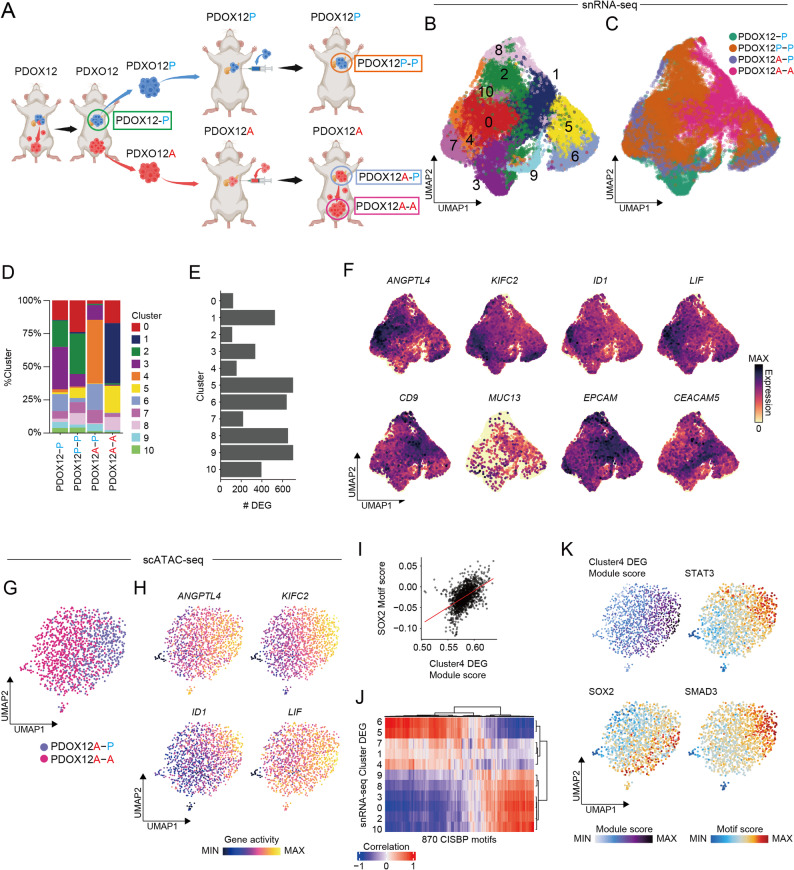 Figure 4
Peer Reviews
No public reviews on file for this paper yet. If you reviewed it on a platform where reviews are public (OpenReview, ICLR, NeurIPS, ICML), you can paste yours below so the community can read it here.
Videos
No videos yet. Explain this paper in a talk, walkthrough, or lecture? Add one.
Taxonomy
TopicsPancreatic and Hepatic Oncology Research · Cancer Cells and Metastasis · Single-cell and spatial transcriptomics