A Direct Observation of Infanticide by a Female Free‐Ranging Dog (Canis familiaris) Supports the Resource Competition Hypothesis
Melissa Vanderheyden, Brenda Chaignon, Clément Car, Małgorzata Pilot, Ikhlass el Berbri, Sarah Marshall‐Pescini, Friederike Range, Andreas Berghänel

TL;DR
This study reports the first direct observation of a female wild dog killing another's pup, suggesting the act was driven by competition for resources rather than hunger.
Contribution
The first direct observation of within-pack infanticide by a female free-ranging dog and analysis of its social context.
Findings
Subordinate females may time births after or in sync with the alpha female to reduce infanticide risk.
Infanticide followed a period of social rank instability, possibly increasing the risk of such behavior.
Evidence does not support nutritional gain as the primary motivation for the observed infanticide.
Abstract
Infanticide by females occurs in many mammalian species but is rarely observed directly, making its social and ecological determinants difficult to identify. Here, we report the first direct observation of within‐pack infanticide by a female free‐ranging domestic dog. To assess whether this case can be better explained by resource competition or nutritional gain, we examined the social context in which it occurred. In our long‐term study population, we identified 26 cases characterised by a similar pattern of overlapping pregnancies within social groups. By comparing dominance rank and birth order across cases, we found that subordinate females time their births after or in synchrony with the alpha female, which may be a strategy to reduce infanticide risk. By giving birth later, the subordinate potentially allows the alpha a competitive advantage, thereby reducing the incentive for…
Genes, proteins, chemicals, diseases, species, mutations and cell lines named across the full text — each resolved to its canonical identifier and authoritative record.
Click any figure to enlarge with its caption.
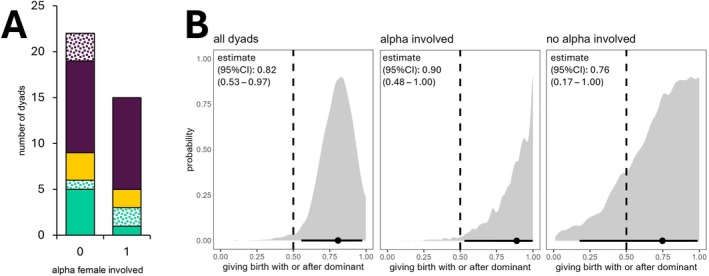 Figure 1
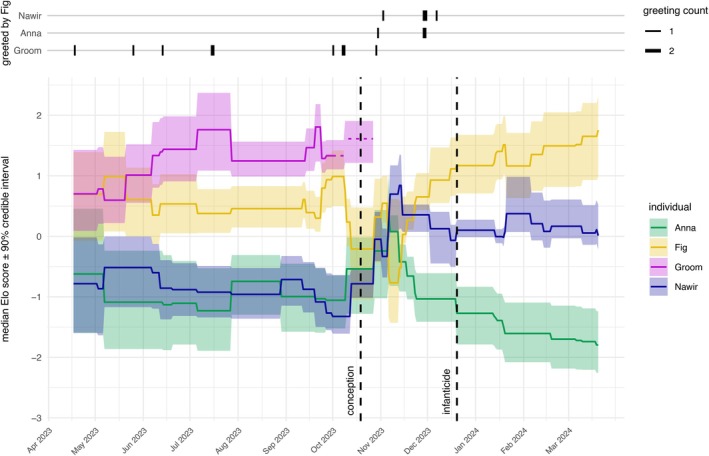 Figure 2
 Figure 3
 Figure 4
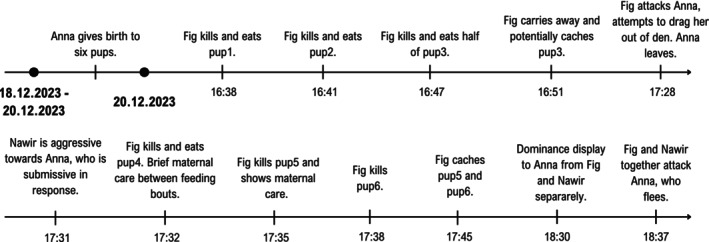 Figure 5
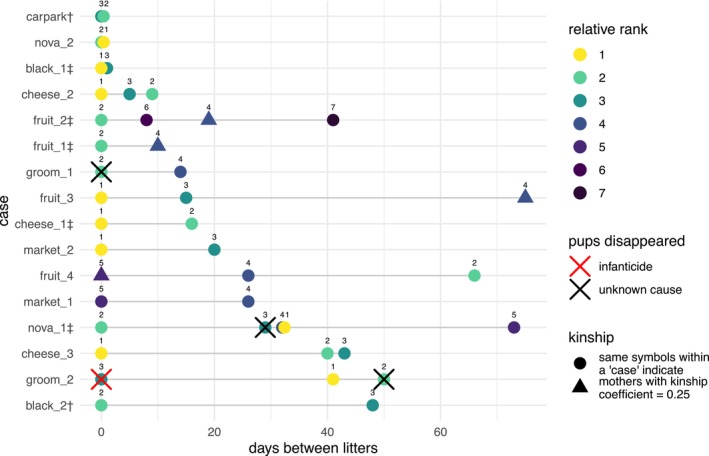 Figure 6
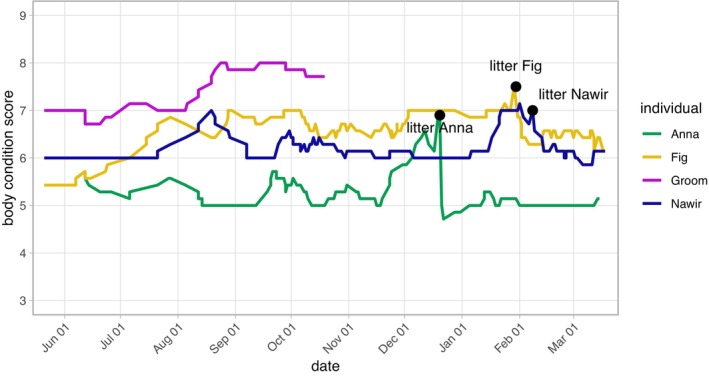 Figure 7
Peer Reviews
No public reviews on file for this paper yet. If you reviewed it on a platform where reviews are public (OpenReview, ICLR, NeurIPS, ICML), you can paste yours below so the community can read it here.
Videos
No videos yet. Explain this paper in a talk, walkthrough, or lecture? Add one.
Taxonomy
TopicsHuman-Animal Interaction Studies · Homicide, Infanticide, and Child Abuse · Wildlife Ecology and Conservation