Elderberry (Sambucus nigra L.): an ethnopharmacological, phytochemical and biological review for a prospective nutraceutical plant
Asmaa M. Khalil, Rania M. Kamal, Riham A. El-Shiekh, Ahmed H. Elbanna, Sherif A. Hamdy

TL;DR
Elderberry is a plant with many health benefits due to its bioactive compounds, making it a promising source for nutraceuticals and functional foods.
Contribution
This review compiles the ethnopharmacological, phytochemical, and biological data of Sambucus nigra to highlight its potential as a nutraceutical.
Findings
Elderberry contains bioactive compounds like phenolics with antioxidant, anti-inflammatory, and anticancer properties.
Various extraction methods can optimize the yield of beneficial metabolites from elderberry.
Elderberry has shown potential in managing chronic diseases through its diverse health benefits.
Abstract
Elderberry (Sambucus nigra L.) has been traditionally implemented in diverse preparations such as herbal teas, syrups or juices as remedies for respiratory, febrile and other health conditions. Phytochemical and chromatographic analyses of different organs mapped their metabolite profiles and allowed identification, and sometimes isolation, of their main bioactive compounds. Inspired by the rich and effective literature of S. nigra, this review article aims to summarize and highlight its reported biological (traditional and research-based) and chemical profiles. The Keywords used in the search included biological activities, pharmacological reports, phytochemistry, isolated compounds, taxonomy, botanical data, single or combination; traditional, traditionally, ethnopharmacology, folk uses, toxicity, LD50, interactions, side effects, clinical studies, elderberry, elder, Sambucus nigra.…
Genes, proteins, chemicals, diseases, species, mutations and cell lines named across the full text — each resolved to its canonical identifier and authoritative record.
Click any figure to enlarge with its caption.
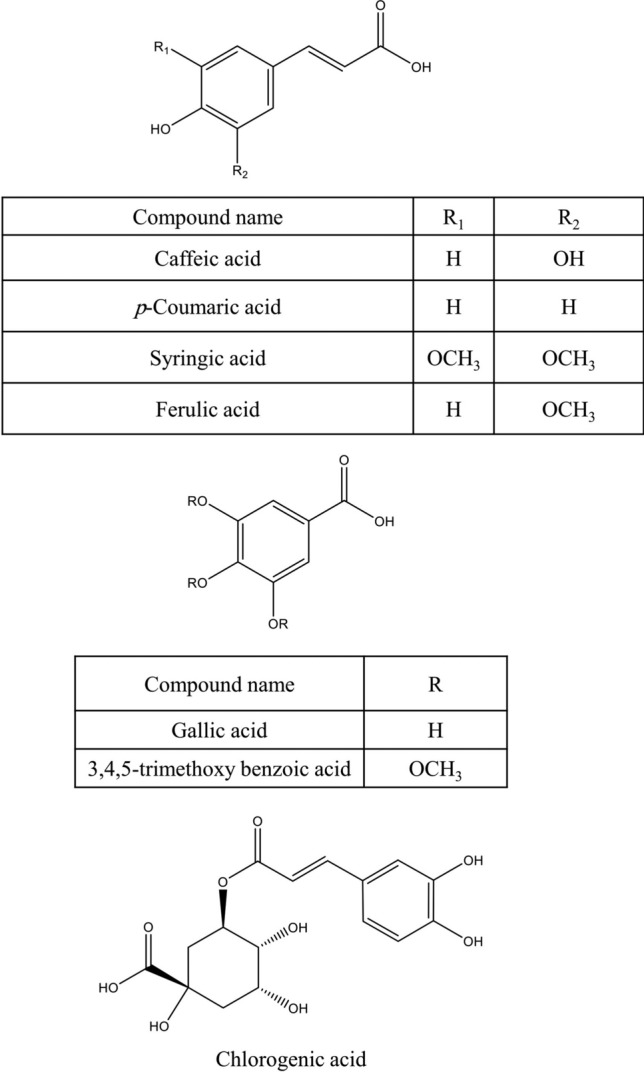 Figure 10
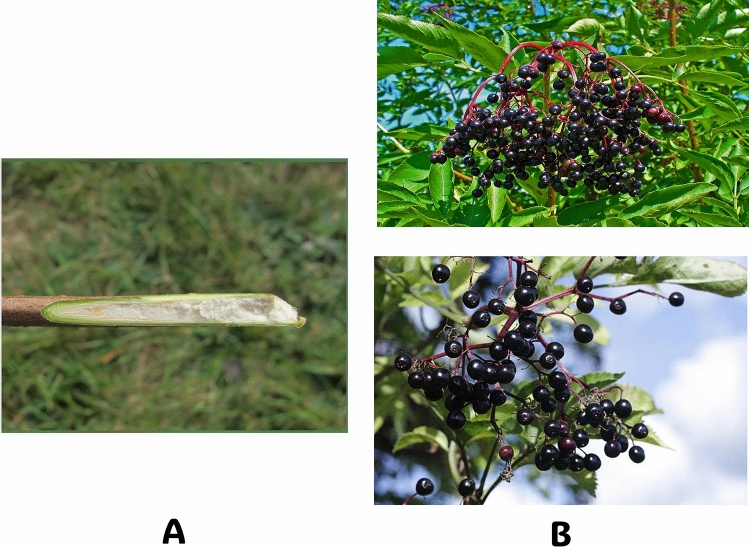 Figure 1
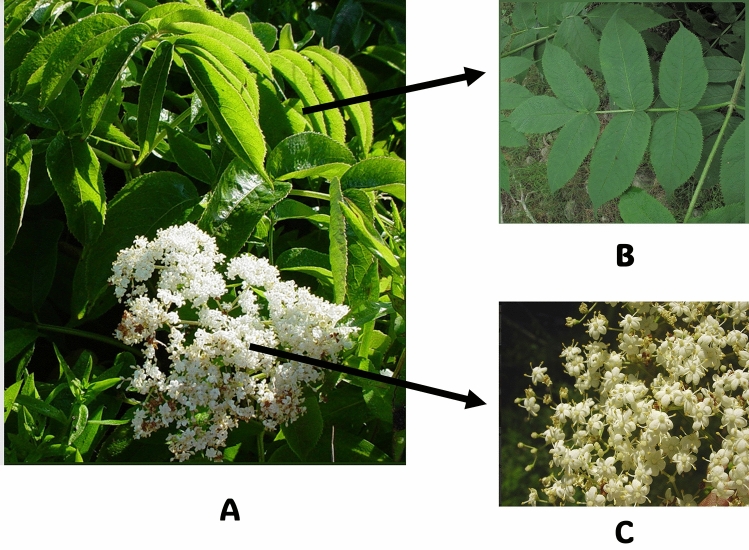 Figure 2
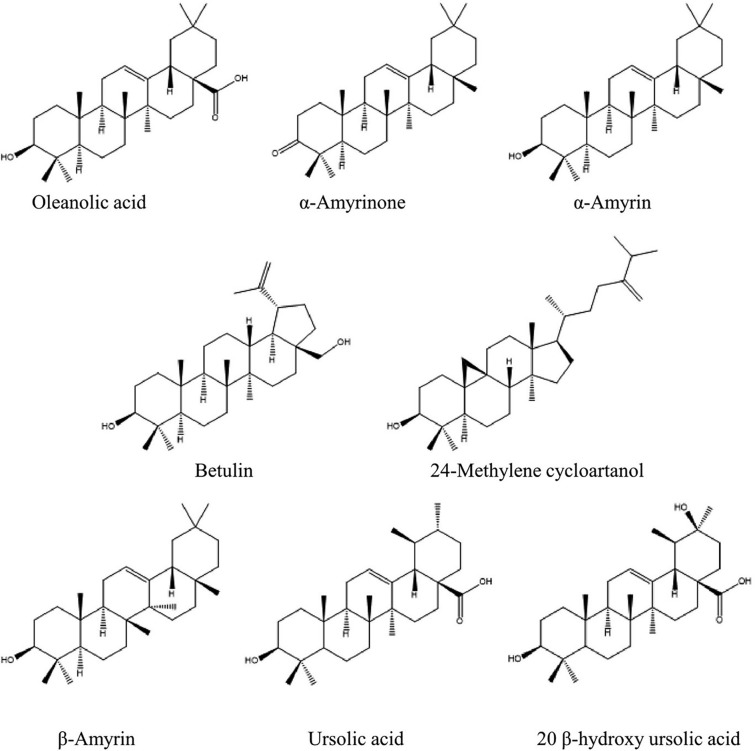 Figure 3
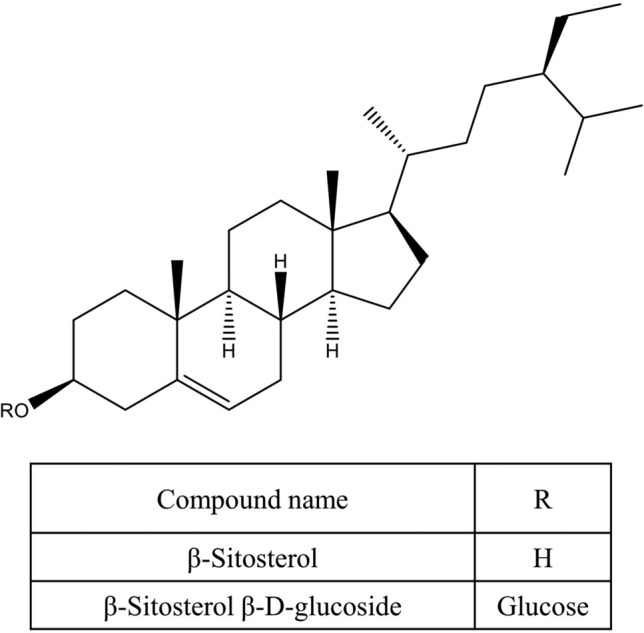 Figure 4
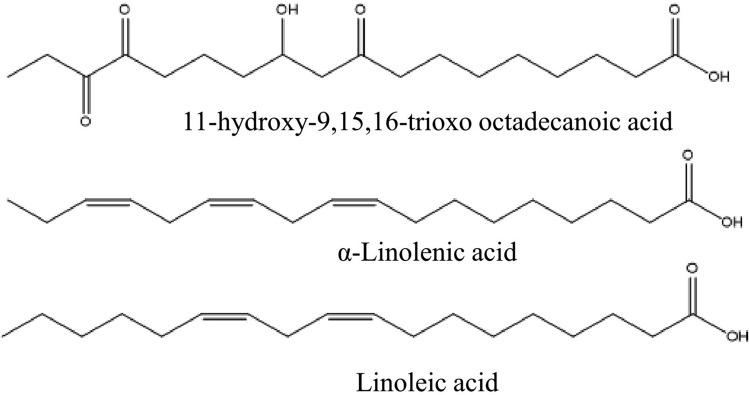 Figure 5
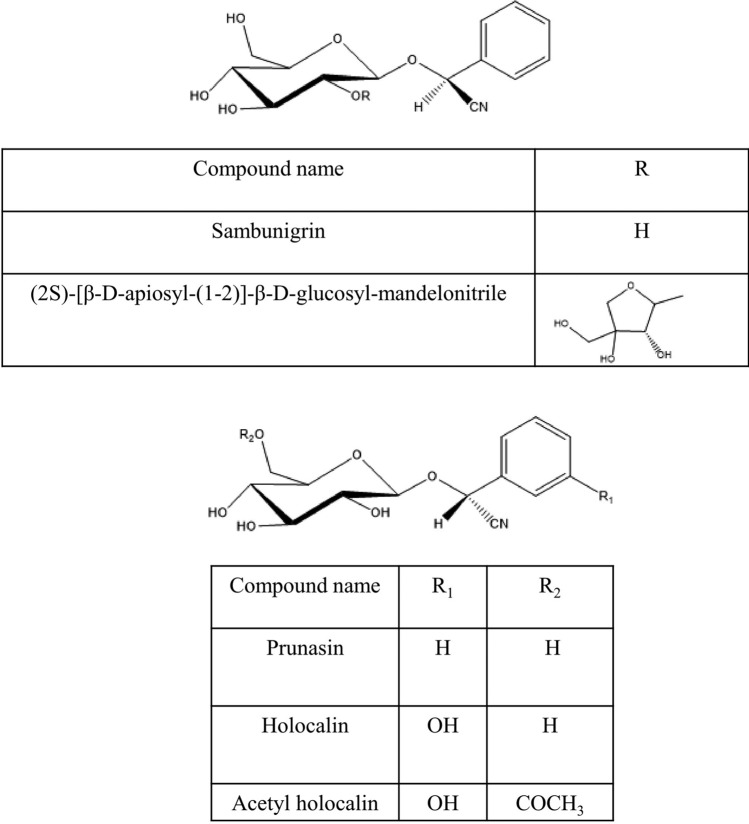 Figure 6
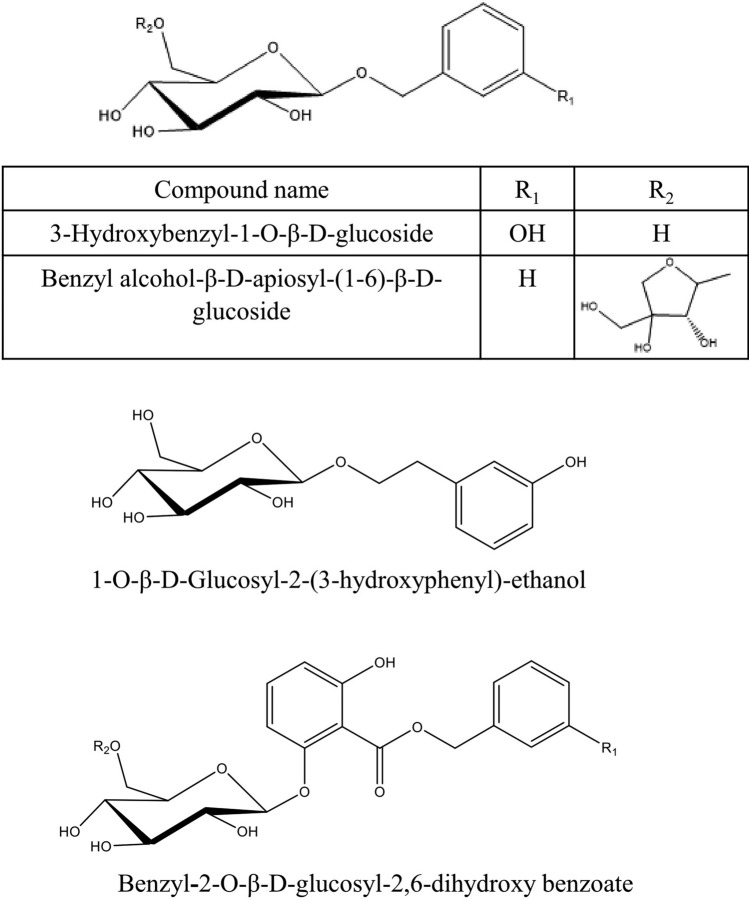 Figure 7
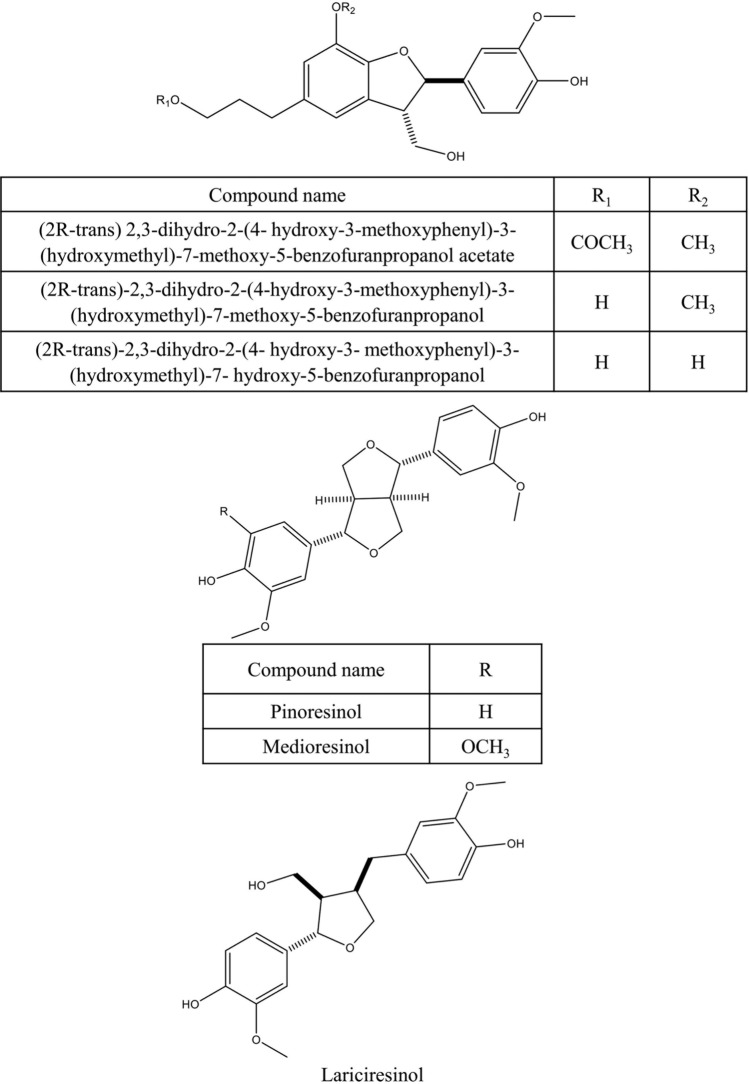 Figure 8
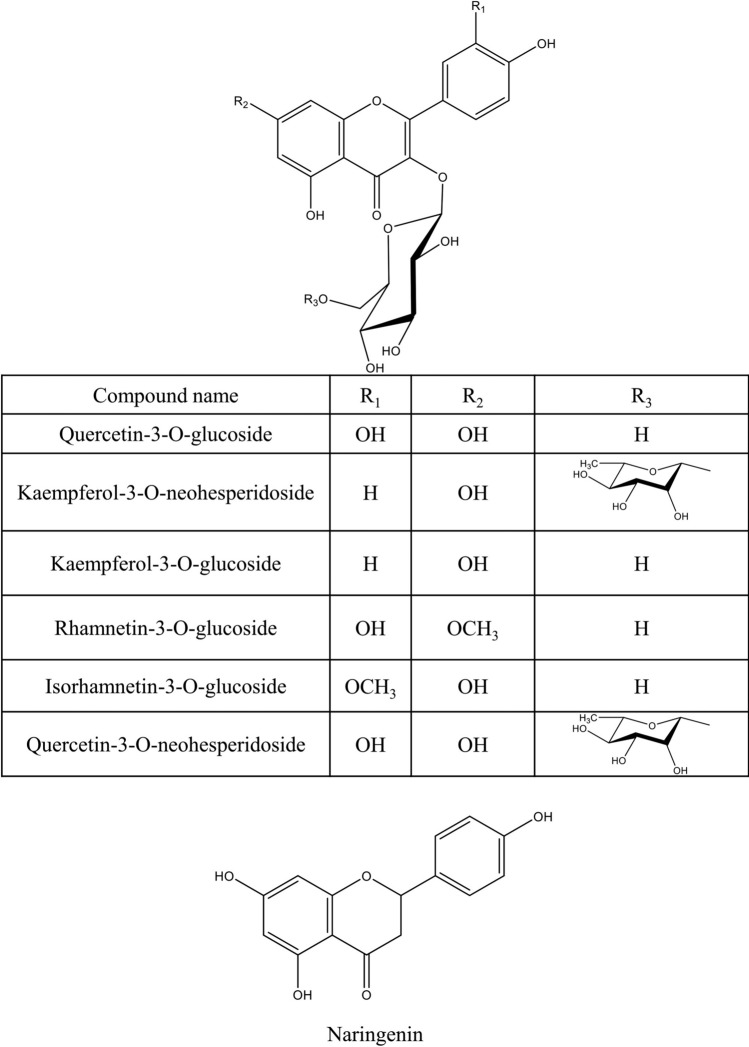 Figure 9
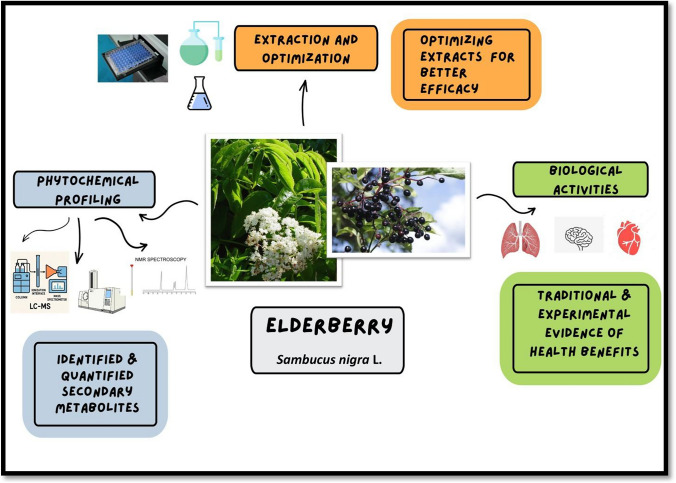 Figure 11
- —Cairo University
Peer Reviews
No public reviews on file for this paper yet. If you reviewed it on a platform where reviews are public (OpenReview, ICLR, NeurIPS, ICML), you can paste yours below so the community can read it here.
Videos
No videos yet. Explain this paper in a talk, walkthrough, or lecture? Add one.
Taxonomy
TopicsPhytochemicals and Antioxidant Activities · Bioactive natural compounds · Berry genetics and cultivation research
Introduction
Sambucus nigra L. (Viburnaceae family), often known as European elder or black elder or elderberry, is a medicinal shrub or small tree found in Europe, Africa, Asia, and North America k. The plant’s flowers bloom from May to June, and fruiting begins in July. The fruits fully ripen between late August and early September (Atkinson and Atkinson 2002). For centuries, elderberries have been used for diverse medical purposes. According to the British Pharmacopoeia 1788, elderberry syrup, processed from ripe elderberry fruits, is effective against coughs, colds, and constipation. Since 1887, a decoction of dried elderberries has been used as a laxative in Germany, while the tea prepared from fresh elderberries has been used for the same purpose in Ukraine, Poland, Czechia, and Slovakia (EMA/HMPC 2018). The white flowers of S. nigra are also commonly utilized in folk medicine such as in Albania, Algeria, Italy, and Spain, where they have been consumed internally to cure bronchial infections, colds, and stomachaches, as well as been used as an antipyretic, diuretic, digestive, and antirheumatic (Motti et al. 2022). In this context, the dried flowers, or Sambuci flos, have been included in pharmacopoeias, and their therapeutic properties have been reported in several monographs. According to the World Health Organization (WHO) Monographs on Selected Medicinal Plants, elder flowers are diaphoretic, expectorant, and used for symptomatic treatment of common cold (2022). A similar report was also described in the European Union’s herbal monograph on elderberry flowers indicating that decoctions, infusions, liquid extracts, and tinctures of the flowers have long been used to alleviate early symptoms of common cold (EMA/HMPC 2018). Additionally, S. nigra was used in Turkish traditional medicine to treat wounds, rheumatic discomfort, common cold, and high fever (Süntar et al. 2010).
The high commercial value of S. nigra is mainly linked to its high phenolic content (Silva et al. 2017). Research-based studies attributed many of elderberry’s biological activities to its high phenolic content, including antioxidant (Dawidowicz et al. 2006), antiflu (Torabian et al. 2019), anti-obesity (Ulusoy et al. 2024), anti-inflammatory (Ho et al. 2017b), and antidiabetic (Studzińska-Sroka et al. 2024a) effects. Rutin (quercetin-3-O-rutinoside) is the most common flavonoid found throughout the plant, while other flavonoids found in the flowers, fruits, and leaves include quercetin, quercetin-3-O-glucoside (isoquercitrin), kaempferol-3-O-rutinoside, kaempferol-3-O-glucoside (astragaline), and quercetin-3-O-galactoside (hyperoside). In terms of phenolic acids, the plant is rich in chlorogenic, neochlorogenic, and cryptochlorogenic acids (Ferreira et al. 2022b; Młynarczyk et al. 2018).
Here in, we focused our research review on elderberry as a plant that has been underexplored and underutilized in the food and pharmaceutical industries. The review covers the reported health benefits of elderberry (traditional and experimental) in addition to its investigated phytochemical profiles in terms of isolated, identified, characterized, or quantified main secondary metabolites, and the analytical methods used for these studies. The review also summarizes the efforts exhibited to optimize different elderberry extracts/preparations in the scene of higher contents of desired metabolites and/or minimal contents of undesired ones (if any) (Domínguez et al. 2020). This optimization is crucial for better bioactivity profiles, which is a major concern to phytochemists, nutritionists, the health care sector and eventually consumers.
Botanical profile and taxonomy
(Charlebois et al. 2010; https://mainenaturalhistory.org/product/free-mini-guide-black-elderberry-vs-red-elderberry/; https://www.istockphoto.com/photos/sambucus-nigra).
Morphology
The elderberry plant forms shrubs and small trees in the family Adoxaceae. These plants are primarily native to temperate and subtropical regions across both hemispheres. They are characterized by their bushy appearance, with numerous straight canes emerging from the base, reaching heights of up to 9 m (30 feet) and occasionally up to 10 m (33 feet). It can live for 25 to 35 years under optimal conditions.
Canes and Bark: The canes are weakly lignified and have a central white pith (Fig. 1A), making them somewhat brittle. The bark is typically light brown, yellowish, or grayish, featuring prominent lenticels and a deeply furrowed texture.Fig. 1. Elderberry A Canes and Bark, B Fruits (The copyright of the images belongs to the following websites: https://mainenaturalhistory.org/product/free-mini-guide-black-elderberry-vs-red-elderberry/; https://www.istockphoto.com/photos/sambucus-nigra))
Leaves: The leaves are opposite, stipulate, and odd-pinnately compound, consisting of 5 to 11 leaflets, most commonly 5 to 7. Leaflets range from 3 to 9 cm in length and exhibit a serrated margin. They are bright green to medium green on the upper side and hairy on the underside, particularly along the veins. The petiole can reach a length of 3 to 4 cm (Fig. 2A and B).Fig. 2. Elderberry A- Whole branch, B- Leaves, and C- Inflorescence (The copyright of the images belongs to the following websites: https://mainenaturalhistory.org/product/free-mini-guide-black-elderberry-vs-red-elderberry/; https://www.istockphoto.com/photos/sambucus-nigra)
Inflorescence and Flowers: Elderberry produces flat-topped clusters of small white or cream-colored flowers in late spring. These flowers have a pleasant yet slightly rancid odor and are followed by berry-like drupes that ripen from green to red and finally black with a glossy appearance over 6 to 8 weeks from July to September (Fig. 2A and C).
Fruits: The fruits are spherical berries approximately 5–6 mm wide at maturity, containing several nutlets. They are rich in anthocyanins, contributing to their intense blue-purple coloration (Fig. 1B).
Taxonomical data
English names:Black elderberry, Bour tree, Bore tree, Elder, Common elder, European elderKingdom:PlantaeOrder:DipsacalesFamily:AdoxaceaeGenus: Sambucus Species:Sambucus nigra L
Phytochemistry
Secondary metabolites isolated from Sambucus nigra
Various secondary metabolites were isolated from different S. nigra organs viz. bark, seeds, flowers, leaves, and fruits. These compounds belong to a wide range of metabolic classes, including triterpenoids, sterols, fatty acids, cyanogenic glycosides, phenolic glycosides, lignans, flavonoids, and phenolic acids. Compounds isolated and reported from S. nigra are summarized in Table 1, along with methods of their isolation, structure elucidation, studied biological activities, and organs from which they were isolated, whereas their structures are presented in Figs. 3, 4, 5, 6, 7, 8, 9, 10.Table 1. Compounds isolated from Sambucus nigra (Elderberry)Compound nameClassOrganExtractIsolation methodStructure elucidation technique(s)Studied biological activityReferencesOleanolic acidTriterpenoidsBarkPetroleum etherRepeated column chromatography of the non-saponifiable fraction of petroleum extract on alumina column followed by solvent crystallizationMelting point and IR spectroscopy–Lawrie et al. (1964)α-Amyrinoneα-AmyrinBetulinβ-SitosterolSterol11-Hydroxy-9,15,16- trioxo octadecanoic acidFatty acidSeedsOilColumn chromatography followed by TLC purificationRefractive index, I_2_ number, and IR spectroscopy–Gigienova and Umarov (1972)24-Methylene cycloartanolTriterpenoidsFlowersMethanolRepeated column chromatography on KSKG silica gel and solvent crystallizationMelting point, MS, H^1^ NMR, and IR spectroscopy–Makarova and Isaev (1997)α-Amyrinβ-Amyrinβ-SitosterolUrsolic acid20 β-Hydroxy ursolic acidβ-Sitosterol β-D-glucosideSterol glucosideSambunigrinCyanogenic glycosidesLeavesMethanolRepeated column chromatography on different stationary phases and preparative HPLCUV absorption, EI-MS, and H^1^ NMR spectroscopyInhibitory effect on seed germination and radicle elongationD'Abrosca et al. (2001)PrunasinHolocalinAcetyl holocalin(2S)-[β-D-apiosyl-(1–2)]-β-D-glucosyl-mandelonitrile3-Hydroxybenzyl-1-O-β-D-glucosidePhenolic glycosides–1-O-β-D-Glucosyl-2-(3-hydroxyphenyl)-ethanolBenzyl alcohol-β-D-apiosyl-(1–6)-β-D-glucosideBenzyl-2-O-β-D-glucosyl-2,6-dihydroxy benzoate(2R-trans) 2,3-Dihydro-2-(4-hydroxy-3-methoxyphenyl)-3-(hydroxymethyl)-7-methoxy-5-benzofuranpropanol acetateNeolignansStimulatory effect on seed germination and radicle elongation(2R-trans)-2,3-dihydro-2-(4-hydroxy-3-methoxyphenyl)-3- (hydroxymethyl)-7-methoxy-5-benzofuranpropanol(2R-trans)-2,3-dihydro-2-(4- hydroxy-3- methoxyphenyl)-3- (hydroxymethyl)-7- hydroxy-5-benzofuranpropanolPinoresinolLignansMedioresinolLariciresinolQuercetin-3-O-glucosideFlavonol glycosides–Kaempferol-3-O-neohesperidosideKaempferol-3-O-glucosideRhamnetin-3-O-glucosideQuercetin-3-O-neohesperidosideCaffeic acidPhenolic acidsBark70% methanolSuccessive column chromatography on polyamide and Sephadex LH-20 columns and preparative TLCMelting point, negative ESI-TOF MS, and H^1^NMR spectrometry–Turek and Cisowski (2007)Gallic acidp-Coumaric acid3,4,5-Trimethoxy benzoic acidChlorogenic acidSyringic acidFerulic acidα-Linolenic acidFatty acidsFlowersMethanolFlash column chromatography on RP-18 silica gel column followed by semi-preparative HPLCMS and HPLC against standardsPPARγ activationChristensen et al. (2010)Linoleic acidNaringeninFlavanoneQuercetin-3-O-glucosideFlavonol glycosidesLeavesMethanolSuccessive chemical separation techniques of butanol fraction including precipitation, ion-exchange, silica gel, and Sephadex column chromatographyH^1^, C^13^ NMR, and FAB-MSAntiulcerYesilada et al. (2014)Isorhamnetin-3-O-glucosideFig. 3Triterpenoids isolated from Sambucus nigra (Elderberry)Fig. 4. Sterols isolated from Sambucus nigra (Elderberry)Fig. 5. Fatty acids isolated from Sambucus nigra (Elderberry)Fig. 6. Cyanogenic glycosides isolated from Sambucus nigra (Elderberry)Fig. 7. Phenolic glycosides isolated from Sambucus nigra (Elderberry)Fig. 8. Lignans isolated from Sambucus nigra (Elderberry)Fig. 9. Flavonoids isolated from Sambucus nigra (Elderberry)Fig. 10. Phenolic acids isolated from Sambucus nigra (Elderberry)
Chromatographic analysis of Sambucus nigra extracts
Different organs of S. nigra were extensively investigated using different liquid and gas chromatographic techniques for metabolites profiling and identification. The applied chromatographic techniques, together with the resulting identified metabolites, are briefly discussed in the upcoming sections.
LC/MS analysis of Sambucus nigra extracts
Liquid Chromatography coupled to Mass Spectrometry (LC/MS) investigation of various extracts prepared from different S. nigra organs, in addition to some processed products prepared from flowers or berries (e.g. syrup, juice, tea, liqueur, and spread) led to the identification of a myriad of metabolites belonging to numerous phytochemical classes including phenolic acids, flavonoids, anthocyanins, lignans, catechins, coumarins, iridoids, fatty acids, organic acids, triterpenoids, and cyanogenic glycosides. The identified metabolites are listed in Table 2 along with the LC/MS technique utilized for their identification, and specifications of the studied extract(s), processed product(s) or organ(s).Table 2. Metabolites identified in different Sambucus nigra (Elderberry) extracts through LC/MS techniquesNameOrganExtractIdentification techniqueReferencesPhenolic acids5-Caffeoyl quinic acid (neochlorogenic acid)FlowersMethanolHPLC–DAD-MSChristensen et al. (2008)FlowersDichloromethane and methanolLC-PDA-MSBhattacharya et al. (2013)BerriesJuice, liqueur, tea, and spreadHPLC–DAD-MS^n^Senica et al. (2016)Leaves, flowers, and berries70% methanolHPLC–DAD-MS^n^Senica et al. (2019)Flowers50% ethanol and waterLC–MS/MSMilena et al. (2019)FlowersAqueousHPLC–PDA-MS^n^Ferreira-Santos et al. (2021)FlowersAqueous infusion, 80% methanol, and 80% ethanolLC-DAD-ESI–MS/MSUzlasir et al. (2021)Flowers and leavesMethanolLC-DAD-ESI-MS^n^Qazimi et al. (2024)p-Coumaroyl quinic acidDi caffeoyl quinic acidFlowersMethanolHPLC–DAD-MSChristensen et al. (2008)BerriesJuice, liqueur, and spreadHPLC–DAD-MS^n^Senica et al. (2016)Leaves, flowers, and berries70% methanolHPLC–DAD-MS^n^Senica et al. (2019)FlowersAqueousHPLC–PDA-MS^n^Ferreira-Santos et al. (2021)FlowersAqueous infusion, 80% methanol, and 80% ethanolLC-DAD-ESI–MS/MSUzlasir et al. (2021)Berries and flowersAcidified methanol (1% formic acid in methanol)UHPLC-PDA-MSAvula et al. (2022)Flowers and leavesMethanolLC-DAD-ESI-MS^n^Qazimi et al. (2024)p-Coumaric acidFlowersDichloromethane and methanolLC-PDA-MSBhattacharya et al. (2013)BerriesJuice, liqueur, tea, and spreadHPLC–DAD-MS^n^Senica et al. (2016)Berries70% methanolHPLC–DAD-MS^n^Senica et al. (2019)Flowers50% ethanol and waterLC–MS/MSMilena et al. (2019)Ferulic acidFlowersDichloromethane and methanolLC-PDA-MSBhattacharya et al. (2013)50% ethanol and waterLC–MS/MSMilena et al. (2019)Caffeic acidFlowersDichloromethane and methanolLC-PDA-MSBhattacharya et al. (2013)Flowers50% ethanol and waterLC–MS/MSMilena et al. (2019)Berries and flowersAcidified methanol (1% formic acid in methanol)UHPLC-PDA-MSAvula et al. (2022)3-Caffeoyl quinic acid (chlorogenic acid)4-Caffeoyl quinic acid (cryptochlorogenic acid)BerriesJuice, liqueur, tea, and spreadHPLC–DAD-MS^n^Senica et al. (2016)Leaves, flowers, and berries70% methanolHPLC–DAD-MS^n^Senica et al. (2019)FlowersAqueousHPLC–PDA-MS^n^Ferreira-Santos et al. (2021)FlowersAqueous infusion, 80% methanol, and 80% ethanolLC-DAD-ESI–MS/MSUzlasir et al. (2021)Berries and flowersAcidified methanol (1% formic acid in methanol)UHPLC-PDA-MSAvula et al. (2022)Flowers and leavesMethanolLC-DAD-ESI-MS^n^Qazimi et al. (2024)p-Coumaric acid glucosideBerriesJuice, liqueur, tea, and spreadHPLC–DAD-MS^n^Senica et al. (2016)Leaves, flowers, and berries70% methanolHPLC–DAD-MS^n^Senica et al. (2019)Berries and flowersAcidified methanol (1% formic acid in methanol)UHPLC-PDA-MSAvula et al. (2022)Protocatechuic acidVanillic acidGallic acidEllagic acidFlowers50% ethanol and waterLC–MS/MSMilena et al. (2019)Caffeic acid hexosideLeaves, flowers, and berries70% methanolHPLC–DAD-MS^n^Senica et al. (2019)Feruloyl quinic acidLeaves, flowers, and berries70% methanolHPLC–DAD-MS^n^Senica et al. (2019)FlowersAqueousHPLC–PDA-MS^n^Ferreira-Santos et al. (2021)FlowersAqueous infusion, 80% methanol, and 80% ethanolLC-DAD-ESI–MS/MSUzlasir et al. (2021)Berries and flowersAcidified methanol (1% formic acid in methanol)UHPLC-PDA-MSAvula et al. (2022)Glucocaffeic acidBerries and flowersAcidified methanol (1% formic acid in methanol)UHPLC-PDA-MSAvula et al. (2022)Gentisic acidp-Hydroxybenzoic acidFlowers50% ethanol and waterLC–MS/MS(Milena et al. (2019)Berries and flowersAcidified methanol (1% formic acid in methanol)UHPLC-PDA-MSAvula et al. (2022)*p-*Coumaroyl caffeoyl quinic acidLeaves and flowers70% methanolHPLC–DAD-MS^n^Senica et al. (2019)FlowersAqueousHPLC–PDA-MS^n^Ferreira-Santos et al. (2021)Berries and flowersAcidified methanol (1% formic acid in methanol)UHPLC-PDA-MSAvula et al. (2022)Flowers and leavesMethanolLC-DAD-ESI-MS^n^Qazimi et al. (2024)Caftaric acidFlowers and leavesMethanolLC-DAD-ESI-MS^n^Qazimi et al. (2024)FlavonoidsQuercetin-3-rutinosideKaempferol-3-rutinosideIsorhamnetin-3-rutinosideFlowersMethanolHPLC–DAD-MSChristensen et al. (2008)FlowersDichloromethane and methanolLC-PDA-MSBhattacharya et al. (2013)BerriesJuice, liqueur, tea, and spreadHPLC–DAD-MS^n^Senica et al. (2016)Leaves, flowers, and berries70% methanolHPLC–DAD-MS^n^Senica et al. (2019)FlowersAqueousHPLC–PDA-MS^n^Ferreira-Santos et al. (2021)FlowersAqueous infusion, 80% methanol, and 80% ethanolLC-DAD-ESI–MS/MSUzlasir et al. (2021)Berries and flowersAcidified methanol (1% formic acid in methanol)UHPLC-PDA-MSAvula et al. (2022)Flowers and leavesMethanolLC-DAD-ESI-MS^n^Qazimi et al. (2024)NaringeninFlowersMethanolLC–PAD–MSChristensen et al. (2010)Dichloromethane and methanolLC-PDA-MSBhattacharya et al. (2013)50% ethanol and waterLC–MS/MSMilena et al. (2019)SyrupUPLC–PDA–MS/MSMatłok et al. (2021)Acidified methanol (1% formic acid in methanol)UHPLC-PDA-MSAvula et al. (2022)Flowers and leavesMethanolLC-DAD-ESI-MS^n^Qazimi et al. (2024)Quercetin-3-glucosideFlowersDichloromethane and methanolLC-PDA-MSBhattacharya et al. (2013)BerriesJuice, liqueur, tea, and spreadHPLC–DAD-MS^n^Senica et al. (2016)FlowersAqueous infusion, 80% methanol, and 80% ethanolLC-DAD-ESI–MS/MSUzlasir et al. (2021)Flowers and leavesMethanolLC-DAD-ESI-MS^n^Qazimi et al. (2024)Isorhamnetin-3-O-glucosideQuercetin-3-O-acetyl hexosideFlowersDichloromethane and methanolLC-PDA-MSBhattacharya et al. (2013)Leaves, flowers, and berries70% methanolHPLC–DAD-MS^n^Senica et al. (2019)Quercetin-hexoside pentosideBerriesJuice, liqueur, tea, and spreadHPLC–DAD-MS^n^Senica et al. (2016)Leaves, flowers, and berries70% methanolHPLC–DAD-MS^n^Senica et al. (2019)Naringenin hexosideBerriesLiqueur and spreadHPLC–DAD-MS^n^Senica et al. (2016)70% methanolHPLC–DAD-MS^n^Senica et al. (2019)MorinFlowers50% ethanol and waterLC–MS/MSMilena et al. (2019)Isorhamnetin rhamnosideIsorhamnetin di glucosideKaempferol-3-galactosideLeaves, flowers, and berries70% methanolHPLC–DAD-MS^n^Senica et al. (2019)Quercetin-3-xylosideBerriesQuercetin-3-rhamnosideLeavesIsorhamnetinKaempferol-3-O-glucosideFlowers50% ethanol and waterLC–MS/MSMilena et al. (2019)Leaves, flowers, and berries70% methanolHPLC–DAD-MS^n^Senica et al. (2019)Berries and flowersAcidified methanol (1% formic acid in methanol)UHPLC-PDA-MSAvula et al. (2022)Isorhamnetin acetyl hexosideLeaves, flowers, and berries70% methanolHPLC–DAD-MS^n^Senica et al. (2019)FlowersAqueousHPLC–PDA-MS^n^Ferreira-Santos et al. (2021)Kaempferol dihexosideFlowers70% methanolHPLC–DAD-MS^n^Senica et al. (2019)Aqueous infusion, 80% methanol, and 80% ethanolLC-DAD-ESI–MS/MSUzlasir et al. (2021)Quercetin trisaccharideFlowersAqueousHPLC–PDA-MS^n^Ferreira-Santos et al. (2021)Naringenin-5,7-O-di-glucosideNaringenin-7-O-rutinoside-5-O- pentosideKaempferol-3-O-di-glucosideKaempferol-3,7-O-di-glucosidKaempferol-3-O-rhamnoside-7-O-pentosideQuercetin-3-O-rutinoside-7-O- glucosideQuercetin-3-O-rutinoside-7-O- pentosideQuercetin-3-O-rutinoside-7-O- rhamnosideQuercetin-3-O- glucoside-pentosideQuercetin-3-O-glucoside-7-O- glucuronideQuercetin-3-O-glucuronideQuercetin-7-methyl etherFlowersSyrupUPLC–PDA–MS/MSMatłok et al. (2021)Quercetin-3-O-acetylglucosideFlowersAqueousHPLC–PDA-MS^n^Ferreira-Santos et al. (2021)FlowersSyrupUPLC–PDA–MS/MSMatłok et al. (2021)Berries and flowersAcidified methanol (1% formic acid in methanol)UHPLC-PDA-MSAvula et al. (2022)Quercetin dihexosideFlowersAqueousHPLC–PDA-MS^n^Ferreira-Santos et al. (2021)FlowersAqueous infusion, 80% methanol, and 80% ethanolLC-DAD-ESI–MS/MSUzlasir et al. (2021)Flowers and leavesMethanolLC-DAD-ESI-MS^n^Qazimi et al. (2024)QuercetinFlowersSyrupUPLC–PDA–MS/MSMatłok et al. (2021)Berries and flowersAcidified methanol (1% formic acid in methanol)UHPLC-PDA-MSAvula et al. (2022)Isorhamnetin-rutinoside-glucosideKaempferolQuercetin-3-laminaribiosideIsorhamnetin-3-laminaribiosideFlowersAcidified methanol (1% formic acid in methanol)UHPLC-PDA-MSAvula et al. (2022)Isorhamnetin-3-O-(acetyl galactoside)Quercetin 3-rhamninosideQuercetin di-glucosideQuercetin-3-arabinoglucosideQuercetin 3-O-malonylglucosideBerries and flowersCaffeoyl kaempferolQuercetin coumaroyl rhamno-glucosideQuercetin coumaroyl rhamno-glucosideQuercetin malonyl diglucosideKaempferol coumaroyl rhamno- glucosideQuercetin caffeoyl pentosideIsorhamnetin diglucosideKaempferol coumaroyl glucosideKaempherol-3-malonylglucosedeQuercetin galloyl pentosideIsorhamnetin octylglucosideAcetyl-isoorientinHydroxy trimethoxy flavonoidFlowers and leavesMethanolLC-DAD-ESI-MS^n^Qazimi et al. (2024)AnthocyaninsCyanidin-3-O-glucosideCyanidin-3-O-sambioside-5-O- glucosideCyanidin-3-O-sambubiosideCyanidin-3,5-di-O-glucosideCyanidin-3-O-rutinosidePelargonidin-3-O-glucosidePelargonidin-3-O-sambubiosideBerriesJuice, liqueur, tea, and spreadHPLC–DAD-MS^n^Senica et al. (2016)70% methanolHPLC–DAD-MS^n^Senica et al. (2019)Acidified methanol (1% formic acid in methanol)UHPLC-PDA-MSAvula et al. (2022)Juice, liqueur, tea, and spreadHPLC–DAD-MS^n^Senica et al. (2016)80% methanolUPLC-qToF-ESI/MS–MSPorras-Mija et al. (2020)Acidified methanol (1% formic acid in methanol)UHPLC-PDA-MSAvula et al. (2022)CoumarinsEsculetinFlowers50% ethanol and waterLC–MS/MSMilena et al. (2019)CatechinsCatechinEpicatechinBerriesJuice, liqueur, and spreadHPLC–DAD-MS^n^Senica et al. (2016)Berries70% methanolHPLC–DAD-MS^n^Senica et al. (2019)Flowers50% ethanol and waterLC–MS/MSMilena et al. (2019)Procyanidin dimerBerries70% methanolHPLC–DAD-MS^n^Senica et al. (2019)LignansLignan coumaroyl glucosideFlowers and leavesMethanolLC-DAD-ESI-MS^n^Qazimi et al. (2024)Cyanogenic glycosidesSambunigrinBerriesJuice, liqueur, tea, and spreadHPLC–DAD-MS^n^Senica et al. (2016)IridoidsEbulosideBerries and flowersAcidified methanol (1% formic acid in methanol)UHPLC-PDA-MSAvula et al. (2022)p-Coumaroyl dihydromonotropeinFlowers and leavesMethanolLC-DAD-ESI-MS^n^Qazimi et al. (2024)Organic acidsQuinic acidFlowers50% ethanol and waterLC–MS/MSMilena et al. (2019)FlowersAqueousHPLC–PDA-MS^n^Ferreira-Santos et al. (2021)Flowers and leavesMethanolLC-DAD-ESI-MS^n^Qazimi et al. (2024)Fatty acids**α-Linolenic acidLinoleic acidFlowersMethanolHPLC–DAD-MSChristensen et al. (2008)Trihydroxy octadecadienoic acidTrihydroxy octadecenoic acidBerries and flowersAcidified methanol (1% formic acid in methanol)UHPLC-PDA-MSAvula et al. (2022)TriterpenoidsMaslinic acidUrsolic acid/Oleanolic acidBerries and flowersAcidified methanol (1% formic acid in methanol)UHPLC-PDA-MSAvula et al. (2022)
GC/MS analysis of volatile components and fatty acids in Sambucus nigra
Gas Chromatography coupled to Mass Spectrometry (GC/MS) analysis resulted in the identification of hydrocarbons, aldehydes, ketones, alcohols, esters, oxides, and terpenes in addition to some fatty acids in S. nigra flowers (Kaack 2008; Kaack et al. 2006; Salvador et al. 2017; Vujanović et al. 2021) and fruits (Hale 2014; Vujanović et al. 2021). Oxygen-containing monoterpenes represented around 98% of the volatile constituents identified in flowers using headspace GC/MS analysis (Salvador et al. 2017), while alkanes were the major constituents of the essential oil obtained from the air dried flowers, accounting for 75% of the identified constituents (Floares et al. 2025). On the other hand, fatty acids and alcohols, triterpenes, and sterols were identified in the berries' dichloromethane extract (Salvador et al. 2015). Additionally, fatty acids were the main components identified in extracts prepared from the leaves and inflorescence, in addition to n-alkanes and n-alkane esters, triterpenes, sterols, and monoglycerides (Basas-Jaumandreu and de Las Heras 2019). Moreover, (Vujanović et al. 2021) reported constitutional differences in essential oils prepared from air-dried versus lyophilized berries. This means that the composition of volatile, fatty, and other non-polar constituents in S. nigra varies according to several factors such as state of the plant material (fresh or dried), drying technique, and whether the analyzed sample is an essential oil or an organic solvent extract. Refer to Table 3 which summarizes the identified components in different S. organs through GC/MS analysis.Table 3. Volatile components and fatty acids identified in Sambucus nigra (Elderberry) oils and extracts through GC/MS analysisNameOrganOil/ExtractIdentification techniqueReferences1,8-Cineole2-Pentylfuranp-CymeneTerpinolene6-Methyl-5-hepten-2-olp-Methoxystyreneβ-IononeFlowers (frozen)–Dynamic head space GC/MSKaack et al. (2006)EucalyptolBenzaldehydeMethyl benzoateMethyl salicylateFlowers (frozen)–Dynamic head space GC/MSKaack (2008)PentanalHexanalHeptanalOctanalNonanal(E,E)-2,4-Heptadienal(E)-2-OctenalSafranal1-Penten-3-one4-Methyl-3-penten-2-one3-Hydroxy-2-butanone6-Methyl-5-hepten-2-one1-Octen-3-one1-Butanol2- and 3-Methyl-1-butanol1-Hexanol(E)-2-Hexen-1-ol(E)- and (Z)-3-Hexen-1-ol1-Heptanol1-Octanol1-Octen-3-olα-Phellandreneα -TerpineneLimonene(E)- and (Z)-β-Ocimene(E)- and (Z)-Rose oxideLinalool(E)-Linalool oxideHydroxy linaloolCamphorβ-Caryophylleneγ-TerpineneTerpinen-4-olα-TerpineolHotrienolCitronellolGeraniolNerolNerol oxideβ-DamascenoneBenzyl alcohol2-Phenylethyl alcohol(Z)-3-Hexenyl acetate1,1,6-Trimethyl-1,2- dihydro naphthaleneFlowers (frozen)–Dynamic head space GC/MSKaack (2008); Kaack et al. (2006)PhenylacetaldehydeDecaneHeptadecaneOctadecaneHexanalIsoamyl acetateLimoneneIsoamyl alcohol2-Amylfuran2-NonanoneNonanalFurfuralBenzaldehydeLinalool5-Methyl furfuralBornyl acetateCalareneHotrienol2-Phenyl ethyl acetate(E)-β-DamascenoneEthyl dodecanoatePhenyl ethyl alcoholHexahydro farnesyl acetone3,4-Dimethyl-5-pentiliden-2-(5H)-furanone4-Vinyl guaiacolMethyl hexadecanoateCarvacrolEthyl hexadecanoateEthyl linoleateMethyl linoleateMethyl linolenateEthyl linolenateHexadecanoic acidBerries (air dried)Essential oilGC/MSHale (2014)Decanoic acidDodecanoic acidTetradecanoic acidHexadecanoic acidOctadec-9-enoic acidOctadecanoic acidEicosanoic acidTetracosanoic acidHexacosanoic acidOctadecanolHexacosanolCampesterolStigmasterolβ-Sitosterolβ-AmyrinOleanolic acidUrsolic acidBerries (freeze dried)Dichloromethane extractGC/MSSalvador et al. (2015)MyrcenolFenchoneThujoneLinalool methyl etherLimonene oxideTagetoneCitronellalLilac aldehydeMyrtenolVerbenoneLilac alcoholCitralMethyl CitronellateCitronellyl formateGeranialMethyl geranateα-Copaeneβ-Bourboneneβ-Elemeneα-Bergamoteneβ-CaryophylleneAromadendreneα-HumuleneGermacrene Dα-Farneseneσ-CadineneCalamenenFlowers (freeze dried)–HS-SPME/GC × GC-ToFMSSánchez-Hernández et al. (2023)n-Nonadecanen-Henicosanen-Tricosanen-Pentacosanen-Docosanoln-TricosanolMethyl tetracosanoateMethyl hexacosanoateBenzyl tetracosanoateBenzyl hexacosanoateDocosanoic acidHexacosanoic acid22-Hydroxy cosanoic acidSqualeneMonoleinL-Isoleucine methyl esterInflorescence (fresh)Pentane:dichloro-methane 7:3 (v/v)GC-EIMSBasas-Jaumandreu and de Las Heras (2019)Levulinic acidPhosphoric acidTri isobutyl phosphatePhytadiene IPhytolStearic acidMonopalmitoleinn-Tetracosanaln-Hexacosanaln-Henitriacontanen-Hexacosanoln-OctacosanolLeaves (fresh)n-NonacosanePalmitic acidLinolenic acidα-Tocopherolβ-SitosterolCampesterolStigmasterolα- and β-AmyrinOleanolic acidUrsolic acidMonopalmitinMonolioleninMonolinoleinLeaves and inflorescence (fresh)β-Damascenone(E)-Ocimenep-Cymeneα- and β-IoneneCis- and Trans-Rose oxideβ-Cyclocitralα-TerpineolEthyl caprylateIsopentyl acetateLinalyl anthranilateMethyl hydrocinnamate2-Pentyl furan2,5,5,8a-Tetramethyl-3,4,4a,5,6,8a- hexahydro-2H-chromeneIndane-4-carboxaldehyde5-Methyl-2-phenyl-2-hexenal2-Hexenol4-Heptyn-3-olBerries (air dried)Essential oilGC/MSVujanović et al. (2021)β-DamascenoneLimoneneCis- and Trans-* β*-OcimeneTerpinoleneα- IoneneCis- and Trans- Rose oxideTrans-p-Mentha-2,8-dienolα- and β-IononeLinaloolα-Terpineol2-Pentyl furanPhytolBerries (lyophilized)Caraneα-PineneC**is- and Trans- Rose oxide1,2-Methyl-1,4-pentadieneLinalool oxideCaryophylleneα-TerpinolEpoxy-linaloolα-Farneseneβ-cadineneα-Limonene diepoxideβ-Damascenone6-Methyl-5-nonadiene-2-onCis- GeraniolCis- Geranylacetoneγ-Elemeneα-Caryophyllene oxideTrans-2-Caren-4-olβ-Caryophyllene oxideα-Copaen-11-olβ-Methyl ionone3-p-Menthenα-Hexyl cinnamaldehydeLinalyl anthranilateMethyl salicylateMethyl-2-hydroxy-1,6-dimethyl cyclohexane carboxylate3,6-Dihydro-4-methyl pyran1,3-Isopentyl-cyclopentene1-Benzyl-1,2,3-triazoleBenzopyran3-Penten-2-ol2-Penty lfuran4-Pentyn-2-ol1-UndecynFlowers (air dried)Octyl 2-methyl propanoate3,5-Dihydroxy-6-methyl-2,3-dihydropyran-4-one2-Propyl malonic acidDimethyl malonic acidFlowers (shade dried)Aqueous ammonia olutionGC/MSSánchez-Hernández et al. (2023)1,6-Anhydro-β-D-glucopyranoseOleic acidButanoic acid pentyl esterLeaves (shade dried)3,3,5-Trimethyl-1,4-hexadieneβ-Linalool3,7-Dimethyl-1,5,7-octatrien-3-olNonanalCis- and Trans-Rose oxideNerol oxidecis- Dihydroedulan IIDihydroedulan I6-Methyl-5-(1-methyl ethylidene)- 6,8-nonadien-2-one6,10,14-Trimethyl- 2-pentadecanoneHeptadecane2,6-dimethyl-2,6-Octadiene Octadecane1-OctadecanolNonadecaneEicosane(Z)-9-TricoseneHeneicosaneDocosane9-HexacoseneTetracosanePentacosaneSqualenTetratriacontaneFlowers (air dried)Essential oilGC/MSFloares et al. (2025)Palmitic acidLinolenic acidLinoleic acidOleic acidStearic acidArachidic acidBehenic acidLignoceric acidCerotic acidMontanic acidPetroleum ether
Analysis of metabolites’ contents of Sambucus nigra extracts and the effects of different extraction methods
Various studies focused on determination of metabolites’ contents of different organs of S. nigra. These included analysis of total phenolic, flavonoid, and anthocyanin contents. In addition, some studies quantified selected metabolites after their chromatographic identification, especially the major phenolic acids, flavonoids, or anthocyanins in the extracts investigated. The sections below discuss the investigated metabolites contents of S. nigra extracts, and the effect of extraction methods applied, which can be a guide for optimization of extraction techniques to prepare extracts rich in desired components.
Analysis of total phenolic, flavonoid, and anthocyanin contents of Sambucus nigra extracts
Total phenolic, flavonoid, and anthocyanin contents (TPC, TFC, and TAC, respectively) vary greatly depending on several factors, including plant organ, extracting solvent, extraction temperature, plant collection location, and application of assisted extraction techniques such as ultrasound or microwave-assisted extractions. For example, with applying same extraction method on flowers and berries of S. nigra, the flowers extract showed higher TPC and TFC, whereas anthocyanins were only detected in the berries extract. On the other hand, subjecting the aforementioned organs to an in vitro digestion method resulted in an increase in TPC and a decrease in TFC in both extracts, in addition to diminishing of anthocyanins in the case of the berry extract (Ferreira-Santos et al. 2021). Moreover, upon preparing an anthocyanin-rich extract from S. nigra through purification of the berries aqueous extract by either membrane filtration or column chromatography, the later showed higher TPC and TAC compared to the membrane filtered extract (Banach et al. 2021). In addition, the effect of solvent and solvent ratio on TPC and TAC of S. nigra pomace was noticed. Extraction with water at 1:30 ratio resulted in the highest TPC, whereas the highest TAC was achieved upon extraction with 70% ethanol at 1:20 ratio (Radványi et al. 2013). Similarly, (Uzlasir et al. 2021) investigated the effects of solvent nature, extraction temperature, and extraction time on TPC of S. nigra flowers. The results revealed that extraction with water at 100 °C for 30 min achieved the highest TPC among other investigated extraction conditions. Likewise, (Ferreira-Santos et al. 2021) compared aqueous extraction of S. nigra flowers at various temperatures and reported that extraction at 90 °C yielded the highest TPC compared to 50 and 70 °C. Another study implied different extraction techniques: maceration, microwave-assisted, or ultrasound-assisted extractions, together with changing solvents between 50% ethanol and water, and showed that microwave-assisted extraction using 50% ethanol afforded the highest TPC and TFC among others (Milena et al. 2019). Finally, TPC, TFC, and TAC of S. nigra berry 80% methanol and flower aqueous extracts varied according to the location of plant collection (Gentscheva et al. 2022; Porras-Mija et al. 2020). Literature studies that investigated TPC, TFC, and TAC of different S. nigra organs, together with specifications of the utilized extraction technique, solvent, temperature, and other specified conditions are summarized in Table 4.Table 4. Total phenolic, flavonoid, and anthocyanin contents of extracts prepared from Sambucus nigra (Elderberry) organs using various extraction techniquesOrganExtractSolvent ratioExtraction techniqueTPCUnitTFCUnitTACUnitReferencesPomaceAqueous1:10Maceration and shaking32.46 ± 2.66mg GAE/g dry matter––44.37 ± 9.54mg TAC/g dry matterRadványi et al. (2013)1:2063.28 ± 7.2068.082 ± 9.871:3069.80 ± 4.1558.89 ± 1.7850% ethanol1:1029.48 ± 5.22100.03 ± 4.601:2033.69 ± 2.1790.79 ± 5.091:3035.65 ± 0.6987.83 ± 3.3170% ethanol1:1030.56 ± 1.51117.04 ± 3.291:2035.30 ± 1.76119.60 ± 3.491:3035.82 ± 1.57118.37 ± 5.9090% ethanol1:1022.94 ± 4.3454.07 ± 7.961:2025.35 ± 1.1852.57 ± 4.831:3023.48 ± 2.3848.76 ± 1.96Branches95% ethanol1:40Boiling with solvent708 ± 22mg GAE /100g fresh matter––253 ± 47mg CGE/100g fresh matterSilva et al. (2017)Berries1% HCl in methanol1:20Maceration and shaking1191 ± 85****813 ± 156Flowers50% ethanol1:30UAE362.5mg GAE /g dry extract110mg CE/ g dry extract––Milena et al. (2019)MAE417.6****115Maceration330100AqueousUAE279.160MAE322.6100Maceration20050Berries80% methanol1:28Maceration for 20 h at 4 °C2.5–3.3 (according to location of collection)mg GAE /g fresh weight0.34-0.067 (according to location of collection)mg QE/g fresh weight0.45–0.99mg CGE/g fresh weightPorras-Mija et al. (2020)BerriesAqueous (anthocyanin-rich)–Purification by membrane separation20.52 ± 0.53mg% CE––15.24 ± 0.39mg% CGEBanach et al. (2021)Purification by column chromatography48.55 ± 1.78****34.28 ± 0.78FlowersAqueous1:30Extraction at 50 °C for 30 min20.32gGAE/100 g of flower dry weight––––Ferreira-Santos et al. (2021)70 °C25.0990 °C30.14BerriesAqueous (after alkaline and acidic hydrolysis)––13.28 ± 4.34mg GAE /g extract114.98 ± 64.14mg RE/g extract109.81 ± 22.62mg CGE / g extractPrzybylska-Balcerek et al. (2021)Flowers80% methanol1:200Extraction for 5 min491.70 ± 9.79mg GAE/L––––Uzlasir et al. (2021)30 min621.24 ± 9.4280% ethanol5 min347.55 ± 13.8230 min473.27 ± 13.99Aqueous (100 °C)5 min1,118.79 ± 35.1730 min1,360.91 ± 26.92Aqueous (85 °C)5 min1,078.18 ± 32.4430 min1,233.64 ± 34.69BlossomsAqueous1:10Extraction for 20 min at 45 °C29–49 (according to location of collection)mg GAE/g Dry Biomass6–18 (according to location of collection)mg QE/g Dry Biomass––Gentscheva et al. (2022)FlowersAqueous1:30Extraction at 90 °C for 30 min156.3 ± 7.1mg GAE/g dry extract59.2 ± 3.3mg CE/g dry extractNot detectedmg CGE / g dry extractFerreira-Santos et al. (2022)Followed by in vitro digestion264.8 ± 14.524.3 ± 1.0Not detectedBerriesExtraction at 90 °C for 30 min100.6 ± 4.622.6 ± 2.5****7.07 ± 0.79Followed by in vitro digestion157.1 ± 12.217.3 ± 1.0Not detectedValues in bold represents the highest TPC, TFC, or TAC calculated for the same organ using different extraction processesExtract ratio: the ratio between plant material weight (g) to solvent volume (ml)TPC; Total phenolic content, TFC; Total flavonoid content, TAC; Total anthocyanin content, GAE; Gallic acid equivalents, QE; Quercetin equivalents, CE; Catechin equivalents, CGE; Cyanidin-3-glucoside equivalents, RE; Rutin equivalents, UAE; Ultrasound-assisted extraction, MAE; Microwave-assisted extraction, EAE; enzyme-assisted extraction
Quantitative analysis of selected metabolites of Sambucus nigra extracts
In addition to isolation and metabolites identification of S. nigra, some reseraches targeted total or specific metabolites quantification for comparative cross organ or extraction conditions analyses and their effects on metabolites contents. This included quantification of individual phenolic acids, namely; hydroxybenzoic, protocatechuic, gentisic, coumaric, vanillic, gallic, syringic, caffeoylquinic, dicaffeoylquinic, ferulic, ellagic, cinnamic, rosmarinic, benzoic, salicylic, sinapic, and caffeic acids, as well as flavonoids, including hesperidin, apigenin, naringenin, quercetin, rutin, kaempferol, luteolin, vitexin, hyperoside, isoquercitrin, isorhamnetin, isorhamnetin 3-O-rutinoside, quercetin rutinoside, morin, catechin, and epicatechin, and anthocyanins such as cyanidin-3-sambubioside and cyanidin-3-glucoside. According to (Ferreira-Santos et al. 2022), the most abundant phenolic acid found in S. nigra aqueous flower extract was chlorogenic acid (up to 1198 mg/L), while ferulic acid was the most dominant in aqueous berry extract (132 mg/L). Rutin was the major flavonoid in flower extracts and the only quantifiable one in berry extract (1564 and 162 mg/L, respectively). The same study investigated the effect of in vitro digestion on individual phenolic acids and flavonoid contents, as well as TPC and TFC as mentioned previously. Chlorogenic acid, rutin and quercetin contents decreased or even diminished upon digestion in both flower and berry extracts, whereas the contents of naringenin, ferulic, ellagic, cinnamic, and rosmarinic acids increased. (Przybylska-Balcerek et al. 2021) also revealed that chlorogenic acid and rutin were the most abundant phenolic acid and flavonoid in S. nigra aqueous berry extract after alkaline and acid hydrolysis (139 and 1105 mg/g dry extract, respectively). Comparing the effect of using different extraction techniques (maceration, ultrasound- and microwave-assisted extractions) on the phenolic acid and flavonoid contents of aqueous and 50% ethanol extracts of S. nigra flowers revealed that chlorogenic acid and rutin were the most abundant phenolic acid and flavonoid in the investigated extracts, and that ultrasound-assisted extraction resulted in the highest contents of them (55 and 91 μg/mg extract, respectively) (Milena et al. 2019). Likewise, comparing between maceration, continuous agitation, and ultrasound-, microwave-, and enzyme-assisted extractions of S. nigra berries using 60% ethanol revealed that ultrasound-assisted extraction resulted in the highest contents of rutin, chlorogenic and *p-*coumaric acids, whereas enzyme-assisted extraction resulted in the highest contents of gallic acid, in addition to caffeic and syringic acids, which were not detectable in other extraction techniques.
Chlorogenic acid was the most abundant phenolic acid obtained by all extraction techniques except for enzyme-assisted extraction, where gallic acid predominated (Pascariu et al. 2024). (Yesilada et al. 2014) adopted a more comprehensive quantitation study on the 70% methanol extracts of S. nigra leaves, flowers, and berries, and assessed the cyanogenic glycosides content, in addition to phenolic acids, flavonoids, and anthocyanins to ultimately determine which organ is the richest in beneficial polyphenols, and the lowest in content of harmful cyanogenic glycosides. In accordance with other results, chlorogenic acid was the most abundant phenolic acid, and leaf extract was the richest (3355 μg/g dry weight) followed by flowers and berries (2528 and 1098 μg/g dry weight, respectively). Rutin was the most abundant flavonoid with and its highest content is in berry extract (3452 μg/g dry weight) compared to flower and leaf extracts (2656 and 2025 μg/g dry weight, respectively). Anthocyanins were present only in berry extract, with the contents of cyanidin-3- sambubioside and cyanidin-3-glucoside as 2593 and 2282 μg/g dry weight, respectively. Upon summation of the contents of the quantified phenolic acids, flavonoids, and anthocyanins, S. nigra berry extract contained the highest total content of these beneficial metabolites. On the other hand, the content of harmful cyanogenic glycosides was the highest in leaf extract and the lowest in berry extract, with the most abundant cyanogenic glycoside being sambunigrin (1006, 379, and 22 μg/g dry weight in leaf, flower, and berry extracts, respectively). Hence, S. nigra berries could be considered the safest and most beneficial organ compared to leaves and flowers. Other metabolites such as fatty acid, sugars, amino acids, and organic acids were quantified in different organs of S. nigra and their contents are listed in Table 5.Table 5. Contents of fatty acids, sugars, organic acids, and amino acids quantified in different Sambucus nigra (Elderberry) extractsNameOrganContent Unit ReferencesFatty acidsSupercritical CO_2_ SFEHexanePLEUAESoxhletMacerationMyristic acidPomace0.10 ± 0.000.08 ± 0.010.08 ± 0.010.15 ± 0.020.04 ± 0.00g/100 g pomace(Kitrytė et al. 2020)Palmitic acid7.13 ± 0.096.95 ± 0.266.78 ± 0.229.33 ± 0.186.63 ± 0.19Palmitoleic acid0.07 ± 0.010.06 ± 0.020.07 ± 0.000.14 ± 0.010.11 ± 0.00Stearic acid1.75 ± 0.001.68 ± 0.021.72 ± 0.011.67 ± 0.011.73 ± 0.06Oleic acid12.87 ± 0.0413.20 ± 0.0413.14 ± 0.0512.93 ± 0.0512.57 ± 0.05Linoleic acid42.00 ± 0.0542.40 ± 0.3042.35 ± 0.1041.40 ± 0.1340.73 ± 0.00γ-Linolenic acid0.10 ± 0.01NDND0.10 ± 0.000.10 ± 0.00α-Linolenic acid34.13 ± 0.0933.99 ± 0.3534.61 ± 0.0432.04 ± 0.0632.79 ± 0.20Arachidic acid0.16 ± 0.01NDND0.11 ± 0.000.18 ± 0.01Hexanoic acidFlower9.94µg/g dried dichloro-methane extractFerreira-Santos et al. (2021)Nonanoic acid15.48Palmitic acid59.08Oleic acid18.95Stearic acid38.25Behenic acid17.61Lignoceric acid1.66SugarsFructoseFlowers11–18g/Kg flower fresh weightPorras-Mija et al. (2020)Glucose17–22Sucrose0.05–0.31 (according to location of collection)RhamnoseFlower32.13µg/g dried dichloro-methane extractFerreira-Santos et al. (2021)Cellobiose100.73GlucoseBerries4.89 ± 1.44mg/g aqueous extractPrzybylska-Balcerek et al. (2021)Fructose5.91 ± 1.77SucroseLeaves0.55 ± 0.05g/100 g aqueous extractGentscheva et al. (2022)Glucose3.19 ± 0.02Fructose2.70 ± 0.06SucroseBlossoms0.26 ± 0.03Glucose1.50 ± 0.05Fructose0.79 ± 0.05Organic acidsCitric acidFlowers2.85–5.52g/Kg flower fresh weightPorras-Mija et al. (2020)Malic acid2.51–3.67Quinic acid0.72–1.16Shikimic acid0.08–0.1 (according to location of collection)Citric acidBerries1.03 ± 0.14mg/g aqueous extractPrzybylska-Balcerek et al. (2021)Malic acid0.29 ± 0.05Shikimic acid0.14 ± 0.06Fumaric acid0.07 ± 0.03Amino acidsArginineBlossoms0.048–0.051g/100 g aqueous extractGentscheva et al. (2022)Aspartic acid0.058–0.063Valine0.028–0.030Glycine0.038–0.042Glutamine0.098–0.113Isoleucine0.029–0.030Leucine0.059–0.062Methionine0.009–0.011Proline0.029–0.031Serine0.028–0.032Tyrosine0.048–0.052Threonine0.029–0.031Tryptophan0.009–0.011Hydroxyproline0.009–0.011Phenylalanine0.038–0.041 (according to location of collection)Histidine0.019–0.021Cystine0.019–0.021SFE; Supercritical fluid extraction, PLE; Pressurized liquid extraction, UAE; Ultrasound-assisted extraction, ND; not detected
Traditional uses and ethnopharmacology of Sambucus nigra
Different parts of S. nigra are used as food and herbal supplements due to their high value (Sidor and Gramza-Michałowska 2015; Smith et al. 2021). Traditionally, extracts from the stem bark, leaves, flowers, fruits, and roots are utilized to treat bronchitis, cough, upper respiratory infections, and fever. Elderberries have been historically utilized in various preparations, such as herbal tea, syrup, or juice (Mota et al. 2020; Sala et al. 2023). WHO (World Health Organization) considers its fruits as a diaphoretic herb for the treatment of fever and as an expectorant for mild respiratory tract disorders in addition to relieving common cold symptoms (Knudsen and Kaack 2013). Besides, their uses in the treatment of digestive discomfort, skin conditions, and inflammation (Jarić et al. 2007). As elderberry is a native species throughout Europe and western Asia, in traditional European medicine, elderberry leaves have been primarily used externally to treat skin and dermatological conditions. Decoctions and infusions were used for hemorrhoids, abscesses, eye inflammation, toothache, and gingivitis. Infusions had a laxative effect when used internally, and inhalations helped relieve headaches and reduce fever (Skowrońska et al. 2024). In Turkish traditional medicine, elderberry was used to treat hemorrhoids and wounds, and also to relieve rheumatic pain (Süntar et al. 2010). Furthermore, in the Balkans, fruits were recorded in traditional uses as anti-inflammatory and immunomodulatory candidates due to their richness in flavonoids, anthocyanins, phytosterols, triterpenes, and tannins (Petkova-Parlapanska et al. 2025; Vujanović et al. 2021).
Not only berries, but the traditional uses are extended to elder flowers as in different countries, Albania, Algeria, Italy, and Spain, eldre flowers are used to alleviate bronchial disorders, colds, and stomachaches, and are also employed for their antipyretic, diuretic, digestive, and antirheumatic properties (Motti et al. 2022). Topically, flower decoction is used as a skin toner and whitener (Pieroni et al. 2004). In Italy, Leaves are used to heal local abscesses (De Natale and Pollio 2007). In Palestine, they are used for fever, headache, and urinary tract infections (Kaileh et al. 2007).
Regarding the ethnopharmacological uses, studies have shown that the berries and flowers have anti-inflammatory activity through their effect on nitric oxide (NO) production in lipopolysaccharide (LPS)-stimulated RAW 264.7 macrophages and murine dendritic D2SC/I cells (Ho et al. 2017b). Also their effect on the production of human proinflammatory cytokines interleukins (ILs) {IL-1β, IL-6, IL-8} and tumor necrosis factor-α (TNF-α) and inflammatory cytokine interleukin 10 (IL-10) was confirmed. The effectiveness of elderberry in relieving influenza virus symptoms was confirmed by in vitro and clinical studies against different types of viruses. It showed a significant effect, especially on the post-infection phase through immunomodulatory property (Kinoshita et al. 2012; Torabian et al. 2019). Additionally, the Ultraviolet radiation (UV) protective effect of elderberry fruits, which was tested as an emulsion, was confirmed (Sidor and Gramza-Michałowska 2015). This effect may protect the skin from skin disorders associated with overexposure to UV, such as erythema, burns, immunosuppression, and even skin cancer (Milutinov et al. 2024). A Supplement containing elderberry extracts with cranberry was tested clinically to confirm its significance against urinary tract infections and its associated symptoms (Mehmood et al. 2019). The wound healing activity of elder leaves was examined and their effect was confirmed, through the exerted inhibition of tyrosinase and hyaluronidase enzymes, as well as their antioxidant properties using cell-free methods (Studzińska-Sroka et al. 2024b).
Modern pharmacological research on Sambucus nigra
Several biological activities have been reported for elderberries, which could be attributed to their phenolic compounds. These activities include antioxidant, immunostimulatory, anti-inflammatory, antiallergic, anticancer, antibacterial, and antiviral (Ferreira et al. 2022b; Pascariu and Israel-Roming 2022). In vitro experiments were extensively used in some bioactivity assessments, such as antioxidant and cytotoxicity assays, while in vivo studies were included in others as in anti-inflammatory and antidiabetic bioassays. The modern pharmacological data reported for elderberry’s different parts are summarized in Table 6.Table 6. Pharmacological activities reported for Sambucus nigra (Elderberry) different organsPharmacological activityTypeModel evaluationMode of actionReferencesAntioxidant**Sambucus nigra Lfruit extractsIn vitro free radical scavenging activity (DPPH and ABTS) and β-carotene bleaching assays- Antiradical activities against both ABTS and DPPH- Inhibited β-carotene/linoleic acid co-oxidationDuymuş et al. (2014)Sambucus lanceolataleaves and fruits methanolic extractsIn vitro by ABTS radical cation, DPPH, NO, and superoxide (O_2_^−^) radical scavenging assays- Scavenging activity towards DPPH•, ABTS•+, NO and O_2_^−^ radicalsPinto et al. (2017)Sambucus nigra L. leaves, berries and flowers alcoholic extractsIn vitro using DPPH and β-carotene/linoleic acid methods- Neutralized the activities of free radicals and inhibited the co-oxidation reactions of linoleic acid and β-caroteneDawidowicz et al. (2006)Sambucus nigra L. aqueous and anthocyanin enriched extractIn vitro using DPPH, NO, and superoxide (O_2_^−^) radical scavenging assays- Scavenging activity towards, DPPH•, NO and O_2_^−^ radicalsNeves et al. (2019)In vitro neuroprotective effects against rotenone-induced toxicity in SH-SY5Y neuroblastomacells- ↓ cytotoxicity induced by rotenone- ↑intracellular GSH/GSSG ratio- ↓ ROS generation promoted by rotenone- ↑activities of SOD, GPx and GR enzymes- Improved mitochondrial respiratory complexesA gelatin–sodium caseinate composite film containing elderberry (Sambucus nigra L.) extract 0.5% (w/w)In vitro by ABTS radical cation and DPPH assays- Scavenging activity towards DPPH and ABTS- Improved the oxygen barrier properties of the film- Enhanced the edible film’s ability for food quality preservationChoi et al. (2023)Sambucus nigra L. pomace extract added to apple juiceIn vitro, by using FRAP assay- ↑ antioxidant compounds in apple juice samples- ↑FRAP value- ↓viable, fungi, and mould countsFurulyás et al. (2024)Yogurt Enriched with Sambucus nigra L. fruit extractIn vitro antioxidant using DPPH assay- Higher scavenging activity towards DPPH- ↓viable microbial countPascariu et al. (2025)Sambucus nigra L. leaves, flowers and fruits methanolic extractIn vitro by using DPPH assay- Scavenging activity towards DPPHNurzyńska-Wierdak et al. (2022)Sambucus nigra L. fruits and several new elderberry inter- specific hybrids at five maturity stagesIn vitro by using DPPH, ABTS, FRAP, and ORACassays- Scavenging activity towards DPPH, ABTS, FRAP, and ORAC radicalsImenšek et al. (2021)Sambucus nigra L. fruits phenolic extractIn vitro by using DPPH, ABTS, and FRAP assays- Scavenging activity towards DPPH, ABTS, and FRAPRodríguez Madrera and Pando Bedriñana (2023)Polysaccharides extracted from Elderberry (Sambucus williamsii Hance) fruits- In vitro protective effect of EEP-2 (acidic polysaccharide) against H_2_O_2_-induced oxidative damage in RAW264.7 cells- EFP-2 inhibited cellular death induced by H_2_O_2_ oxidative stress- EFP-2 reduced the percentage of apoptosis in RAW264.7Wei et al. (2022)- In vivo protective effects of EFP-2 in a zebrafish model of oxidative damage- ↓ overall ROS levelSambucus nigra L. fruit extractIn vitro antioxidant using hypertrophic 3T3-L1 adipocytes- ↓intracellular ROS generation- ↓ NOX4 mRNA expression- ↑mRNA expression of antioxidant enzymes, like SOD and GPxZielińska-Wasielica et al. (2019)In vitro anti-obesity using hypertrophic 3T3-L1 adipocytes- Modulated the leptin and adiponectin gene expression- ↓leptin expression and secretion- ↑adiponectin mRNA expression and protein secretion in treated adipocytesIn vitro antidiabetic using mature 3T3-L1 adipocytes sensitive to insulin and adipocytes treated with TNF-α- Significant α-glucosidase inhibition- Stimulated the 2-NBDG uptake- ↑mRNA expression of GLUT-4In vitro anti-inflammatory using LPS-stimulated RAW 264.7 macrophages- ↓mRNA expression and protein production of TNF-α and IL-6- ↓ production of inflammatory mediators PGE_2_ and NO via down-regulation of COX-2 and iNOS expressionSambucus nigra L. fruit extractIn vitro antioxidant by using ABTS, FRAP, and ORAC assays- Scavenging activity towards ABTS, FRAP, and ORACPorras-Mija et al. (2020)In vitro antidiabetic assay- Significant inhibition of α*-amylase and α-glucosidaseIn vitro anti-obesity- Significant inhibition of lipaseIn vitro antihypertensive- Significant inhibition of Angiotensin converting enzymeElderberry and vine tea compound effervescent tabletIn vitro antioxidant by using DPPH, hydroxyl, and ABTS assays- Scavenging activity towards DPPH, hydroxyl, and ABTS radicalsSun (2023)Sambucus formosana whole plant methanol extract and its fractionsIn vitro antioxidant by using DPPH assay- Methanol and ethyl acetate fractions. exhibited significant DPPH scavenging activityHuang et al. (2019)In vitro antiglycation activity- Inhibited AGEs formation- activitySambucus nigra* L. fruit extractIn vitro antioxidant using DPPH, ABTS, FRAP, and CUPRAC assays- Strong scavenging activity towards FRAP > DPPH > CUPRAC > ABTSHas et al. (2023)Sambucus nigra L. lyophilized powder extractIn vitro antimicrobial capacities- Significant antimicrobial activity against Staphylococcus aureus, and Pseudomonas aeruginosa14 accessions of Sambucus canadensis L. fruits extractIn vitro using DPPH and FRAP assays- Scavenging activities towards DPPH and FRAPÖzgen et al. (2010)Sambucus nigra L. ethanolic extractIn vitro antioxidant using DPPH and CUPRAC assays- Scavenging activities towards DPPH and CUPRACAkduman et al. (2023)In vitro antiproliferative against Liver hepatocellular carcinoma cell line (HepG2)- ↓ HepG2 cell viabilityCytotoxicElderberry, concentrated elderberry and elder Sambucus canadensis flowerextracts of two Canadian cultivars, ‘Kent’ and ‘Scotia’In vitro cytotoxic against glioma (human brain tumor-derived cell line models (U-87 MG, U-138 MG, Hs 683) and brain microvascular endothelial cells (HBMEC) under both normoxic and hypoxic culture conditions- Inhibited cancer and endothelial cell growth- Triggered cell cycle arrest and apoptotic cell death- Modulated the expression of several cell cycle checkpoint proteinsLamy et al. (2018)Elderberry-AuNPsIn vitro cytotoxic on the prostate (PC-3) and pancreatic (Panc-1) cancer cells- ↓ proliferation of PC-3 and Panc-1 cell linesSibuyi et al. (2021)Ethyl acetate and aqueous acetone extracts from elderberries, as well as detected triterpenoids (ursolic and oleanolic acids)In vitro cytotoxic on human colon adenocarcinoma cell line (LoVo) and human breast cancer cell line (MCF-7) was investigated by sulforhodamine B assay- ↓ proliferation of human colon adenocarcinoma cell line (LoVo) and human breast cancer cell line (MCF-7)Gleńsk et al. (2017)Phytoestrogen Extracts Isolated from Elder FlowerIn vitro assessment of the effect on hormone production and receptor expression of Trophoblast Tumor Cells JEG-3 and BeWo, as well as MCF7 Breast Cancer Cells- Inhibited estradiol production- Upregulated ERα in JEG-3 cell lines- In MCF7 cells, a significant ERα downregulation and PR upregulation were observedSchröder et al. (2016)Anti-inflammatory**Sambucus nigra L. lyophilized flowers aqueous extractIn vivo carrageenan-induced inflammation- ↓ neutrophil migration- ↓ TNF, IL-1β and IL-6 levels- ↓ NO_2_^−^, TNF and IL-6 in LPS-stimulated macrophagesSantin et al. (2022)In vitro oyster glycogen-recruited peritoneal neutrophils or macrophages (RAW 264.7) stimulated with LPS- ↓ NO_2_^−^, TNF, IL-1β and IL-6- ↑IL-10 in LPS-stimulated neutrophils- ↓ L-selectin (CD62L) and β2-integrin (CD18) expressions- ↑ apoptotic neutrophils efferocytosis of by increasing the IL-10 and decreasing the TNF levelsIsolated rutin- ↓ NO_2_^−^, TNF, IL-1β and IL-6- ↑ IL-10 in LPS-stimulated neutrophilsSambucus nigra L. aqueous and ethanolic leaves extract prepared at room temperature and the solvent’s boiling point- In vitro anti-inflammatory by LPS- LPS-stimulated human neutrophils- In vitro antioxidant by neutrophils stimulated with bacteria-derived products- Inhibited TNF-α and ROS- Inhibited lipoxygenase activitySkowrońska et al. (2022)Silver nanoparticles (AgNPs), usingEuropean black elderberry (Sambucus nigra – SN) fruit extractsIn vivo by carrageenan-induced inflammation- ↓ edema and cytokines levels in the paw tissuesDavid et al. (2014)In vitro on HaCaT cells exposed to UVB radiation- ↓cytokines production induced by UVB irradiationSambucus nigra Ltotal extract, and its fractions of three elderberry cultivars, ‘Sabugueiro’, ‘Sabugueira’, and ‘Bastardeira’- In vitro anti-inflammatory using LPS-stimulated RAW 264.7 macrophage cells- Inhibited nitric oxide releaseFerreira et al. (2022a)In vitro antioxidant using tert-butyl hydroperoxide (t-BOOH)-induced toxicity on HepG2 and Caco-2 cells- In Caco-2 cells, elderberry extracts prevented GSH depletion, ROS production, abnormal morphological changes, and DNA fragmentationThe ethanol crude extracts from elderberry and elderflower, and isolated anthocyanins, procyanidins, flavonoids, phenolic acids, and other metabolites of Sambucus nigra LIn vitro using LPS-activated RAW 264.7 macrophages and murine dendritic D2SC/I cells- Exhibited strong complement fixating activity- Showed strong inhibitory activity on NO production in RAW cells and dendritic cellsHo et al. (2017b)Sambucus nigra Lfruit and flower extractsIn vivo anti-inflammatory using cotton pellet-induced granuloma test- ↓ weight of induced granulomaSeymenska et al. (2024)In vivo antinociptive by using the acetic-acid-induced writhing test- Inhibited abdominal contractionsfreeze-dried and oven-dried American elderberry (Sambucus nigra subsp. canadensis) pomace ethanolic extractsIn vitro anti-inflammatory by using LPS or IFNγ stimulated bv-2 mouse microglial cells- Inhibited induced NO productionSimonyi et al. (2015)In vitro antioxidant LPS or IFNγ stimulated bv-2 mouse microglial cells- Inhibited induced ROS productionSambucus nigra fruit extractIn vitro by using lipopolysaccharide-activated RAW264.7 macrophages- ↓ expression of major genes of the inflammatory pathway, such as IL-1β, IL-6, TNF-α and COX-2- ↓ IL-6, TNF-α and prostaglandin E_2_ secretion- ↓ nitric oxide productionOlejnik et al. (2015)ImmunomodulatoryElderberry (Sambucus nigra) extractsIn vitro using bone marrow-derived murine dendritic cells stimulated by Lactobacillus acidophilus- ↑ endocytosis in immature dendritic cells- ↑ IFN-β inducing activity of L. acidophilus in dendritic cells- ↑ production of IL-12- ↑ proinflammatory cytokines IL-6 and TNF-α in dendritic cells- ↑ IL-1β productionFrøkiær et al. (2012)Sambucus ebulusfruit infusion200 mL infusion intake in healthy humans- ↓ pro-inflammatory status ain total protein, IL-6, TNF-α, and IL-8- ↓ complement activity markers C3 and C4Kiselova-Kaneva et al. (2023)Lactobacillus rhamnosus CRL1505 with Sambucus nigra L. flowers and fruits glyceric extract- In vitro on human monocytes (THP-1)- ex vivo on human peripheral blood mononuclear cells (PBMC)- ↑ IL-6 and IL-10 expression in PBMCCappellucci et al. (2024)13% anthocyanin standardized elderberry (EB) extractIn vitro conditions using spleen and thymus lymphocytes- ↑ spleen and thymus T-cell proliferation- ↑ spleen B-cell proliferation by EB-extract- ↑IL-2 levelsKhan et al. (2022)Elderberry derived water extract (EC15) and its polysaccharide enriched fractions (CPS, BOUND, and UNBOUND)In vitro effect on Immune Phenotype of Dendritic Cells (DCs)- Induced DC maturation- ↑ T cell stimulation- ↑ IL-6, TNF-α, and IFN-γStich et al. (2022)NeuroprotectiveA SC-Nanophytosomes formulation based on enriched elderberry anthocyanins extract (EAE) and Codium lipidsIn vitro assays with NeuroblastomaSH-SY5Y cells using rotenone- and glutamate-induced toxicity- Improved the mitochondrial respiratory chain complexes I and II, and preserved the mitochondrial membrane potential in the presence of rotenone- Protected the SH-SY5Y cells against the toxicity induced by rotenone or glutamateMendes et al. (2021)Rat Model of Parkinson’s Disease induced by rotenone- Reverted the α-synuclein levels and antioxidant enzymes activity- Mitigated mitochondrial dysfunctionMendes et al. (2022)Elderberry (2%EB) dietCellular ataxia (CA) rat models were generated by 3-acetylpyridine-induced (3-AP) administration- Improved motor coordination, locomotor activity, and neuro-muscular function- Prevented Purkinje neurons degeneration- ↑ microglia and astrocyte complexity- ↓ cell soma size- ↓ apoptosis in the cerebellum of 3-AP ataxic model- ↓ expression of inflammatory, apoptotic, and necroptotic genes- ↑ expression of antioxidant-related genesSiasi et al. (2024)Rat model of irritable bowel syndrome- Improved locomotion and decreased anxiety-like behavior in the rat models of IBS- ↓ TNF-α expression- ↑ mucosal layer thickness and the number of goblet and mast cells in colon tissue samples- Prevented astrogliosis and astrocyte reactivityNamakin et al. (2023)Rat Models of Alzheimer’s Disease Induced by Amyloid Beta Injection- Improved memory and learning function- Prevented the degeneration of hippocampal neuronsJahanbakhshi et al. (2022)In vivo using Huntington’s disease (HD) rat model- Recovered motor failure and muscle incoordination- ↓ 3-NP induced growth in caspase-3 and TNF-α concentration- Improved striatal antioxidative capacity by a significant reduction in ROS and a remarkable rise in GSHMoghaddam et al. (2021)Elderberry (2%EB) dietMethamphetamine-induced toxicity in rats- Improvement in the methamphetamine-induced memory decay and anxiety-like behaviors- Recovered the population spike (PS) amplitude and the field excitatory postsynaptic potential (fEPSP) slope of the evoked potentials of the LTP components in hippocampus neurocircuits- ↓ change in the astrocyte morphology and prevents the astrocyte reactivity in the hippocampus of rats following the methamphetamine administration- Improved neuronal cell arrangement in the hippocampus of ratsKhanjari et al. (2025)Elderberry extract (2%EB)Protection against intrahippocampal Aβ-induced memory dysfunction in rats- Improved the memory functions of rats with Aβ toxicity- ↓ astrogliosis and astrocytes process length and the number of branches and intersections distal to the soma- ↓ caspase-3 expression in the hippocampus of rats with Aβ toxicity- Protected hippocampal pyramidal neurons against Aβ toxicity and improved the spatial distribution of the hippocampal neurons- ↓ expression of inflammatory and apoptotic genesJahanbakhshi et al. (2023)Tramadol-induced toxicity in the hippocampus of adult male rats- Improved most of the memory-related indices in tramadol- fEPSP slope and PS amplitude returned to control levels- ↓ caspase-3 expression in hippocampal cells- ↓ astrogliosisSohrabi et al. (2025)American elderberry (Sambucus nigra subsp. canadensis) juiceEffect on cognition and inflammatory markers in patients with mild cognitive impairment (MCI)- ↓ several markers of low-grade peripheral inflammation, including vasorin, prenylcysteine oxidase 1, and complement Factor DCurtis et al. (2024)Antimicrobial and Immunomodulatory**Sambucus nigra fruit extractsIn vitro antiviral activity against H1N1 infection (human influenza A) using Madin-Darby canine kidney (MDCK Cells)- Bounded to H1N1 virions, blocking host cell entry and/or recognitionRoschek et al. (2009)Sambucus nigra juiceIn vitro antiviral activity against MDCK cells using hemagglutination inhibition assayand plaque reduction assay- Blocked the viral glycoproteins, HA and NA, in the early and late stages of the influenza infection cycle- ↓ number of plaques and size of some of the plaques, demonstrating inhibition of infection propagationTorabian et al. (2019)In vitro immunomodulatory using fluorescent microbead array probing- ↑ production of IL-6, IL-8, and TNFSambucus nigrastandardized liquid extractIn vitro antiviral and antibacterial activity using the microtiter broth micro-dilution assay- Antimicrobial activity against both Gram-positive bacteria of Streptococcus pyogenes and group C and G Streptococci- Antimicrobial activity against Gram-negative bacterium Branhamella catarrhalis- Inhibited the propagation of human pathogenic influenza viruses H5N1-type influenza A virus isolated from a patient and an influenza B virusKrawitz et al. (2011)Anthocyanin-enriched elderberry (Sambucus nigra) fruit extract (eldosamb®)In vitro antiviral activity- Antiviral efficacy against the MVA virus (modified vaccinia virus Ankara)Schön et al. (2021)Ex vivo immunomodulatory activity- ↓ secretion of pro-inflammatory cytokines IFN-γ and TNF-α- ↑ IL-4 and IL-10- ↓ IL-2- Modulated the Th1/Th2 responsewith a shift towards the Th2-Helper cell responseSambucus nigra fruit extract and extract dried powderIn vitro antiviral activity against SARS-CoV-2- Inhibited the replication of SARS-CoV-2 and the production of progeny virions- Inhibited replication of SARS variant Alpha, Beta,Gamma, Delta and OmicronSetz et al. (2023)S. nigra flowers and leaves methanolic extractsIn vitro anti-dengue serotype-2 activity- Both extracts exhibited anti-DENV-2 activity, particularly when DENV-2 was pre-incubated with the extracts before being added to cell culturesCastillo-Maldonado et al. (2017)Antiviral activity of Sambucus Formosana Nakai stems ethanol extractIn vitro against human coronavirus NL63 (HCoV-NL63)- ↓ cytopathicity and virus yield in HCoV-NL63-infected cellsWeng et al. (2019)Cardiovascular protectivePolyphenol-rich black elderberry extract (BEE)In vitro on intestinal cholesterol metabolism using Caco-2 Cells- ↓ mRNA and protein levels of genes for cholesterol absorption, such as Niemann–Pick C1 Like 1 and ATP-binding cassette transporter A1 (ABCA1)- Induced low-density lipoprotein receptor, ABCG5/G8, and ABCB1- ↓ expression of genes for lipogenesis and altered the mRNA levels of sirtuins- Stimulated the transintestinal cholesterol excretion (TICE)Jeon et al. (2021a)Polyphenol-rich black elderberry extractIn vivo using an L-NAME-induced experimental model of arterial hypertension (AHT)- A combination of a renin inhibitor (Aliskiren) and polyphenolic extract generated a superior antioxidant effect compared to administering the two separately- ↓ TAS and TAD in rats with drug-induced hypertensionCiocoiu et al. (2016)Anthocyanin-rich black elderberry extract (Sambucus nigra) (BEE) (13% anthocyanins)In vivo against inflammation-related impairments in HDL function and atherosclerosis in apoE^−^/^−^ mice- ↓ aspartate transaminase (AST) and fasting glucose- Improved HDL function (Apoa1, Pon1, Lcat, Clu)- ↓ hepatic cholesterol levels (increased Ldlr and Hmgcr, reduced Cyp7a1)- ↑ serum paraoxonase-1 (PON1) arylesterase activity- ↓ serum chemokine (C–C motif) ligand 2 (CCL2)- ↓ total cholesterol content of the aorta, indicating less atherosclerosis progressionFarrell et al. (2015a)Lyophilized pomace of elderberry obtained extractsMeW, DCM and HEX extractsIn vitro Endothelial Nitric Oxide Synthase (eNOS) Activity using [^14^C]-L-arginine to [^14^C]-L-citrulline conversion assay in thehuman endothelium-derived cell line EA.hy926- Enhanced the A23187-- stimulated eNOS activityWaldbauer et al. (2018)Elderberry extracts (EB)In vitro assessment of endothelial dysfunction (ED) markers improvement using Human umbilical vein endothelial cells (HUVEC)- Prevented TNF-α induced apoptosis and reactive oxygen species production in HUVECs- ↑ Akt and eNOS activity, and Nrf2 expression in response to TNF-α- ↓ NOX-4 expression and NF-κB activity- Prevented the adhesion of monocytes to HUVECs- ↓ IL-6 and MCP-1 levels, which was associated with inhibition of VCAM-1 expressionFesta et al. (2023)Polyphenol-rich black elderberry (BEE)Protective effects of BEE on oxidative stress and hepatic cholesterol metabolism cells using an in vitro assay and HepG2 cells- Scavenging activity towards, DPPH, and ABTS radicals- ↓ sterol regulatory element-binding protein 2, 3-hydroxy-3-methylglutaryl coenzyme A reductase, and low-density lipoprotein receptor- Marked induction of genes for high-density lipoprotein metabolism, i.e., scavenger receptor class B type 1and ATP-binding cassette (ABC) transporter A1- ↑ expression of canalicular efflux transporter for hepatic cholesterol and bile acids, such as ABCG5/G8 and ABCB11- ↓ expression of genes for fatty acid oxidation- Altered the expression of histone deacetylase and sirtuinsJeon et al. (2021b)AntidiabeticElderberry (Sambucus nigra L.) cultivars flower extractsIn vitro enzyme inhibition targeting enzymes critical in carbohydrate digestion and glucose regulation- Black Beauty, Obelisk, and Haschberg cultivars demonstrated significant inhibition of α-glucosidase, with a high inhibitory potential against α-amylase enzymes for the Obelisk cultivarStudzińska-Sroka et al. (2024a)In vitro antioxidant using DPPH scavenging and CUPRAC methods- Significant antioxidant for DPPH and CUPRAC radicals- In vitro anti-inflammatory using hyaluronidase inhibition and LPS-stimulated RAW 267.4 murine macrophage model- Inhibited hyaluronidase enzyme- Inhibited of NO releaseElderberry extracts and its isolated Anthocyanin, procyanidin, and its metabolitesIn vitro enzyme inhibition using substrate oxidation, α-amylase and α-glucosidase- Enhanced glucose and oleic acid uptake by skeletal muscle- Inhibited α-amylase and α-glucosidase enzymesHo et al. (2017a)In vitro antioxidant using DPPH, 15-LO (15- lipoxygenase) and XO (xanthine oxidase) assays- Significant radical scavenging activity towards DPPH- Significant inhibition of 15-LO and XOElderberry (Sambucus nigra L.) lipophilic and polar extractIn vivo using STZ-Induced Diabetic Rats Fed with a High-Fat Diet- The polar extract modulated glucose metabolism by correcting hyperglycemia- lipophilic extract lowered insulin secretion- Both extracts lowered insulin resistanceSalvador et al. (2016)Sambucus nigra L. rich polyphenolic extractIn vivo using STZ-Induced Diabetic Rats- ↓ glycosylated hemoglobin values- ↓ lipids peroxides, neutralize the lipid peroxide radicals and inhibit the LDL oxidation- Preserved the atherogenic risk is at normal limits- ↑ serum activity of glutathione-peroxidase and superoxide-dismutaseCiocoiu et al. (2009)Elderberry fruit extract (lipophilic (LFSn) and phenolic (PhFSn) fractions)Evaluation of Calcium and Magnesium Status in STZ-Induced Diabetic Rats- Both extracts normalized the kidney Ca content- PhFSn extract decreased the liver Mg content in diabetic ratsKrejpcio et al. (2024)Anti-obesityAnthocyanin-dense elderberry juice (EBJ)Meal tolerance test (MTT)- Increased Firmicutes and Actinobacteria, and decreased Bacteroidetes at the phylum level- Increased Faecalibacterium, Ruminococcaceae, and Bifidobacterium and decreased Bacteroides and lactic acid-producing bacteria at the genus level- ↓ blood glucose following the MTT- ↑ fat oxidation during the MTT and 30 min of moderate physical activity with the EBJ treatmentTeets et al. (2024)Elderberry (Sambucus nigra L.) juice powderDiet-induced obesity in animal models- ↓ body weight gain, fat pads, and whole-body fat- Improved fasting blood insulin despite eating significantly more kilocalories and maintaining the same physical activity- Increased Bifidobacterium, and promoted Akkermansia and Anaeroplasma- Prevented Desulfovibrio growthMinj et al. (2024)Anthocyanin-rich black elderberry extract (BEE)Diet-induced obese C57BL/6 J mouse model- ↓ lower liver weights, serum triglyceride (TAG), homoeostasis model assessment and serum monocyte chemoattractant protein-1- ↓ serum insulin and TNFα- ↓ hepatic fatty acid synthase mRNA- ↓ PPARγ2 mRNA and liver cholesterol suggesting decreased hepatic lipid synthesis- ↑ adipose PPARγ mRNA, transforming growth factor β mRNA and adipose tissue histology suggested a pro-fibrogenic phenotype that was less inflammatory in 1·25%-BEE treated group- ↑ skeletal muscle mRNA expression of the myokine IL-6Farrell et al. (2015b)Whole blackberries (BBs)Volunteers consuming a high-fat diet using meal-based glucose tolerance test (MTT)- ↓ average 24 h respiratory quotient (RQ)- ↑ fat oxidation- Improved insulin sensitivitySolverson et al. (2018)Anti-infertilityElderberry (Sambucus nigra L.) extract (EB) and extract-derived monosaccharide-amino acid (FL)H_2_O_2_-induced decrease in testosterone-deficiency syndrome in a TM3 Leydig cell- ↓ H_2_O_2_-induced intracellular ROS levels- Improved testosterone secretion- ↑ mRNA and protein expression levels of steroidogenesis-related enzymes (StAR, 3β-HSD, 17β-HSD, CYP11A1, CYp17A1)- Inhibited the conversion of testosterone to estradiol by elderberry extract and extract-derived FL, which reduced the mRNA and protein expression of CYP19A1Lee et al. (2024)Elderberry diet (2%EB)Transient Scrotal Hyperthermia‐Induced Mice- Improved sperm parameters and stereological parameters, like spermatogonia, primary spermatocyte, round spermatid, and Leydig cells together with an increasing level of the serum testosterone- ↓ expression of TNF-α and caspase-3Moghaddam et al. (2022)Elderflower and elderberry extractsIn vitro assessment of secretion activity of steroid hormones 17β-estradiol and progesterone by Immortalized human ovarian granulosa cell line (HGL5 cells)- ↑ 17β-estradiol and progesterone releaseBaldovska et al. (2021)
Safety and interactions of Sambucus nigra
Elder berries and flowers are considered safe food supplements by the US Food and Drug Administration (FDA) and the European Medicines Agency (EMA) (Fossum 2014). This safety was confirmed in a recent study (Seymenska et al. 2024) with results showing that the lethal doses (LD_50_) for the dry fruit extract ranged from 3 to 5 g/kg body weight, while for the dry flower extract, it ranged from 300 to 500 mg/kg body weight, depending on the route of administration.
Although elder flowers and berries are considered safe, they may cause nausea, vomiting, and abdominal cramps with high doses (Tsui et al. 2001), and some precautions were reported regarding the long-term use of berries (Ulbricht et al. 2014). For example, elderberry may have a lowering effect on blood pressure, and thus caution is required for patients taking blood pressure medications (Hasani-Ranjbar et al. 2009). Also, elderberry may cause tachycardia, raising a red flag for patients with arrhythmia or cardiac disorders. This effect is due to its content of cyanogenic glycosides, which are converted to hydrogen cyanide during digestion, leading to cyanide poisoning (Ulbricht et al. 2014). Some reports indicated possible interaction(s) of S. nigra with chemotherapy medications e.g., a case study reported for interaction with chemotherapy used in sarcoma (panzopanib) (Agarwal and Mangla 2024). Similar cautions should be considered for diabetic patients due to its effect on glucose metabolism and insulin release (Gray et al. 2000), and for concurrent use of diuretic medications, as elderberries may have diuretic action in high doses (Beaux et al. 1999). (iii).
Of note, animal nor clinical studies regarding the safety of S. nigra during pregnancy were found. Therefore, it is recommended for healthcare professionals not to prescribe elderberry to treat upper respiratory tract infections during pregnancy or lactation (Holst et al. 2014).
Conclusion
Plants have a wide range of bioactive compounds that have a substantial impact on consumers’ health. Sambucus nigra L. (elderberry) is traditionally used as a medicinal plant by many native peoples and herbalists. This review aimed to shed light on the different traditional and research-based biological activities of elderberry and its secondary metabolites. Moreover, as far as natural product chemists, nutritionists and health care providers are concerned about optimized activity and/or metabolite(s) enrichment, this review also covered the literature for effects of different extraction conditions applied to elderberry and their impacts on the chemical composition, and hence the biological profile of resulted extracts. Finally, the analytical tools employed to study elderberry have been summarized to be used as references and guidelines for any future studies. Stem bark, leaves, flowers, fruits, and root extracts are used to treat bronchitis, cough, upper respiratory infections, and fever as listed in several pharmacopoeias, recognized textbooks, and monographs. Numerous research-based studies have recommended that consuming elderberry preparations has positive health effects, as it has the potential to treat different respiratory problems and infections, colds, cardiovascular disorders, diabetes, and obesity. Furthermore, considerable enhancement of the immune system, in addition to antimicrobial activities, and UV radiation protection were also reported. Chemically, elderberry is a good source of several important and valuable secondary metabolites, particularly phenolic compounds, including phenolic acids, flavonoids, and anthocyanins. LC/MS and GC/MS analyses were mainly used to study, characterize, and monitor chemical discrepancies of elderberry extracts and preparations. Regarding optimized extracts preparation, different organs, collection locations, and extraction conditions (e.g., solvent(s) and extraction temperatures) were covered to optimize the phenolic content and minimize cyanogenic glycosides content. Despite the beneficial findings, more research is still needed to understand how interactions with other molecules/drugs may alter the activity profile and potency of elderberry components. So far, literature sources have not supplied solutions to the issues concerning the interaction mechanism(s) of elderberry components, their stability during storage, or their use as a safe functional food.
The reference list from the paper itself. Each links out to its DOI / PubMed record.
- 1EMA/HMPC., 2018. European Union herbal monograph on Sambucus nigra L., flos. . Available at: https://www.ema.europa.eu/en/documents/herbal-monograph/final-european-union-herbal-monograph-sambucus-nigra-l-flos-revision-1_en.pdf (Accessed December 16, 2024).
- 2Holst, L., Havnen, G.C., Nordeng, H., 2014. Echinacea and elderberry—should they be used against upper respiratory tract infections during pregnancy? Front. Pharmacol. 5, 31. https://mainenaturalhistory.org/product/free-mini-guide-black-elderberry-vs-red-elderberry/. https://www.istockphoto.com/photos/sambucus-nigra.10.3389/fphar.2014.00031 PMC 394120124624087 · doi ↗ · pubmed ↗
- 3Krejpcio, Z., Król, E., Staniek, H., Oluwatobi, J.M., Rocha, S.M., Salvador, A., Kurek, J., 2024. Evaluation of the Effect of Elderberry (Sambucus nigra) Fruit Extracts on Calcium and Magnesium Status in STZ-Induced Diabetic Rats, Proceedings. MDPI, p. 228.
- 4Mehmood, Y., Umar, H., Riaz, H., Farooq, U., Yousaf, H., 2019. A clinical trial of cranberry and elderberry extracts (Berdi® Sachet) for urinary tract infection in Pakistani population. J. Pharm. Res. Int. 1–6.
- 5Vujanović, M.D., Đurović, S.D., Radojković, M.M., 2021. Chemical composition of essential oils of elderberry (Sambucus nigra L.) flowers and fruits. Acta Period Technol. 229–237.