Prevalence and determinants of nasal carriage of methicillin-resistant Staphylococcus aureus among internally displaced persons in Mogadishu, Somalia: A community based cross-sectional study
Shafie Abdulkadir Hassan, Mowlid Abdikarin Mohamed, Abdifetah Ibrahim Omar

TL;DR
This study found a high rate of MRSA nasal carriage among displaced people in Mogadishu, with recent displacement and smaller households increasing the risk.
Contribution
The first community-based study on MRSA nasal carriage among internally displaced persons in Mogadishu.
Findings
MRSA nasal carriage prevalence was 51.9% among internally displaced persons in Mogadishu.
Recent displacement (1-15 months) increased MRSA carriage risk by nearly threefold.
Smaller households (1-4 members) had higher odds of MRSA carriage compared to larger households.
Abstract
•First community-based study of methicillin-resistant Staphylococcus aureus (MRSA) in Mogadishu internally displaced persons.•MRSA nasal carriage prevalence was 51.9%.•Recent displacement increased risk of carriage.•Smaller households had higher MRSA odds.•Targeted interventions needed to reduce antimicrobial resistance. First community-based study of methicillin-resistant Staphylococcus aureus (MRSA) in Mogadishu internally displaced persons. MRSA nasal carriage prevalence was 51.9%. Recent displacement increased risk of carriage. Smaller households had higher MRSA odds. Targeted interventions needed to reduce antimicrobial resistance. Internal displacement creates complex health challenges, particularly regarding the spread of antimicrobial resistance (AMR). In Somalia, internally displaced persons (IDPs) reside in overcrowded settlements with limited sanitation, creating…
Genes, proteins, chemicals, diseases, species, mutations and cell lines named across the full text — each resolved to its canonical identifier and authoritative record.
Click any figure to enlarge with its caption.
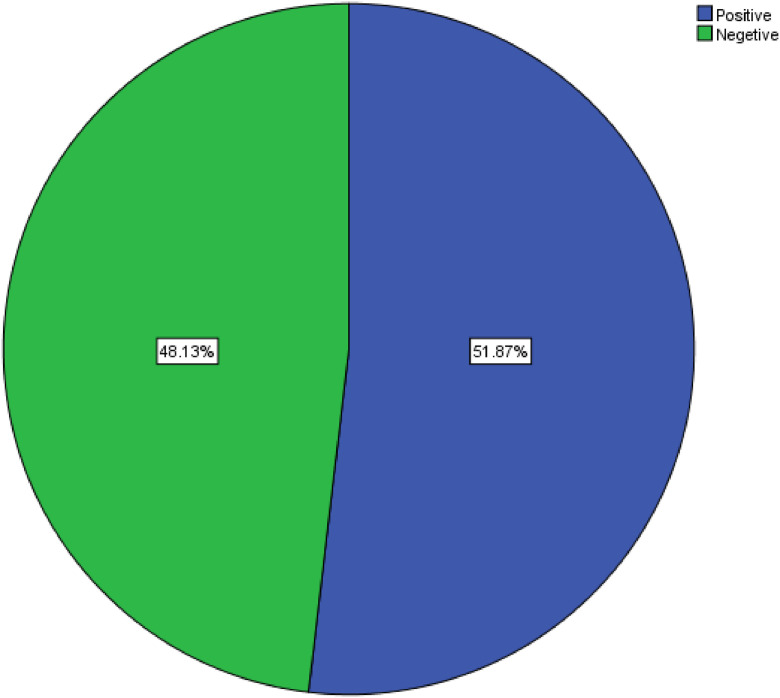 Figure 1
Peer Reviews
No public reviews on file for this paper yet. If you reviewed it on a platform where reviews are public (OpenReview, ICLR, NeurIPS, ICML), you can paste yours below so the community can read it here.
Videos
No videos yet. Explain this paper in a talk, walkthrough, or lecture? Add one.
Taxonomy
TopicsAntibiotic Use and Resistance · Antimicrobial Resistance in Staphylococcus · Infection Control in Healthcare
Introduction
Antimicrobial resistance (AMR) is recognized by the World Health Organization as one of the top 10 global public health threats facing humanity [1,2]. Among the pathogens of concern, methicillin-resistant Staphylococcus aureus (MRSA) is significant due to its ability to cause a wide spectrum of diseases, ranging from skin and soft tissue infections to life-threatening sepsis [[3], [4], [5]]. While historically associated with hospitals, community-associated MRSA (CA-MRSA) has emerged as a dominant strain in low-resource settings [[6], [7], [8]].
The epidemiology of MRSA is intrinsically linked to environmental conditions [[9], [10], [11]]. Transmission occurs primarily through direct skin-to-skin contact and shared fomites [[12], [13], [14]]. Consequently, environments characterized by overcrowding and compromised hygiene act as incubators for transmission [15,16].
Somalia hosts one of the world’s largest internally displaced populations [17]. In Mogadishu, hundreds of thousands of internally displaced persons (IDPs) reside in the peripheral districts of Daynile and Kahda [18]. Residents often live in makeshift shelters offering poor ventilation and high density [19]. Although specific data on IDPs in Somalia is sparse, studies from refugee settings in other regions, such as Swiss refugee centers and camps in Ethiopia, have documented that the precarious nature of displacement significantly amplifies the risk of MRSA acquisition and clinical infection [11,20]. Furthermore, access to formal healthcare is limited, leading to reliance on informal drug sellers and unregulated antibiotic use [21,22].
Despite the biological plausibility for rapid MRSA transmission in these camps, community-based data remains limited. Previous Somali studies focused on clinical isolates from hospitals [23]. This study aims to bridge this gap by determining the prevalence of nasal MRSA carriage specifically among IDPs in Mogadishu and identifying modifiable risk factors.
Methods
Study design and setting
A descriptive cross-sectional study was conducted in the Daynile and Kahda districts of the Banadir Region (Mogadishu), which host the highest density of informal IDP settlements. The study was conducted from August to October, 2025.
Study population
The population comprised individuals of all ages residing in the selected IDP camps.
- •Inclusion criteria: Individuals residing in the camp for at least 3 months.
- •Exclusion criteria: Active nasal pathology (defined as current rhinitis, nasal bleeding, or visible sores/abscesses), current intranasal medication use, or systemic antibiotic therapy within the last 48 hours.
Ethical approval statement
The authors declare that this study was conducted in accordance with ethical standards and approved by the Jamhuriya Research Ethics Committee, Jamhuriya University of Science and Technology, Mogadishu, Somalia (Ref: JUREC00250/FMHS000132/062025). Written informed consent was obtained from all participants prior to enrollment.
Sample size and sampling
The final sample size was 428 participants. The sample size was calculated using Cochran’s formula (n = Z²p(1-p)/d²). We assumed a prevalence (p) of MRSA carriage of 50% (as no similar local community study existed to provide a specific estimate), a 95% confidence level (Z = 1.96), and a 5% margin of error (d = 0.05). This yielded a base sample of 384, which was increased by 10% to account for non-response.
A systematic random sampling technique was employed. Four major settlements were selected. A sampling frame was created using household lists provided by camp leaders. We employed proportional allocation to determine the number of households to sample from each settlement based on their population size. A sampling interval ( ) was used to select households (k = total households / sample size). The first household was selected using a lottery method (picking a number between 1 and k). One eligible participant was selected from each household using a lottery method.
Data collection
Demographic and clinical data were collected using a pre-tested structured questionnaire. The questionnaire was interviewer-administered to ensure comprehension. Variables included sociodemographics (age, sex, duration of displacement), housing conditions (household size, sleeping rooms, water source, latrine type), and medical history (hospitalization, recent antibiotic use).
Laboratory procedures
- •Specimen collection: Sterile cotton-tipped swabs were collected from the anterior nares. Samples were placed in Amies transport medium, stored in a cool box at 4°C, and transported to the laboratory within 4 hours of collection.
- •Culture and identification: Samples were inoculated on Mannitol Salt Agar and incubated at 37°C for 24-48 hours. S. aureus was identified by colony morphology, gram stain, catalase, and coagulase tests.
- •Antimicrobial susceptibility testing: MRSA was identified using the cefoxitin (30 µg) disk diffusion method on Mueller-Hinton Agar per Clinical & Laboratory Standards Institute (CLSI) guidelines (M100, 33rd Edition) [24]. An inhibition zone of mm indicated methicillin resistance.
Statistical analysis
Data were analyzed using SPSS Version 25.0. Frequencies and percentages were used for descriptive statistics. Bivariate analysis and multivariable logistic regression were performed to identify predictors of MRSA carriage. Results are reported as adjusted odds ratios (aOR) with 95% confidence intervals (CIs). Statistical significance was set at
Results
Sociodemographic characteristics
A total of 428 IDPs participated in the study. The gender distribution was 53% (227/428) male and 47% (201/428) female. Most participants were in the age groups of 60-79 years (34.6%) and 45-59 years (26.2%). Regarding the duration of displacement, the largest group (43.9%) had resided in the camps for 1-15 months, indicating a population with many recent arrivals (Table 1).Table 1. Sociodemographic characteristics of study participants (N = 428).Table 1 dummy alt textVariableFrequency (n)Percentage (%)SexMale22753.0Female20147.0Age group18–29 years7016.430–44 years9822.945–59 years11226.260–79 years14834.6Duration of displacement1-15 months18843.916-30 months8519.931-45 months7918.5≥46 months7617.8
Medical and housing history
More than half of the participants (52.1%) had been hospitalized in the last 12 months. Antibiotic usage was high, with 49.3% reporting antibiotic use in the past 3 months and 50.2% obtaining antibiotics over-the-counter (OTC). Housing conditions revealed that 34.3% lived in small households (1-4 members), while 39.5% lived in households of 5-8 members. Most participants (62.1%) reported having 3-5 sleeping rooms. Water sources varied, with 35.3% using piped water and 34.8% relying on tankers (Table 2, Table 3).Table 2. Medical history and antibiotic use (N = 428).Table 2: dummy alt textVariableFrequency (n)Percentage (%)Hospitalized in last 12 monthsYes22352.1No20547.9Antibiotic use in past 3 monthsYes21149.3No21750.7Obtained antibiotics over-the-counterYes21550.2No21349.8Shared antibiotics with othersYes19946.5No22953.5Table 3Household and living conditions (N = 428).Table 3 dummy alt textVariableFrequency (n)Percentage (%)Household size1-4 members14734.35-8 members16939.59-11 members11226.2Number of sleeping rooms1-2 rooms16237.93-5 rooms26662.1Source of waterPiped water15135.3Tanker (Truck)14934.8Well12829.9Latrine typeFlush toilet15235.5Pit latrine13832.2Open defecation13832.2
Prevalence of MRSA carriage
Laboratory analysis of nasal swabs from 428 study participants revealed Staphylococcus aureus colonization in 60.5% (259/428) of individuals. Of these S. aureus-positive individuals, 222 were colonized with MRSA. Consequently, the proportion of MRSA among S. aureus isolates was 85.7% (222/259), and the overall prevalence of MRSA nasal carriage in the study population was 51.9% (222/428) (Figure 1).Figure 1. Prevalence of methicillin-resistant Staphylococcus aureus carriage among internally displaced persons in Mogadishu, Somalia.Figure 1 dummy alt text
Determinants of MRSA carriage
The multivariable logistic regression analysis identified specific risk factors independently associated with MRSA carriage. Duration of displacement emerged as a critical predictor, where participants who had recently arrived in the camp (1-15 months) demonstrated significantly higher odds of colonization compared to long-term residents (aOR = 2.919; 95% CI: 1.641-5.194; P = 0.001). Furthermore, household size was found to be a significant determinant; surprisingly, individuals living in smaller households (1-4 members) were approximately twice as likely to carry MRSA compared to those in larger family units (aOR = 2.076; 95% CI: 1.229-3.508; P = 0.013). In contrast, after adjusting for confounders, other variables, such as sex, age, history of hospitalization, recent antibiotic use, and the type of water source or latrine were not found to be statistically significant predictors of carriage (Table 4).Table 4. Bivariate and multivariable logistic regression analysis of factors associated with MRSA nasal carriage.Table 4 dummy alt textVariableMRSA positiveMRSA negativeCrude OR (95% CI)Adjusted OR (95% CI)P-valueSexMale1261011.36 (0.93-1.99)1.41 (0.94-2.11)0.097Female961051.001.00Age18-29 years43271.59 (0.85-2.97)1.80 (0.91-3.57)30-44 years49491.84 (1.00-3.38)1.62 (0.84-3.09)0.34245-59 years52601.43 (0.80-2.55)1.34 (0.71-2.50)60-79 years78701.001.00Duration of displacement1-15 months105832.58 (1.51-4.40)2.92 (1.64-5.19)****0.001a16-30 months28571.11 (0.66-1.89)1.31 (0.74-2.33)31-45 months42370.78 (0.45-1.35)0.83 (0.46-1.52)≥46 months47291.001.00Hospitalized (last 12 months)Yes1151081.03 (0.70-1.50)0.94 (0.62-1.41)0.750No107981.001.00Antibiotic use (past 3 months)Yes1051061.18 (0.81-1.73)0.85 (0.57-1.28)0.441No1171001.001.00Household size1-4 members64831.79 (1.09-2.95)2.08 (1.23-3.51)****0.013a5-8 members93761.13 (0.70-1.83)1.20 (0.73-1.99)9-11 members65471.001.00Water sourcePiped water77741.09 (0.69-1.71)1.10 (0.68-1.78)Well66621.06 (0.66-1.70)1.13 (0.68-1.86)0.884Tanker79701.001.00Latrine typeFlush toilet72801.44 (0.91-2.30)1.46 (0.89-2.37)Pit latrine72661.19 (0.74-1.92)1.17 (0.71-1.93)0.316Open defecation78601.001.00aStatistically significant at p < 0.05.CI, confidence interval; MRSA, methicillin-resistant Staphylococcus aureus; OR, odds ratio*.*
Discussion
This study represents a critical community-based assessment of MRSA nasal carriage among IDPs in Mogadishu. The results reveal an alarmingly high prevalence of MRSA carriage at 51.87%. This figure is significantly higher than rates typically reported in non-displaced community settings globally and exceeds findings from many other refugee settings [23,[25], [26], [27]]. This suggests that the IDP settlements in Mogadishu may act as high-intensity reservoirs for resistant pathogens.
The strongest predictor of MRSA carriage was the duration of displacement. Individuals who had arrived recently (1-15 months) had nearly three times the odds of carriage compared to long-term residents. This “new arrival effect” may be attributed to the acute stressors of displacement. Recent arrivals often inhabit the most precarious shelters, lack established hygiene routines, and may have lower immunity due to the stress of migration and malnutrition. Conversely, long-term residents may have acquired better housing or adapted hygienically to the environment over time. Consistent with our findings, studies conducted in refugee settings have identified displacement-related living environments as a key risk factor for adverse MRSA outcomes. In particular, residence in refugee centers has been associated with increased MRSA persistence and treatment failure, underscoring the role of crowded and resource-limited settings in sustaining MRSA carriage [20].
Contrary to the traditional hypothesis that larger families facilitate overcrowding and spread, our study found that smaller households (1-4 members) were at higher risk. In the context of Mogadishu’s IDP camps, small household size might be a proxy for socioeconomic vulnerability. Small family units may represent fragmented families or recent arrivals living in smaller, less ventilated shelters with poorer sanitation infrastructure compared to larger, established families who may occupy larger compounds [28]. Further qualitative research is needed to understand this dynamic.
While recent antibiotic use was high (49.3%), it did not remain a statistically significant predictor in the multivariable model ( ). However, the high descriptive rate of OTC antibiotic acquisition (50.2%) points to a widespread lack of antimicrobial stewardship, which likely contributes to the high baseline community resistance rates observed in the overall prevalence.
Limitations
This study has limitations. As a cross-sectional design, it establishes association but not causality. The high prevalence rate warrants molecular characterization (e.g., mecA gene polymerase chain reaction) to distinguish between CA-MRSA and HA-MRSA clones, which was not performed due to resource constraints. Additionally, data on antibiotic use was self-reported, potentially introducing recall bias.
Conclusion
The prevalence of MRSA nasal carriage among IDPs in Mogadishu is critical (51.87%). The study identifies recent arrivals (1-15 months duration) and smaller household units as the most vulnerable groups. To address this, health partners must implement targeted screening and decolonization for new entrants, urgently upgrade shelter sanitation, and enforce strict antimicrobial stewardship to curb unregulated antibiotic sales.
Declaration of competing interest
The authors have no competing interests to declare.
The reference list from the paper itself. Each links out to its DOI / PubMed record.
- 1E Clinical Medicine Antimicrobial resistance: a top ten global public health threat E Clinicalmedicine 41202110122110.1016/j.eclinm.2021.101221 PMC 863396434877512 · doi ↗ · pubmed ↗
- 2World Health Organization Global action plan on antimicrobial resistance 2017 World Health Organization Geneva
- 3Hassan S.A.Mohamed M.A.Salad Z.A.Mohamed N.D.Ahmed F.A.Dirie F.A.Prevalence of methicillin-resistant Staphylococcus aureus and associated factors from surgical ward inpatients at Shaafi Hospital, Mogadishu, Somalia IJID Reg 16202510071710.1016/j.ijregi.2025.100717 PMC 1239128640893799 · doi ↗ · pubmed ↗
- 4Ahmadi E.Khojasteh M.Mortazavi S.M.Khan-mohammadi F.Kazemnia A.Beheshtipour J.Prevalence of and risk factors for methicillin-resistant Staphylococcus aureus nasal carriage in the West of Iran : a population-based cross-sectional study BMC Infec Dis 19201989910.1186/s 12879-019-4567-131660878 PMC 6819401 · doi ↗ · pubmed ↗
- 5Efa F.Alemu Y.Beyene G.Gudina E.K.Kebede W.Methicillin-resistant Staphylococcus aureus carriage among medical students of Jimma University, Southwest Ethiopia Heliyon 52019 e 0119110.1016/j.heliyon.2019.e 01191 PMC 636034830775580 · doi ↗ · pubmed ↗
- 6Gould I.M.David M.Z.Esposito S.Garau J.Lina G.Mazzei T.New insights into meticillin-resistant Staphylococcus aureus (MRSA) pathogenesis, treatment and resistance Int J Antimicrob Agents 3920129610410.1016/j.ijantimicag.2011.09.02822196394 · doi ↗ · pubmed ↗
- 7Tefera S.Awoke T.Mekonnen D.Methicillin and vancomycin resistant staphylococcus aureus and associated factors from surgical ward inpatients at debre markos referral hospital, northwest ethiopia Infect Drug Resist 1420213053306210.2147/IDR.S 32404234408449 PMC 8364347 · doi ↗ · pubmed ↗
- 8Lee A.Chevret S.Durand-Zaleski I.Chastang C.Régnier B.Multicenter Study Group. Prevalence and risk factors for methicillin-resistant Staphylococcus aureus (MRSA) carriage on admission to different hospital sectors in two European countries BMC Proc 52011656110.1186/1753-6561-5-s 6-o 81 · doi ↗