Phantom Vibration Syndrome and Problematic Smartphone Use Among University Students: Associations With Sleep Disturbance, Mental Health, and Academic Stress
Maherin Khan, Mayren Heshmat Abdelalim Abdalla Mansour, Ashish Bishnoi, Priyanshu Dixit, Victor C Onuabuchi, Sepher K Khiavi, Hadiya Aleem, Ayaz Ali, Prachi Kumari, Hansi Zhang

TL;DR
University students frequently experience phantom phone vibrations and problematic smartphone use, which are linked to poor sleep, anxiety, and stress.
Contribution
This study explores the public health implications of phantom vibration syndrome and smartphone overuse among students.
Findings
41.4% of students reported phantom vibrations, with 5.4% experiencing them frequently.
Higher smartphone use was significantly linked to anxiety and sleep disturbances.
Students used digital detoxes and structured routines to manage smartphone overuse.
Abstract
Background: In a world where the mind vibrates even when the phone does not, digital habits are quietly reshaping how we rest, focus, and feel. Phantom vibration syndrome (PVS), the false sensation of a phone vibrating, and problematic smartphone use (PSU) have become increasingly common among university students. These behaviors may reflect deeper psychological conditioning linked to anxiety, poor sleep, and stress, yet they remain underexplored from a public health perspective. Methods: A cross-sectional online survey was conducted among 553 university students to examine the prevalence and correlates of PVS and PSU. Standardized scales measured sleep disturbance, anxiety symptoms, and academic stress. Descriptive and inferential analyses were performed using IBM SPSS Statistics version 29.0 (IBM Corp., Armonk, NY, USA). An open-ended question invited students to share strategies for…
Genes, proteins, chemicals, diseases, species, mutations and cell lines named across the full text — each resolved to its canonical identifier and authoritative record.
Click any figure to enlarge with its caption.
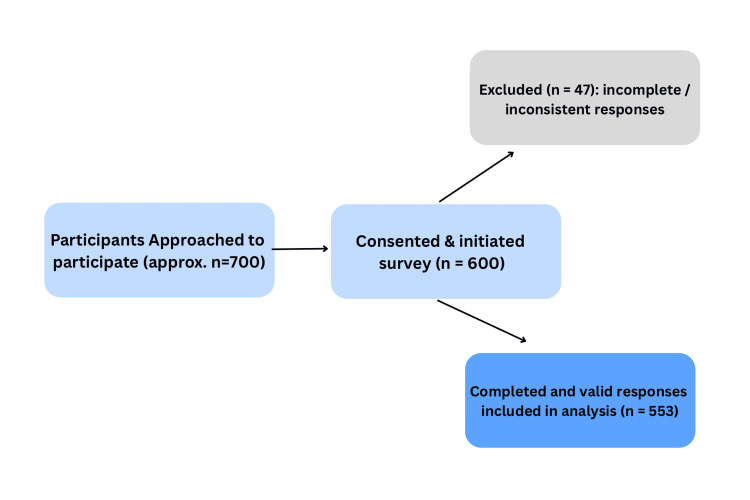 Figure 1
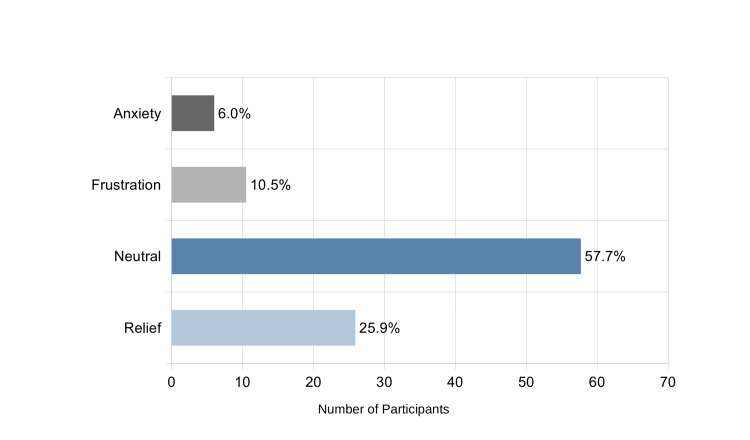 Figure 2
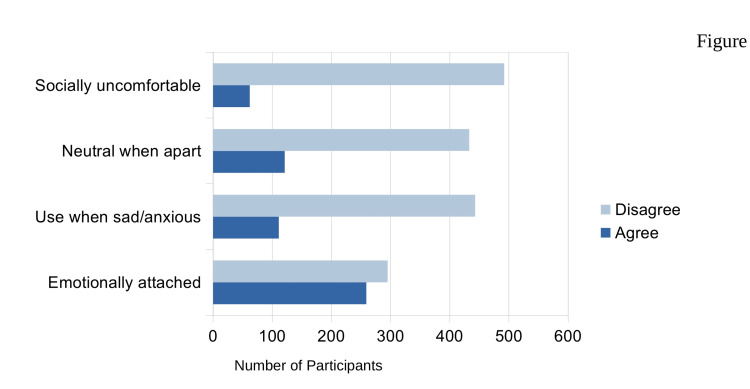 Figure 3
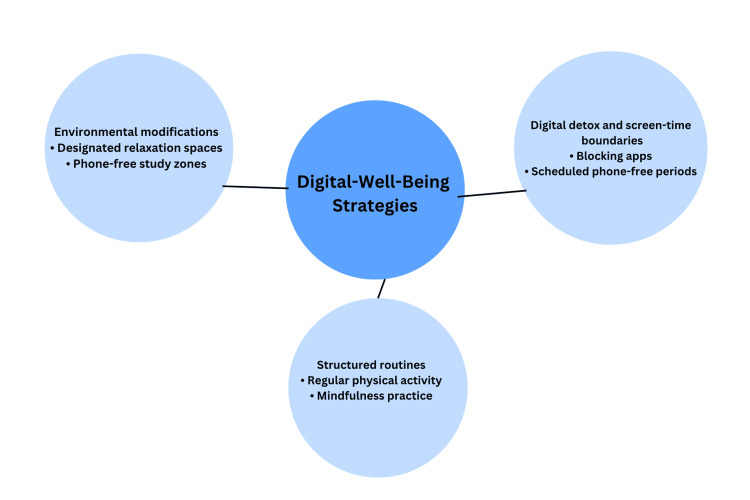 Figure 4
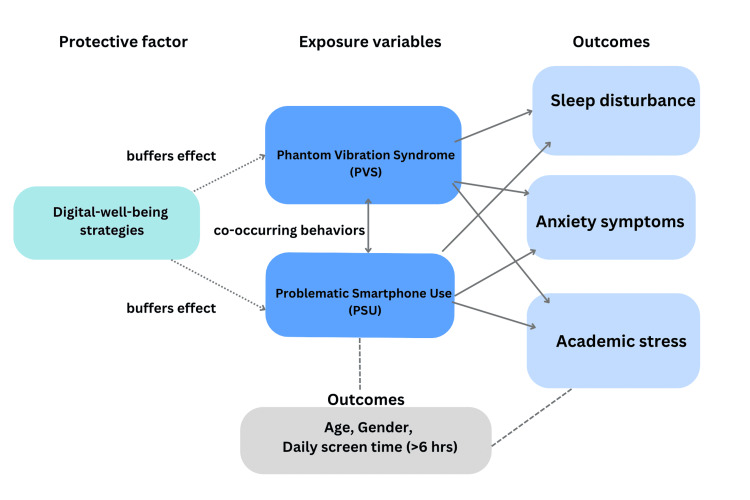 Figure 5
| Item no. | Questionnaire item | Response options |
| 1 | Age (in years) | Numeric |
| 2 | Gender | Male / female / prefer not to say |
| 3 | Academic level | Undergraduate / postgraduate |
| 4 | Field of study | Open-ended |
| 5 | Have you ever experienced a sensation where you felt your phone vibrating when it was not? | Yes / no |
| 6 | Frequency of phantom vibration sensations | Rarely / occasionally / frequently |
| 7 | Situations in which phantom vibrations occur | Study / rest / stress / night / other |
| 8 | Average daily smartphone screen time | <2 h / 2-4 h / 4-6 h / >6 h |
| 9 | Emotional attachment to smartphone | Not at all / slightly / moderately / strongly |
| 10 | Smartphone use before sleep | Yes / no |
| 11 | Wake up at night to check phone | Never / occasionally / frequently |
| 12 | Overall sleep quality | Very good / good / poor / very poor |
| 13 | Daytime fatigue or sleepiness | Yes / no |
| 14 | Smartphone use affects sleep | Yes / no |
| 15 | Feeling nervous or anxious (past 2 weeks) | Not at all → nearly every day |
| 16 | Difficulty relaxing | Not at all → nearly every day |
| 17 | Feeling tired or low energy | Not at all → nearly every day |
| 18 | Feeling down or low mood | Not at all → nearly every day |
| 19 | Suggested change to improve digital habits | Open-ended |
| Characteristics | Category | n (%) |
| Age group | 17-23 years | 435 (78.7%) |
| 24-27 years | 81 (14.6%) | |
| ≥28 years | 37 (6.7%) | |
| Gender | Male | 291 (52.6%) |
| Female | 262 (47.4%) | |
| Ethnicity | East Asian | 244 (44.1%) |
| Middle Eastern | 109 (19.7%) | |
| South Asian | 106 (19.2%) | |
| African | 56 (10.1%) | |
| European | 38 (6.87%) | |
| Year of study | 1st year | 167 (30.2%) |
| 2nd year | 119 (21.5%) | |
| 3rd year | 163 (29.5%) | |
| 4th year | 74 (13.4%) | |
| 5th year | 30 (5.4%) | |
| Daily study hours | <2 hours | 60 (10.8%) |
| 2-4 hours | 149 (26.9%) | |
| 4-6 hours | 178 (32.2%) | |
| >6 hours | 166 (30.0%) | |
| Attendance rate | >90% | 386 (69.8%) |
| 80-89% | 92 (16.6%) | |
| 60-79% | 38 (6.9%) | |
| <60% | 37 (6.7%) | |
| Daily screen time | <2 hours | 23 (4.2%) |
| 2-4 hours | 102 (18.4%) | |
| 4-6 hours | 187 (33.8%) | |
| 6-8 hours | 121 (21.9%) | |
| >8 hours | 120 (21.7%) |
| Variable | n | % |
| Sleep quality | ||
| Good / very good | 429 | 77.6 |
| Bad / very bad | 124 | 22.4 |
| Mental health-related symptoms | ||
| Fatigue / low energy | 303 | 54.8 |
| Sleep troubles | 192 | 34.7 |
| Loss of interest | 200 | 36.2 |
| Depressive symptoms / hopelessness | 159 | 28.8 |
| Concentration issues | 163 | 29.5 |
| Trouble relaxing (anxiety-related) | 237 | 42.9 |
| Nervous / anxious feelings | 225 | 40.7 |
| Excessive worry | 225 | 40.7 |
| Irritability | 132 | 23.9 |
Peer Reviews
No public reviews on file for this paper yet. If you reviewed it on a platform where reviews are public (OpenReview, ICLR, NeurIPS, ICML), you can paste yours below so the community can read it here.
Videos
No videos yet. Explain this paper in a talk, walkthrough, or lecture? Add one.
Taxonomy
TopicsEffects of Vibration on Health · Ergonomics and Musculoskeletal Disorders · Noise Effects and Management
Introduction
It is a silent expectation that never materialized but has a strong mental resonance. This brief feeling has become a commonplace aspect of digital life for the younger generation [1], serving as a subtly potent reminder of how deeply technology has permeated human behavior. Reaching for a phone that never vibrated or checking a screen that remained dark, once an occasional distraction, has become an almost universal reflex.
Excessive smartphone use has rapidly evolved into a modern behavioral epidemic, affecting not just productivity but the very rhythms of sleep, mood, and mental focus among young adults [1,2]. Beyond mere screen exposure, specific behaviors such as phantom vibration syndrome (PVS) and problematic smartphone use (PSU) reflect psychological dependency created by constant digital connectivity [3-5].
While recent research has explored the consequences of excessive smartphone exposure, much of it focuses narrowly on screen time or social media addiction, overlooking subtler phenomena such as PVS [6,7]. Similarly, although PSU has been linked to heightened anxiety, poor sleep, and academic strain, studies often rely on small or homogeneous samples [8,9]. A substantial knowledge gap persists in understanding how these interconnected digital behaviors jointly affect mental and physical well-being across culturally diverse academic populations [10-12].
University students represent a particularly vulnerable demographic, caught between academic demands, social pressures, and the constant pull of technology [13,14]. The convergence of these stressors fosters an environment where compulsive smartphone engagement becomes normalized, and its health implications are overlooked.
This study, therefore, investigates the combined impact of PVS and PSU on sleep disturbance, anxiety, and academic stress among university students. By examining these emerging digital behaviors together, this research seeks to illuminate their collective contribution to the growing public health crisis of digital fatigue. Addressing this silent epidemic is crucial: just as diet, sleep, and physical activity define wellness, digital well-being must now be recognized as a core determinant of health in the 21st century.
This article was previously posted as a preprint on the Research Square platform [15].
Objectives
The primary objective of this study was to examine the prevalence of PVS among university students and to assess its associations with PSU, self-reported sleep disturbances, and mental health-related symptoms. Secondary objectives included exploring patterns of smartphone-related behaviors, such as nighttime phone checking, and qualitatively summarizing students’ reported coping strategies related to digital well-being.
Materials and methods
Study design
This cross-sectional study examined associations between PVS, PSU, self-reported sleep disturbances, and mental health-related symptoms among university students. Data were collected via a self-administered online questionnaire distributed between April and May 2025. The survey included structured and open-ended items to assess smartphone-related behaviors, emotional reliance, and psychological symptoms experienced over the previous two weeks.
Study population
Undergraduate and postgraduate students enrolled in various academic programs at Jilin University were eligible if they were currently enrolled, aged 17 years or older, and provided informed consent. A non-probability convenience sampling method was used. Survey posters with QR codes were circulated physically and electronically to maximize outreach. Approximately 700 students were reached, 600 initiated the survey, and 553 provided complete and valid responses for analysis. Incomplete or inconsistent responses were excluded. A flow diagram illustrating participant recruitment and selection is presented in Figure 1.
Participant recruitment and inclusion flow diagram
Data collection and measures
The questionnaire consisted of five domains: sociodemographic characteristics, PVS, smartphone use behaviors, self-reported sleep disturbances, and recent mental health-related symptoms.
Phantom Vibration Syndrome
This was assessed based on the presence, frequency, and situational context of perceived phantom vibrations.
Sleep Disturbances
Participants self-reported sleep quality and sleep-related complaints, including fatigue and perceived sleep disruption, rather than clinically diagnosed sleep disorders.
Mental Health-Related Symptoms
These were assessed using selected items adapted from the Patient Health Questionnaire-9 (PHQ-9) [16] and Generalized Anxiety Disorder-7 (GAD-7) [17] to screen for fatigue, low mood, worry, and anxiety. Selected items were used for symptom screening purposes only; full diagnostic scales were not administered, and no clinical diagnoses were intended.
Smartphone Use Behaviors
These included daily screen time, emotional attachment to smartphones, and use during pre-sleep or nighttime hours [18].
Open-Ended Question
Participants were asked to suggest one change that could improve overall well-being or digital habits. Responses were reviewed and thematically grouped to identify recurring patterns related to digital well-being strategies.
Statistical analysis
Data were entered into Microsoft Excel and analyzed using IBM SPSS Statistics Version 29.0 (IBM Corp., Armonk, NY, USA).
Descriptive statistics were calculated for all variables. Categorical variables were summarized using frequencies and percentages, whereas continuous variables were reported as means and standard deviations.
Bivariate associations between PVS and categorical variables, including daily screen time, nighttime phone checking, sleep quality, and anxiety-related symptoms, were examined using chi-square (χ²) tests. A p-value <0.05 was considered statistically significant.
Binary logistic regression models were conducted to assess the relationship between PVS and key health outcomes. Two separate models were constructed: Model 1 assessed anxiety symptoms (present vs. absent), and Model 2 assessed poor sleep quality (poor/very poor vs. good/very good).
PVS status (yes vs. no) was the primary independent variable. Models were adjusted for potential covariates, including age group, gender, and daily screen time (>6 hours vs. ≤6 hours). Results were reported as odds ratios (ORs) with 95% CI and corresponding p-values. All statistical tests were two-tailed. The full questionnaire used in the study is provided in Table 1. Responses with substantial missing data or internally inconsistent answers were excluded before analysis.
Open-ended responses were grouped thematically using an exploratory descriptive approach rather than formal qualitative coding procedures.
Ethical approval
This study was conducted in accordance with the Declaration of Helsinki [19]. Ethical approval was obtained from the Institutional Review Board of Jilin University (AF-BMSIRB-01-07). All participants were informed about the study’s purpose and assured of anonymity and confidentiality.
The questionnaire was developed after reviewing relevant literature on PVS, PSU, sleep-related complaints, and mental health symptoms among university students. Items were designed to capture self-reported behaviors and symptoms rather than clinical diagnoses. Selected screening items were adapted from previously validated instruments, including the PHQ-9 and GAD-7, to assess recent mental health-related symptoms. The questionnaire was informally pretested among a small group of students to ensure clarity and comprehensibility before final distribution. Only selected screening items were adapted from the PHQ-9 and GAD-7 instruments; the full scales were not administered, and no diagnostic interpretations were made. This approach was adopted to minimize respondent burden and improve survey completion, and the selected items were analyzed individually as symptom indicators rather than as psychometric scale measures. Because the full PHQ-9 and GAD-7 instruments were not administered and the items were not intended to form composite scales, internal consistency measures such as Cronbach’s alpha were not calculated.
Results
Participants characteristics
A total of 553 students participated in the study. The majority were aged 17-23 years (78.7%) and identified as East Asian (79.4%). Gender distribution was balanced, and over half studied ≥4 hours per day with attendance rates above 90% (Table 2).
Prevalence and characteristics of phantom vibration syndrome
Overall, 41.4% (n=229) of respondents reported experiencing phantom vibrations. Among these, most reported rare episodes (62.6%), while 32.0% experienced them occasionally and 5.4% frequently. PVS episodes occurred most often while studying (48.1%) and during class (33.8%), followed by while communicating (27.5%) or before sleep (22.8%). Emotional responses to PVS were largely neutral (57.7%), but 25.9% reported relief, 10.5% frustration, and 6.0% anxiety (Figure 2).
Emotional responses to phantom vibration experiences among students reporting PVS (n=229)PVS, phantom vibration syndrome
Smartphone use behaviors
Most participants reported using their smartphones within 30 minutes before bedtime, and over half spent more than four hours daily on their devices. Academic performance and sleep schedules were the most commonly affected domains, while social interaction was less frequently reported. Emotional attachment to smartphones was widespread, with many participants describing affective dependence on their devices (Figure 3).
Emotional and social patterns of smartphone use among university students (n=553)
Sleep quality and mental health-related symptoms
Overall, 22.4% of students reported poor or very poor sleep quality. Fatigue and low energy were the most commonly reported symptoms (54.8%), followed by anxiety-related symptoms such as trouble relaxing (42.9%) and excessive worry (40.7%). Table 3 summarizes the prevalence of sleep and mental health indicators in the study population.
Associations between phantom vibration syndrome, smartphone use, and well-being
Chi-square analyses revealed significant associations between PVS experience and several behavioral and mental health factors. Students who experienced PVS were more likely to report high daily screen time (>6 hours; χ²(1)=12.4, p=0.002) and nighttime phone checking (χ²(1)=9.1, p=0.01) compared to those without PVS. PVS was also significantly associated with anxiety symptoms (χ²(1)=15.6, p<0.001). No significant associations were found with gender or academic year.
To further examine factors independently associated with PVS, a multivariable binary logistic regression analysis was performed. After adjustment for gender and daily screen time, anxiety-related symptoms remained significantly associated with PVS (OR=1.51, 95% CI: 1.07-2.14, p=0.019), indicating higher odds of PVS among students reporting anxiety symptoms. Female gender and high daily screen time were not independently associated with PVS in the adjusted model (p>0.05).
Qualitative responses
Thematic analysis of 112 open-ended responses identified three dominant strategies proposed by students to reduce stress and improve well-being: (1) digital detox and screen-time boundaries, such as using blocking apps or scheduling phone-free periods; (2) environmental modifications, including designated relaxation spaces at university; and (3) structured routines, particularly integrating regular physical activity and mindfulness practices. A thematic map (Figure 4) was developed based on the themes identified through this analysis [20].
Thematic map summarizing digital well-being strategies identified by students. Key approaches included structured digital detox periods, mindful environmental design, and routine-based behavioral regulation
Discussion
The present study investigated associations between PVS, PSU, self-reported sleep disturbances, and mental health-related symptoms among university students. Overall, our findings indicate that students experiencing PVS reported higher daily smartphone use, more frequent nighttime checking, and greater self-reported anxiety- and depression-related symptoms. Fatigue and low energy were the most commonly reported symptoms, consistent with prior research on the psychological impact of excessive smartphone engagement.
The observed relationships may be interpreted in light of conditioning theory and the fear of missing out (FOMO), although these interpretations remain hypothetical and should be explored further using longitudinal or experimental designs [21]. Given the cross-sectional nature of this study, causal relationships between PVS, PSU, self-reported sleep disturbances, and mental health-related symptoms cannot be inferred. It is also plausible that self-reported sleep disturbances may precede or exacerbate PVS and PSU, as poor sleep quality can increase cognitive vigilance and emotional sensitivity, potentially heightening the perception of phantom sensations.
From a behavioral perspective, repeated exposure to smartphone notifications and habitual checking behaviors may reinforce heightened sensory vigilance, which could plausibly contribute to the perception of phantom vibrations among frequent users. In the present study, the higher prevalence of PVS among students reporting increased screen time, nighttime checking, and anxiety-related symptoms is consistent with this conceptual framework. However, these interpretations remain exploratory and should be evaluated in future longitudinal studies.
The patterns identified in this study align with international evidence. Studies in China, Norway, and Turkey have likewise reported associations between prolonged smartphone use and symptoms of anxiety and sleep disturbance [2,7,9]. However, our findings extend these observations to a culturally diverse academic cohort, demonstrating that digital dependency transcends geographic boundaries. The emotional attachment and pre-sleep usage habits observed in this study mirror global behavioral trends, reinforcing that excessive smartphone engagement is an emerging public health concern with broad relevance [22]. The observed trends in PVS in relation to smartphone use and psychological factors are summarized in Figure 5.
Conceptual model illustrating hypothesized pathways between PVS, PSU, and mental health outcomes. PVS and PSU are proposed to influence sleep disturbance, anxiety symptoms, and academic stress. Digital well-being strategies may buffer these effects, while age, gender, and daily screen time (>6h) are considered potential confoundersPVS, phantom vibration syndrome; PSU, problematic smartphone use
Nighttime smartphone use may additionally influence sleep and psychological well-being through behavioral and perceptual mechanisms [23]. Participants in this study frequently reported nighttime phone checking and perceived sleep disruption, which may contribute to fatigue and emotional strain. These subjective experiences may help explain the observed associations between excessive smartphone use, self-reported sleep disturbances, and mental health-related symptoms, without implying specific physiological or clinical pathways.
Our study highlights the importance of considering both behavioral and emotional aspects of smartphone engagement when evaluating digital well-being. Emotional attachment to smartphones, nighttime checking behaviors, and daily screen time were all associated with self-reported mental health-related symptoms and sleep disturbances. These findings underscore the potential value of preventive strategies aimed at promoting balanced smartphone use and improved digital habits among university students [24].
Several limitations should be noted. The use of convenience sampling and a single university limits generalizability. Sleep quality and mental health-related symptoms were assessed using self-reported measures and selected items from validated screening tools rather than full diagnostic instruments, which limits comparability with studies using complete questionnaires. The cross-sectional design prevents the determination of causality, and academic program-specific analyses were not conducted, which may have revealed differential patterns across disciplines. Despite these limitations, the study included a relatively large and homogeneous sample, allowing for meaningful evaluation of associations among PVS, PSU, self-reported sleep disturbances, and mental health-related symptoms. Due to the nature of the study, the directionality of these associations cannot be determined, and reciprocal relationships between smartphone use, sleep disturbance, and psychological symptoms are possible.
Conclusions
This study highlights that PVS and PSU are prevalent and interconnected behaviors among university students, with measurable associations with anxiety symptoms, poor sleep quality, and academic stress. These patterns illustrate how constant digital engagement can heighten psychological arousal, disrupt rest, and undermine overall well-being.
Beyond identifying risk factors, the qualitative findings revealed that students themselves recognize the importance of behavioral change. Many proposed simple, self-directed strategies such as digital detox periods, structured daily routines, physical exercise, and designated relaxation spaces on campus. These student-driven suggestions reflect a growing awareness of the psychological costs of excessive connectivity and point toward practical, low-cost solutions that can be implemented within academic settings. At a broader level, the findings underscore the need for universities and public health stakeholders to adopt integrated digital well-being strategies that promote balanced smartphone use, sleep hygiene, and mental health awareness. Introducing supportive environments such as phone-free study zones, wellness workshops, and spaces for relaxation could help students manage stress and enhance focus.
The reference list from the paper itself. Each links out to its DOI / PubMed record.
- 1Smartphone use and social media involvement in young adults: association with nomophobia, Depression Anxiety Stress Scales (DASS) and self-esteem Int J Environ Res Public Health Vagka E Gnardellis C Lagiou A Notara V 920212024 https://doi.org/10.3390/ijerph 210709203906349610.3390/ijerph 21070920 PMC 11277010 · doi ↗ · pubmed ↗
- 2The effects of smartphone addiction on the body in young adults in Turkey Ethn Health Yağci Şentürk A Ceylan A Okur E 745755292024 https://doi.org/10.1080/13557858.2024.23760403898276810.1080/13557858.2024.2376040 · doi ↗ · pubmed ↗
- 3Correction to: prevalence of problematic smartphone usage and associated mental health outcomes amongst children and young people: a systematic review, meta-analysis and GRADE of the evidence BMC Psychiatry Sohn SY Rees P Wildridge B Kalk NJ Carter B 52212021 https://doi.org/10.1186/s 12888-020-02986-23348275110.1186/s 12888-020-02986-2PMC 7821539 · doi ↗ · pubmed ↗
- 4Phantom vibration and phantom ringing among mobile phone users: a systematic review of literature Asia Pac Psychiatry Deb A 23123972015 https://doi.org/10.1111/appy.121642540838410.1111/appy.12164 · doi ↗ · pubmed ↗
- 5Prevalence and correlates of problematic smartphone use in a large random sample of Chinese undergraduates BMC Psychiatry Long J Liu TQ Liao YH Qi C He HY Chen SB Billieux J 408162016 https://doi.org/10.1186/s 12888-016-1083-32785566610.1186/s 12888-016-1083-3PMC 5114822 · doi ↗ · pubmed ↗
- 6Screen use and social media "addiction" in the era of Tik Tok: what generalists should know Mo Med Xu KY Tedrick T Gold JA 4404451202023 https://pmc.ncbi.nlm.nih.gov/articles/PMC 10743327/38144925 PMC 10743327 · pubmed ↗
- 7The association between self-reported screen time, social media addiction, and sleep among Norwegian university students Front Public Health Hjetland GJ Skogen JC Hysing M Sivertsen B 794307920213497693510.3389/fpubh.2021.794307 PMC 8716598 · doi ↗ · pubmed ↗
- 8Digital intervention for problematic smartphone use Int J Environ Res Public Health Kent S Masterson C Ali R Parsons CE Bewick BM 13165182021 https://doi.org/10.3390/ijerph 1824131653494877410.3390/ijerph 182413165 PMC 8701454 · doi ↗ · pubmed ↗