Enhanced antibacterial properties of amoxicillin-loaded silver nanoparticles against Methicillin-resistant Staphylococcus aureus: physicochemical characterization, anti-virulence activity, and biofilm inhibition
Naifa Alenazi, Reem Binsuwaidan, Samiah Alhabardi, Saud Suliman Alanazi, Reham M. Aldahasi, Jawza A. Almutairi, Wafa K. Fatani

TL;DR
Researchers developed amoxicillin-loaded silver nanoparticles to combat drug-resistant Staphylococcus aureus, showing strong antibacterial effects and reduced biofilm formation.
Contribution
The study introduces a novel nanocarrier system combining silver nanoparticles and acacia extracts to enhance amoxicillin's efficacy against MRSA.
Findings
Amoxicillin-loaded silver-acacia nanoparticles inhibited MRSA growth with an MIC of 2 mg/mL.
The nanoparticles reduced biofilm formation by 80% and suppressed hemolytic activity.
The effective concentration was cytocompatible with endothelial cells.
Abstract
Methicillin-resistant Staphylococcus aureus (MRSA) presents significant challenges in healthcare and community settings due to its diverse virulence factors and increasing resistance to conventional antibiotics. Given the scarcity of effective treatments, developing innovative antibacterial strategies is essential. This study explores the potential of silver nanoparticles conjugated with acacia extracts as nanocarriers for amoxicillin to enhance antibacterial efficacy and circumvent resistance mechanisms in MRSA. The synthesized amoxicillin-loaded silver-acacia nanoparticles were characterized for their physicochemical properties, revealing spherical morphology with a minimum particle size of approximately 230 nm, a polydispersity index of 0.3, and a high negative zeta potential of −32 mV as confirmed by transmission electron microscopy. In vitro assays demonstrated that these…
Genes, proteins, chemicals, diseases, species, mutations and cell lines named across the full text — each resolved to its canonical identifier and authoritative record.
Click any figure to enlarge with its caption.
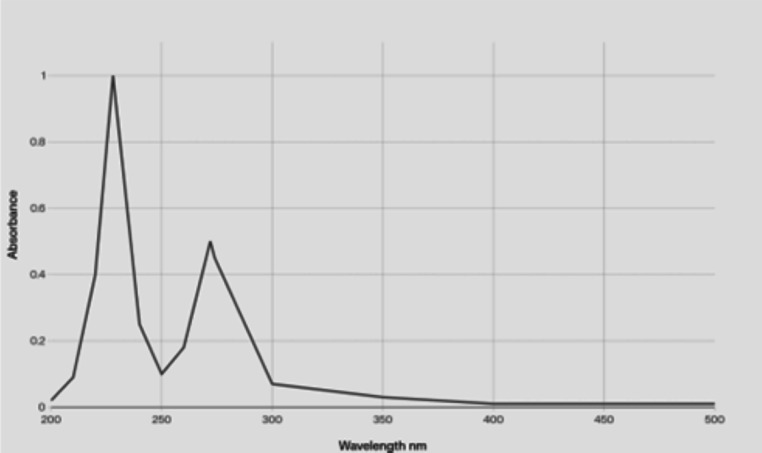 Figure 1
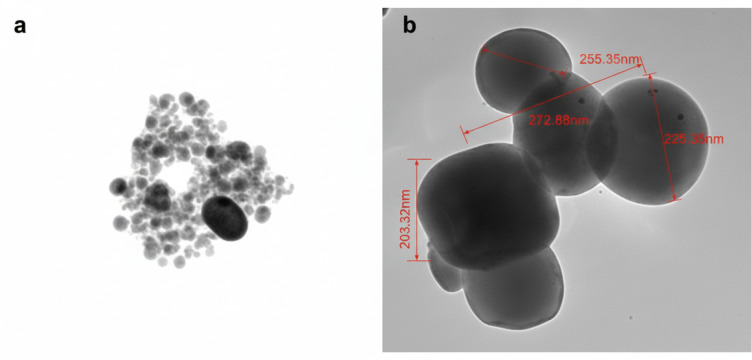 Figure 2
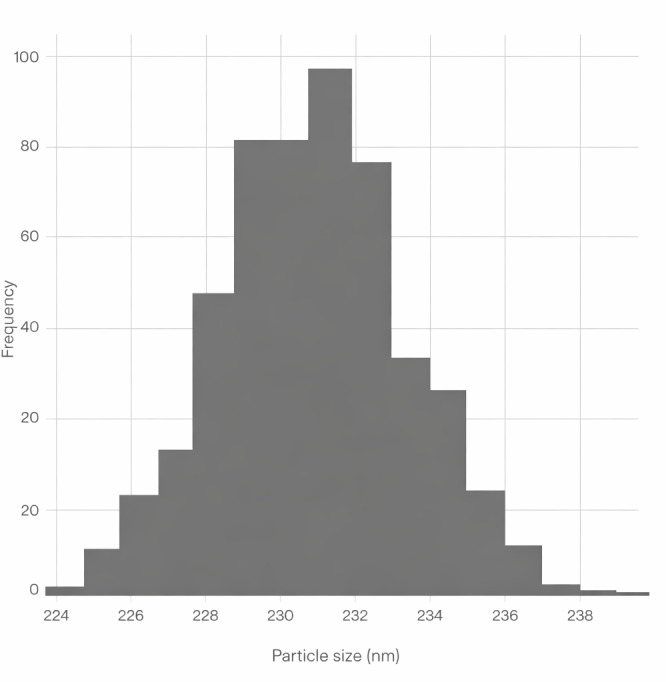 Figure 3
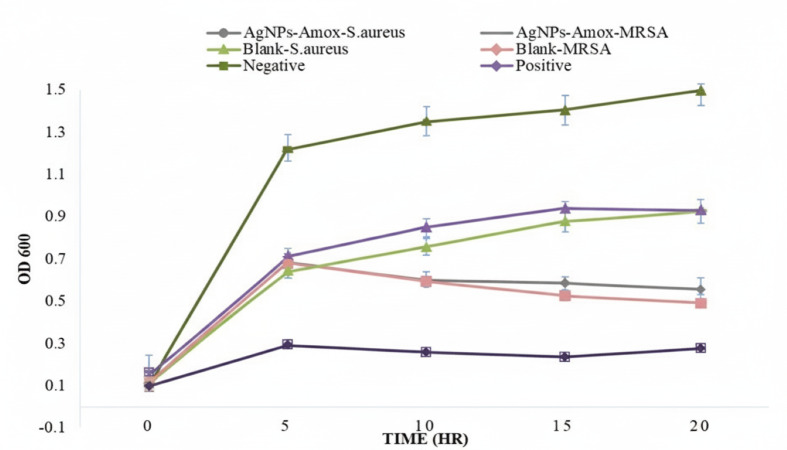 Figure 4
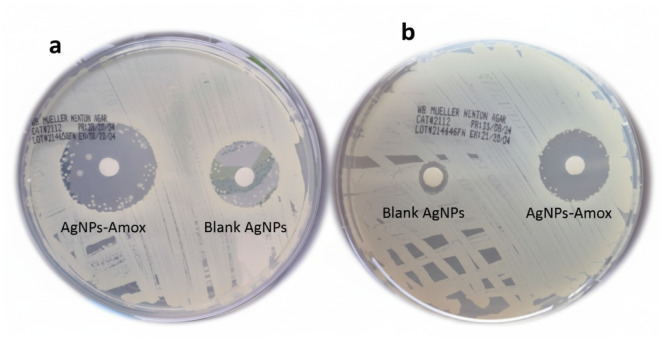 Figure 5
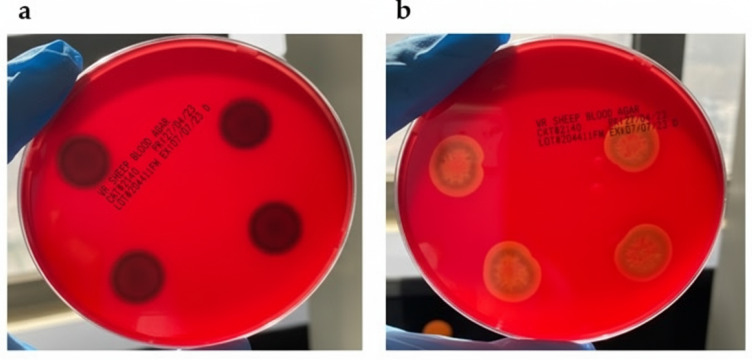 Figure 6
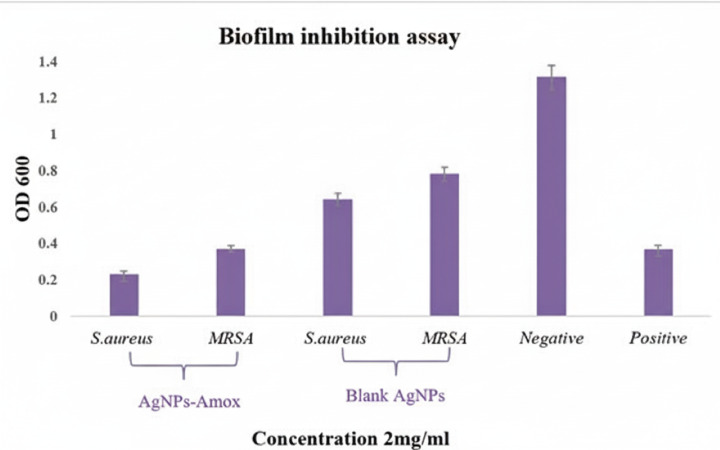 Figure 7
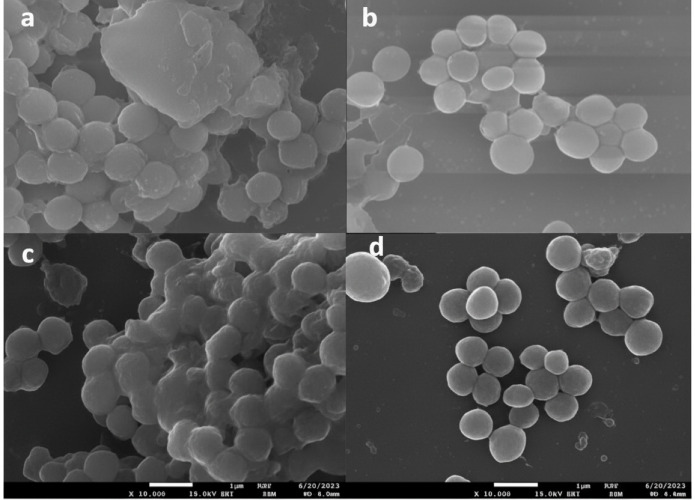 Figure 8
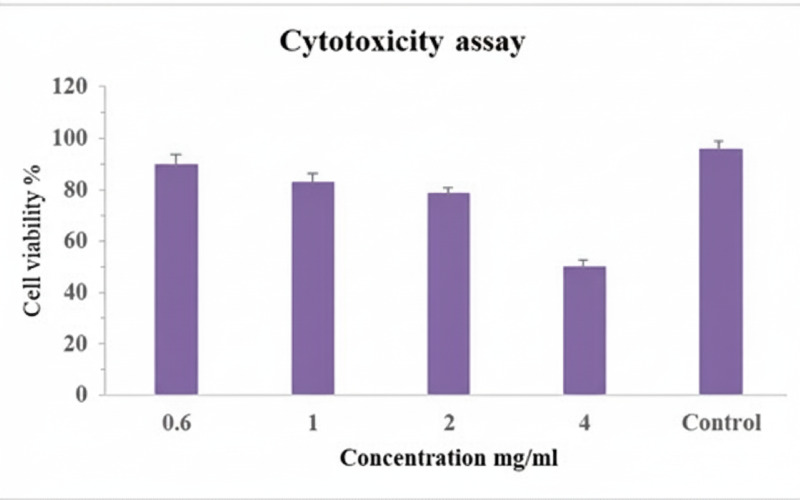 Figure 9
- —Princess Nourah Bint Abdulrahman University
- —King Saud University under the Ongoing Research Funding program
Peer Reviews
No public reviews on file for this paper yet. If you reviewed it on a platform where reviews are public (OpenReview, ICLR, NeurIPS, ICML), you can paste yours below so the community can read it here.
Videos
No videos yet. Explain this paper in a talk, walkthrough, or lecture? Add one.
Taxonomy
TopicsNanoparticles: synthesis and applications · Bacterial biofilms and quorum sensing · Antimicrobial agents and applications
Introduction
Methicillin-resistant Staphylococcus aureus (MRSA) is a formidable pathogen responsible for a wide range of infections, including device-related infections, osteomyelitis, endocarditis, and skin and soft tissue infections. MRSA remains a significant public health concern in Saudi Arabia, with recent studies indicating prevalence rates ranging from 17% to 45% depending on region, population, and clinical setting. Higher rates are observed in hospitals (Alhejaili et al., 2025). The emergence of MRSA strains resistant to multiple antibiotics, including β-lactam agents, has significantly complicated treatment options, leading to increased morbidity and mortality rates worldwide. The rapid spread of MRSA is driven by factors such as increased transmission rates, colonization, and the activation of virulence factors that enhance pathogenicity (Alhejaili et al., 2025; Aljeldah, 2020). Silver nanoparticles (AgNPs) are emerging as highly promising antibacterial agents due to their broad-spectrum efficacy against both Gram-positive and Gram-negative bacteria, including multidrug-resistant strains (Rodrigues, Batista & Rodrigues, 2024; Simon et al., 2021). The mechanism of action involves the release of silver ions, which disrupt bacterial cell membranes, induce oxidative stress via reactive oxygen species, and interfere with essential cellular processes such as DNA replication and protein synthesis (Rodrigues, Batista & Rodrigues, 2024). Studies highlight AgNPs’ ability to enhance the effectiveness of existing antibiotics, making them valuable candidates for developing new antimicrobial formulations. Their unique physicochemical properties and synergy with other antibiotics position silver nanoparticles as a powerful tool in combating resistant pathogens in healthcare settings (Simon et al., 2021). AgNPs operate through various mechanisms of action, and when used in conjunction with antibacterial agents, such as organic compounds or antibiotics, they demonstrate a potent antibacterial effect against pathogenic bacteria, including Escherichia coli and Staphylococcus aureus. The unique properties of silver nanoparticles render them particularly advantageous for use in medical and healthcare applications, where they can effectively treat or prevent infections (Al Bshabshe et al., 2020). Acacia extracts exhibit potent antibacterial activity against a wide range of bacterial strains, including antibiotic-resistant ones. Studies show that Acacia nilotica extracts, particularly from leaves, pods, and bark, inhibit the growth of pathogens like Escherichia coli, Salmonella, and S. aureus by damaging bacterial cell membranes and affecting cell integrity. The antimicrobial effect is concentration-dependent, with higher concentration showing stronger inhibition zones. Acacia’s bioactive compounds offer promising potential as alternative or complementary antibacterial agents, especially in combating resistant bacterial strains (Simon et al., 2021).
This plant may serve as a promising source for the development of novel antimicrobials that are effective against strains of pathogens resistant to antibiotics (Aldahasi, Shami & Mohammed, 2024). Amoxicillin is a significant member of the beta-lactam antibiotic class, utilized in the treatment of various bacterial infections that are susceptible, particularly those affecting the skin, genitourinary system, as well as the ear, nose, and throat (Akhavan, Khanna & Vijhani, 2023). Amoxicillin is a widely used antibiotic classified as an essential medicine by the World Health Organization (WHO) due to its effectiveness against a broad range of bacterial infections, including pneumonia and ear infections. It belongs to the aminopenicillin class and is valued for its safety and accessibility worldwide. However, the growing issue of bacterial resistance limits its clinical utility, necessitating prudent use to preserve its efficacy (World Health Organization, 2025; Bruna et al., 2021). Resistance to amoxicillin underscores the urgent need for new methods to reuse this important medication, which would also be cost-effective. Developing innovative strategies to restore amoxicillin’s efficacy, such as utilizing antibiotic adjuvants, potentiators, or combination therapies, can help overcome resistance mechanisms and extend the lifespan of this essential drug. These approaches not only preserve amoxicillin’s clinical utility but also reduce healthcare costs by minimizing the necessity for more expensive alternative treatments.
The incorporation of silver nanoparticles (AgNPs) and Acacia extract presents a novel and robust antibacterial strategy, wherein AgNPs act as a protective carrier enhancing amoxicillin’s stability and potency at the infection site. This study uniquely investigates the effects of AgNPs conjugated with Acacia extract and amoxicillin (AgNPs-Amox) against MRSA. Comprehensive physicochemical characterization of the formulation was conducted, and its antibacterial, anti-virulence, and biofilm inhibitory properties were evaluated. The findings demonstrate the promising therapeutic potential of AgNPs-Amox as an innovative approach for effectively combating MRSA infections, addressing resistance and biofilm challenges.
Materials and Methods
Materials
Silver nitrate, ferrous chloride, ferric chloride, and potato-dextrose agar (PDA) were obtained from the Laboratory of Princess Nourah bint Abdulrahman University, Riyadh, Saudi Arabia. Bacterial strains, including MRSA (ST239-III) from American Type Culture Collection (ATCC), and S. aureus wildtype (S2014; Sigma-Aldrich, St. Louis, MO, USA). Agar media were purchased from Oxoid, UK. The Zetasizer Nano ZS90 (Malvern Instruments Ltd, UK) was used for particle size, polydispersity index (PDI), and zeta potential measurements. Transmission electron microscopy (TEM) was performed using a JEM1230EX instrument (Tokyo, Japan), scanning electron microscope (SEM) (FEI Company, Hillsboro, NC, USA). A microplate reader, Bioanalytics (Germany, France, UK, Switzerland). Acacia extract was obtained from Laboratory of Princess Nourah bint Abdulrahman University, Riyadh, Saudi Arabia. All tests conducted in triplicate.
Preparation of AgNPs-Amox
Silver-acacia nanoparticles (AgNPs) were synthesized accordance to the previous study (Aldahasi, Shami & Mohammed, 2024). Combining 90 mL of 1 mM silver nitrate with 10 mL of Acacia extract, followed by heating at 90 °C for 15 min. The nanoparticles were centrifuged at 5,580 × g for 30 min, washed with distilled water, and dried. Amoxicillin (0.001 M) was added to the AgNPs, and was continuously stirred for 24 h at a temperature of 25 °C forming AgNPs-Amox (Sadiq et al., 2017).
Characterization of nanoparticles
The particle size, PDI, and zeta potential of AgNPs-Amox were measured (water) using a Zetasizer. UV-Vis spectroscopy (Thermo Fisher Scientific, Waltham, MA, USA) was used solely for the quantitative determination of amoxicillin of 200–500 nm. Transmission electron microscope (TEM) was employed to assess the morphology and size of the nanoparticles. The encapsulation efficiency of silver nanoparticles loaded with amoxicillin was determined through the indirect spectrophotometric method. The nanoparticles underwent treatment with chloroform and were thoroughly shaken, followed by measurement spectrophotometrically at 228 nm. The encapsulation efficiency can be computed using the formula provided below:
Encapsulation Efficiency = Amount of Encapsulated Nanoparticle/Amount of Encapsulated Nanoparticle + Free Nanoparticle ×100.
Antimicrobial activity assays
The minimum inhibitory concentration (MIC) of AgNPs-Amox was determined by growth assay. The growth of MRSA and S. aureus were assessed using optical density (OD) for 24 h at 600 nm wavelength. Different concentration were tested ranging from 0.6 to two mg/ml, to determine the lowest effective concentration. Vancomycin (two µg/mL) was used as positive control. The Kirby-Bauer disk diffusion method was used to evaluate the susceptibility of MRSA and S. aureus to AgNPs-Amox. Hemolysis was conducted using sheep blood agar plates to assess the anti-virulence capabilities of the nanoparticles. Both bacterial strains were suspended in buffer, standardized to turbidity (McFarland Standards 0.5).
Biofilm assay
Biofilm assay was used to evaluate the effect of MIC of formulated nanoparticles on bacterial biofilm formation. Overnight bacterial cultures adjusted to 0.5 McFarland standard were inoculated (100 µL) into 96-well microtiter plates containing 100 µL of formulated nanoparticles and incubated at 37 °C with shaking at 150 rpm overnight. Following incubation, planktonic cells were removed, and wells were washed twice with 0.9% NaCl and air-dried for 1 h. Biofilms were stained with 0.1% crystal violet for 15 min, excess stain was removed by washing thrice with 0.9% NaCl, and bound dye was solubilized with ethanol-acetone (80:20 v/v). Absorbance was measured using an ELISA plate reader to quantify biofilm mass.
Biofilm visualization via scanning electron microscopy
Biofilm formation was assessed using SEM. Briefly, an overnight culture of bacteria in Tryptic Soy Broth (TSB) was diluted to 10^7^ CFU/mL in Lysogeny Broth (LB). Aliquots (two mL) of the diluted culture were added to 6-well plates and two mL of fresh LB. Biofilms were allowed to form on the coverslips for 24 h at 37 °C. The resulting biofilms were fixed with 3% glutaraldehyde in phosphate buffer (pH 7.2) for 24 h, followed by post-fixation with 1% osmium tetroxide for 1 h. Dehydration was performed using a graded ethanol series (50–100%), after which the sample was dried, sputter-coated with a palladium-gold film, and imaged using SEM (Alfaraj et al., 2023).
Cytotoxicity assessment via MTT assay
Human endothelial cells were cultured in Dulcecco’s Modified Eagle Medium (DMEM) supplemented with 10% (v/v) fetal bovine serum (FBS), 1% (v/v) penicillin, and 1% (v/v) streptomycin. The cells were maintained in a humidified incubator at 37 °C with 5% CO_2_. For cytotoxicity evaluation, cells were seeded at a density of 5 × 10^3^ cells per well in 96-well plates and allowed to adhere overnight under standard culture conditions. After adherence, the cells were treated with varying concentration of the AgNPs-Amox, ranging from 0.5 mg/mL to 4mg/mL, and incubated for 48 h at 37 °C with 5% CO_2_. penicillin/streptomycin antibiotics were removed from the culture medium during antimicrobial exposure to avoid confounding cytotoxicity results. Cell viability was assessed using the MTT assay.
Statistical analysis
All experiments were performed in triplicate (n = 3 independent replicates). Statistical analysis was conducted using one-way ANOVA with a significance level set at p ≤ 0.05 for detecting meaningful differences. Following the ANOVA, we applied Tukey’s Honestly Significant Difference (HSD).
Results
Characterization of nanoparticles
The synthesized silver nanoparticles loaded with amoxicillin (AgNPs-Amox) were characterized for size, polydispersity index (PDI), and surface charge (zeta potential). Dynamic light scattering measurements revealed that AgNPs-Amox exhibited a mean particle diameter of 230 nm with a narrow size distribution indicated by a PDI of 0.31 (Guo & Li, 2023). The zeta potential was determined as −32 mV, suggesting good colloidal stability due to electrostatic repulsion between particles. In comparison, blank silver nanoparticles (AgNPs) showed a smaller average size of 120 nm, a lower PDI of 0.21, and a zeta potential of −24 mV (Table 1). The UV-Vis absorption spectrum for amoxicillin in the range of 200–500 nm, showing characteristic peaks at 228 nm and 274 nm (Fig. 1). Transmission electron microscopy (TEM) confirmed the spherical morphology of both nanoparticle formulations, with diameters consistent with size measurements (Fig. 2), and the histogram shows a narrow, and normal size distribution (Fig. 3). The encapsulation efficiency is defined as the percentage of drug that is entrapped successfully by the silver nanoparticles. Utilizing the formula provided:
Encapsulation Efficiency = Amount of Encapsulated Nanoparticle/Amount of Encapsulated Nanoparticle + Free Nanoparticle ×100.
It was determined that the quantity of encapsulated nanoparticles is 3.12 mg, while the total of encapsulated and free nanoparticles amounts to 4.2 mg. The encapsulation efficiency was computed to be 74.2%, which signifies a notably high and effective loading of silver amox nanoparticles.
Antimicrobial activity
The antimicrobial efficacy of AgNPs-Amox was assessed against MRSA and S. aureus using growth assays and antibiotic susceptibility testing. The minimum inhibitory concentration was established at two mg/ml for both bacterial strains. Growth curves demonstrated significant bacterial growth suppression upon treatment with AgNPs-Amox at this concentration compared to the untreated controls (Fig. 4). The Kirby-Bauer disk diffusion assay further corroborated these findings, showing pronounced zones of inhibition for both MRSA and S. aureus when exposed to AgNPs-Amox at two mg/ml (Fig. 5). By contrast, the blank AgNPs exhibited minimal antibacterial activity, indicating the critical role of the conjugated antibiotic in antimicrobial.
Table 1: The particle size, PDI and ζ-potential.
UV-Vis absorption spectrum for amoxicillin (0.001 M) in the range of 200–500 nm, showing characteristic absorption peaks at 228 nm and 274 nm.
Transmission Electron Microscopy (TEM) images of nanoparticles.(A) Blank silver nanoparticles (AgNPs), (B) silver nanoparticles loaded with amoxicillin (AgNPs-Amox), demonstrating spherical morphology and size around 230 nm for drug-loaded nanoparticles.
The histogram for silver-amox nanoparticles.Narrow, approximately normal size distribution centered around 230 nm.
Growth curves of MRSA and S. aureus treated with formulated nanoparticles.Antimicrobial activity at MIC concentration of 2 mg/ml. Data presented as mean ± SD, n = 3 (p < 0.05).
Kirby-Bauer antibiotic susceptibility test results showing zones of inhibition for (A) S. aureus; AgNPs-Amox 2.2 mm, blank AgNPs 1.4 mm, and (B) MRSA; AgNPs-Amox 1.6 mm, blank AgNPs 0.1 mm. Both strains were treated with AgNPs-Amox at 2.High bacterial susceptibility; blank AgNPs showed minimal activity.
Anti-virulence and biofilm inhibition
The ability of AgNPs-Amox to mitigate virulence factors was investigated by measuring hemolytic activity and biofilm formation. Hemolysis is considered absent when no clear zone forms around the colony, and present when a clear zone of lysis is visible. At the MIC concentration two mg/ml, AgNPs-Amox completely suppressed hemolysis induced by MRSA, whereas blank AgNPs only partially inhibited this activity (Fig. 6).
In biofilm inhibition assays, the percentage of biofilm eradication was calculated to untreated control samples, which were assigned 100% biofilm biomass. The biofilm biomass was quantified using the crystal violet staining. After staining, the dye bound to the biofilm was solubilized, and absorbance was measured at 590 nm. The percent eradication was then calculated as:
% Eradication = [(OD of control – OD of treated)/OD of control] ×100.
AgNPs-Amox achieved an approximately 80% reduction in biofilm formation, significantly exceeding the 25% reduction observed with blank AgNPs at the same concentration (p < 0.05) (Fig. 7). Scanning electron microscopy (SEM) analyses revealed notable disruption of biofilm architecture in bacteria treated with AgNPs-Amox compared to untreated controls, further substantiating the potent antibiofilm effect of the formulated nanoparticles (Fig. 8).
Hemolytic activity assay against MRSA: (A) complete suppression of hemolysis by AgNPs-Amox at MIC (2 mg/ml), zone diameter is 0 mm (B) partial suppression by blank AgNPs at same concentration from the diameter zone were 0.2 mm to o.1 mm.
Biofilm inhibition assay comparing AgNPs-Amox and blank AgNPs effects on bacterial biofilm formation.AgNPs-Amox achieved 80% inhibition versus 25% by blank AgNPs at 2 mg/ml, negative control bacterial biofilm without treatment, positive control bacterial.
Scanning electron microscopy (SEM) images showing the effect of nanoparticles on biofilms: (A) untreated S. aureus, (B) S. aureus treated with AgNPs-Amox, (C) untreated MRSA, (d) MRSA treated with AgNPs-Amox.
Cytotoxicity result
The cytotoxic potential of AgNPs-Amox was evaluated using endothelial cells exposed to increasing concentration of the nanoparticles, ranging from 0.5 mg/ml to four mg/ml. Results showed that higher concentration correlating with decreased cell viability. However, at the MIC concentration of two mg/ml, the treatment was found to be cytocompatible, demonstrating statistically significant maintenance of cell viability (p < 0.05) (Fig. 9). These findings suggest a favorable therapeutic window where antimicrobial efficacy is achieved without detrimental effects on endothelial cells.
Cytotoxicity assay of AgNPs-Amox on endothelial cells.The higher concentration (4 mg/ml) were associated with reduced cell viability. MIC concentration demonstrating cytocompatibility. Data shown as mean ± SD, n = 3 (p < 0.05).
Discussion
The emergence of MRSA as a formidable pathogen within both healthcare and community environments presents a significant challenge to current antimicrobial therapies, underscoring the urgent need for novel treatment strategies (Hasanpour et al., 2023). This study demonstrates that silver nanoparticles conjugated with amoxicillin (AgNPs-Amox) exhibit robust antibacterial and anti-virulence activities against MRSA and S. aureus. The observed enhancement in efficacy likely arises from the interplay among silver nanoparticles, acacia extract, and amoxicillin, which collectively augment antimicrobial potency and disrupt bacterial pathogenic mechanisms (Saleh & Hassan, 2024).
The physicochemical characterization of AgNPs-Amox confirmed successful drug encapsulation, as evidenced by an increased average particle size of 230 nm compared to blank silver nanoparticles, alongside a reasonably low polydispersity index (PDI) of 0.31, indicating a relatively homogeneous nanoparticle population. The measured zeta potential of −32 mV suggests stable nanoparticle dispersion, which is critical for maintaining colloidal stability and ensuring effective delivery to bacterial targets. Transmission electron microscopy further substantiated the morphological integrity and size increase following amoxicillin loading. Such encapsulation not only protects the antibiotic from premature degradation but also improves its bioavailability and facilitating enhanced antibacterial action (Nielsen et al., 2014).
Antibacterial assays reaffirmed the superior efficacy of AgNPs-Amox compared to silver nanoparticles or amoxicillin alone. The minimum inhibitory concentration of two mg/ml against both MRSA and S. aureus highlights a potent growth inhibitory effect. This antibacterial enhancement is congruent with findings from Surwade et al. (2019), who reported synergistic interactions between silver nanoparticles and β-lactam antibiotics, where nanoparticles facilitate antibiotic penetration and disruption of bacterial defenses, particularly against drug-resistant strains. The Kirby-Bauer assay also demonstrated significant inhibition zones for AgNPs-Amox, showing that nanoparticles combined with antibiotics can restore or enhance susceptibility in resistant bacteria (Rai, Yadav & Gade, 2018; Do et al., 2023).
The anti-virulence properties of AgNPs-Amox were evidenced by complete suppression of MRSA hemolytic activity at MIC, an important virulence determinant contributing to immune evasion and tissue damage. Such inhibition is pivotal in attenuating bacterial pathogenicity beyond simple bactericidal effects. Furthermore, the formulation achieved approximately 80% reduction in biofilm formation, outperforming the 25% inhibition by blank nanoparticles alone. Given that biofilms confer enhanced resistance to antibiotics and shield bacteria from host immune responses, their disruption represents a critical therapeutic objective in combating persistent MRSA infections. The observed antibiofilm efficacy aligns with documented nanoparticle-mediated interference with biofilm matrix synthesis (Palau et al., 2023).
Mechanistically, the synergistic antibacterial effect can be attributed to the multifaceted actions of silver nanoparticles, acacia extract, and amoxicillin. Silver nanoparticles exert broad-spectrum antimicrobial effects by disrupting bacterial membranes, generating reactive oxygen species (ROS), and impeding DNA replication. Acacia extract, known for its antimicrobial phytochemicals, likely potentiates these effects by further compromising bacterial membrane integrity and metabolic functions. Importantly, amoxicillin, typically ineffective against MRSA alone due to resistance mechanisms, demonstrates restored efficacy when encapsulated within AgNPs, which may protect the drug from enzymatic degradation and promote enhanced intracellular delivery (Rai, Yadav & Gade, 2018; Ibraheem et al., 2022).
The present findings establish AgNPs-Amox as a promising antimicrobial formulation that combines nanoparticle technology and conventional antibiotics to overcome bacterial resistance and virulence. This multifunctional approach represents a significant advancement over traditional monotherapies, potentially reducing required antibiotic doses and mitigating resistance development. Future investigations should extend to in vivo models and clinical evaluations to validate therapeutic safety and efficacy. The integration of nanotechnology with classical antibiotics holds great promise to address the escalating global threat posed by multidrug-resistant pathogens such as MRSA.
Conclusion and Future Perspectives
This study confirms that silver nanoparticles conjugated with amoxicillin (AgNPs-Amox) exhibit significant antibacterial and anti-virulence effects against MRSA and S. aureus. The capacity of AgNPs-Amox to inhibit key bacterial virulence factors such as hemolysis and biofilm formation underscores its potential not only to eradicate bacteria but also to attenuate their pathogenicity, an essential criterion for addressing persistent and chronic infections. Loading capacity and encapsulation efficiency were not determined in the present work, and this is acknowledged as a methodological limitation. The primary aim of this study was to evaluate the antimicrobial efficacy of the formulation rather than to provide a comprehensive pharmaceutical characterization. Future investigations will therefore focus on extensive physicochemical characterization, including quantitative assessment of loading capacity and encapsulation efficiency and long-term toxicity of AgNPs-Amox in suitable animal models. Additionally, the examination of the formulation’s efficacy against biofilm-associated infections in vivo will provide valuable insights into its therapeutic potential in complex physiological environments.
Supplemental Information
10.7717/peerj.20924/supp-1Supplemental Information 1Biofilm absorbance
The reference list from the paper itself. Each links out to its DOI / PubMed record.
- 1Akhavan BJ Khanna NR Vijhani P 2023 Amoxicillin Stat Pearls Stat Pearls Publishinghttps://www.ncbi.nlm.nih.gov/books/NBK 482250/29489203 · pubmed ↗
- 2Al Bshabshe A Joseph M Awad El-Gied A Fadul A Chandramoorthy H Hamid M 2020 Clinical relevance and antimicrobial profiling of Methicillin-Resistant Staphylococcus aureus (MRSA) on routine antibiotics and ethanol extract of mango kernel Bio Med Research International 20201810.1155/2020/8856159 PMC 704983732149104 · doi ↗ · pubmed ↗
- 3Aldahasi RM Shami A Mohammed AE 2024 Bimetallic nanoparticles and biochar produced by Adansonia digitata shell and their effect against tomato pathogenic fungi Peer J 12e 1702310.7717/peerj.1702338440409 PMC 10911075 · doi ↗ · pubmed ↗
- 4Alfaraj R Eltayb EK Al Fayez BM Abohamad A Eltahir E Alenazi NA Hababah S Alkahtani H Almangour TA Alqahtani FS 2023 Studying the anti-virulence activity of meta-bromo-thiolactone against Staphylococcus aureus and MRSA phenotypes Microbiology Research 1441596160910.3390/microbiolres 14040110 · doi ↗
- 5Alhejaili AY Zhou G Halawa H Huang J Fallatah O Hirayban R Iftikhar S Al Asmari A Milner M Banzhaf M Alzaidi AA Rajeh AA Al-Otaiby MA Alabbad SS Bukhari D Aljurayyan AN Aljasham AT Alzeyadi ZA Alajel SM Alanazi RH Alghoribi M Almutairi MM Pain A Senok A Moradigaravand D Al Salem W 2025 Methicillin-resistant Staphylococcus aureus in Saudi Arabia: genomic evidence of recent clonal expansion and plasmid-driven resistance dissemination Frontiers in Microbiology 16160298510.3389/fmicb.2025.160298540584034 PMC 12202538 · doi ↗ · pubmed ↗
- 6Aljeldah M 2020 Prevalence of methicillin-resistant Staphylococcus aureus (MRSA) in Saudi Arabia: a systematic review Journal of Pure and Applied Microbiology 141374610.22207/JPAM.14.1.04 · doi ↗
- 7Bruna T Maldonado-Bravo F Jara P Caro N 2021 Silver nanoparticles and their antibacterial applications International Journal of Molecular Sciences 2213720210.3390/ijms 2213720234281254 PMC 8268496 · doi ↗ · pubmed ↗
- 8Do B Bùi Thu H Ho T Linh D Nguyen Van M Dang-Bao T Tri N Phan H 2023 Green synthesis of nano-silver and its antibacterial activity against methicillin-resistant Staphylococcus aureus Journal of Saudi Chemical Society 2710172210.1016/j.jscs.2023.101722 · doi ↗