A Proposal of Secure and Automated Over-the-Air Firmware Update Mechanism for IoT Devices Using Continuous Integration and Continuous Delivery
Noprianto, Nobuo Funabiki, Htoo Htoo Sandi Kyaw, Komang Candra Brata, I Nyoman Darma Kotama

TL;DR
This paper proposes a secure and automated method for updating IoT device firmware using CI/CD to ensure reliability and prevent attacks.
Contribution
A novel secure OTA firmware update mechanism integrated with CI/CD for IoT devices is proposed.
Findings
The proposed mechanism ensures firmware integrity and authentication.
Performance and resource utilization were measured and found to be efficient.
Benchmarking confirmed the reliability and effectiveness of the approach.
Abstract
The Internet of Things (IoT) technology has grown rapidly over the past decade, resulting in deployments of thousands of IoT devices around the world. Then, managing firmware updates for these numerous devices poses significant challenges. Firmware updates face issues such as version rollback, modified firmware files, and potential man-in-the-middle (MITM) attacks, highlighting the need for a secure over-the-air (OTA) firmware update mechanism. In this paper, we propose an automated OTA firmware update mechanism, integrated with continuous integration (CI) and continuous delivery (CD) to ensure trusted sources for firmware origins. It offers security, error handling during firmware updates, and monitoring of the update process. For evaluations, we implemented the proposal with the SEMAR IoT application server that has been implemented in our previous studies. Then, we verified the…
Click any figure to enlarge with its caption.
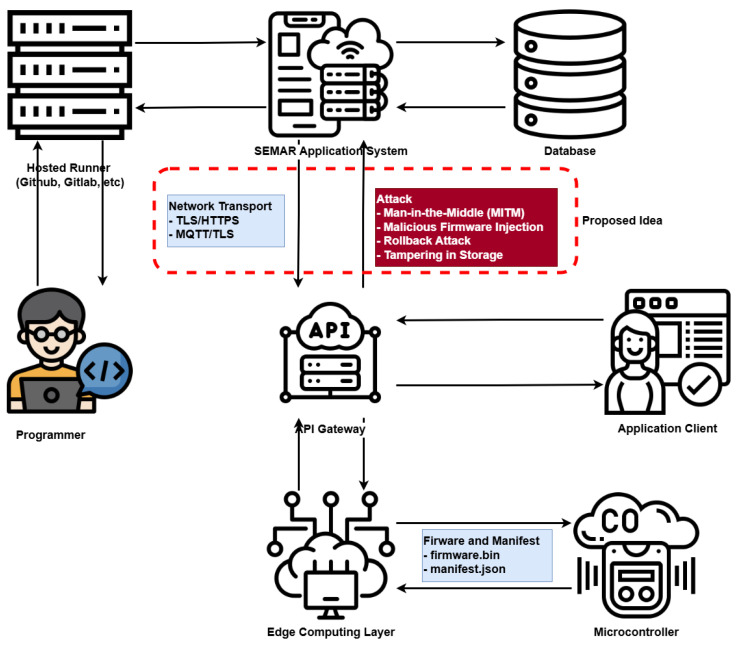 Figure 1
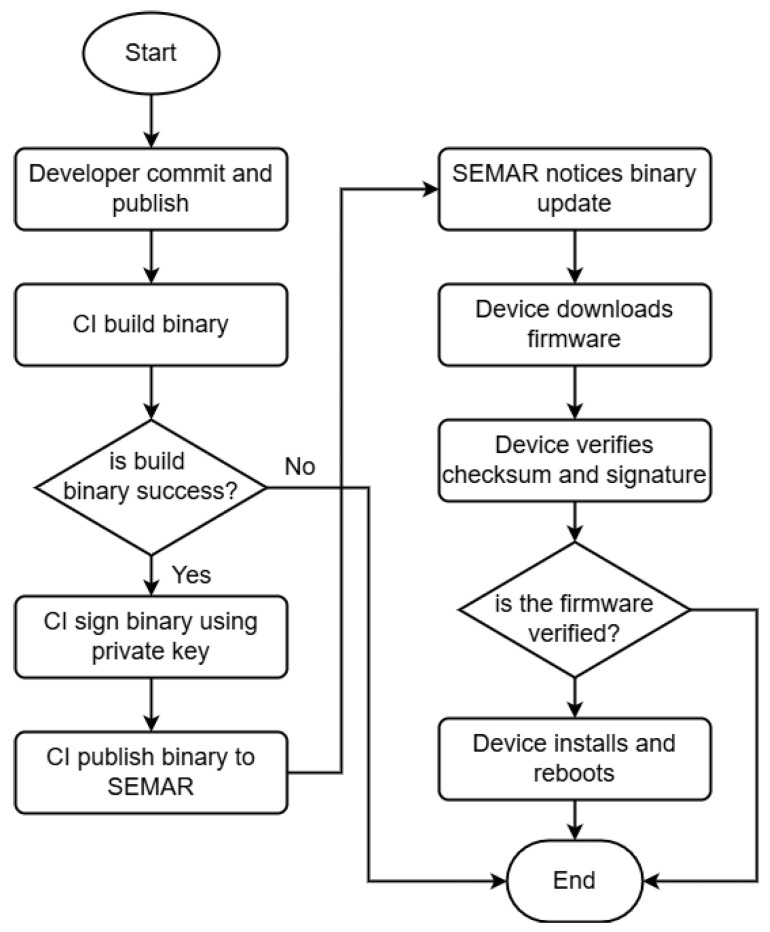 Figure 2
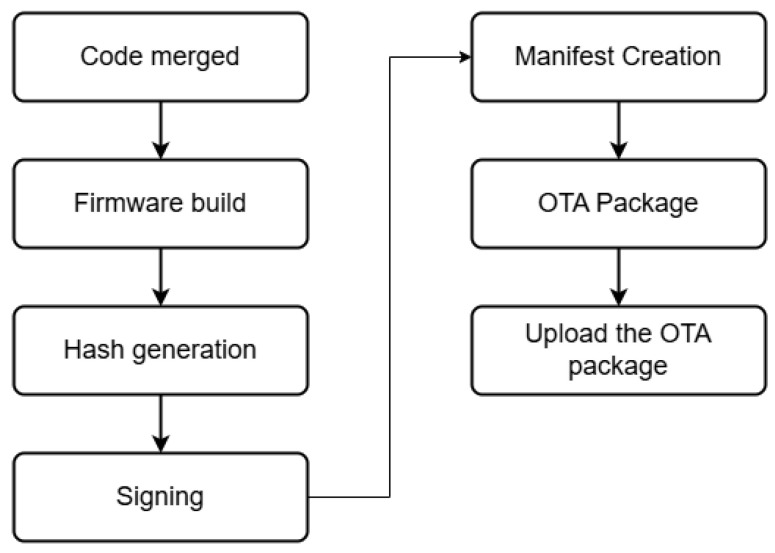 Figure 3
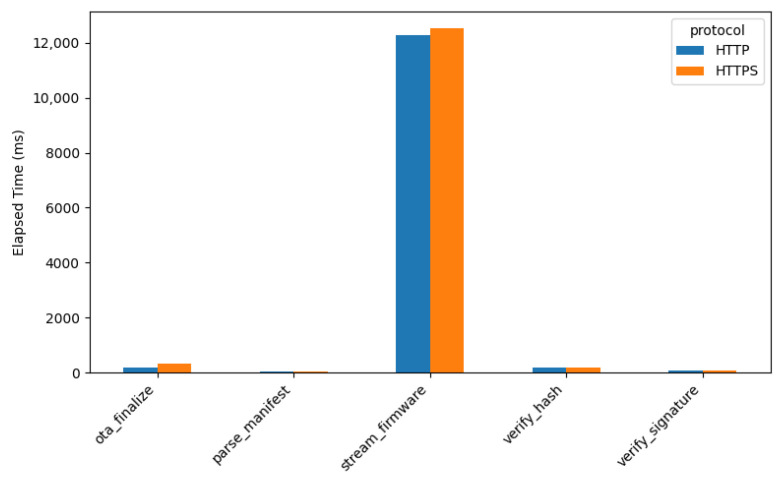 Figure 4
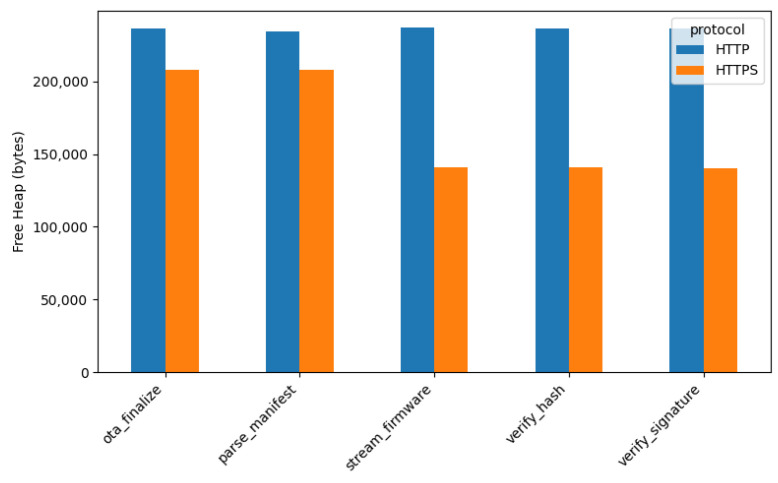 Figure 5
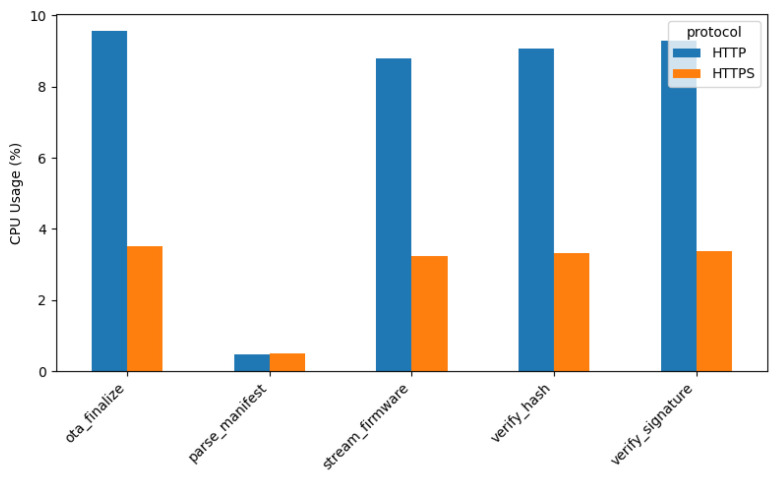 Figure 6
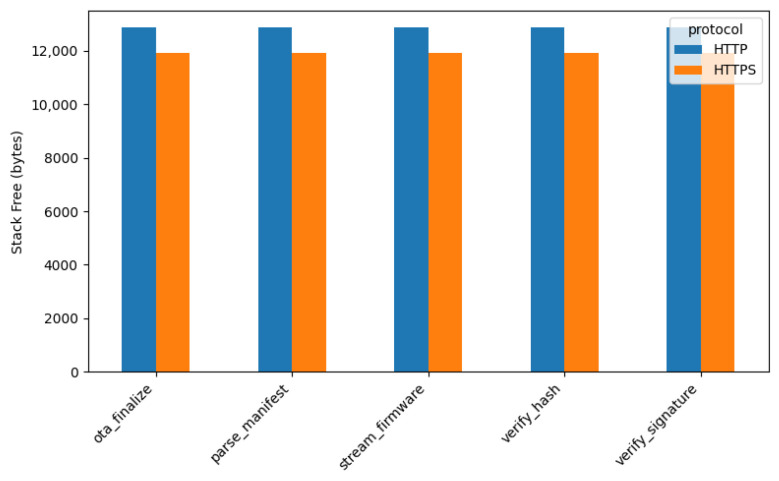 Figure 7
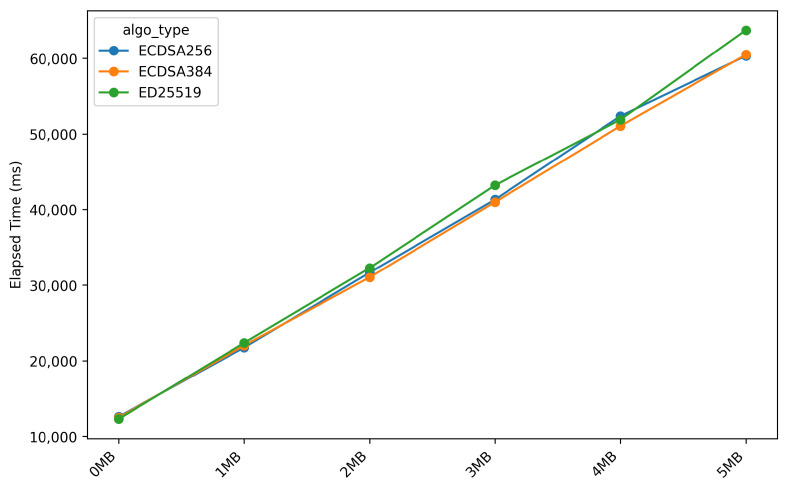 Figure 8
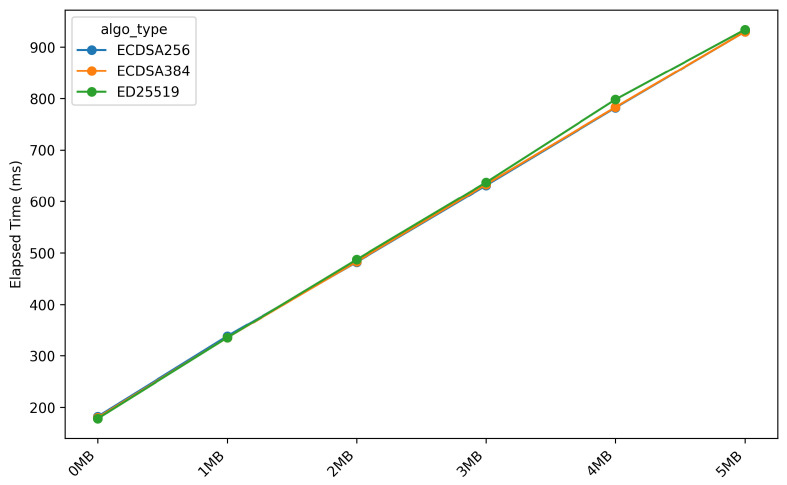 Figure 9
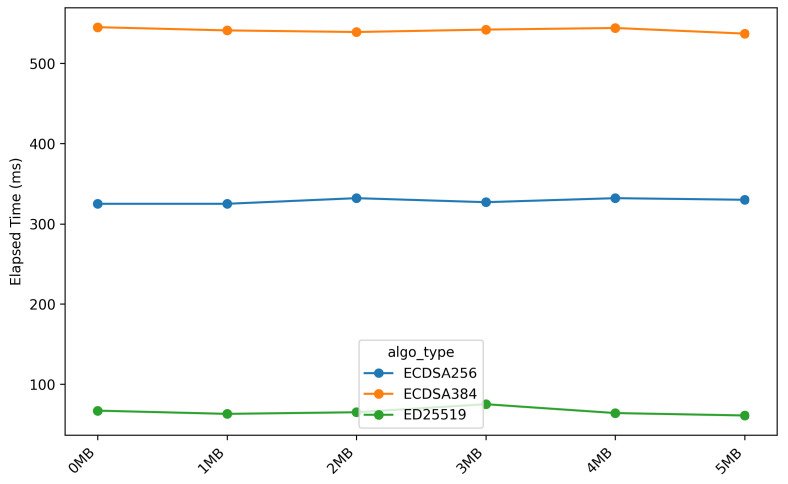 Figure 10
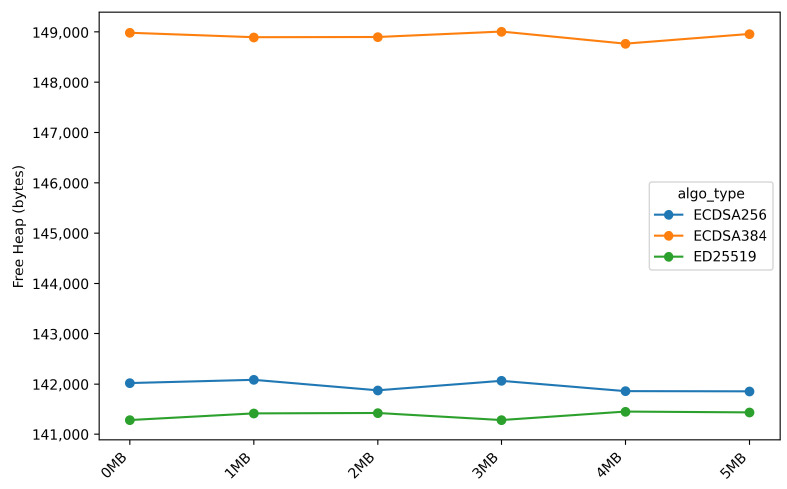 Figure 11
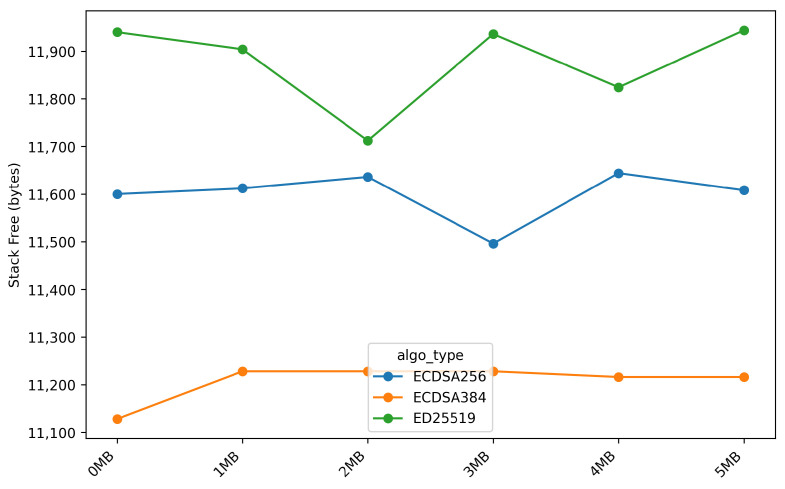 Figure 12
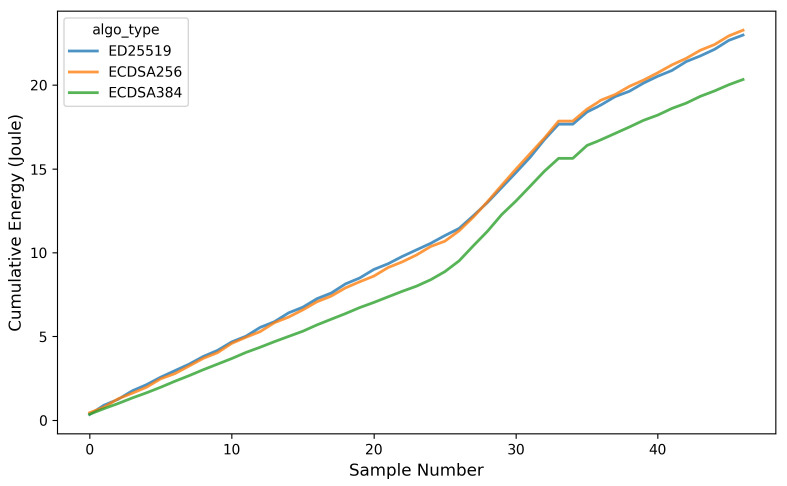 Figure 13
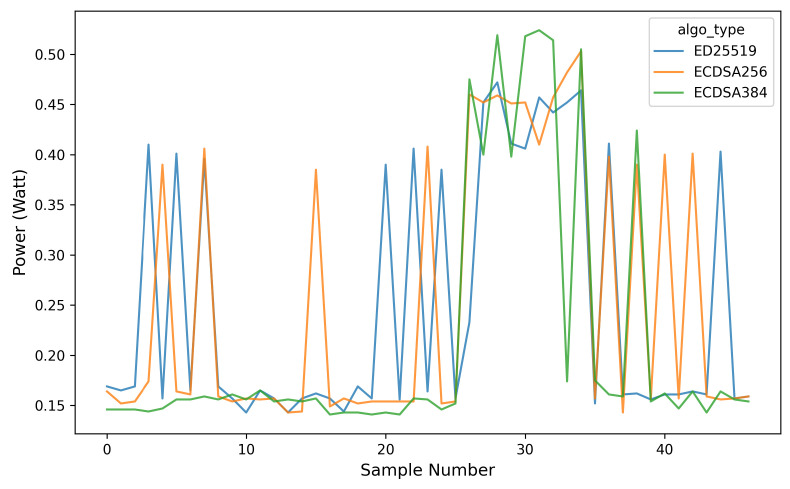 Figure 14
Peer Reviews
No public reviews on file for this paper yet. If you reviewed it on a platform where reviews are public (OpenReview, ICLR, NeurIPS, ICML), you can paste yours below so the community can read it here.
Videos
No videos yet. Explain this paper in a talk, walkthrough, or lecture? Add one.
Taxonomy
TopicsAdvanced Malware Detection Techniques · Security and Verification in Computing · IoT and Edge/Fog Computing
1. Introduction
The Internet of Things (IoT) has experienced rapid growth over the past decade. It has been deployed in diverse domains including healthcare, industrial automation, automotive systems, and military applications [1,2,3,4]. The IoT scale reached approximately 30 billion connected devices in 2024 around the world [5], creating unprecedented challenges in large-scale device management. In addition to large-scale device management challenges, edge computing paradigms such as Mobile Edge Computing (MEC) have been increasingly adopted to support low-latency, secure, and resource-efficient IoT operations by enabling computation offloading and distributed processing near end devices [6]. This trend highlights the growing importance of distributed architectures in modern IoT ecosystems. When hundreds or thousands of IoT devices are deployed in the field, firmware update management becomes a critical operational challenge. Over-the-air (OTA) firmware updates via wireless networks have emerged as the preferred method, replacing conventional approaches that relied on physical connectivity such as USB or UART interfaces. Regular firmware updates are essential for addressing software bugs, enhancing device performance, and patching security vulnerabilities in IoT devices.
In the context of firmware updates, security is a paramount challenge, particularly for IoT devices employed in critical applications such as military or healthcare systems that are intolerant to failures. One of the most serious security threats is MITM attacks, where adversaries can intercept and modify firmware files during transmission [7,8,9,10,11]. These attacks can result in firmware modifications with malicious codes, firmware version downgrades (rollback attacks), or code injections for specific malicious purposes. Wireless communication channels are highly vulnerable to MITM attacks due to limited physical control, necessitating robust security mechanisms to ensure firmware integrity and authenticity.
Recent large-scale empirical studies on consumer IoT devices further reveal that authentication weaknesses remain widespread in practice, even when TLS is implemented [12]. In particular, improper certificate validation, insufficient trust anchor verification, and replay vulnerabilities have been identified as common failure points in deployed devices. These findings suggest that the mere presence of cryptographic protocols does not guarantee secure firmware distribution. Therefore, OTA update mechanisms must enforce strict certificate validation, authenticated firmware origin verification, and version monotonicity checks to address concrete weaknesses observed in real-world IoT deployments.
Various research efforts have been conducted to secure the OTA update process for IoT devices through cryptographic approaches and distribution optimization. From the data security perspective, several studies have employed dual-XOR operations with DEFLATE compression to improve efficiency [13], Elliptic Curve Cryptography (ECC) and SHA-512 algorithms to secure communications [14,15], and hybrid ECC-AES encryption for vehicular systems [16]. From the infrastructure perspective, version control systems have been implemented on gateways to ensure distribution of the latest firmware, with LUKS encryption and Trusted Platform Module (TPM) for access control [5]. Although these research efforts have optimized OTA distribution and security, most have not fully integrated with the development process, such as automated firmware building and deployment through CI and CD pipelines. This gap demonstrates the need for an approach that integrates OTA security with the development process in an end-to-end manner.
In this paper, we propose a fully automated over-the-air (OTA) firmware update mechanism that is integrated with the development process. Unlike previous research focusing on the distribution stage, the proposed approach integrates the entire pipeline from the moment when developers commit code fixes through the version control system until the firmware is deployed to the IoT device. The firmware build process is performed automatically on a cloud-based version control server, including secure management for storing secrets and keys used in the firmware digital signature process. This CI and CD approach ensures that distributed firmware truly originates from trusted sources and has undergone rigorous verification processes. In the implementation, the proposed mechanism is integrated with the SEMAR IoT application server that we have developed in previous studies. The implemented system offers comprehensive security features, error handling during the update process, and real-time monitoring of firmware update status on IoT devices.
To validate the proposed mechanism, this paper conducted comprehensive evaluations, including security testing for integrity and authentication verification, performance metrics and resource utilization measurements, and benchmarking to compare performance with existing methods. The results demonstrate that the proposed OTA firmware update mechanism achieves a high level of security with minimal overhead, while exhibiting superior success rates and efficiency compared to conventional approaches. The main contributions of this paper are summarized as follows:
- This paper proposes an end-to-end secure OTA firmware update mechanism that tightly integrates the development process with automated CI/CD pipelines, ensuring firmware authenticity and integrity from source code commit to device deployment while addressing known real-world authentication weaknesses in IoT firmware distribution.
- This paper implements the proposed mechanism on resource-constrained ESP32 devices and integrates it with the SEMAR IoT application server for firmware package management, including upload, storage, and controlled distribution.
- This paper conducts extensive experimental evaluations, including security verification, execution time analysis, and energy and power consumption measurements, to assess the performance and efficiency of different digital signature algorithms.
The remainder of this paper is structured as follows. Section 2 reviews related work on secure firmware update mechanisms for IoT devices. Section 3 presents the automated OTA firmware update mechanism with CI/CD integration. Section 4 describes the experimental setup and evaluation results. Finally, Section 5 concludes the paper and discusses future work.
2. Related Work
In this section, we introduce an overview of key findings from previous studies to support the discussions in this paper.
2.1. Cryptographic Approaches for Firmware Security
Various cryptographic approaches have been employed to secure firmware and mitigate MITM attacks. Several studies have explored different cryptographic techniques to ensure firmware integrity and authenticity during the update process.
In [13], Park et al. proposed a secure and lightweight OTA firmware update mechanism to mitigate man-in-the-middle attacks in resource-constrained IoT environments. The proposed approach combines dual-XOR operations with DEFLATE compression to reduce firmware file size and encryption overhead, while leveraging multiple transmission channels to enhance security. Experimental evaluations demonstrate improvements in latency, memory usage, and power consumption compared to conventional OTA methods, while maintaining robustness against brute-force attacks. However, the proposed mechanism primarily focuses on optimizing firmware transmission efficiency and lightweight encryption at the communication level, without addressing broader system-level OTA management or integration with the firmware development and deployment workflow.
In [14], Ben et al. proposed a low-cost and secure OTA firmware update framework for IoT devices based on the Firmware Over-The-Air (FOTA) technique. The framework supports broadcasting firmware updates to multiple nodes and employs cryptographic mechanisms such as Elliptic Curve Cryptography (ECC) and SHA-512 to ensure secure communication. In addition, lossless data compression is applied to reduce firmware transfer time and memory usage, while enabling dynamic addition and removal of nodes within the network. Experimental results demonstrate reduced network downtime and improved continuity of IoT system operation. However, the proposed framework mainly concentrates on secure firmware distribution and device-level update strategies.
In [16], Cheng et al. investigated the application of a hybrid encryption scheme for securing Firmware Over-The-Air (FOTA) updates in vehicular systems. The proposed approach combines Elliptic Curve Cryptography (ECC) for key exchange with the Advanced Encryption Standard (AES) for encrypting firmware data, leveraging the advantages of both asymmetric and symmetric cryptography. The hybrid scheme is integrated into the transmission and reception modules of the vehicle FOTA system to protect firmware updates against malicious interception, data theft, and tampering during transmission. Experimental evaluations demonstrate that the proposed method enhances system security while preserving update timeliness. However, the study primarily focuses on cryptographic protection during firmware transmission.
In [17], Rozlomii et al. proposed a lightweight firmware integrity verification method for IoT devices with limited computational resources and power constraints. The approach employs lightweight hash functions, including SPONGENT, PHOTON, QUARK, and LESAMNTA-LW, and introduces a multi-level verification scheme based on the security criticality of firmware segments. To mitigate replay attacks, session markers are integrated into the hashing process. Experimental results on low-end microcontrollers demonstrate efficient verification with low memory and power consumption. However, the proposed method primarily focuses on firmware integrity verification and secure boot, and does not address the complete OTA update process or its integration with automated deployment workflows.
In [18], Schneider et al. conducted an in-depth analysis of fault attacks targeting elliptic curve-based digital signature verification schemes used in secure boot and firmware update mechanisms. The study demonstrates that implementation-level fault injections can enable forged signatures in schemes such as ECDSA, EdDSA, ECGDSA, and ECSDSA, even in hardened bootloader environments. The authors also propose effective countermeasures to strengthen signature verification against such fault attacks. However, the work mainly focuses on cryptographic vulnerability analysis and countermeasures.
Overall, existing cryptographic approaches for OTA firmware security primarily concentrate on transmission-level protection, lightweight encryption efficiency, or integrity verification mechanisms tailored for resource-constrained devices. While these studies significantly enhance communication security and firmware authenticity, they generally treat cryptographic protection as an isolated component of the update process. Limited attention is given to the integration of cryptographic mechanisms within a fully automated development-to-deployment workflow, including secure key management, reproducible builds, and CI/CD-based firmware release control. Consequently, an end-to-end framework that unifies cryptographic assurance with automated build and deployment pipelines remains insufficiently explored.
2.2. Over-the-Air Update Mechanisms
Several studies have investigated OTA firmware update mechanisms for IoT devices, focusing on efficient distribution strategies and reliable update protocols.
In [19], Shin et al. proposed MQTree, a secure OTA firmware update protocol for software-defined vehicles that combines the MQTT protocol secured with TLS and Merkle tree-based verification to ensure firmware integrity. By leveraging the lightweight messaging characteristics of MQTT and the tamper-detection capability of Merkle trees, the proposed protocol achieves reliable and efficient firmware updates for automotive environments. Security evaluations demonstrate resistance against attacks such as spoofing, man-in-the-middle, and duplicate updates, while performance comparisons show significantly faster processing time than conventional HTTPS-based OTA approaches. However, the proposed protocol mainly focuses on secure firmware distribution at the communication level and does not explicitly address end-to-end OTA automation, including firmware build, signing, and deployment workflows.
In [20], Sumi et al. proposed a firmware distribution method based on erasure codes for large-scale IoT networks operating on IEEE 802.15.4g mesh networks in Sub-1 GHz LPWAN environments. The proposed method addresses the challenge of efficiently distributing firmware to a large number of devices during network operation by reducing the overhead of unicast transmissions while avoiding the lack of delivery confirmation inherent in broadcast-based approaches. Simulation results using ns-3 demonstrate that the method improves firmware distribution efficiency by up to 1.8 times compared to conventional schemes and achieves higher spectrum efficiency for IEEE 802.15.4g-OFDM physical layers. However, the work mainly focuses on optimizing firmware dissemination at the network layer and does not consider security mechanisms or integration with automated OTA update workflows.
In [21], Jewsakul et al. introduced FioRa, an energy-neutrality-aware multicast firmware distribution framework for energy-harvesting LoRa networks. The framework adapts the firmware dissemination process according to the predicted energy availability of sensor nodes, thereby reducing failed firmware reconstructions and unnecessary retransmissions. By employing one-hop neighbor discovery and on-demand relay mechanisms, FioRa significantly improves distribution performance, achieving up to 17 times shorter distribution time and 7 times lower communication overhead compared to existing approaches. Nevertheless, the proposed framework primarily targets energy-efficient firmware dissemination and does not address security aspects such as firmware authenticity verification or integration with automated OTA update workflows.
In [22], Nikic et al. presented an efficient implementation of differential (delta) firmware updates for IoT devices, with a performance analysis across WLAN and LPWAN communication technologies. The proposed approach addresses the limited data rate of LPWAN links by transmitting only the differences between successive firmware versions, thereby significantly reducing the amount of data transferred, bandwidth consumption, and firmware update time. Experimental evaluations demonstrate that delta-based updates are particularly effective for resource-constrained devices operating over low-throughput wireless channels. However, the study mainly focuses on optimizing firmware transfer efficiency and does not explicitly consider security mechanisms such as firmware authentication, integrity protection, or integration with automated OTA update pipelines.
In [23], Striegel et al. proposed Box, a secure firmware and key distribution system for wireless sensor networks based on an intelligent Faraday Cage. The system retrieves firmware images and cryptographic keys from a backend server, embeds the keys into the firmware, and deploys customized images over-the-air to multiple sensor nodes placed inside the Faraday Cage. Electromagnetic shielding provided by the Faraday Cage protects the firmware and key exchange against passive eavesdropping attacks. The authors demonstrated the feasibility of batch firmware deployment on commercial off-the-shelf sensor nodes, with user studies indicating that the proposed approach is faster and more user-friendly than conventional wired firmware distribution. However, the system is primarily designed for initial deployment in controlled physical environments and does not address secure remote OTA updates or continuous firmware lifecycle management in large-scale IoT deployments.
Collectively, existing OTA update mechanisms primarily concentrate on optimizing firmware dissemination efficiency, communication reliability, energy awareness, or bandwidth reduction through techniques such as multicast strategies, erasure coding, and differential updates. While these approaches significantly enhance distribution performance under constrained network conditions, security mechanisms are often treated as complementary components rather than integral elements of the entire firmware lifecycle. Moreover, most studies isolate the distribution phase from earlier development stages, leaving firmware build automation, secure signing processes, and controlled release management largely unaddressed. Therefore, a comprehensive OTA framework that simultaneously ensures secure firmware authenticity, lifecycle-aware version control, and seamless CI/CD integration remains insufficiently explored in the current literature.
2.3. CI/CD Integration in IoT Systems
The integration of CI/CD practices in IoT systems has gained attention as a means to automate firmware development and deployment processes.
In [5], Bhargava et al. proposed a version control-based gateway to optimize OTA firmware updates for IoT devices operating in environments with limited Internet connectivity. The proposed gateway leverages local version control repositories to minimize data transfer by reusing existing firmware artifacts, thereby reducing bandwidth consumption and update overhead in remote deployment scenarios. The approach follows the paradigm of “using more computing to move less data,” making it suitable for large-scale IoT systems deployed in connectivity-constrained environments. However, the work primarily focuses on bandwidth-efficient firmware distribution and does not explicitly address end-to-end OTA security mechanisms or integration with automated firmware build and deployment pipelines.
In [24], Yulianto et al. presented an automated deployment pipeline for containerized IoT applications using a combination of GitLab CI and Jenkins. The study implemented the pipeline following an agile development approach and evaluated its performance on backend and frontend applications deployed on a cloud platform. Experimental results showed average deployment times of 153.7 s for backend services and 174.2 s for frontend services, with pipeline success rates of 70.45% and 83.3%, respectively, demonstrating the effectiveness of integrating multiple CI/CD tools for automating container-based application deployments. However, the work focuses on application-level container deployment and does not address firmware-level OTA updates, security mechanisms, or integration with resource-constrained IoT devices.
In [25], Singh et al. investigated DevOps-based migration aspects from legacy version control systems to distributed version control systems, particularly Git, for microservices deployment. The study analyzed several pre-migration validation mechanisms, including project structure validation, user and author mapping between version control systems, remote server storage pre-validation, and network connectivity sensing using a NodeMCU-based IoT platform. Various DevOps tools such as Kubernetes, Jenkins, Chef, and AppDynamics were examined to support infrastructure provisioning, monitoring, and migration reliability. The results highlight that while existing DevOps tools can accelerate migration processes, they do not provide comprehensive, automated validation for ensuring full compatibility during version control system migration. However, the work primarily focuses on software repository migration and DevOps practices, and does not address secure OTA firmware updates, resource-constrained IoT devices, or automated firmware delivery pipelines.
In [26], Hu et al. proposed GitFL, a Git-inspired version control framework for managing asynchronous Federated Learning (FL) in AIoT systems. The framework adopts master–branch model management, where the global model is maintained as a master branch and local models trained by distributed devices are treated as branch models with version information. By incorporating a reinforcement learning–based device selection mechanism, GitFL effectively mitigates model staleness and balances computational load among heterogeneous and straggling devices. Experimental results demonstrate that GitFL achieves up to 2.64× training acceleration and improves inference accuracy by up to 7.88% compared to state-of-the-art synchronous and asynchronous FL methods. However, the proposed framework focuses on versioned model management for distributed learning and does not address firmware OTA update mechanisms, embedded device constraints, or secure firmware deployment pipelines.
Overall, existing studies on CI/CD integration in IoT systems predominantly focus on application-level deployment, container orchestration, version control optimization, or distributed model management. While these works demonstrate the benefits of DevOps practices in improving automation, scalability, and development efficiency, they rarely extend CI/CD principles to firmware-level update processes for resource-constrained embedded devices. In particular, the integration of automated firmware building, secure digital signing, version-aware release control, and OTA deployment within a unified CI/CD pipeline remains largely unexplored. Therefore, a secure end-to-end OTA framework that tightly couples firmware development workflows with automated CI/CD processes represents an important yet underdeveloped research direction.
2.4. Firmware Update Security Frameworks
Comprehensive security frameworks have been proposed to protect the entire firmware update process in IoT devices, encompassing end-to-end security mechanisms from firmware generation to deployment.
In [27], Shahid et al. proposed an end-to-end security framework for the Industrial Internet of Things (IIoT) based on a decentralized blockchain architecture. The proposed mechanism employs blockchain to provide authentication, authorization, and data integrity across highly distributed industrial devices without relying on a central authority. Smart contracts are utilized to enforce security policies with dynamic rule switching, enabling the system to respond promptly to suspicious behavior. To accommodate resource-constrained IIoT devices, the framework adopts lightweight cryptographic schemes and introduces a hybrid blockchain design that combines features of both private and public blockchains. However, the work primarily focuses on securing IIoT communications and access control, and does not address secure firmware OTA update processes or their integration with automated firmware build and deployment pipelines.
In [28], Tran et al. proposed a lightweight end-to-end security protocol for resource-constrained IoT devices based on Challenge-Response Pair (CRP) Physically Unclonable Functions (PUFs) and a True Random Number Generator (TRNG). The protocol eliminates the need for non-volatile key storage by dynamically deriving all secret keys from hardware-based entropy sources, thereby improving resistance to physical attacks and key extraction. By replacing conventional public key authentication with CRP-PUFs and hash-based message authentication codes (HMACs), the proposed scheme significantly reduces computational complexity while providing authentication, integrity, confidentiality, and non-repudiation. Formal verification and hardware implementation results demonstrate its feasibility and efficiency compared to traditional ECC-based approaches. However, the work focuses on secure device-to-device communication and key management, and does not address secure OTA firmware update mechanisms or their integration with automated firmware build and deployment workflows.
In [29], Younis et al. introduced LiSB (Lightweight Secure Boot and Attestation Scheme), a lightweight approach for validating software and firmware integrity and ensuring secure boot-up on resource-constrained embedded devices. The scheme employs Physically Unclonable Functions (PUFs) as a hardware Root-of-Trust to generate device-specific integrity digests without storing secret keys in device memory. Experimental results based on a prototype implementation demonstrate that LiSB outperforms TPM-based attestation schemes and consumes up to 25 times less power than SHA-256, which is commonly used in existing attestation mechanisms. However, the proposed scheme primarily focuses on secure boot and attestation at device startup, and does not address secure OTA firmware update processes or their integration with automated firmware build and deployment pipelines.
In [30], Saleem et al. presented an end-to-end security-enabled intelligent remote IoT monitoring system focusing on secure data acquisition and transmission. The proposed architecture employs AES 256-bit encryption to protect sensor data at the device level before transmission over a cellular network to cloud storage. Encrypted data can be accessed through a mobile application that performs decryption based on authorized user input. The system is designed to mitigate common security threats, including brute-force, man-in-the-middle, phishing, spoofing, and denial-of-service (DoS) attacks. Experimental validation using a real testbed demonstrates the reliability of the proposed system in terms of encryption delay and achievable data rates. However, the study primarily addresses secure data monitoring and transmission, and does not consider secure OTA firmware update mechanisms or their integration with automated firmware build and deployment pipelines.
In [31], Promila et al. proposed a Trusted Platform Module (TPM)-based secure boot mechanism for embedded systems to enhance hardware-level security. The proposed procedure enforces mandatory signature verification through the TPM, preventing the system from booting unless firmware integrity is successfully validated. This approach ensures that unauthorized code modifications are detected early in the boot process and that the system always starts in a well-defined and trusted state. The mechanism was evaluated on different embedded platforms to analyze boot time variations and the impact of enabling secure boot during system update procedures. However, the work primarily focuses on secure boot at system startup and does not address secure OTA firmware update mechanisms or their integration with automated firmware build and deployment pipelines.
Overall, existing firmware security frameworks primarily concentrate on strengthening device-level trust anchors, secure boot processes, hardware-based key management, or encrypted communication channels. These approaches significantly enhance system integrity and resistance against physical and network-based attacks. However, they often treat firmware security as an isolated runtime or boot-time protection mechanism rather than as a continuous lifecycle process spanning firmware development, automated building, secure signing, controlled release, and OTA deployment. In particular, limited attention has been given to integrating secure firmware verification and authentication mechanisms within automated CI/CD pipelines to ensure reproducible and verifiable firmware releases. Consequently, a unified end-to-end framework that bridges firmware-level security primitives with automated deployment workflows remains insufficiently addressed in the current literature.
3. Proposed System
In this section, we present a over-the-air (OTA) firmware update system implemented using a CI/CD-based approach.
3.1. System Architecture
The proposed system consists of hardware and software components that support the firmware over-the-air update process. An update process begins when a developer modifies the source code or fixes bugs for an IoT device and subsequently commits and pushes the code to a repository (GitHub) integrated with a hosted runner.
In this paper, the CI/CD process is executed by a CI/CD runner, which is a dedicated execution environment responsible for performing automated tasks defined in the pipeline, including firmware compilation, cryptographic hashing and signing, and artifact packaging. The hosted runner operates on a centralized server and is automatically triggered upon code changes in the repository. After the build process is completed, which requires approximately four minutes, the firmware undergoes hashing, signing, and packaging stages. The resulting firmware package is then delivered to the SEMAR IoT application server, which publishes an update notification via the MQTT protocol secured with TLS.
In the proposed architecture, an edge computing layer is introduced to bridge the ESP32-based microcontrollers and the Internet. The edge computing layer plays a crucial role in improving scalability and reducing direct communication overhead between a large number of IoT devices and the SEMAR IoT application server. By aggregating OTA update requests, the edge layer significantly reduces the number of direct requests sent to the application server when the number of deployed devices increases.
In this paper, the edge computing layer is implemented using a Raspberry Pi 4. Upon receiving the update notification from the SEMAR IoT application server, the edge computing node downloads the firmware package through an API Gateway. The API Gateway provides a Representational State Transfer (REST) interface over the HTTPS protocol and acts as a single entry point to the application server, thereby enhancing security through service isolation and controlled access.
After the firmware package is successfully downloaded, the edge computing node forwards the update notification to the microcontroller. The ESP32 device then retrieves the firmware package from the edge node via the HTTPS protocol. Once the download process is completed, the firmware is updated on the microcontroller. All OTA update activities, from firmware retrieval by the edge computing layer to firmware installation on the ESP32, can be monitored through the application client, which is implemented as a web-based monitoring interface. Figure 1 illustrates the complete architecture of the proposed firmware over-the-air update process.
As illustrated in Figure 1, the proposed OTA firmware update workflow follows a layered and sequential process. The workflow starts from the developer side and proceeds through the CI/CD runner for automated build and signing, followed by firmware distribution via the SEMAR IoT application server. The edge computing layer acts as an intermediate aggregation and security layer before the firmware is securely delivered to the ESP32-based devices. This figure provides an end-to-end overview of the interactions among system components and clarifies the role of each layer in ensuring secure and scalable OTA updates.
3.2. Threat Model
This subsection explicitly defines the trust assumptions and adversarial capabilities considered in the proposed OTA architecture. The trusted components include the secure bootloader and firmware verification logic embedded in the IoT device, the public key provisioned on the device for signature verification, the CI/CD runner responsible for automated firmware compilation and signing, the secure secret storage mechanism protecting the signing private key within the CI/CD environment, and the official SEMAR IoT application server infrastructure. These components are assumed to operate correctly and are not compromised.
The adversary is modeled as a remote attacker with full control over the communication network. The attacker may intercept, modify, replay, or redirect network traffic, including performing MITM attacks, DNS manipulation, firmware replay attempts, version rollback attempts, and injection of modified firmware binaries. However, the attacker is assumed to have no physical access to the device hardware and cannot extract cryptographic material from secure storage within the device or the CI/CD secret management system.
Compromise of the signing private key or the CI/CD execution environment is considered outside the immediate threat model but represents a residual supply-chain risk. If the signing infrastructure is compromised, a malicious firmware image could be legitimately signed and distributed. To mitigate such risks in practical deployments, industry best practices such as hardware-backed key storage (e.g., HSM or KMS), protected repository branches, reproducible builds, provenance attestations, and audit logging mechanisms are recommended.
Under these assumptions, the proposed OTA mechanism focuses on preventing unauthorized firmware distribution, rollback and replay attacks, network-level manipulation, and integrity violations during firmware delivery while ensuring that no unverified firmware is activated on the device.
3.3. Firmware Update Workflow
The firmware update workflow provides a more detailed overview of the over-the-air firmware update mechanism, from the initial development stage to the installation process on an IoT device. The workflow begins when a developer commits and publishes a source code change. Subsequently, the hosted runner builds the project to generate a firmware binary file. The generated firmware binary is digitally signed using a cryptographic signing algorithm with a private key securely stored in the repository platform (e.g., GitHub). The private key is managed using a secret mechanism, ensuring that it is not publicly accessible and can only be updated by replacing the key. In addition to the signing process, a hashing procedure is performed to ensure the firmware integrity and to generate versioning information. The firmware binary and signing information, or manifest, are then packaged into an OTA archive to reduce file size and facilitate efficient distribution. The hosted runner uploads the firmware package to the SEMAR server via the HTTPS protocol using a REST API. Upon receiving the firmware package, the SEMAR server publishes a firmware update notification using the MQTT protocol secured with TLS.
The integrated workflow between the developer’s code modification process and the automated firmware packaging and publication performed by the hosted runner constitutes the CI/CD process. This process is fully automated and executed without human intervention, thereby minimizing the risk of errors during firmware updates.
Once the IoT device receives the update notification, it downloads the firmware package via the HTTPS protocol. Due to the limited storage capacity of an IoT device, the firmware package is downloaded using a chunk- or buffer-based mechanism. The downloaded firmware package is temporarily stored in Serial Peripheral Interface Flash File System (SPIFFS) storage in the archive form before being extracted and written to the firmware partition. During the extraction process, the firmware version, hash, and digital signature information are retrieved and verified. These verification steps ensure that the firmware version is the latest, the hash matches the downloaded file, and the digital signature is valid. The signature verification is performed using the public key stored on the IoT device. If any verification step fails, the over-the-air firmware update process is terminated. Otherwise, the IoT device installs the new firmware and reboots to operate using the updated firmware. Figure 2 illustrates the complete firmware update workflow in detail.
3.4. Security Mechanisms
The security mechanism is applied across both the communication protocols and the firmware generation process. The communication layer employs https and MQTT protocols, both secured using TLS. The https protocol is used when the runner distributes the firmware package to the SEMAR server and when the IoT device downloads the firmware package from the server. To establish secure communication with the SEMAR server, the IoT device requires a digital certificate, which is generated during the TLS configuration process on the physical server. Securing the communication protocols aims to prevent data interceptions and MITM attacks during firmware package distribution.
The next security layer is applied during the firmware package generation process on the runner. The firmware build process includes signing, hashing, and versioning stages. The signing process employs the ED25519 algorithm, which is well known for its lightweight and fast performance on IoT devices. The private key used for signing is provisioned to the CI/CD environment through the repository secret management mechanism, which restricts direct exposure in source code and limits access to the automated signing process. The resulting digital signature is verified by the IoT device to confirm that the firmware was generated by the trusted runner. The verification process is performed using the corresponding public key stored on the IoT device. Hashing is performed to ensure firmware integrity by detecting any modification to the firmware file after it has been downloaded. Finally, the versioning mechanism combines timestamp information and an incrementing build iteration to ensure that outdated firmware versions are not installed on IoT devices.
3.5. Key and Certificate Lifecycle Management
Secure lifecycle management of cryptographic keys and certificates is a critical component of the proposed OTA architecture.
The firmware signing private key is generated offline and manually provisioned into the CI/CD environment as an encrypted repository secret (e.g., GitHub Actions secret). The private key is never stored in the source code repository and is only accessible during the automated firmware signing process executed by the hosted runner. Any key replacement requires manual regeneration and secure re-provisioning within the CI/CD secret storage.
For device-to-server communication, Transport Layer Security (TLS) is implemented using certificate authority (CA) validation. On ESP32 platforms, the esp_crt_bundle_attach mechanism is used to embed a trusted root CA bundle within the firmware image. This approach allows the device to validate server certificates without requiring firmware updates when server certificates are renewed, provided that they chain to a trusted root CA.
The firmware authenticity verification process relies on a public key embedded in the device firmware at provisioning time. This public key acts as a trust anchor for signature verification of OTA firmware packages. In the event of key rotation or compromise, a transitional firmware update signed with the existing trusted key can be used to deploy a new public key. After successful installation, subsequent firmware releases may use the updated signing key.
Currently, automated certificate revocation and dynamic key rotation mechanisms are not implemented and remain as future enhancements. Nevertheless, the proposed architecture supports controlled key replacement through staged firmware updates.
3.6. Integration with CI/CD Pipelines
The CI/CD pipeline consists of a series of automated processes in software development used to build, test, and consistently distribute changes in source code. The primary objective of CI/CD is to ensure that these processes are executed repeatedly and consistently without human intervention, thereby minimizing potential errors. In the context of IoT systems, CI/CD is employed to automate firmware compilation, configuration validation, and over-the-air firmware distribution in a controlled and secure manner. The CI/CD process is executed on a runner, which acts as an execution environment provided by the CI/CD platform (e.g., GitHub Actions). The general CI/CD workflow, illustrated in Figure 3, consists of sequential stages including source triggering, firmware build, validation, artifact generation, digital signing, and secure deployment.
In the proposed implementation, the CI/CD pipeline is automatically triggered when a developer pushes or commits code to the designated branch in the version control repository. The hosted runner is activated based on this event and executes a predefined workflow described in a YAML configuration file. This workflow defines the sequential stages of the automated build process, including environment initialization, dependency installation (e.g., ESP-IDF setup), firmware compilation, artifact generation, digital signing procedures, and packaging of the OTA firmware image.
All stages are executed autonomously by the runner without manual intervention. During the digital signing stage, cryptographic keys and sensitive credentials are accessed through encrypted platform-level secrets configured within the CI/CD environment. These secrets are injected as protected environment variables at runtime and are not stored in plaintext within the source repository or exposed in build logs. After successful signing and verification, the generated firmware artifact is uploaded to the OTA server (SEMAR) for controlled distribution to IoT devices.
3.7. Integration with SEMAR IoT Server
The SEMAR IoT application server, which was previously developed by our research group receives requests, once the firmware packaging process has been completed by the runner. Communication is performed using the https protocol via a REST API, through which the firmware package is uploaded and stored on SEMAR. The stored firmware package is subsequently downloaded by an IoT device. Prior to the download process, SEMAR publishes a notification indicating the availability of a new firmware version using the MQTT protocol secured with TLS. IoT devices that subscribe to this notification then download the firmware package from the server using the https protocol.
4. Evaluation and Results
In this section, the results demonstrate the proposed OTA firmware update system and present the results of the conducted experiments.
4.1. Experimental Setup
For the experiments, the SEMAR IoT application server was deployed on a cloud service. Table 1 presents the detailed hardware and system configuration of the deployed server, including its computing resources and operating environment used to support the OTA update evaluation.
As the IoT device used in the over-the-air firmware update process, an ESP32 microcontroller was selected. Table 2 summarizes its key technical specifications, including processor architecture, memory capacity, wireless connectivity features, and hardware cryptographic support relevant to the OTA implementation.
The ESP32 firmware employs a dual OTA partition scheme to enable seamless firmware updates while maintaining system reliability. Table 3 presents the complete partition layout configuration used in this paper. The dual OTA approach allows the device to switch between two firmware partitions (app0 and app1), ensuring that a valid firmware is always available even if an update fails. The SPIFFS partition is utilized for temporary storage of the downloaded firmware package before extraction and installation.
To execute the CI/CD pipeline, GitHub Actions was utilized, employing a runner with a Linux (x64) operating system, 4 vCPUs, 16 GB of RAM, and 16 GB of SSD storage. The selected runner configuration corresponds to a standard GitHub-hosted runner available in the free-tier service. This environment represents a typical cloud-based CI/CD execution setting rather than a specialized or high-performance infrastructure. The computational resources (4 vCPUs and 16 GB RAM) were sufficient to handle firmware compilation, dependency setup (ESP-IDF), artifact generation, and digital signing processes without requiring hardware acceleration or dedicated build servers. Therefore, the chosen configuration reflects a realistic and reproducible DevOps deployment scenario for embedded firmware automation.
4.2. Security Testing Results
Several security testing scenarios were conducted to evaluate the robustness of the proposed OTA firmware update mechanism. The tests focused on firmware integrity, version rollback prevention, source authentication, and resistance against MITM attacks.
4.2.1. Firmware Integrity Verification
Firmware integrity testing was performed to evaluate resistance against firmware tampering during the OTA update process. The firmware successfully built and stored on SEMAR was downloaded and manually modified at the binary level by changing a single byte without re-signing the firmware. The modified firmware was then repackaged and redeployed to the OTA server, and an update notification was triggered. After the ESP32 device downloaded the firmware, a hash verification process was executed and compared with the hash value stored in the firmware manifest. Since the binary had been altered, the computed hash differed from the expected value, causing the OTA update process to be rejected. This result demonstrates that firmware tampering or binary modification is detected during the verification stage, preventing unauthorized firmware installation under the defined threat model.
4.2.2. Version Rollback Protection
To evaluate protection against version rollback attacks, OTA updates were performed using different firmware versions. A previous firmware version stored on SEMAR was retained while the device was updated to the latest firmware version. Subsequently, the firmware on the OTA server was replaced with the older version, and an update notification was triggered. During the update process, the ESP32 device detected a version mismatch and rejected the installation. The firmware versioning scheme follows the format [hex_commit]-[timestamp]-[build_number], where the hex commit represents an 8-digit commit identifier from the source repository, the timestamp indicates the build time generated by the CI runner, and the build number increments with each build. For example, 84788c4-20251219T0210-build97 represents the 97th build generated on 19 December 2025, at 02:10. This unique versioning mechanism ensures that outdated firmware cannot be reinstalled.
4.2.3. Unauthorized Firmware Source Detection
Unauthorized source testing was conducted by modifying the OTA server address to a server using an untrusted TLS certificate. When the ESP32 device attempted to download the firmware, the HTTPS connection failed during the TLS handshake process due to certificate verification errors. As a result, the OTA update process was aborted, demonstrating that firmware updates can only be performed from authorized and trusted sources.
4.2.4. Resistance Against MITM Attacks
Resistance against MITM attacks was evaluated by simulating intercepted OTA communication within the same local network using a Raspberry Pi. Address Resolution Protocol (ARP) spoofing was employed to position the Raspberry Pi between the ESP32 device and the OTA server during the firmware update process. When ARP spoofing was active, the ESP32 device failed to establish MQTT over TLS and HTTPS connections, indicating that secure communication channels could not be established under interception conditions, resulting in termination of the OTA process. Consequently, the OTA update process was aborted, demonstrating effective protection against MITM-based attacks.
Overall, the security testing results demonstrate that the proposed OTA firmware update mechanism effectively mitigates common security threats, including firmware tampering, version rollback, unauthorized firmware sources, and MITM attacks, under the defined threat model in Section 3.2. Table 4 details the evaluated attack scenarios and their corresponding outcomes, confirming that the implemented validation layers function correctly under both network-level and firmware-level adversarial conditions.
4.2.5. Extended Threat Model and Failure Behavior
To strengthen the security evaluation under more realistic adversarial conditions, additional threat scenarios were examined, including replay attempts, network disruption during firmware download, DNS manipulation, and manifest tampering. Table 5 summarizes these scenarios and their outcomes, demonstrating that the proposed mechanism maintains integrity and prevents unauthorized updates even under extended attack conditions.
In the replay scenario, a previously valid and signed firmware package with an older version number was resent to the device after a newer version had already been installed. The device rejected the update based on monotonic version validation before installation, preventing downgrade and replay-based attacks.
To evaluate resilience against partial-download corruption, Wi-Fi connectivity was intentionally disabled during firmware streaming. The TLS session was aborted, resulting in transport read failures and termination of the OTA process. The update was safely aborted without partition switching, and the device continued operating using the previously verified firmware.
For DNS manipulation testing, the OTA server domain was redirected to a malicious endpoint. TLS certificate validation failed due to root CA mismatch via esp_crt_bundle_attach, and the OTA process was aborted before any firmware download occurred.
In the manifest tampering scenario, version metadata was altered without re-signing the firmware package. Signature verification failed during validation, causing immediate rejection of the update. Since version information is protected by digital signature, bypass attempts were unsuccessful.
Across all evaluated scenarios, the OTA mechanism consistently enforced layered validation (TLS authentication, manifest integrity verification, signature validation, and version monotonicity checks). Any failure resulted in safe termination prior to firmware activation, ensuring that no partial or unverified firmware was installed.
4.3. Performance Analysis Results
To evaluate the performance of the proposal during the over-the-air (OTA) firmware update process for IoT devices, a comparative analysis was conducted between an unsecured communication protocol (HTTP) and a secure communication protocol (HTTPS). The firmware size after the build process was approximately 1.1 MB, while the compressed update package size was reduced to approximately 635 kB. The OTA firmware update process on the IoT device consists of several stages, ranging from download_manifest to ota_finalize. For each stage, the execution duration, heap memory usage, CPU utilization, and stack usage were measured.
4.3.1. OTA Stage Execution Time Analysis
Figure 4 presents a comparison of the execution time required for each firmware update stage using HTTP and HTTPS.
The results indicate that the most significant difference occurs during the stream_firmware stage, as it involves streaming the firmware directly from SEMAR. In contrast, during subsequent stages, the firmware has already been stored locally on the IoT device, resulting in negligible performance differences between HTTP and HTTPS. Quantitatively, the stream_firmware stage exhibits an average execution time increase of approximately 2% when HTTPS is used. Additionally, the ota_finalize, parse_manifest, verify_hash, and verify_signature stages also experience slight increases, although these remain statistically insignificant. This additional latency is primarily caused by the TLS handshake process and encrypted data transfer, which introduce communication overhead in HTTPS.
4.3.2. Heap Memory Utilization
Free heap memory utilization was evaluated to investigate the impact of applying secure communication protocols during the OTA firmware update process. As illustrated in Figure 5, the HTTPS protocol consistently exhibits lower free heap memory compared to HTTP across all OTA stages. This reduction is primarily caused by additional memory allocations required by HTTPS, including TLS RX/TX buffers, certificate chains, and TLS context structures, which increase heap consumption during the update process.
4.3.3. CPU Utilization
Figure 6 presents the CPU utilization observed during the OTA process for both HTTP and HTTPS protocols. Overall, CPU usage remains relatively stable at approximately 5–6% across most OTA stages. The only exception is the parse_manifest stage, where CPU activity is minimal since this phase primarily performs lightweight operations such as version comparison and hash validation prior to initiating the firmware update.
Although HTTPS requires additional cryptographic processing, the ESP32’s hardware encryption accelerator offloads TLS-related computations from the main CPU. As a result, CPU utilization under HTTPS remains comparable to that of HTTP. These findings indicate that while HTTPS introduces additional memory overhead due to TLS context management, it does not impose a significant computational burden on the processor, thereby enabling secure OTA updates without noticeable CPU performance degradation.
4.3.4. Stack Memory Usage
The final performance parameter evaluated was free stack usage during the OTA firmware update process. Consistent with the previous metrics, the experimental results demonstrate that HTTP requires higher stack memory consumption compared to HTTPS, which can be attributed to the ESP32’s hardware cryptographic accelerator capabilities. When using the HTTPS protocol, the device exhibits approximately 7% lower stack usage compared to HTTP. This reduced stack consumption is achieved despite HTTPS requiring additional processing for TLS handshake procedures, cryptographic temporary buffers, certificate parsing, and record processing. The ESP32’s hardware acceleration offloads these cryptographic operations, resulting in more efficient stack utilization. Figure 7 compares the free stack usage for each firmware update stage under both communication protocols.
4.4. Benchmarking Results
To provide a more in-depth analysis of the over-the-air (OTA) firmware update process, this paper compares cryptographically equivalent digital signature algorithms, namely ECDSA-256 and ECDSA-384, and evaluates the OTA performance across multiple firmware sizes. The firmware size is incrementally increased from 1 MB to 5 MB, with the initial firmware size being approximately 1 MB. The evaluated performance metrics include update duration, CPU utilization, stack usage, and heap memory consumption.
4.4.1. Impact of Firmware Size on OTA Performance
The OTA stages focus on stream_firmware, verify_hash, and verify_signature, as these stages are the most affected by the choice of digital signature algorithm and firmware size during the OTA update process. These stages directly involve cryptographic operations and data processing that scale with the firmware size.
Figure 8 and Figure 9 respectively illustrate the duration required for the OTA update process during the stream_firmware and verify_hash stages.
Figure 8 and Figure 9 show a strong correlation between firmware size and execution time for the stream_firmware and verify_hash stages. This relationship is confirmed by correlation analysis, yielding a statistically significant p-value of 0.001 and a coefficient of determination ( ) of 0.99, indicating an almost perfect model fit. For the stream_firmware stage, each additional 1 MB of firmware increases the execution time by approximately 10 s, while the verify_hash stage requires an additional 150 milliseconds per megabyte. This behaviour is expected, as both stages are dominated by I/O-bound operations and hash-dependent processing, causing execution time to scale proportionally with firmware size.
4.4.2. Signature Verification Performance Comparison
Figure 10 illustrates the execution time during the verify_signature stage across different firmware sizes. In contrast, the verify_signature stage is not affected by firmware size, as indicated by a near-zero correlation coefficient of and a consistent execution time of approximately 310–315 milliseconds across all firmware sizes. This observation can be explained by the fact that signature verification operates on a fixed-size hash output rather than the raw firmware data, making it computation-bound rather than I/O-bound.
Furthermore, for the stream_firmware and verify_hash stages, the performance differences across the evaluated digital signature algorithms remain minimal, with variations of approximately 4% and nearly identical execution times. This result confirms that these stages are independent of the chosen signature algorithm. In contrast, significant performance differences are observed in the verify_signature stage. The ED25519 algorithm requires approximately 65.83 milliseconds, whereas ECDSA-256 requires 328.50 milliseconds, corresponding to a 399% increase compared to ED25519. ECDSA-384 exhibits the highest latency at approximately 541.33 milliseconds, representing a 722% increase relative to ED25519. These results demonstrate that ED25519 is approximately 5–8 times faster than ECDSA-256 and ECDSA-384, primarily due to the more efficient Edwards curve arithmetic employed by ED25519 compared to ECDSA, which relies on larger key sizes (256-bit versus 384-bit).
4.4.3. Memory Consumption Analysis
Figure 11 and Figure 12 present a comparison of free heap and free stack memory usage during the OTA firmware update process, focusing on the stream_firmware stage, as the remaining OTA stages exhibit identical memory usage patterns. This behavior is attributed to the ESP32 platform, which provides hardware acceleration support for multi-precision integer arithmetic in several digital signature algorithms.
The memory analysis shows that the available free heap memory is approximately 148.9 KB for ECDSA-384, 142 KB for ECDSA-256, and 141.4 KB for ED25519. The 5.1% heap memory advantage of ECDSA-384 over ED25519 indicates that software-based cryptographic implementations incur higher memory overhead for operations such as point multiplication tables, temporary workspaces in finite-field arithmetic, and Edwards curve conversion buffers.
A similar trend is observed for stack memory usage. ECDSA-384 requires approximately 11.2 KB of stack memory, ECDSA-256 requires 11.6 KB, and ED25519 requires 11.9 KB. The 5.6% stack advantage of ECDSA-384 over ED25519 suggests slightly shallower call chains in the software implementation of ECDSA-384. Nevertheless, all evaluated algorithms maintain safe stack utilization levels, remaining well below critical thresholds (less than 50% stack consumption). Overall, the memory evaluation confirms that all evaluated signature algorithms are well suited for OTA deployment on resource-constrained IoT devices.
4.4.4. Cross-Platform Validation on Different MCU Families
To address concerns regarding platform-specific conclusions, additional experiments were conducted on multiple MCU families, namely ESP8266MOD, ESP32-WROOM, and ESP32-S3. The objective is to validate whether the performance observations of ED25519 and ECDSA-256 remain consistent across different hardware architectures and software stacks.
It should be noted that the ESP32 series (ESP32-WROOM and ESP32-S3) were implemented using the official ESP-IDF framework, whereas ESP8266MOD was implemented using the Arduino core. This choice is necessary because ESP-IDF officially supports only the ESP32 series, while ESP8266MOD is not supported under ESP-IDF. Therefore, each MCU was evaluated using its officially supported and widely adopted development framework to ensure realistic and ecologically valid deployment conditions.
Table 6 summarizes the average verification time and free heap memory during the verify_signature stage.
The results indicate that performance differences between ED25519 and ECDSA-256 vary across MCU architectures and software stacks. On ESP8266MOD (Arduino core), both algorithms exhibit comparable verification time, with ECDSA-256 slightly faster, suggesting similar software-based computational overhead. On ESP32-WROOM (ESP-IDF), ECDSA-256 significantly outperforms ED25519, likely due to hardware acceleration support for multi-precision arithmetic. Conversely, on ESP32-S3 (ESP-IDF), ED25519 achieves lower verification time than ECDSA-256, indicating architectural optimization differences among ESP32 variants. Free heap variations remain minor across platforms, confirming that both algorithms are feasible for OTA verification on resource-constrained devices. These results demonstrate that cryptographic performance is influenced by the interaction between algorithm design and hardware capabilities rather than being strictly platform-specific.
4.4.5. Energy and Power Consumption Analysis
Furthermore, the analysis of the energy consumption (Joule) and the power usage (Watt) during the OTA firmware update process for each signature algorithm is presented in Figure 13 and Figure 14. Measurements were performed by sampling power data every 100 ms and transmitting the collected data to the server every 2 s to minimize request overhead. As shown in Figure 14, the OTA update process for all three signature algorithms exhibits a clear increase in power consumption compared to the idle state, particularly between sample numbers 25 and 35. This interval corresponds to the active OTA phase, including firmware download, signature verification, and flash writing operations, which collectively impose higher computational and I/O loads on the ESP32.
The results indicate that ECDSA-P384 achieves approximately 11–13% lower energy consumption compared to ED25519. Although ECDSA-P384 exhibits longer execution times and larger key sizes, the ESP32 benefits from hardware acceleration for Multi-Precision Integer (MPI) operations, which significantly reduces CPU activity. As a result, the instantaneous power consumption during signature verification is lower, leading to reduced overall energy usage.
4.5. CI/CD-Integrated vs. Standalone OTA Deployment Comparison
To clarify the contribution of CI/CD integration, this paper compares the proposed system with a standalone secure OTA deployment. In the standalone configuration, firmware is built locally using ESP-IDF, followed by (1) source checkout, (2) firmware compilation, (3) hash generation, (4) digital signature creation, (5) manual upload to the OTA server, and (6) manual update triggering. In contrast, the proposed configuration integrates GitHub Actions to automatically perform compilation, signing, and artifact distribution upon a single commit event, with the private signing key securely stored as an environment secret.
Table 7 summarizes the operational and security differences between the two approaches. Both configurations provide HTTPS-based transport security and on-device signature verification, ensuring firmware authenticity and integrity. However, the CI/CD-integrated approach reduces manual intervention (six steps to one step), eliminates direct private key handling, and binds each firmware artifact to a specific commit and build identifier, improving traceability and supply-chain control.
Although CI-based builds require approximately four minutes due to runner provisioning and toolchain initialization, compared to less than one minute for local builds, this overhead is negligible in typical OTA release cycles. The primary benefit of CI/CD integration lies not in reducing build time but in strengthening operational security and end-to-end deployment governance.
4.6. Discussion
This paper proposes an end-to-end over-the-air (OTA) firmware update mechanism for IoT devices that integrates a CI/CD pipeline to automatically distribute firmware packages without human intervention. The proposed mechanism aims to minimize operational errors while maintaining a high level of security against common OTA threats, including version rollback attacks, unauthorized firmware sources, and MITM attacks. Lightweight digital signature algorithms are employed to ensure firmware authenticity and integrity while preserving computational efficiency.
As summarized in Table 4, the experimental results demonstrate that all evaluated attack scenarios failed to disrupt or compromise the OTA update process, indicating the effectiveness of the proposed security mechanisms. Furthermore, the use of the ED25519 signature algorithm for firmware verification shows superior performance in terms of execution time, achieving verification speeds approximately 5–8 times faster than ECDSA-256 and ECDSA-384. This performance advantage is mainly attributed to the efficiency of Edwards curve arithmetic, which enables faster signature verification compared to ECDSA-based schemes.
From a memory efficiency perspective, ED25519 requires slightly higher heap and stack memory usage compared to ECDSA-based algorithms. This behaviour can be explained by the presence of a hardware accelerator for multi-precision integer arithmetic on the ESP32 platform, which optimizes certain ECDSA operations and reduces their memory overhead. These results highlight a trade-off between execution speed and memory efficiency when selecting digital signature algorithms for resource-constrained IoT devices.
Compared to related works, many existing firmware update mechanisms still rely on manual user interventions, such as physically uploading firmware images and manifest files to trigger the update process [5]. Other approaches focus on decentralized infrastructures, such as IOTA and the Inter Planetary File System (IPFS), to enhance firmware authenticity and integrity in smart home IoT environments [32]. Additionally, some studies address specific security threats by employing lightweight cryptographic schemes tailored for constrained devices [13].
Table 8 provides a qualitative comparison between these representative approaches and the proposed CI/CD-integrated OTA framework. As shown in the table, most existing solutions primarily focus on secure firmware transmission or signature verification, but do not integrate automated CI/CD workflows, enforce strict rollback protection, or evaluate resilience under network interruption conditions. In contrast, the proposed system unifies deployment automation, end-to-end cryptographic protection, and failure resilience within a single operational pipeline.
Despite its advantages, this work has several limitations. The firmware image size remains relatively large (approximately 1 MB), which may increase update duration or lead to update failures under unstable network conditions. Moreover, the current implementation stores firmware packages on the SEMAR IoT application server, requiring reliable network connectivity during the OTA update process. These factors may affect scalability in deployments with intermittent or constrained network access.
One potential approach to mitigate the firmware size limitation is the integration of delta (differential) update mechanisms, where only binary differences between firmware versions are transmitted instead of the full image. In principle, delta artifact generation can be incorporated into the automated CI/CD pipeline during the build stage, allowing differential packages to be generated and signed prior to deployment. However, integrating delta updates within the proposed end-to-end security framework introduces additional challenges. These include maintaining end-to-end signature integrity across base and patch images, ensuring strict version synchronization between the installed firmware and the corresponding delta package, and preserving rollback protection guarantees. Furthermore, secure verification must ensure that patch reconstruction does not introduce integrity inconsistencies. Therefore, while delta updates represent a promising extension for bandwidth-constrained environments, careful redesign of the signing scope and version control mechanisms would be required.
Although ED25519 demonstrates superior execution time performance, ECDSA-based algorithms may offer better memory efficiency on platforms equipped with cryptographic hardware accelerators. Therefore, the selection of digital signature algorithms should consider both computational performance and memory constraints based on the target deployment environment. In addition, secure communication is enforced through HTTPS, which introduces only negligible overhead due to the ESP32’s hardware encryption acceleration, making it suitable for secure OTA firmware updates in IoT systems.
5. Conclusions
This paper presented a secure end-to-end over-the-air (OTA) firmware update system for IoT devices integrated with a CI/CD software distribution model. The proposed approach effectively mitigates critical security threats, including version rollback attacks, unauthorized firmware sources, and MITM attacks, by combining lightweight digital signature algorithms with secure communication protocols. Experimental results demonstrate that ED25519 significantly outperforms ECDSA-based schemes in firmware signature verification, achieving approximately 5–8× faster execution time, while the use of HTTPS introduces only marginal overhead during the firmware streaming stage. Furthermore, CPU utilization remains consistently low across all OTA processing stages, indicating that secure firmware updates can be efficiently performed on resource-constrained IoT devices. As future work, the OTA update pipeline can be extended by offloading firmware compilation and packaging to a gateway device, enabling more robust update execution under unstable network conditions while preserving end-to-end security guarantees.
The reference list from the paper itself. Each links out to its DOI / PubMed record.
- 1Stoumpos A.I. Kitsios F. Talias M.A. Stoumpos A.I. Kitsios F. Talias M.A. Digital Transformation in Healthcare: Technology Acceptance and Its Applications Int. J. Environ. Res. Public Health 202320340710.3390/ijerph 2004340736834105 PMC 9963556 · doi ↗ · pubmed ↗
- 2Patil R.Y. Patil Y.H. Naik D. Gangarde R. Joshi A. Bannore A. Secure Firmware over the Air Updates for Vehicles using Blockchain, Signcryption, and Proxy Re-encryption Int. Res. J. Multidiscip. Technovation 2025738339610.54392/irjmt 25327 · doi ↗
- 3Choe H. Kang D. ECC-Based Authentication Protocol for Military Internet of Drone (Io D): A Holistic Security Framework IEEE Access 202513215032151910.1109/ACCESS.2025.3536014 · doi ↗
- 4Alexan W. Aly L. Korayem Y. Gabr M. El-Damak D. Fathy A. Mansour H.A. Secure Communication of Military Reconnaissance Images Over UAV-Assisted Relay Networks IEEE Access 202412785897861010.1109/ACCESS.2024.3407838 · doi ↗
- 5Bhargava V. Raghava N.S. Version Control System Gateway to Optimize Firmware over the Air (FOTA) Update for Io T Wireless Devices Wirel. Pers. Commun.202413424926510.1007/s 11277-024-10901-1 · doi ↗
- 6Zhang S. Tong X. Chi K. Shi Z. Jointly Optimizing Task Offloading and Resource Allocation in MEC with Secure Data Transmission: A Multi-DN Ns Approach IEEE Trans. Mob. Comput.202511610.1109/TMC.2025.3646173 · doi ↗
- 7Ali M.A. Al-Sharafi S.A.H. Intrusion detection in Io T networks using machine learning and deep learning approaches for Mit M attack mitigation Discov. Internet Things 202554810.1007/s 43926-025-00104-w · doi ↗
- 8Chaudhary P. Venkatesh H. Saraswat V. Kundu S. Mishra A. Jayakumar S.S. Securing Internet of Things (Io T) Devices Against MITM Attacks Through Algorithmic Measures Proceedings of the 2025 International Conference on Networks and Cryptology, NETCRYPT 2025 New Delhi, India 29–31 May 202535435810.1109/NETCRYPT 65877.2025.11102655 · doi ↗