OpenPlant: A Large-Scale Benchmark Dataset for Agricultural Plant Classification Using CNNs, ViTs, and VLMs
Kaiqi Liu, Wei Sun, Guanping Wang, Quan Feng, Hui Li

TL;DR
OpenPlant is a large, diverse dataset of plant images designed to improve deep learning models for agricultural classification tasks.
Contribution
Introduces OpenPlant, a large-scale, open dataset with 635,176 images across 1,167 plant species for benchmarking agricultural classification models.
Findings
OpenPlant includes diverse plant growth stages, structures, and environmental conditions with verified annotations.
The dataset was used to benchmark 10 CNNs, 6 ViTs, and 12 VLMs for agricultural plant classification.
Results provide insights for improving deep learning models in precision agriculture.
Abstract
Accurate plant classification based on deep learning is important for precision agriculture, such as weed control, crop monitoring, and smart farming systems. The accuracies of deep learning models rely on datasets. Although many datasets have been proposed in recent decades, they have the common limitations in terms of scale, less environmental diversity, and challenges of data integration. To solve these problems, in this paper, we introduce a new dataset named OpenPlant, which is a large-scale and open dataset containing 635,176 RGB images across 1167 plant species. OpenPlant includes diverse growth stages of plants, plant structures, and environmental conditions, and its annotations were carefully verified to ensure quality. The proposed OpenPlant can be a benchmark for agricultural plant classification. In this paper, we benchmarked 10 widely used convolutional neural networks…
Click any figure to enlarge with its caption.
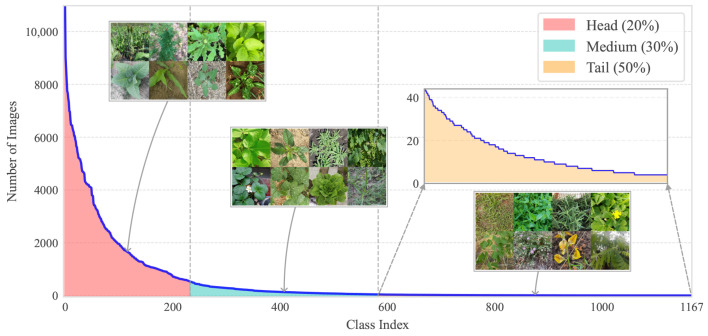 Figure 1
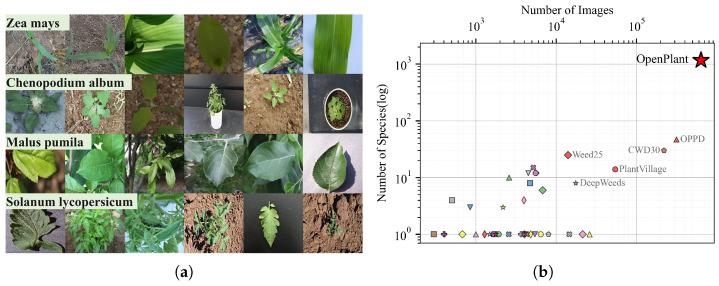 Figure 2
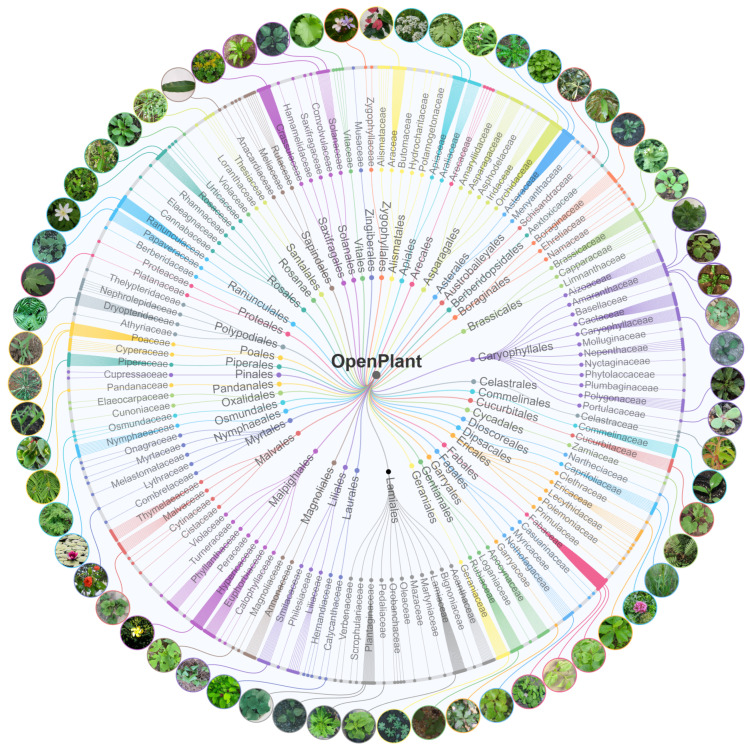 Figure 3
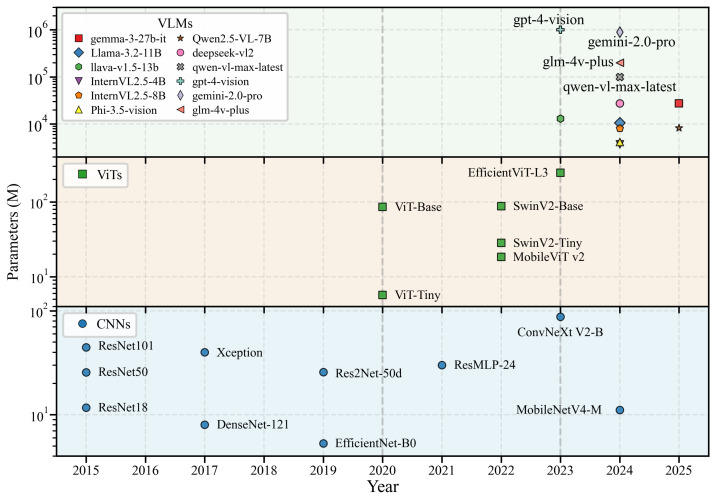 Figure 4
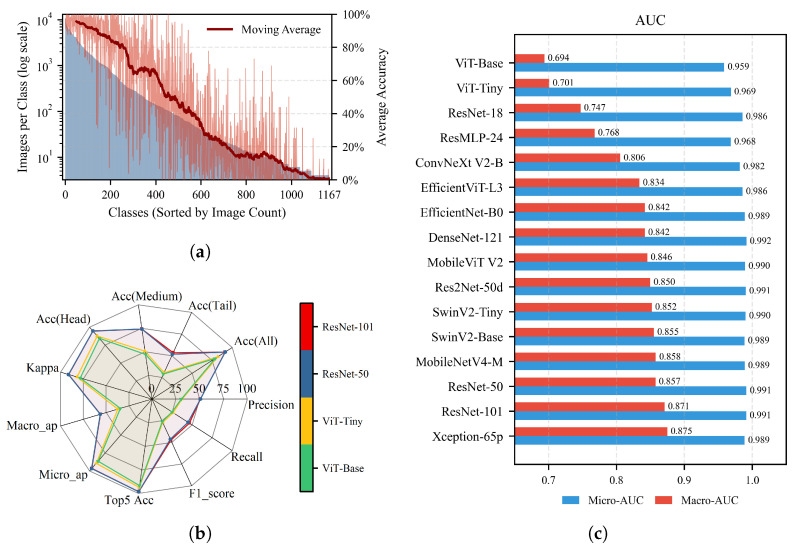 Figure 5
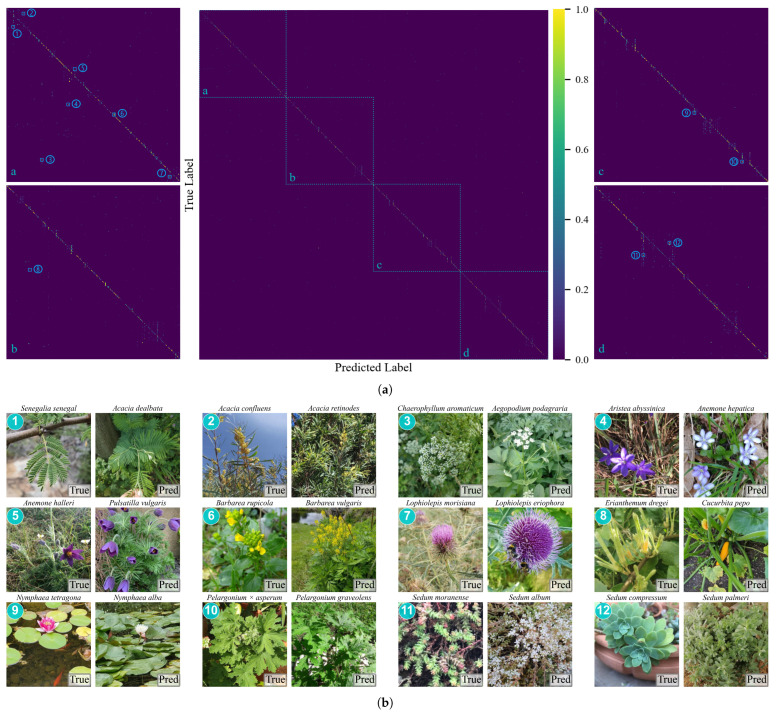 Figure 6
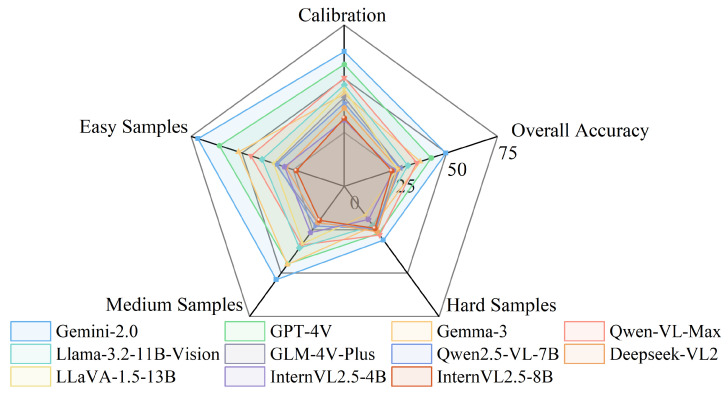 Figure 7
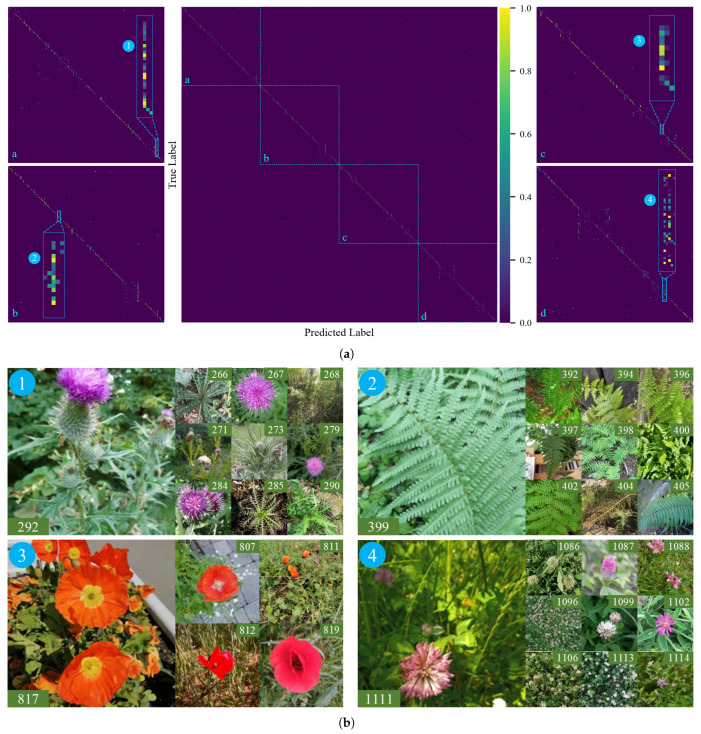 Figure 8
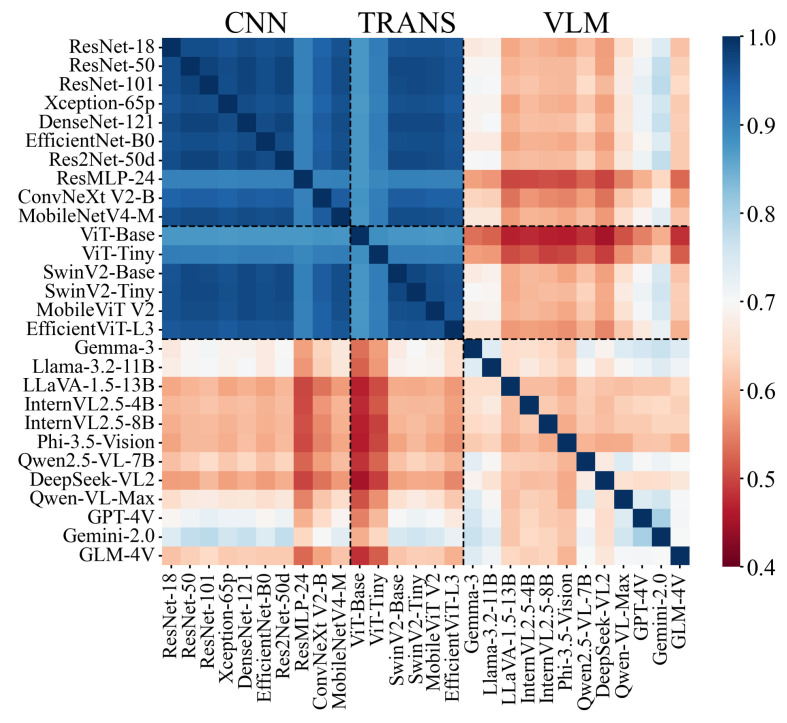 Figure 9
- —Gansu Science and Technology Plan
- —Gansu Province Modern Cold-Arid Characteristic Agriculture Medicinal Crop Industry Technology System
- —Gansu Province Industrial Support Plan Projects of Department of Education
Peer Reviews
No public reviews on file for this paper yet. If you reviewed it on a platform where reviews are public (OpenReview, ICLR, NeurIPS, ICML), you can paste yours below so the community can read it here.
Videos
No videos yet. Explain this paper in a talk, walkthrough, or lecture? Add one.
Taxonomy
TopicsSmart Agriculture and AI · Remote Sensing in Agriculture · Plant Disease Management Techniques
1. Introduction
With the rapid development of artificial intelligence (AI) and deep learning technologies, precision agriculture research is gradually moving towards data-driven approaches, much like to computer vision research. Plant classification—the task of identifying plant species from input images using deep learning—has been widely applied to support precision agriculture tasks [1,2]. In modern agricultural systems, plant classification is a fundamental and specialized task that is critical for weed management, invasive species control, and crop monitoring [3,4].
The performance of plant classification using deep learning models depends on the image datasets [5,6]. Deep learning models trained on large-scale datasets are generally more robust to variations in plant appearance. These variations are caused by differing growth conditions, growth stages, lighting environments, and camera angles. Such factors are particularly prevalent in agriculture [7,8]. However, most existing agricultural datasets are limited in both scale and diversity. This limitation makes it hard to train large deep learning models [9,10]. Common limitations of datasets used in the existing deep learning models can be summarized into four main categories. (1) Small number of classes. Most datasets contain a small number of species, often fewer than 60, as they typically focus on specific crops or diseases (as shown in Table 1), such as the AppleLeaf9 dataset [11] and the Sugarcane Disease Dataset [12]. This limits the generalizability of deep learning models across diverse species and tasks. (2) Limited environment diversity. Each dataset is focused on a specific environmental condition, such as the Open Plant Phenotype Database (OPPD) [13], PlantVillage [14], and PLD [15], which are collected under controlled laboratory conditions, and the deep learning models trained on these datasets often fail to apply in real-world field environments. (3) Challenge of data integration. Different datasets use different levels of labels, different annotations, and even some datasets are difficult to access, such as PDDD [16] and PDD271 [17]. It is hard to integrate these datasets for building a large foundation deep learning model.
These limitations highlight the need for diverse and large-scale agricultural plant image datasets to advance deep learning applications in precision farming. Despite the well-known impact of large-scale datasets such as ImageNet on computer vision, the agricultural domain still lacks a standardized resource supporting a broad range of plant classification tasks, even a decade after the release of PlantVillage, the most widely used dataset in the field. The challenge is becoming more critical as smart agriculture systems move toward comprehensive identification capabilities rather than specific tasks [18].
Another challenge is that reported performances are closely related to specific datasets. Current research on agricultural plant classification shows significant difference in model selection, from convolutional neural networks (CNNs) to vision transformers (ViTs). Some models achieve strong performance on specific datasets, but many of these datasets are not publicly available. This limitation makes it difficult to evaluate and compare model performance. Without standardized benchmarking datasets, it is challenging to determine which models can enhance agricultural vision capabilities across diverse environments and scales. In addition, foundation models trained on large datasets provide robust baseline capabilities for specific agricultural tasks. These capabilities can motivate the development of large-scale datasets to support effective transfer learning [19].
In this study, we present a new dataset named OpenPlant and evaluate it to address the various complexities and challenges in precision agriculture. We collected and organized 635,176 images of 1167 plant species. This significantly expands the category scale compared to existing datasets. To ensure annotation quality, all images were carefully checked and verified. We aim to enhance data accessibility and provide a valuable resource for future agricultural computer vision research by providing the OpenPlant dataset and alongside performance evaluations. Figure 1 exhibits its long-tail distribution. This distribution reflects the natural frequency variation in plant species. It also includes representative examples for head, medium, and tail frequency categories.
We also conducted extensive experiments on OpenPlant. We evaluated 16 widely used CNN and ViT models to establish fair performance benchmarks and guide model selection. In addition, we assessed 12 vision-language models (VLMs) to investigate their potential for plant classification within these dataset. These evaluations help to establish performance benchmarks for various algorithms in agricultural classification tasks. They also help to offer insights into model architecture suitability and reveal taxonomic factors influencing classification performance. The main contributions can be summarized as follows:
- Comprehensive review: We present a detailed survey of existing public datasets and classification methods for agricultural plant recognition. The survey includes information on image scale, annotation quality, and data sharing mechanisms. We also discuss recent developments in CNNs, ViTs, and VLMs for this task.
- OpenPlant dataset construction: We integrate 635,176 RGB images from 41 open-source repositories into a hierarchical taxonomic framework covering 1167 species. To the best of our knowledge, OpenPlant is among the largest agricultural plant datasets in both taxonomic diversity and image scale.
- Multi-dimensional performance evaluation: We perform a comprehensive benchmarking of 10 CNNs, 6 ViTs, and 12 VLMs on OpenPlant, providing a detailed analysis of performance. This evaluation framework is intended to advance research in fine-grained plant classification and broader agricultural computer vision applications.
2. Related Works
In this section, we comprehensively review the related methods and existing datasets.
2.1. Datasets in Agriculture
The widespread use of deep learning in agriculture has led to the creation of high-quality datasets. Since 2015, the number of publicly available image datasets for precision agriculture has increased. These datasets serve as a critical foundation for plant disease identification, weed detection, and crop phenotyping analysis. There is considerable variability in scale, annotation quality, and environmental diversity. This variability affects model generalizability and deployment effectiveness. We reviewed important datasets in agricultural plants used in computer vision and discussed their characteristics and limitations.
These datasets can be divided into three groups. The first group is focusing on plant disease classification. PlantVillage, a large disease recognition dataset, includes 54,309 images of 14 crop species and 38 disease and healthy classes. However, its controlled laboratory conditions have same backgrounds and lighting. These conditions may not fully capture the complexity of real-world agricultural environments. Similar limitations affect other collections, such as the Potato Disease Leaf Dataset [15] and the Corn Leaf Disease Dataset [20]. Some datasets are designed for specific crops, such as the Cassava Disease Classification Dataset [21] with 21,400 images, and Cotton Plant Disease Dataset [22] with 26,100 images, providing coverage for these important cash crops. Many datasets, such as the Rice Diseases Image Dataset [23] with 5447 images and Banana Leaf Disease Images [24] with 1288 images, primarily focus on single-leaf observations and do not capture whole-plant phenotypic information. Furthermore, existing datasets generally capture static states and overlook the dynamic development of plants. These limitations, including the relatively small size and environmental uniformity of many collections, bring challenges for developing general and robust agricultural vision systems in diverse conditions. The PlantPAD [25] attempts to address some of these limitations by including 421,314 images, 63 crops, and 310 diseases. However, we cannot get access to the dataset directly, which limits its further use.
The second group of datasets mainly focuses on weed control. This task presents challenges due to the visual similarities between crops and weeds at various growth stages. Current weed datasets show strong regional specificity. For example, DeepWeeds [26] targets Australian rangeland weeds, while CottonWeedID15 [27] focuses on weeds common in U.S. cotton production systems. This may limit model transferability across different agricultural regions and ecosystems. Additionally, the annotation methods are not consistent across datasets. Some detection-oriented datasets, like Weed25 [28] and CottonWeedDet12 [29], provide bounding box annotations. Others offer only image-level labels, which complicates dataset integration and model development for diverse weed control applications.
Another challenge is the limited study of crop–weed interactions within existing datasets. Most collections focus on weed identification, not adequately observing the competitive relationships between crops and weeds in the field. The Carrot-Weed segmentation dataset [30] attempts to address this gap but lacks diversity in crop types. The Weed Growth Stage Estimator dataset [31] contains images of 18 weed species across various environmental conditions, while its annotation only provides the growth stage. DeepSeedling [32] was developed for counting cotton and weed seedlings, which is unsuitable for crop classification. More recently, the CWD30 dataset [33] includes 219,770 images across 30 classes (10 crops and 20 weeds), demonstrating great progress. Nevertheless, it continues to face challenges, particularly in early growth stages where some images may not clearly show the target weeds or crops, complicating visual identification.
The third group of datasets includes general plant databases that offer broader taxonomic coverage but present challenges for agricultural applications. PlantNet-300K [34], with 306,146 images of 1081 species, is one of the large plant image collections available. However, variations in image quality and annotation reliability may reduce its usefulness for precision agriculture applications. These limitations indicate a gap between general databases and the requirements of agricultural vision systems.
Despite the increase in agricultural datasets, several limitations remain prevalent across them. These limitations suggest the need for a comprehensive and integrated agricultural dataset that covers more species to support deep learning models for benchmarking.
2.2. Computer Vision Models in Agriculture
In recent years, deep learning models have been extensively used in research focused on plant phenotyping and growth monitoring. CNNs, with their configurable depths and improved feature extraction, are highly effective in agricultural classification systems. These multi-layer frameworks help precisely identify crop disease phenotypes, differentiate varieties, and characterize growth stages. For example, models such as Inception, ResNet, and DenseNet demonstrate exceptional performance in these image classification tasks [35,36,37].
Recent advances in deep learning, particularly the application of vision transformers (ViTs), have improved the accuracy of agricultural plant image classification. ViTs use self-attention mechanisms to handle larger image contexts, enabling the model to more effectively identify plant phenotypes. Sun et al. [38] proposed an improved Transformer network that integrates a multi-scale convolution technique to effectively segment crops and weeds in sugarcane fields. This method achieved an accuracy of 96.97% on a custom dataset. Similarly, Thakur et al. [39] introduced a hybrid model combining ViT with CNN. This model merges CNN’s local feature extraction with ViT’s global attention for plant leaf disease classification, achieving an accuracy of 98.86% on the PlantVillage dataset.
Deep learning-based classification approaches have demonstrated high accuracy and performance in agricultural plants. However, existing research often focuses on specific crops within certain datasets. This can risk overfitting and result in classifiers with limited generalization capabilities. Additionally, many studies concentrate on enhancing deep learning algorithms. In such cases, custom CNN or ViT architectures may incur higher computational costs.
2.3. Vision Language Models in Agriculture
Recent advances in vision-language models (VLMs) have shown considerable potential for precision agricultural applications. By integrating computer vision with natural language processing capabilities, VLMs facilitate a multimodal understanding of visual-textual relationships to address complex agricultural tasks. Awais et al. [40] proposed AgroGPT, the first efficient agricultural VLM with domain-adaptive dialog capabilities. It targets specific challenges in the scarcity of agricultural image-text paired data through an innovative expert-tuning methodology. Zhou et al. [41] proposed a small-sample learning framework based on pre-trained VLMs to generate refined text descriptions of clustered, selected images of representative disease signs using the Qwen-VL model. This framework aims to enhance classification accuracy for complex crop diseases in small-sample scenarios. However, this approach necessitates validation of cross-domain generalization capabilities and may require substantial computational resources for field deployment. To overcome the limitations of wheat disease diagnosis under natural field conditions, Zhang et al. [42] proposed the Wheat Disease Language Model (WDLM), which combines an enhanced Segment Anything Model (SAM) for feature extraction with Chain-of-Thought (CoT) reasoning to generate interpretable diagnostic logic. The model was optimized using the Wheat Disease Semantic Dataset (WDSD) and exhibited improved performance compared to conventional CNNs, transformers, and existing VLMs in terms of both disease classification accuracy (92.7%) and treatment recommendation relevance. The WDLM achieves practical mobile deployment through computational efficiency optimizations, enabling real-time diagnostics in field applications.
VLMs offer many potential applications in this domain. However, it is also limited by the availability of comprehensive data that reflects the complexities of real-world agriculture. Current research has yet to comprehensively evaluate and study the performance and application of VLMs in agricultural plant classification. To address these challenges and further advance research in precision agriculture, this paper proposes the OpenPlant dataset to offer a valuable resource for precision agriculture researchers. Popular deep learning models and VLMs are evaluated on the dataset to explore the current status and future direction of deep learning and VLMs in plant classification.
3. The OpenPlant Dataset
3.1. Overview of OpenPlant
Developing an agricultural benchmark dataset should focus on the following factors: taxonomic coverage across species and growth stages, environmental diversity with real-field conditions, community accessibility, and expert-validated annotation to ensure reliability. Based on these rules, we compiled the OpenPlant dataset from a wide range of existing datasets, as shown in Table 1.
3.1.1. Diversity
The OpenPlant dataset exhibits two complementary forms of diversity: inter-class and intra-class diversity. Inter-class diversity means a broad taxonomic range, encompassing 48 orders, 125 families, and 428 genera within the plant kingdom. This taxonomic range is more extensive than many previous agricultural datasets focused on a limited number of crops or weeds. The dataset covers economically important crops such as cereals, legumes, fruits, and vegetables. It also includes weed species, covering both widespread agricultural weeds and emerging invasive taxa. A notable feature of the dataset is the inclusion of uncommon plant taxa in agricultural landscapes, such as wild plants, flowers, ornamental plants, medicinal plants, and multi-purpose plants. This complements most datasets that focus only on specific crops or weeds. It also supplies negative samples for model training to enhance accuracy in complex field environments.
Equally important is the intra-class diversity, i.e., visual variation within a single species, including differences in growth stages, shooting angles, environmental conditions (e.g., background, lighting), cultivation settings, and scale (from zoomed-out views of whole plants or leaves to close-up views of local structures). As illustrated in Figure 2a, in OpenPlant dataset, images in one species may source from multiple repositories. This enables the intra-class diversity across growing stages, imaging perspectives, environmental conditions, and cultivation contexts. It is rarely available from a single source collection.
3.1.2. Richness
The OpenPlant dataset represents a significant advancement in the scale of agricultural vision data, encompassing 635,176 images across 1167 plant species. This collection substantially exceeds existing agricultural datasets, as illustrated in Figure 2b. OpenPlant shows a leading position. Compared with most existing agricultural datasets, it offers about 100 times greater species coverage and 2 to 10 times more images. Despite following a long-tail distribution, OpenPlant ensures sufficient data across species. Each species has an average of 544 images, exceeding the minimum thresholds for effective deep learning model training. The head portion of the dataset contains significant crops and common weeds in agriculture, averaging 2430 images per species. For example, the image collection comprises 10,981 images of Zea mays (corn) and 7750 images of Chenopodium album (fat-hen, goosefoot), capturing diverse growth stages and cultivation environments. The richness of the dataset enables models to develop robust feature identification capabilities that address the significant visual variability in real-world agricultural applications.
3.1.3. Hierarchy
We organized images according to plant taxonomy (order, family, genus, species) to ensure hierarchical classification. This hierarchical system helps in the detailed analysis of specific plant species and broader investigations of taxonomic characteristics. The hierarchical structure of OpenPlant dataset is shown in Figure 3. This circular dendrogram illustrates the taxonomic range of our collection. The rings represent taxonomic levels: orders (innermost ring), families, and species (outermost ring). The visualization shows the broad coverage of OpenPlant, encompassing 48 orders, including major agricultural groups such as Poales, Fabales, Rosales, and Solanales. These orders branch into 125 families, which are further subdivided into 428 genera and 1167 species. Images of representative species along the outermost layer illustrate the important crops and weeds within each taxonomic branch.
This hierarchical organization provides significant advantages for deep learning applications. It helps to understand the relationships of plants at different taxonomic levels (order, family, genus, species). At the same time, it also provides a framework for developing deep learning algorithms based on plant classification hierarchy. This extensive collection provides essential training data for models to recognize plant relationships across different levels of detail.
3.2. Data Collection
3.2.1. Dataset Integration
The OpenPlant dataset was created by integrating 41 existing public datasets. From the open-access datasets, we selected 24 disease classification datasets (only healthy samples), 16 datasets focused on weed identification, and one general plant dataset. The collection process used a structured approach to ensure data quality and taxonomic accuracy. This integration required extensive preprocessing to maintain data integrity and avoid duplication.
The data acquisition strategy aimed to enhance botanical and geographical representation by including diverse sources. We checked datasets from agricultural research institutes, universities, and reputable platforms. The selection criteria were: (1) credibility and research impact of the source, (2) dataset size and taxonomic coverage, (3) annotation quality, (4) geographical diversity, and (5) licensing compatibility with open access. Ultimately, the integrated dataset selected 3 datasets from professional agricultural websites, 12 from online platforms, and 29 released with literature. During this process, we did not include several potentially relevant datasets due to specific reasons. For example, we excluded the CropAndWeed dataset due to annotation quality, including repeated labels and taxonomic errors. We did not include datasets such as AIWeeds [67], RumexWeeds [68], and the CNU Weeds datasets [69] because of access restrictions or incomplete data availability. We excluded the Leaf Counting Dataset [31] because it was classified by leaf count instead of taxonomic category. We also did not include datasets like the Maize-Weed Image Dataset [70] and DeepSeedling. These datasets lack species-level labels and group all weeds into a generic “weed” category without any taxonomic differentiation.
The dataset will undergo ongoing maintenance to add new public datasets that meet the criteria. This ensures OpenPlant remains up-to-date with evolving agricultural image data for species classification.
3.2.2. Data Cleaning and Preprocessing
To enhance the usability of OpenPlant, we processed all datasets in Table 1. Most agricultural datasets for disease identification, like PlantVillage and OLID I, contain mixed healthy and diseased leaves, with varying levels of documentation and preprocessing. We selected only healthy samples from these to include in the dataset.
At the dataset level, data overlaps were found in collections such as CWID15 and CWD12, developed by the same research team. These overlapping data were removed during merging to prevent potential data leakage between the training and testing sets. At the file level, some samples in datasets such as PLD and Chilli have identical filenames across different folders but contain distinct image content. After verification of their distinctiveness, these images were retained in our collection.
We applied strict quality criteria to decide which images to include in our final dataset. For time-series datasets recording plant growth from germination (e.g., CWD30), images where the target species is invisible or barely visible during the early growth stages must be carefully screened and removed. For object detection datasets like ImageWeeds and SugarBeet2016, we extracted object regions using the provided bounding box annotations. We excluded bounding boxes smaller than 128 × 128 pixels because they provided insufficient visual information for reliable feature extraction. Quality control also involves identifying and correcting annotation errors through detailed manual review to ensure the datasets maintain a high level of accuracy.
3.2.3. Taxonomic Organization
We performed a standardization process in building the OpenPlant dataset to ensure its structure conforms to the taxonomic system. One major difficulty in our workflow was that many existing agricultural datasets categorize plant species using common names (e.g., “shepherd’s purse”, “barnyard grass”) instead of scientific nomenclature. These common names often vary regionally and may refer to multiple distinct species. During the preprocessing phase, we converted all common names to their corresponding scientific names (genus and species) to ensure taxonomic precision and applicability. This conversion process involved cross-validating multiple botanical databases, such as the World Flora Online (Available online: http://www.worldfloraonline.org, accessed on 1 May 2025) and the Global Biodiversity Information Facility (Available online: https://www.gbif.org, accessed on 1 May 2025).
While working with PlantNet-300K, originally including 1081 species classes, we identified 60 duplicate classes due to different citation styles and incorrect format. For example, “Cirsium palustre (L.) Coss. ex Scop.” and “Cirsium palustre (L.) Scop.” were incorrectly treated as separate species due to different scientific names with author citation. Similarly, “Acalypha hispida Burm. f.” and “Acalypha hispida Burm.f.” were mistakenly regarded as different species due to an extra space in the name of the former. We compared the taxonomic information with the WFO Plant List database and integrated it into 1021 categories.
In the OpenPlant dataset, we standardized species names using the binomial nomenclature. Where taxonomic assignment was unclear, we conducted manual checks to enhance accuracy and consistency in our taxonomy. Each image was placed in a folder named according to accepted Latin nomenclature (Genus species) for its species. This standardization will simplify the integration with more agricultural plant databases that use scientific nomenclature in the future.
4. Methods
4.1. Model Selection
We selected models that demonstrated strong capabilities, in general, image classification tasks to evaluate their performance in agricultural plant classification. This provide a useful foundation for evaluating their performance on the OpenPlant dataset and developing detailed performance benchmarks for agricultural plant classification. The selection criteria focused on architectural diversity, historical performance in image classification, evolution of models, and availability of existing deep learning frameworks. Figure 4 shows a timeline of the 28 models benchmarked in our study, grouped into three categories: CNNs, ViTs, and VLMs. This figure includes publication dates and parameter counts, showing the architectural evolution since 2015 and the scale trends on a logarithmic scale.
4.2. Computer Vision Models
We tested a broad range of CNN and ViT models using the PyTorch Image Models (timm 1.0.20) library as shown in Table 2.
Convolutional Neural Networks: The model selection was based on their effectiveness in image classification. We began with the ResNet family, which introduced residual learning to train deeper networks effectively. This technique has notably influenced subsequent model designs due to its effectiveness in addressing vanishing gradients. Xception uses depthwise separable convolutions to improve parameter efficiency and processing speed. DenseNet establishes dense connections between all preceding layers and subsequent layers to reduce vanishing gradients and improve model performance. EfficientNet, developed in 2019, uses compound scaling to balance network depth, width, and resolution to enhance performance. Res2Net improves handling multiple scales within a network by using a novel multi-scale feature extraction scheme within residual blocks. ResMLP uses a multi-layer perceptron (MLP)-based feature extraction without conventional convolutions, introducing an alternative approach in network design. MobileNetV4 is designed for environments with limited computational resources, making it ideal for real-time applications. ConvNeXtV2 updates CNNs by integrating transformer-inspired modifications.
Vision Transformers: We chose vision transformer models on various complexity levels, including ViT-Base and ViT-Tiny. These models allow us to investigate how different model sizes affect performance and accuracy. We also included hierarchical designs such as SwinV2-Base and SwinV2-Tiny. These are particularly useful for handling images with varying spatial resolutions, a common scenario in agricultural applications.
The computing power available varies across different application scenarios. The MobileViTV2 has a smaller model size and is well-suited for environments with limited computational resources. EfficientViT-L3, with a larger parameter count, making it appropriate for scenarios where more complex processing is feasible. This contrast allows us to explore the balance between efficiency and performance. It is crucial for practical applications in agricultural settings.
4.3. Vision Language Models
To assess the potential capabilities of large multimodal models in agricultural plant classification, we evaluated 12 VLMs, including both open-access and closed-source models, in Table 3.
Open-source VLMs: We selected a diverse set of open-source vision-language models for comprehensive comparative analysis. The Gemma-3 model was quantized using quantization-aware training (QAT) and 4-bit weight quantization. This approach reduced memory usage to about one-third of the original requirement while maintaining comparable accuracy and computational efficiency. Llama-3.2-11B-Vision exhibits solid performance in visual recognition and image reasoning, capable of identifying and analyzing complex patterns. LLaVA-1.5-13B designed a transformer-based architecture with an image encoder and projection layers. These components align visual embeddings with the language model space, enabling efficient multimodal inference. InternVL2.5-4B/8B employed a ViT-MLP-LLM architecture, where ViT extracts visual features, MLP maps them to the language model’s embedding space, and LLM generates the responses. Phi-3.5-Vision is capable of processing high-resolution, information-dense images and corresponding textual inputs, and producing multimodal outputs. Qwen2.5-VL is effective at visual recognition and generating structured outputs from complex visual data.
Closed-source VLMs: To better understand the performance limits, we tested our dataset using several leading closed-source vision-language models. These models are developed commercially and are trained with larger and more diverse resources than most open-source models. In our evaluation, we included Qwen-VL-Max, GPT-4V (GPT-4-vision), Gemini-2.0 (Gemini-2.0-Pro), GLM-4V-Plus, and DeepSeek-VL2. This comparison helps us see how open-source models perform relative to advanced commercial models.
Overall, model selection focuses on architecture innovation, model performance, and practical application in agriculture, ensuring a comprehensive evaluation of diverse paradigms and technologies.
5. Experimental Setup
5.1. Training of Computer Vision Models
To evaluate plant classification models, all models were initialized with pre-trained weights from ImageNet to make use of the benefits of transfer learning. The final classification layer of each model was replaced with a new fully connected layer corresponding to our dataset’s class count. We resized all images to maintain a fixed shorter dimension of 256 pixels while preserving the original aspect ratio. This approach was intended to preserve the aspect ratio features of the images while standardizing the input dimensions for the neural networks. The dataset was randomly partitioned using a 7:1:2 split ratio for training, validation, and testing sets, respectively. The input images were normalized using a mean of [0.43056735, 0.46167394, 0.36951741] and a standard deviation of [0.22340974, 0.21595199, 0.22381605].
5.2. VLM Testing
The evaluation aimed to investigate the performance of VLMs in identifying plant species. It placed special emphasis on the accurate use of scientific names, a task that is uniquely challenging compared to conventional object recognition.
We designed a hierarchical evaluation method to assess the performance of visual language models across varying levels of difficulty. Based on the results of computer vision models, we divided test images into three categories.
Easy samples: Images that all 16 computer vision models classify correctly.Intermediate samples: Images where the classification accuracy of computer vision models is 50%.Hard samples: Images that all 16 computer vision models classify incorrectly.
This division enables the evaluation of VLMs’ performance at different identification difficulty levels within traditional vision models.
For open-source VLMs, we obtained the pre-trained models and deployed them locally. For closed-source VLMs, we submitted images via commercial APIs to obtain outputs. We processed the test images from the dataset using the same evaluation pipeline to ensure consistency.
In our tests, when the output format was not fixed, the VLMs often produced answers in various formats. It is difficult for us to accurately count the results. Therefore, we adopted a single-choice evaluation framework. For each test image, we extracted the top-5 predictions with the highest score from the test results of CNN/ViT models based on the highest probability score for the true label. If none of the top-5 predictions contain the true label, the true label was added to five options and replaced the label with the lowest probability. These five candidate labels were then submitted to VLMs as options A to E.
The VLMs were prompted using the same expert-role instruction template. Images are submitted via Base64 encoding. The user prompt instructs the VLMs to analyze the visible features of the image and select the most appropriate option from the five provided categories. This approach limited the VLMs to choosing from predefined options rather than generating free-form taxonomic names. Standardized answers make it possible to assess their visual reasoning abilities. Notably, although the output format was restricted, some models still returned an “ERROR” option for a small number of samples during testing. These cases were counted as incorrect predictions. All VLMs’ responses were parsed to extract their selections and corresponding confidence scores.
5.3. Evaluation Metrics
To comprehensively evaluate the model’s performance on the OpenPlant dataset, we employed a diverse suite of evaluation metrics covering classification accuracy, calibration, and inter-model consistency.
For classification assessment, we calculated standard metrics including Precision, Recall, F1-score, and Top-5 accuracy.
We also evaluated the models using Micro-average precision (Micro-AP), Macro-average precision (Macro-AP), and Top-1 Accuracy. Top-1 accuracy was computed separately for the head, medium, tail and the entire dataset. This helps compare the model’s performance on common and rare species.
We calculated the area under the receiver operating characteristic curve (ROC-AUC). The ROC plots the true positive rate (TPR) against the false positive rate (FPR) at different classification thresholds. The AUC reflects the model’s ability to distinguish between classes.
Cohen’s Kappa coefficient quantified the agreement between model predictions and ground truth beyond chance:
where is the observed agreement and is the expected agreement by chance.
We calculated the Expected Calibration Error (ECE) for VLMs to measures the gap between a model’s predicted confidence and its actual accuracy:
where samples are grouped into M bins based on prediction confidence, and acc( ) and conf( ) represent the accuracy and average confidence within each bin.
In addition to individual evaluation metrics above, we calculated an overall performance score using the Entropy Weight Method (EWM).
Let denote the original score of model i on metric j. We normalize all metrics to eliminate the influence of different scales:
We calculate the proportion of model i on metric j:
The information entropy of the j-th metric is defined as follows:
The entropy weight for each metric is then
The overall performance score for model i is obtained by
This method tends to assign higher weights to metrics with greater variability across models, thereby allowing such metrics to contribute more to the overall score.
Finally, to evaluate consistency across model architectures, we computed Pearson correlation coefficients between model prediction vectors:
where and are prediction scores from two different models. This metric reveals architectural biases and provides insight into ensemble potential, as models with complementary error patterns offer greater performance gains when combined.
6. Results
6.1. CNN and ViT Models
We conducted a detailed evaluation of 16 deep learning models on the OpenPlant dataset. The quantitative results indicate substantial performance variations across models and metrics.
Figure 5a shows the relationship between the training sample quantity and the recognition accuracy for 1167 plant species. The plot compares the number of images for each class with the accuracy achieved by the models. A discernible trend can be observed: species with more images tend to achieve higher accuracy. There is a positive Pearson correlation (r = 0.5516) between total image count and average accuracy. When the number of images drops below approximately 100, accuracy tends to decrease more noticeably. This pattern suggests that having enough images is important for training deep learning models in plant recognition.
Table 4 and Figure 5b compare 16 CNN and Transformer models on 11 metrics. Overall, CNNs performed better than pure vision transformers. Among all models, ResNet-101 (Score = 96.95%) ranked highest, while DenseNet-121 showed the best accuracy (91.37%). Pure ViT models, such as ViT-Base, had lower F1-scores (25.91%) than CNNs (e.g., Xception-65p: 48.31%) and other ViTs(e.g., SwinV2-Base: 46.43%), indicating weaker performance on long-tailed data.
Performance varied greatly between head, medium, and tail classes. The accuracy for head classes was 84–95%, but for tail classes, it dropped to 29–53%. ResNet-101 and Xception achieved the higher accuracy on tail classes (53.39% and 53.18%), indicating their stronger ability in recognizing rare species.
Overall accuracy was high (88–91%), but the gap between micro-AP and macro-AP (about 40%) shows the strong class imbalance effect. Top-5 accuracy was above 96% for most models, meaning the correct label was usually in the top-5 predictions. Kappa values ranged from 78% to 91% and DenseNet-121 achieved highest score.
Figure 5c contrasts micro-AUC and macro-AUC scores for all 16 evaluated models. The notable performance difference reflects the challenge posed by the long-tailed species distribution. All models achieve relatively high micro-AUC values (0.959–0.992), indicating strong performance on common species. However, their lower macro-AUC scores (0.694–0.875) suggest challenges in classifying rare species. Xception-65p and ResNet-101 achieve the highest macro-AUC values (0.875 and 0.871), indicating that these models may capture features more effectively under class imbalance conditions.
Figure 6 shows the classification results for all 1167 species using the 16 CNN and ViT models. For clearer presentation, the confusion matrix is divided into four enlarged sections (a–d) in Figure 6a. The horizontal axis represents the predicted label, and the vertical axis represents the true label. Brighter yellow indicates higher recognition performance. Examples 1–12 in Figure 6b illustrate the confusion cases labeled in Figure 6a. Many occur between species with very similar leaves or flowers, such as ferns with similar leaves, and thistles with similar flowers. This indicates that the model has learned useful phenotypic features but still performs poorly when handling very subtle differences, particularly among rare or visually similar species. Without careful observation of the details, these similarities may also pose challenges to experienced botanists.
6.2. Vision-Language Models
In addition to traditional deep learning architectures, we also evaluated 12 popular VLMs on the OpenPlant dataset. These multimodal models can offer complementary advantages to pure vision models in this challenging task.
To evaluate the performance of visual language models on samples of varying difficulty, we divided the dataset into three subsets: Hard Samples, Intermediate Samples, and Easy Samples. The evaluation results are shown in Table 5 and Figure 7 illustrating notable performance variations across VLMs.
Gemini-2.0 achieved the highest overall accuracy of 49.70%, followed by GPT-4V (42.60%) and Gemma-3 (37.20%), consistent with their ranking in overall performance score. This performance variation remained relatively consistent across different evaluation metrics. It indicates inherent differences in the visual recognition capabilities of these models rather than task-specific variations.
The expected calibration error (ECE) metrics reveal that most VLMs exhibit poor calibration, with values ranging from 37% (Gemini-2.0) to 69% (InternVL2.5-4B). Lower ECE values indicate better alignment between model confidence and actual accuracy. Gemini-2.0 and GPT-4V showed better calibration than other models. This suggests their confidence scores are more reliable indicators of prediction accuracy.
Across all VLMs, we observed the clear correlation between sample difficulty and model performance. Accuracy on Easy Samples (23–71%) was consistently higher than on Hard Samples (16–30%). This indicates that VLMs struggle with the same challenging cases as pure vision models. However, for 2554 hard samples(incorrectly predicted by 16 CNNs and ViTs), VLMs achieved more than 50% accuracy in 384 samples. This complementary advantage suggests that combining VLM with traditional deep learning models may yield potential benefits.
The confusion matrix in Figure 8a shows that the VLMs perform well on most classes. Many errors occur between classes with similar visual features, such as thistle with spiny leaves and purple flowers, where the model focuses more on these dominant features. As shown in Figure 8b, class 292 corresponds to Cirsium vulgare, which is a common thistle species. Other species that the model predicts as Cirsium vulgare belong to the same genus. If their traits are not sufficiently represented during training, the model is more likely to classify them as the species with a higher sample frequency. In addition, most confused samples in Figure 8b occur within the same genus. Misclassification frequently occurs within a genus because intra-class similarity makes it hard to extract stable features. Future work could use a hierarchical classification approach. The model predicts the correct genus first and then uses more morphological or phenotypic features to identify the correct species.
7. Discussion
The different performance in our experiments indicates that the long-tailed distribution with 1167 classes brings challenges for these deep learning models. Models tend to learn features of common species, but their performance declines when classifying rare species with limited training samples. The visual similarity between related species increases the complexity of this task. Phenotypic differences are relatively minor and are often obscured by variations in imaging conditions and growth stages. Figure 6 further illustrates this point. Many errors occur between species with very similar leaves or flowers. This indicates that current models still struggle to capture the fine-grained features needed for reliable recognition of rare or visually similar species.
Future research could focus on developing specialized techniques to improve rare species or similar recognition.Potential approaches include data augmentation for tail classes, transfer learning, hierarchical classification strategies, or combination of different architectures. Another approach is to develop more fine-grained visual feature extraction techniques to capture subtle variations between plant categories. Additionally, integrating multi-source data from sensing platforms, such as RGB imaging or hyperspectral cameras, may help improve classification accuracy.
For vision-language models (VLMs), a similar set of challenges emerges. Since we cannot obtain the distribution information of the pre-training data for VLMs, we cannot directly establish a correlation between accuracy and the sample frequency in the test set. Analysis of performance across the 1167 plant classes revealed that VLMs’ accuracy showed weak correlation with the sample frequency of the OpenPlant dataset. For example, VLMs achieved 100% accuracy on certain categories containing only 4–9 images. At the same time, there are also categories with a large number of test samples where VLM’s accuracy remains relatively low. In fact, VLMs are also influenced by similar phenotypic characteristics among different species within the same taxonomic group.
To assess the consistency across all models, we computed Pearson correlation coefficients based on prediction results. Figure 9 illustrates prediction correlations among 28 models including CNNs, ViTs, and VLMs evaluated on the OpenPlant dataset. Higher correlation indicates that two models tend to produce more similar prediction results. Different correlations emerge between model families. CNNs and ViTs exhibit high correlations within groups, indicating that these models capture similar features. Therefore, CNNs and ViTs can serve as alternative solutions to each other, and the performance gains from integrating the two may be limited. In contrast, VLMs exhibit lower correlations (0.4–0.7) compared to CNNs and ViTs. Combining VLM with CNNs and ViTs may enhance model robustness and species identification through capturing complementary features in complex agricultural scenarios. Additionally, agricultural VLMs could be developed to enhance species recognition accuracy and support data-driven decision-making in farming.
These observations highlight promising directions for future work. First, combining VLMs with CNNs and ViTs may enhance overall model robustness and species identification performance by leveraging complementary strengths across architectures. Second, specialized VLMs could be developed to reduce misclassification and support more reliable, fine-grained species recognition. Finally, building large datasets can help develop specialized large models to support data-driven decision-making in the agricultural field.
8. Conclusions
In this study, we introduced the OpenPlant dataset, a large and diverse agricultural benchmark with 635,176 images across 1167 plant species. It covers a wide range of crops, weeds, and wild plants, including rich variations in growth stages, backgrounds, and environmental conditions. We tested 16 CNN/ViT models and 12 VLMs to evaluate their performance characteristics on the long-tailed dataset.
From our experiments, several key findings emerged: (1) the OpenPlant dataset provides diverse and rich samples of species with hierarchical organization, making it a potentially valuable baseline for agricultural vision tasks, (2) CNN models show stronger and more stable performance than pure ViTs on this long-tailed distributions, with ResNet-101 achieving the highest overall performance scores, (3) the tiny versions of ViT and SwinV2 performed better than their base versions. This may be because large models tend to classify low-frequency samples into high-frequency categories, as indicated by the higher accuracy of tiny versions on tail classes, (4) closed-source VLMs such as Gemini-2.0 and GPT-4V perform better than other VLMs tested in this work, (5) the low correlation between errors of CNN/ViT models and VLMs indicates that these model families focus on different visual features, and (6) the complementarity between model families highlights the potential for integrating VLMs with CNNs and ViTs.
At the same time, the study has some limitations and potential directions: (1) the dataset exhibits long-tail imbalance, which may limit recognition of rare species, and (2) integrating different models, particularly those designed for long-tail data, requires more exploration. Future research could focus on reducing long-tail bias through data augmentation, combining CNNs and ViTs with VLMs, and building specialized agricultural foundation models to enhance the efficiency, effectiveness, and generalization of agricultural AI systems.
The reference list from the paper itself. Each links out to its DOI / PubMed record.
- 1Upadhyay A. Chandel N.S. Singh K.P. Chakraborty S.K. Nandede B.M. Kumar M. Subeesh A. Upendar K. Salem A. Elbeltagi A. Deep Learning and Computer Vision in Plant Disease Detection: A Comprehensive Review of Techniques, Models, and Trends in Precision Agriculture Artif. Intell. Rev.2025589210.1007/s 10462-024-11100-x · doi ↗
- 2Khan A.T. Jensen S.M. Khan A.R. Advancing Precision Agriculture: A Comparative Analysis of YOL Ov 8 for Multi-Class Weed Detection in Cotton Cultivation Artif. Intell. Agric.20251518219110.1016/j.aiia.2025.01.013 · doi ↗
- 3Bosilj P. Duckett T. Cielniak G. Analysis of Morphology-Based Features for Classification of Crop and Weeds in Precision Agriculture IEEE Robot. Autom. Lett.201832950295610.1109/LRA.2018.2848305 · doi ↗
- 4Wu H. Fang L. Yu Q. Yuan J. Yang C. Plant Leaf Identification Based on Shape and Convolutional Features Expert Syst. Appl.202321911962610.1016/j.eswa.2023.119626 · doi ↗
- 5Adhinata F.D. Wahyono Sumiharto R. A Comprehensive Survey on Weed and Crop Classification Using Machine Learning and Deep Learning Artif. Intell. Agric.202413456310.1016/j.aiia.2024.06.005 · doi ↗
- 6Li W. Liang S. Zhang Y. Liu L. Chen K. Chen Y. Ma H. Xu J. Ma Y. Guan S. Fine-Grained Hierarchical Crop Type Classification from Integrated Hyperspectral En MAP Data and Multispectral Sentinel-2 Time Series: A Large-Scale Dataset and Dual-Stream Transformer Methodar Xiv 20252506.06155
- 7Zheng Y.Y. Kong J.L. Jin X.B. Wang X.Y. Su T.L. Zuo M. Crop Deep: The Crop Vision Dataset for Deep-Learning-Based Classification and Detection in Precision Agriculture Sensors 201919105810.3390/s 1905105830832283 PMC 6427818 · doi ↗ · pubmed ↗
- 8Coleman G.R. Bender A. Hu K. Sharpe S.M. Schumann A.W. Wang Z. Bagavathiannan M.V. Boyd N.S. Walsh M.J. Weed Detection to Weed Recognition: Reviewing 50 Years of Research to Identify Constraints and Opportunities for Large-Scale Cropping Systems Weed Technol.20223674175710.1017/wet.2022.84 · doi ↗