VMESR: Variable Mamba-Enhanced Super-Resolution for Real-Time Road Scene Understanding with Automotive Vision Sensors
Hongjun Zhu, Wanjun Wang, Chunyan Ma, Rongtao Hou

TL;DR
VMESR is a new super-resolution method that improves image quality for automotive cameras in challenging conditions, balancing efficiency and accuracy for real-time use.
Contribution
VMESR introduces a variable mamba-enhanced architecture for efficient and accurate image super-resolution in automotive vision.
Findings
VMESR achieves competitive performance in objective metrics and perceptual quality compared to state-of-the-art methods.
The method significantly reduces parameter counts and computational cost while maintaining high reconstructive accuracy.
VMESR enhances the robustness of autonomous driving perception pipelines for embedded automotive sensors.
Abstract
Automotive vision systems depend critically on front-view cameras, whose image quality frequently degrades under adverse conditions such as rain, fog, low illumination, and rapid motion. To address this challenge, we propose VMESR, a variable mamba-enhanced super-resolution network that integrates a selective state-space model into a lightweight super-resolution architecture. By serializing 2D feature maps and applying variable-depth mamba blocks, VMESR captures long-range dependencies with linear complexity. A multi-scale feature extractor, enhanced residual modules equipped with a convolutional block attention module, and dense fusion connections work together to improve the recovery of high-frequency details. Extensive experiments demonstrate that VMESR achieves competitive performance in both objective metrics and perceptual quality compared to state-of-the-art methods, while…
Click any figure to enlarge with its caption.
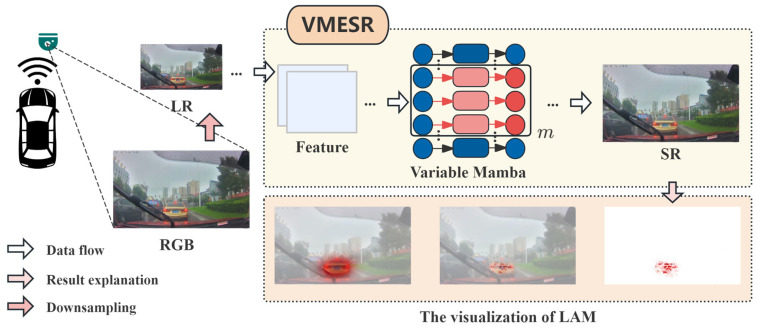 Figure 1
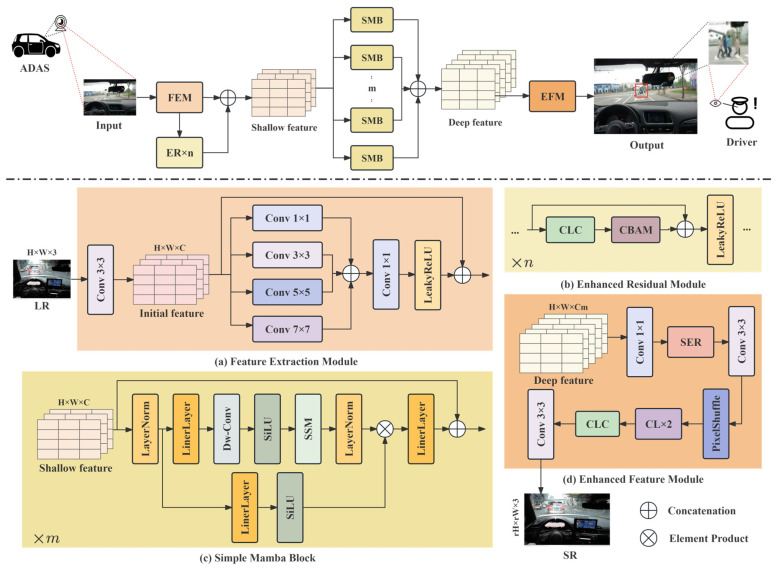 Figure 2
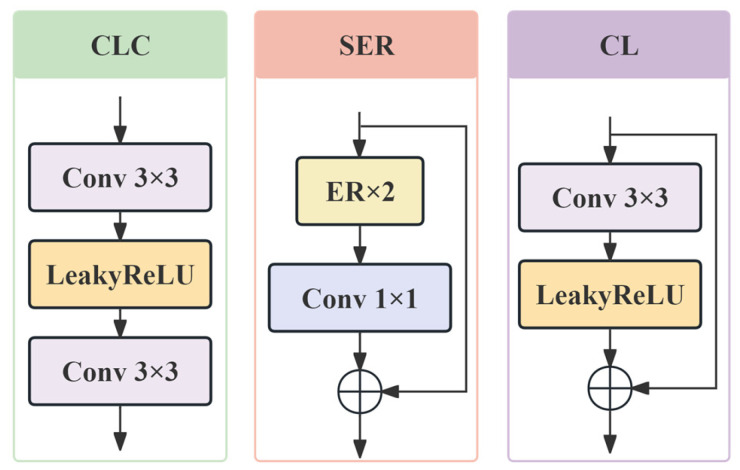 Figure 3
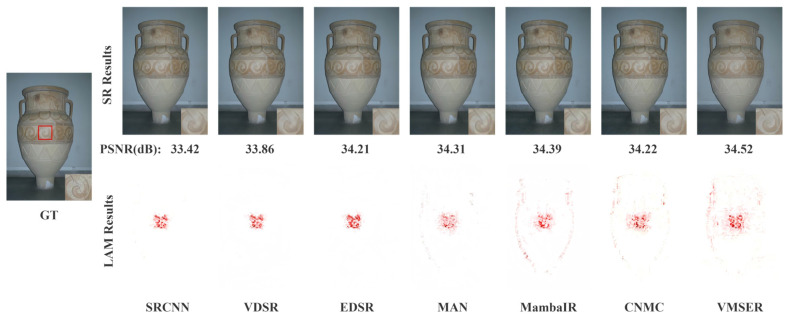 Figure 4
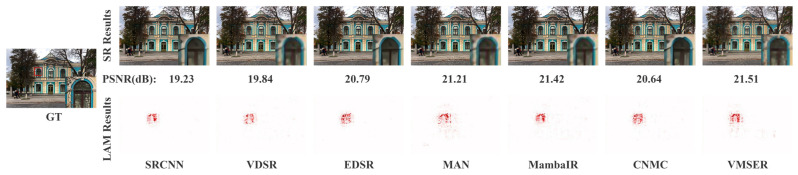 Figure 5
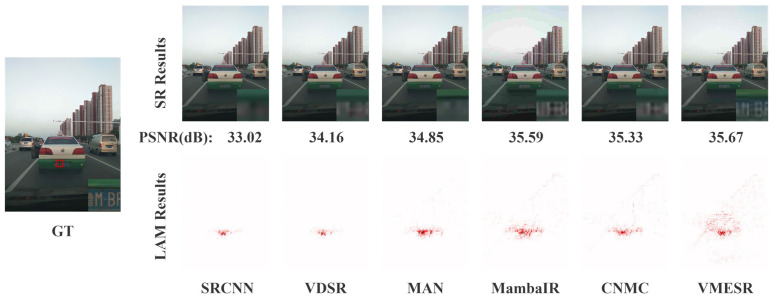 Figure 6
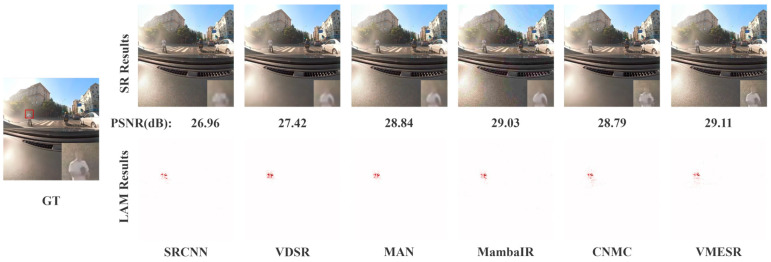 Figure 7
- —Software and System Engineering Research Center of Smart Car
- —Anhui Institute of Information Technology (AIIT)
Peer Reviews
No public reviews on file for this paper yet. If you reviewed it on a platform where reviews are public (OpenReview, ICLR, NeurIPS, ICML), you can paste yours below so the community can read it here.
Videos
No videos yet. Explain this paper in a talk, walkthrough, or lecture? Add one.
Taxonomy
TopicsAdvanced Image Processing Techniques · Advanced Neural Network Applications · Generative Adversarial Networks and Image Synthesis
1. Introduction
Autonomous driving technology has advanced rapidly in recent years, becoming an integral part of future transportation systems. However, achieving full autonomy and ensuring its safety in complex and variable real-world road environments places critical demands on the perception capabilities of autonomous driving systems [1]. The vehicle’s visual perception system, particularly the front-view camera, is tasked with acquiring crucial information from the surrounding environment. By capturing image data, the front-view camera provides the necessary field of view for the autonomous driving system, aiding in the identification of various important targets such as traffic sign detection [2]. Nevertheless, the complexity and variability of actual driving conditions, especially under harsh weather, low light, and fast motion, pose severe challenges to the quality of visual data.
Existing image super-resolution techniques can be broadly categorized into traditional methods and deep learning-based methods [3]. Traditional methods such as interpolation algorithms are simple to implement but struggle to restore high frequency details in complex scenes and cannot handle long-range dependencies within images. For complex road scenes, traditional methods fail to effectively extract key detailed information, resulting in poor reconstruction [4]. While deep learning methods can extract complex image features by learning from vast amounts of data and reconstruct image details reasonably well, they typically require substantial computational resources and longer processing times, making them difficult to deploy on real-time, resource-constrained vehicular platforms [5]. Especially under the hardware and energy efficiency constraints of vehicular computing platforms, the high computational complexity of deep learning methods often fails to meet practical real-time requirements, thus falling short of the high standards for image quality demanded by autonomous driving systems [6].
We propose VMESR, a lightweight super-resolution architecture based on the selective state-space model for autonomous driving perception systems. This framework can significantly enhance the image quality of front-view cameras under challenging conditions, providing more reliable visual input for downstream critical perception tasks such as traffic sign recognition, pedestrian detection, and lane segmentation [7]. Its lightweight nature makes it suitable for deployment on resource-constrained embedded vehicular platforms, meeting the stringent real-time requirements of autonomous driving systems. This technology not only improves the performance of existing advanced driver assistance systems (ADAS), but also provides crucial technical support for the safety and reliability of next-generation fully autonomous driving systems, holding significant industrial application value and traffic safety implications. The graphical abstract of VMESR is shown in Figure 1. Our major contributions are as follows:
- We design a novel lightweight network architecture that introduces the mamba framework from state space models (SSMs) into the image super-resolution task. This architecture captures long-range dependencies via mamba’s selective scanning mechanism by transforming 2D image features into sequences while maintaining linear computational complexity.
- We design a multi-level feature enhancement mechanism, including a multi-scale feature extraction module, an enhanced residual (ER) module incorporating attention mechanisms, and dense residual connections, forming a multi-level feature enhancement mechanism that effectively improves the model’s ability to recover image details and textures.
- We apply this model to image super-resolution for automotive front-view cameras, which can enhance image quality under challenging conditions such as harsh weather and low illumination, and thus provide more reliable visual input for autonomous driving perception tasks (such as traffic sign recognition and pedestrian detection).
The remainder of this paper is organized as follows: Section 2 reviews related work. Section 3 details the proposed method, including the framework and modules. Section 4 presents the experimental setup, comparative experiments, and real-world application validation. Section 5 concludes the work.
2. Related Work
2.1. Single Image Super-Resolution
Single Image Super-Resolution (SISR) is a significant task in the field of image processing, aiming to reconstruct a high-resolution image from a low-resolution input. Early SISR methods typically relied on interpolation algorithms, such as bilinear and bicubic interpolation, or reconstruction techniques. While simple, these methods often fail to restore high frequency details in images, resulting in reconstructed outputs lacking sharpness and realism [8].
With the advancement of deep learning, Convolutional Neural Network (CNN)-based super-resolution methods have achieved remarkable progress. SRCNN [9] first introduced deep learning to the super-resolution (SR) task by training a convolutional network to recover high-resolution images from low-resolution inputs. Subsequently, methods like VDSR [10] and EDSR [11] further improved reconstructed image quality by employing deeper network architectures and more complex loss functions. However, these CNN-based methods generally cannot effectively capture long-range contextual information, which is crucial for SR reconstruction in complex scenes.
In recent years, the transformer architecture has also been introduced to SR tasks. Kang et al. [12] proposed an efficient Swin Transformer network (ESTNet) based on channel attention mechanisms, achieving superior SR reconstruction by combining efficient channel attention with grouped attention modules. Zhang et al. [13] designed a cascaded visual attention network (CVANet) that simulates the human visual attention mechanism to address SISR. This method adaptively reinforces key information through collaborative feature, channel, and pixel-level attention modules to enhance detail reconstruction. Zheng et al. [14] proposed an efficient mixed transformer (EMT) for SISR. This method introduces a pixel mixer to enhance local feature aggregation and employs a stripe window self-attention mechanism to establish global dependencies at a lower computational cost. Wang et al. [15] proposed a multi-scale attention network (MAN) for SR tasks, aiming to unleash the potential of ConvNets. By combining multi-scale mechanisms with large kernel attention, the network designs two modules—multi-scale large kernel attention and gated spatial attention units—to efficiently aggregate global and local information. Talreja et al. [16] effectively fused global dependencies with local features by incorporating local feature window transformers (LWFTs) to improve image quality. Xie et al. [17] proposed a model combining dilated convolutions with self-attention mechanisms, efficiently capturing local and global features through multi-range attention and sparse multi-range attention modules. These transformer-based methods model long-range dependencies in images through self-attention mechanisms, thereby improving image reconstruction quality. While these methods have made significant strides in various aspects of image restoration, their high computational complexity makes them difficult to apply in resource-constrained environments, such as embedded vehicular platforms.
2.2. Super-Resolution Applications in Automotive Vision Sensors
Automotive vision sensors play a crucial role in autonomous driving systems, with the front-view camera being particularly vital for tasks like obstacle detection, traffic sign recognition, and pedestrian detection [18]. However, the challenges faced by automotive vision sensors far exceed those of general image SR tasks, primarily manifesting as image degradation under adverse weather conditions, such as rain, snow, fog and low light environments [19].
Some research efforts are dedicated to improving image quality for vehicular sensors under these challenging conditions. For instance, deep learning-based SR methods are widely applied to enhance images from vehicle-mounted cameras. Shi et al. [20] proposed a generative adversarial network (GAN)-based SR method integrated into an object detection task, addressing issues like indistinct targets in blurred wildlife images captured by vehicle-mounted mobile monitoring systems. Premachandra et al. [21] proposed upsampling distant road areas in images by estimating the vanishing point of the road to locate the region requiring enhancement and specifically applying upsampling to this area to improve vehicle visibility, thereby enhancing vehicle detection accuracy in both day and night environments. To address challenges such as vehicle decoration differences, nonuniform license plate locations, and character occlusion, Usama et al. [22] proposed an automatic toll collection framework for complex scenes, realized through three steps: vehicle type recognition, license plate localization, and character reading. To resolve the contradiction between large field-of-view (FoV) images having low resolution and traditional images having high resolution but small FoV, Dong et al. [23] proposed enhancing resolution by embedding high-resolution images into large FoV images. Utilizing techniques based on nonrigid transformation and grid optimization, this method avoids correcting radial distortion in the large FoV image and preserves the shape and content of the original image by modeling the transformation relationship between images and optimizing control point distribution.
However, most existing methods overlook the real-time requirements of vehicular sensor systems [24]. Especially in real-time autonomous driving systems, where computational resources are limited and low latency is demanded, existing methods are difficult to deploy on embedded platforms. Therefore, SR methods for resource-constrained environments, particularly efficient algorithms satisfying real-time needs, remain an urgent problem to be solved.
2.3. State Space Models
State space models (SSMs) are methods for modeling time-series data by describing the dynamic relationships between system states and observations [25]. In recent years, selective state space models have been introduced into image processing tasks, becoming an important research direction in the field of image super-resolution due to their efficiency in capturing long-range dependencies [26].
Mamba is an innovative architecture based on SSMs, capturing long-range dependencies by serializing image features and applying a selective scanning mechanism [27]. Mamba possesses linear computational complexity, enabling it to maintain high performance while significantly reducing computational resource consumption. The mamba approach has achieved success in fields such as speech recognition and natural language processing [28]. Recently, mamba has been introduced into SR tasks to improve image restoration accuracy and efficiency. By serializing image features and applying variable mamba blocks, mamba can model global contextual information in images at low computational complexity, thereby effectively restoring image details and textures. Lei et al. [29] proposed a lightweight image SR network that combines visual mamba with a distillation strategy, maintaining performance while significantly reducing model parameters. Li et al. [30] proposed a hierarchical attention mamba network, achieving excellent reconstruction results through the innovative design of hierarchical aggregation attention modules and spatial frequency information interaction modules. Wang et al. [31] proposed a lightweight collaborative network of mamba and CNN. By combining the global receptive field of mamba with the local inductive bias of CNN and introducing a multi-scale spatial refinement attention mechanism, this network effectively enhanced feature representation capabilities. Zhang et al. [32] proposed a lightweight network mixing transformer and mamba. By alternately using transformer and mamba modules to reduce computation and designing transformer aggregation block (TAB) and mamba aggregation block (MAB) modules to enhance local and global feature extraction capabilities, combined with a proposed re-parameterized spatial gate feed-forward network (RepSGFN) component, high-resolution images were obtained.
Compared to traditional convolutional networks and transformer models, mamba demonstrates unique advantages in SR tasks. Particularly in automotive vision sensors, mamba can assist in achieving real-time SR reconstruction in computationally constrained environments through its efficient contextual modeling capability.
Existing image SR methods have made significant progress in improving image quality, especially techniques based on deep learning and transformers. However, the application of most methods in resource-constrained environments like automotive vision sensors remains challenging. Although existing research has attempted to combine lightweight networks with feature enhancement techniques, finding the optimal balance between computational efficiency and image quality is still an urgent problem. The proposed VMESR addresses this issue by introducing the selective state space model, combined with multi-level feature enhancement and attention mechanisms, offering a novel and efficient solution.
3. Methodology
Let the input low-resolution image from an ADAS device be . The goal is to generate a high-resolution image through an SR model , and make it closer to the original high-resolution image , where is the SR scaling factor. The overall architecture of our model, shown in Figure 2, can be expressed as:
where represents the model parameters, and consists of four main parts: the feature extraction module, the ER module, the variable mamba integration module, and the enhanced feature fusion module. Here, ‘variable’ indicates that the number of simple mamba blocks (SMB) can be adjusted. This allows the model to be configured for different computational budgets.
3.1. Feature Extraction Module
This module includes initial and multi-scale feature extraction, as shown in Figure 2a. Initial feature extraction is performed via a 3 × 3 convolution, represented as:
in which is a convolutional layer converting the three-channel input to C-channel features. The multi-scale feature extraction process is represented as:
where denotes multi-scale feature extraction, composed of convolutional layers with different kernel sizes and fusion layers. The output of this module is represented as:
Here, denotes the LeakyReLU activation function.
3.2. Enhanced Residual Module
This module first fuses features extracted by composite convolution blocks (CLC) combined with the convolutional block attention module (CBAM) attention mechanism. The depth of this module can be adjusted based on training requirements, as shown in Figure 2b. Here, is the input to this module. The CLC process, shown in Figure 2, is represented as:
CBAM is a lightweight attention mechanism combining channel and spatial attention, maintaining model performance while reducing computational overhead. Therefore, we embedded it into the ER module. The shallow feature output from a single ER block is then represented as:
For ER blocks, the final shallow features are represented as:
3.3. Variable Mamba Integration Module
CNN extracts features using local convolution kernels, with the receptive field growing linearly as the network deepens. Modeling long-range dependencies therefore requires stacking many layers, which increases computational cost and complicates optimization. Transformers model global dependencies directly via self-attention, but their complexity grows quadratically with spatial size, making them impractical for high-resolution inputs in real-time systems. Mamba, based on a selective state space model, serializes feature maps and applies a linearly complex scanning mechanism, substantially reducing computation while preserving global modeling capability.
Unlike the original mamba block, which relies solely on linear projections, our enhanced block incorporates depth-wise separable convolutions before the SSM processing. This enables local feature modulation and improves gradient flow, addressing the issue of vanishing gradients in deeper structures. To better adapt the 1D sequence modeling capability of mamba to 2D image structures, we introduce learnable positional encodings during the serialization step. This allows the model to retain spatial coherence and improves the reconstruction of structural details.
This integration module consists of enhanced mamba blocks. The processing of each enhanced mamba block includes serialization, block processing, and deserialization, as shown in Figure 2c. First, the input feature undergoes serialization processes like projection and normalization, represented as:
Before block processing, we use depth-wise separable convolution for linear combination and the SiLU activation function to prevent gradient vanishing. This process is represented as:
After processing by the continuous time SSM, deserialization is performed to obtain the deep feature from a single enhanced mamba block:
where M denotes the SSM state model. Since we use variable-depth mamba integration blocks, for enhanced mamba blocks, the final integrated deep feature is represented as:
3.4. Enhanced Feature Fusion Module
This module enhances the deep features and performs pixel rearrangement, as shown in Figure 2d. First, a 1 × 1 convolution adjusts the channel number of the concatenated features:
The fused features are then fed into a simple enhanced residual (SER) block for enhancement. This module consists of two ER modules and a 1 × 1 convolution connected via a residual connection:
where is similar to a single ER module.
Subsequently, pixel shuffling is applied to the enhanced features for upsampling:
Here, rearranges a feature map with channels into channels, increasing the spatial dimensions by a factor of . Finally, features are fine-tuned via a custom residual structure and convolution operations to generate the final SR image:
Here, denotes the custom residual structure, containing a convolutional layer and an activation function, as shown in Figure 3.
3.5. Loss Function
We implemented several numerical stability measures, including gradient clipping, stable weight initialization, and NaN/Inf detection during training, to ensure training stability and convergence. For the loss function, in addition to the conventional L1 loss, we incorporated perceptual loss and multi-scale loss to optimize the model. Although L1 loss can optimize pixel errors, it often results in overly smooth images and the loss of high-frequency textures. The core idea of perceptual loss is to measure the semantic similarity of images by using the high-level features of the pre-trained VGG network, rather than merely comparing pixel values. The total loss is defined as:
where is the mean absolute error loss, denotes the perceptual loss based on a pre-trained VGG network, and represents the multi-scale loss. The formulations are as follows:
Here, denotes the feature representation of image at the layer of the pre-trained VGG network; is the number of feature layers; and denotes the downsampling operation with factor .
4. Experiments
4.1. Datasets
Training Datasets: DIV2K [33] contains 1000 high-resolution images, typically divided into 800 for training, 100 for validation, and 100 for testing. The images are filtered for quality, usually high-quality natural photos with rich structure, texture, and color variations. Flickr2K [34] is commonly used as a supplementary training set to DIV2K, often annotated with 2650 images. Following standard practice in the super-resolution literature, we synthesized low-resolution (LR) images by downsampling the HR images using bicubic interpolation with scaling factors of ×2, ×3, and ×4. During training, we extracted 64 × 64 pixels patches from the LR images with a stride of 32, yielding approximately 1.2 million training patches.
Test Datasets: Set5 [35] contains only five classic images with medium to high resolution, mostly portraits, animals, and close-up objects. Set14 [36] includes 14 small to medium-resolution images covering categories like people, nature, architecture, and still life. BSD100 [37] consists of 100 natural images selected from the Berkeley Segmentation Dataset, containing rich natural textures, scenery, and detail variations, making it more suitable for evaluating restoration performance on natural scenes. Urban100 [38] contains 100 high-resolution images focused on urban architecture and outdoor structures. Manga109 [39] includes 109 nonnatural images from Japanese comics, featuring a style of black and white or high-contrast lines and local color blocks. These datasets were used exclusively for testing and were not involved in any training or validation phases.
Real datasets: Cityscapes dataset [40] is designed for semantic understanding of urban street scenes, and contains 5000 finely annotated images.; we divided them into 2975 training, 500 validation, and 1525 test images, respectively. GSV-Cities dataset [41] contains around 530,000 street-view images collected from cities around the world. To reduce training cost and assess our method under constrained data conditions, we used data from five cities, including Buenos Aires, Los Angeles, Medellin, Mexico City and OSL. We divided them into 27,342 training, 4595 validation, and 14,016 test images, respectively.
4.2. Implementation Details
The hardware environment was Ubuntu 20.04 LTS with a GeForce RTX 3090Ti GPU. The PyTorch 1.12.1 deep learning framework was used. The input LR images were first resized to 256 × 256, and the Y channel was extracted via color space conversion. Then, the input images were cropped into several 64 × 64 patches. These patches were fed into the network for training. The training focused on comparing ×4 SR reconstruction performance with other methods. The batch size was set to 16, the training iterations to 4 × 10^5^, and the initial learning rate to 10^−4^.
4.3. Evaluation Metrics
Peak signal-to-noise ratio: A classical objective metric based on pixel error. It computes the mean squared error (MSE) between the reconstructed and reference images, then takes the logarithm of the ratio between the maximum pixel value and the MSE to obtain a value in decibels (dB). A higher value indicates more accurate pixel-level reconstruction.
Structural similarity index: Compares the reference and reconstructed images within local windows in terms of luminance, contrast, and structure, outputting a similarity score in the range (0, 1). A value closer to one indicates structural and perceptual quality closer to the ground truth.
Floating point operations per second: This is a measure of the computational complexity of a model or algorithm, which is the total number of floating-point operations required to complete one inference or training session.
Local attribution map (LAM): LAM [42] is a visual attribution tool for auxiliary analysis, and it typically refers to importance maps generated at the pixel or region level using attribution or saliency methods to analyze the model’s “attention” or reconstruction contribution to different local regions of the input. LAM can be used to visualize and quantify which regions are amplified, preserved, or enhanced by the model.
4.4. Ablation Studies
To verify the contribution of each key component in the VMESR, we designed a series of repeatable and quantifiable ablation experiments. All ablations were conducted under a scaling factor of four, with training configurations consistent with the main experiments. To ensure fairness, all replaced modules maintained a similar parameter scale and depth. Convolutional replacement modules used combinations of 3 × 3 and 1 × 1 convolutions to ensure an equivalent receptive field. Each control experiment was trained to full convergence to avoid performance bias due to early stopping.
4.4.1. Effectiveness of the Mamba Module
To verify the contribution of the mamba module in modeling long-range dependencies and enhancing global contextual understanding for super-resolution, we conducted ablation experiments under the baseline configuration of M = 6 and N = 8. Specifically, we completely removed the mamba module and, in a separate experiment, replaced it with regular convolutions which had an equivalent number of parameters. This allowed us to isolate and quantify the performance gain attributable to the selective state-space modeling capability of mamba.
As shown in Table 1, completely removing the mamba module or replacing it with regular convolutions of equivalent parameters both led to significant performance degradation, with PSNR values on the Set5, Set14, BSD100, and Urban100 test sets lower than the baseline model. This indicates the irreplaceable role of the mamba module in modeling long-range dependencies and enhancing global contextual understanding, contributing significantly to overall performance improvement.
4.4.2. Effectiveness of the ER Module
To verify the contribution of multi-scale fusion and attention mechanisms within the ER module for texture detail recovery, we performed ablation experiments under the baseline configuration of M = 6 and N = 8. We systematically removed the CLC block and CBAM attention mechanism from the ER module, and in a separate experiment, replaced the entire ER module with two stacked 3 × 3 convolutions and ReLU activation functions while maintaining an equivalent parameter count. These experiments aim to demonstrate whether the proposed ER module offers advantages over simple convolutional stacking in recovering fine details.
In the ER module ablation experiments, Table 2 shows that removing the entire ER module, or individually removing its key components (the CLC block or the CBAM block), all lead to performance degradation, particularly noticeable on the texture-complex Urban100 dataset. Moreover, replacing the ER module with an equivalent structure of two 3×3 convolutions plus ReLU also results in inferior performance compared to the baseline. This indicates that the feature enhancement and texture detail recovery mechanisms achieved through multi-scale fusion and attention in the ER module are effective, and its design is superior to simple convolutional stacking.
4.4.3. Impact of Different Numbers of Simple Mamba Blocks (M)
Keeping the number of ER blocks, input/output channels, and training configuration constant, we evaluated the contribution of serialized global modeling depth to SR performance and sought the optimal trade-off under linear complexity. We tested mamba modules counts as .
The ablation results in Table 3 show that, with a fixed number of ER modules N = 8, as the number of simple mamba blocks M increases from 2 to 10, the PSNR performance on the BSD100 and Urban100 datasets exhibits a trend of significant initial improvement followed by saturation. Specifically, when M increases from 2 to 6, performance improves markedly, with BSD100 PSNR rising from 26.51 dB to 27.89 dB, indicating that increasing global modeling depth positively impacts the SR task. However, when M further increases to between 8 and 10, performance gains become extremely limited (only about 0.06 dB and −0.03 dB fluctuations), while the number of parameters and FLOPs continue to grow significantly. This suggests the model approaches a performance saturation point around M = 6. Further increasing mamba modules leads to wasted computational resources, contradicting efficient model design principles. Therefore, M = 6 can be considered a better trade-off point between performance and complexity.
4.4.4. Impact of Different Numbers of ER Modules (N)
Keeping the number of simple mamba blocks, input/output channels, and training configuration constant, we evaluated the impact of parallel feature extraction to SR performance and sought the optimal trade-off under linear complexity. We tested ER modules counts as .
The experiments in Table 4 investigate the impact of N with M fixed at 6. Results show that as N increases from 2 to 10, model performance gradually improves, but the rate of improvement eventually diminishes. From N = 2 to N = 8, PSNR consistently improves, with BSD100 PSNR increasing from 27.41 dB to 27.89 dB, indicating that increasing local feature enhancement capacity helps improve reconstruction quality. However, the performance gain from N = 8 to N = 10 is negligible, only 0.03 dB, while parameters and FLOPs continue to grow linearly, suggesting N = 8 is near the point of diminishing returns. This result indicates that moderate stacking of ER modules can effectively enhance feature representation, but excessive stacking reduces cost-effectiveness. It is suggested that N = 8 serves as a reference configuration balancing computational efficiency and performance in subsequent designs.
4.5. Comparative Experiments
We compared the proposed method with SOTA methods, including those based on traditional CNNs, transformers, and mamba networks: SRCNN, VDSR, EDSR, MAN, CNMC, and MambaIR [43]. Experiments were conducted on five public datasets: Set5, Set14, BSD100, Urban100, and Manga109. Under scaling factors of two, three, and four we analyzed objective metrics (PSNR, SSIM, and model parameter count) to validate the effectiveness of our proposed method. Our approach includes a lightweight model VMESR-T with only 179 K parameters and a full model VMESR.
As shown in Table 5, in the experimental results across different scaling factors, VMESR demonstrates strong competitiveness across all benchmark datasets while maintaining a parameter count of only 748 K. Compared to the strongest peer method MambaIR, VMESR achieves comparable or superior PSNR/SSIM in most scenarios on Set5, Set14, BSD100, Urban100, and Manga109. Particularly under high magnification factors of ×3 and ×4, VMESR frequently achieves the best or joint-best reconstruction quality on Set5, Set14, Urban100, and Manga109, exhibiting exceptional high-frequency texture recovery capability. Furthermore, VMESR shows more stable cross-scale performance, maintaining performance consistent with SOTA levels for both low magnification and challenging ×4 scenarios. Considering both performance and parameter scale, VMESR’s performance per parameter is 1.25 times that of MambaIR and 1.19 times that of MAN, significantly higher than other methods, making it the most cost-effective solution among peer lightweight models. This fully demonstrates its effectiveness and advantageous position in the SR task.
As shown in Figure 4 and Figure 5, VMESR’s reconstruction results show significant advantages in image contours and details. Traditional CNN-dominated networks like SRCNN, VDSR, and EDSR yield inferior reconstruction results compared to transformer-based and mamba-based networks. In the reconstruction of the patterns on a vase and the area of a windowsill, the PSNR values of VMESR were 34.52 dB and 21.51 dB respectively, which were both the highest-scoring values. Compared with other methods, VMESR is better able to reconstruct the outline and detailed edges of the patterns on the vase, but its performance in reconstructing cracks around the patterns is relatively weak. In terms of the reconstruction details of the windowsill, VMESR clearly reconstructed the outline of the windowsill and some details of the branches, while other methods had significant deficiencies in the reconstruction of the windowsill outline and the details of the branches. For the LAM, it shows that when the model reconstructs a specific area, such as the details in the vase or the windowsill, it mainly relies on the information of which pixels are in the input image, and visualizes whether the model depends more on local details or on the global context. From the LAM results, VMESR demonstrated clearer outlines and details in the reconstructed image, including the texture on the vase and the windowsill that is obscured by the branches. For the pattern details on the vase, VMESR’s reconstruction is clearly superior to other methods, although the crack reconstruction on the vase is not distinctly better. For the windowsill reconstruction in the building scene, most methods perform poorly due to occlusion by branches, but VMESR could clearly reconstruct the outline of the windowsill. Visually, VMESR shows strong competitiveness compared to other methods.
To further verify the competitiveness of VMESR in lightweight models, in Table 6, we conducted a detailed comparison with the latest lightweight models that have similar parameter quantities on the Urban100 dataset.
From Table 6, in the ×4 SR task on the Urban100 dataset, it can be observed that VMESR achieves the highest PSNR of 27.69 dB and SSIM of 0.8302, while maintaining relatively moderate model parameters and FLOPs. MambaIR follows closely with a PSNR of 27.68 dB and the second-best SSIM of 0.8287, but at the cost of higher computational overhead and model parameters. SRCNN exhibits the lowest performance with a PSNR of 24.52 dB and SSIM of 0.7226, along with the smallest model size but relatively low FLOPs. MAN-light and MAN achieve competitive performance of PSNR with 26.70 dB and 27.26 dB, respectively, and with moderate model complexity. MambaIR-light, despite having slightly fewer parameters than MambaIR, shows a notable drop in PSNR of 26.75 dB and a SSIM of 0.8051. CNMC delivers a PSNR of 26.47 dB and SSIM of 0.7978, which is lower than MAN and VMESR, while requiring 68.5 G FLOPs. VMESR stands out as the most efficient method in terms of the trade-off between reconstruction quality and computational cost.
4.6. Practical Application
To further validate the performance of VMESR in the aspects of road scene understanding and application of on-board visual sensors, we conducted a ×4 magnification super-resolution quantitative comparison experiment on the real-road scene datasets Cityscapes and GSV-Cities. These two datasets cover various complex driving conditions and can more accurately reflect the performance of the model in actual on-board visual tasks. To comprehensively evaluate the performance of VMESR, we included the classic methods of SRCNN and VDSR, the SOTA methods of MAN, MambaIR and CNMC, and the lightweight models MAN-light and MambaIR-light for comparison. The experimental settings of all methods were exactly the same: the LR images were generated through double cubic downsampling, the evaluation indicators were PSNR/SSIM of the Y channel, and the preset parameters were consistent. The objective indicators are shown in Table 7.
From Table 7, it can be seen that different super-resolution methods have significant trade-offs in terms of performance, efficiency, and model complexity. VMESR achieved the highest PSNR of 31.86 dB and SSIM of 0.8991 on the Cityscapes dataset, and ranked second on the GSV-Cities dataset with a PSNR of 30.11 dB and SSIM of 0.9023. At the same time, its inference time only required 23 ms, demonstrating excellent efficiency and performance balance, making it a highly competitive choice for practical applications. MambaIR, although topping the GSV-Cities dataset with a PSNR of 30.21 dB and SSIM of 0.9064, had the largest parameter of 927 K and the longest cost time of 67 ms, making it more suitable for scenarios with extremely high precision but insensitive to time. The MAN series and MambaIR-light models, although displaying good performance, had higher time costs; traditional SRCNN and VDSR, although extremely fast, had significantly lower image quality compared to modern methods. Therefore, balancing image quality and speed, VMESR was the best choice; if pursuing ultimate performance, one could consider MambaIR.
We collaborated with Eteck Automotive Electronics company to capture real driving scenes through the front camera of the car for testing. This data was then used to test the effectiveness of our SR reconstruction algorithm on authentic, real-world images
The experiments of visualization are essentially zero-shot tests, which can truly reflect the performance of the model when it is deployed in practice. From Figure 6 and Figure 7, it can be observed that in real automotive scenarios, VMESR significantly outperforms other advanced methods in reconstructing critical visual information, such as the license plates of the vehicles ahead and the texture of the pedestrians’ clothing. In the license plate area, VMESR successfully restored clear outlines of the numbers and letters, while the results of MAN and MambaIR were significantly blurry, and achieved a PSNR of 35.67 dB, outperforming all other methods. In the pedestrian and clothing scenarios, VMESR accurately reconstructed the fine textures around the subjects; although CNMC reconstructed the content of this area, it was 0.32 dB lower in the PSNR index than VMESR, and other methods presented a roughly blocky distribution and failed to reconstruct this area of pedestrians and clothing well. Further quantitative analysis showed that VMESR required only 23 ms to process a single frame in real-world scenes, meeting the real-time requirements of automotive systems. Experiments prove that VMESR maintains stable performance under practical interfering factors such as complex lighting and motion blur. Its lightweight design allows direct deployment on existing vehicle-mounted chip platforms, providing high-resolution visual input for ADAS and effectively improving the accuracy of object detection and scene understanding.
5. Conclusions
We proposed VMESR, a lightweight image super-resolution framework based on a variable mamba state-space model, which aims to meet the dual demands of real-time performance and high-quality reconstruction for autonomous driving and automotive vision systems. VMESR achieves efficient global context modeling and fine texture recovery through multi-scale feature extraction, ER modules, CBAM attention mechanisms, and variable-depth mamba modules. Experimental results on multiple public benchmarks demonstrate that VMESR achieves comparable or even superior SR performance to existing SOTA methods while using an extremely small number of parameters. Moreover, in real vehicle-mounted camera scenarios, VMESR significantly enhances image quality under challenging conditions like harsh weather and low illumination, delivering stable performance gains for downstream autonomous driving perception tasks. VMESR combines efficiency, robustness, and good effectiveness, offering a feasible and valuable research path for future embedded automotive vision enhancement systems and providing new insights into designing SR models in low-energy consumption scenarios. In the next stage, we plan to conduct end-to-end evaluation with the Eteck Automotive Electronics company on real driving datasets, integrating VMESR into the object detection and semantic segmentation processes, and systematically analyzing its performance gains under different degradation conditions. We believe that such a systematic evaluation will more comprehensively reveal the contribution of super-resolution to autonomous driving perception.
The reference list from the paper itself. Each links out to its DOI / PubMed record.
- 1Yu B. Wang D. Cao J. Zhu P. Zhao Y. Vehiclesim: Realistic and 3D-Aware Video Editing with One Image for Autonomous Driving Multimed. Syst.202531728610.1007/s 00530-025-01927-x · doi ↗
- 2Du S. Pan W. Li N. Dai S. Xu B. Liu H. Xu C. Li X. TSD-YOLO: Small traffic sign detection based on improved YOL Ov 8IET Image Process.2024182884289810.1049/ipr 2.13141 · doi ↗
- 3Gao T. Zhang S. Yao W. Shang E. Yang J. Ma Y. Ma Y. SRCT: Structure-Preserving Method for Sub-Meter Remote Sensing Image Super-Resolution Sensors 20262673310.3390/s 2602073341600527 PMC 12846202 · doi ↗ · pubmed ↗
- 4Chen C. Chen F. Gao S. Li H. Zhang X. Cheng Y. Fusing Multi-Temporal Context for Image Super-Resolution Reconstruction in Cultural Heritage Monitoring Sensors 20262622810.3390/s 26010228 PMC 1278832641516663 · doi ↗ · pubmed ↗
- 5Wang H. Chaw J.K. Goh S.K. Shi L. Tin T.T. Huang N. Gan H.S. Super-Resolution GAN and Global Aware Object Detection System for Vehicle Detection in Complex Traffic Environments IEEE Access 20241211344211346210.1109/ACCESS.2024.3442484 · doi ↗
- 6Tatar G. Bayar S. Çiçekİ. Real-Time Multi-Learning Deep Neural Network on an MP So C-FPGA for Intelligent Vehicles: Harnessing Hardware Acceleration with Pipeline IEEE Trans. Intell. Veh.202495021503210.1109/TIV.2024.3398215 · doi ↗
- 7Zhang Y. Carballo A. Yang H. Takeda K. Perception and Sensing for Autonomous Vehicles Under Adverse Weather Conditions: A Survey ISPRS J. Photogramm. Remote Sens.202319614617710.1016/j.isprsjprs.2022.12.021 · doi ↗
- 8Zhong Z. Liu X. Jiang J. Zhao D. Wang S. Dual-Level Cross-Modality Neural Architecture Search for Guided Image Super-Resolution IEEE Trans. Pattern Anal. Mach. Intell.2025478249826710.1109/TPAMI.2025.357846840493462 · doi ↗ · pubmed ↗