Dynamically Weighted Spatiotemporal Fusion for Deep Learning-Based Prediction of EHA Degradation in Aviation Systems
Tianyuan Guan, Dianrong Gao, Jiangwei Ma, Jing Wu, Yunpeng Yuan, Yun Ji, Jianhua Zhao, Yingna Liang

TL;DR
This paper introduces a new deep learning framework for predicting degradation in aviation electro-hydrostatic actuators using spatiotemporal data fusion.
Contribution
The novel PreDyn-ST framework combines contrastive pretraining with dynamic spatial-temporal fusion for accurate degradation prediction.
Findings
PreDyn-ST achieves stable and competitive degradation prediction performance on EHA test benches.
The method demonstrates robustness under complex operating conditions like FD004.
Dynamic weighting and GCN-based spatial modeling improve interpretability through CSI analysis.
Abstract
Electro-hydrostatic actuators (EHAs) are increasingly deployed in modern aircraft due to their compact size, fast response, and high power-to-weight ratio. However, existing airborne QAR and EICAS data are typically recorded as independent parameters without explicit correspondence to system health states, making degradation assessment and remaining useful life (RUL) prediction challenging. To address this issue, this paper proposes a spatiotemporal degradation modeling framework, termed PreDyn-ST, based on multivariate time series (MTS) data. The method integrates SimCLR-based contrastive pretraining and a dynamic feature fusion mechanism to capture evolving temporal dependencies and spatial sensor correlations. Specifically, graph convolutional networks (GCNs) incorporating physical connectivity priors are employed for spatial modeling, while a Transformer extracts long-range temporal…
Genes, proteins, chemicals, diseases, species, mutations and cell lines named across the full text — each resolved to its canonical identifier and authoritative record.
Click any figure to enlarge with its caption.
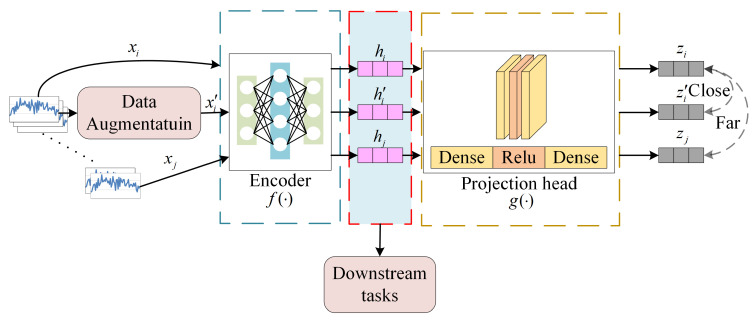 Figure 1
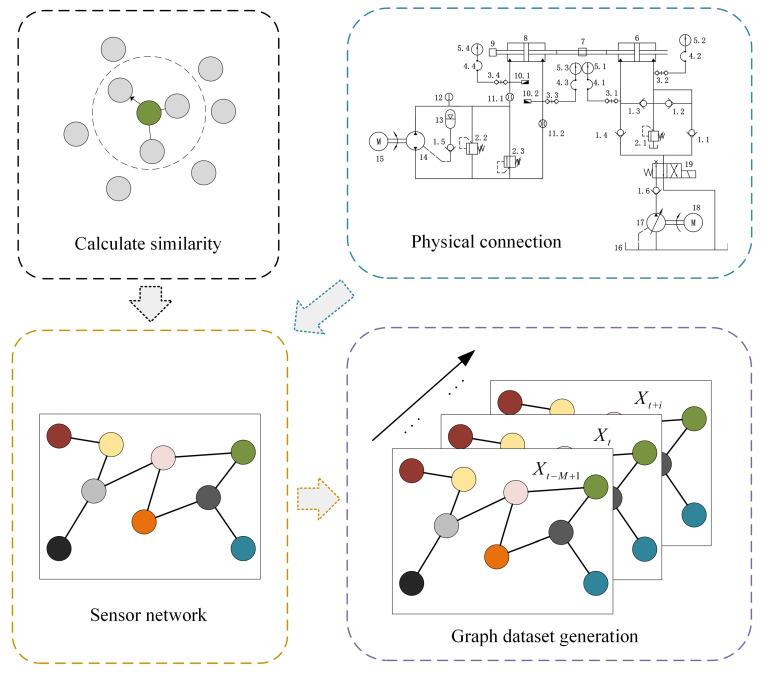 Figure 2
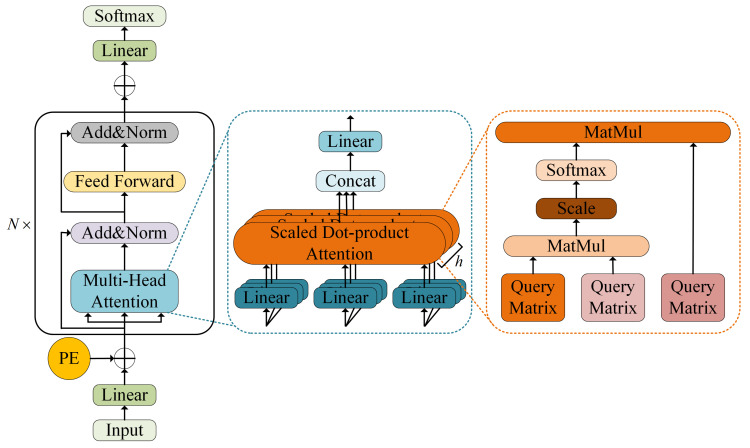 Figure 3
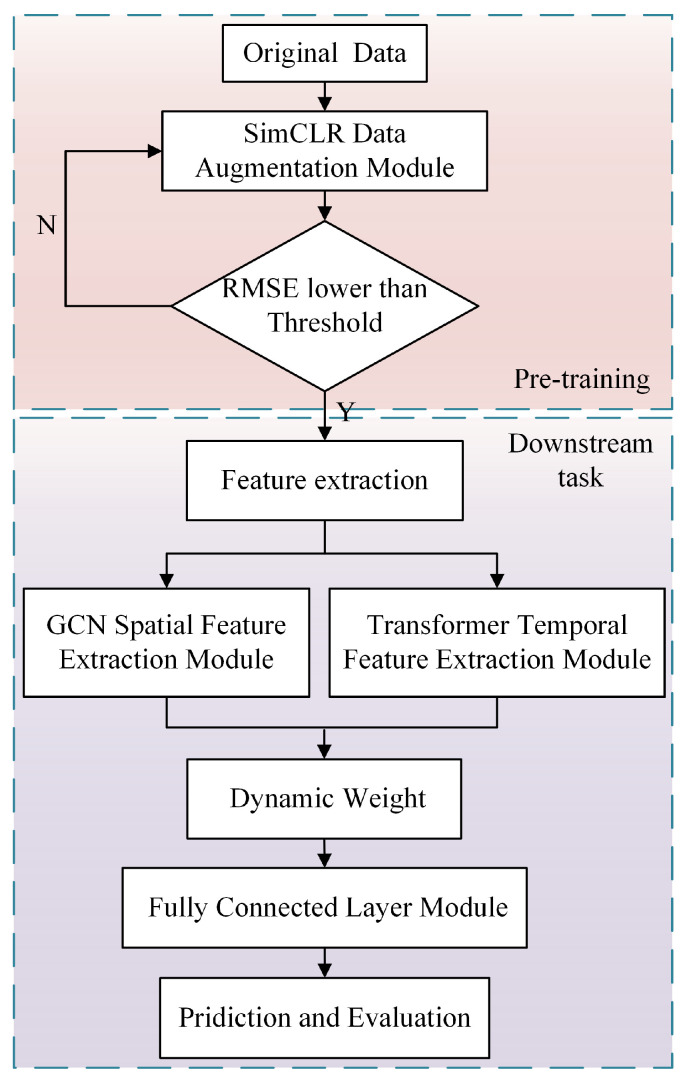 Figure 4
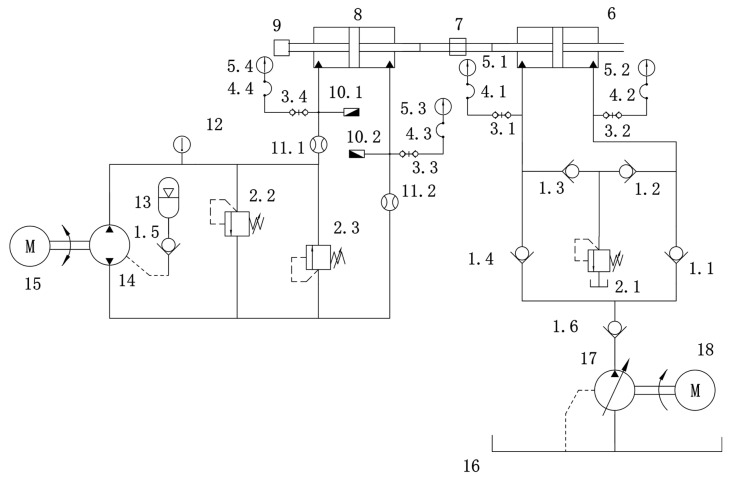 Figure 5
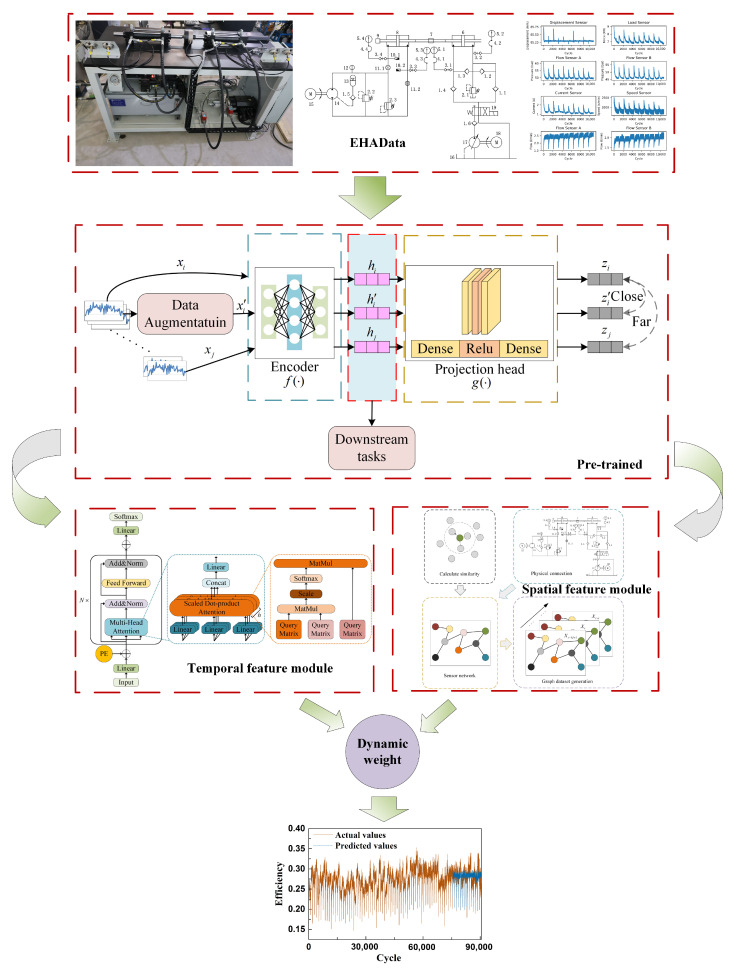 Figure 6
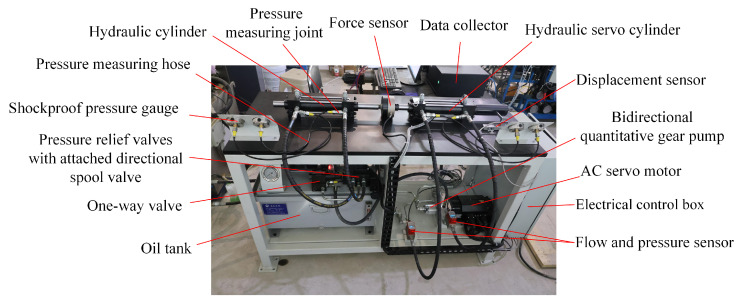 Figure 7
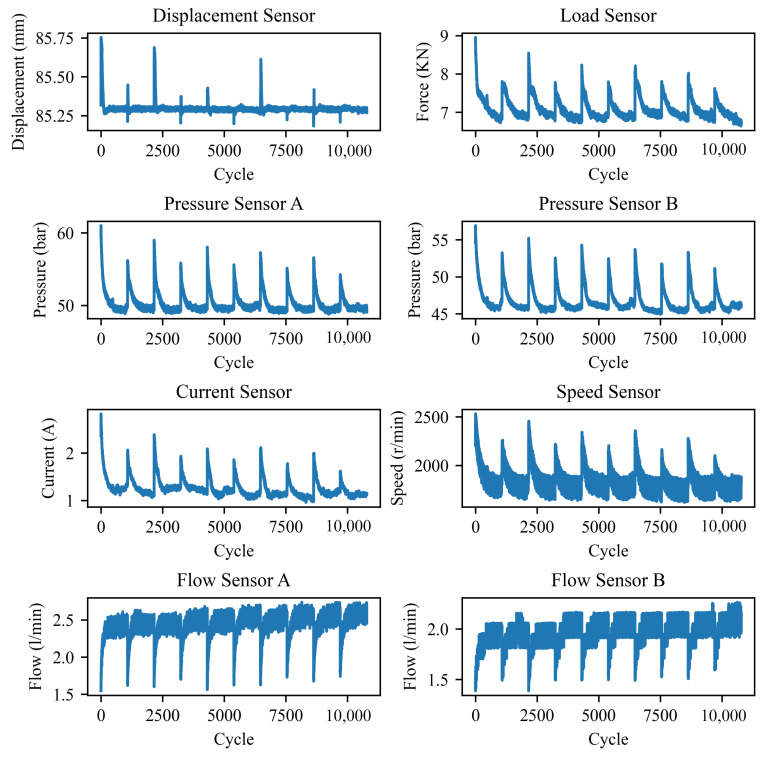 Figure 8
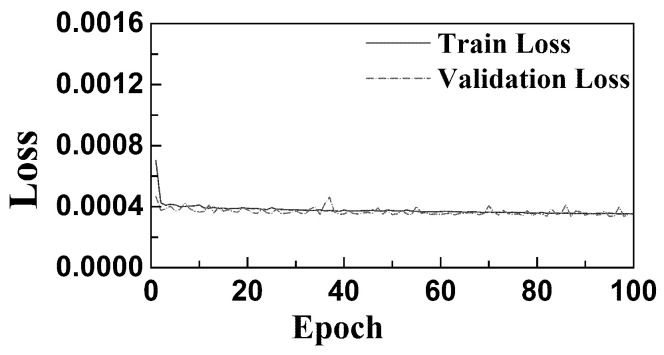 Figure 9
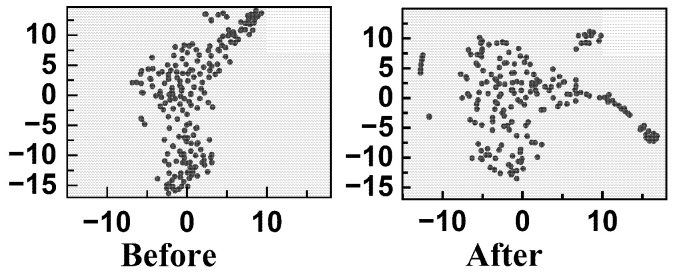 Figure 10
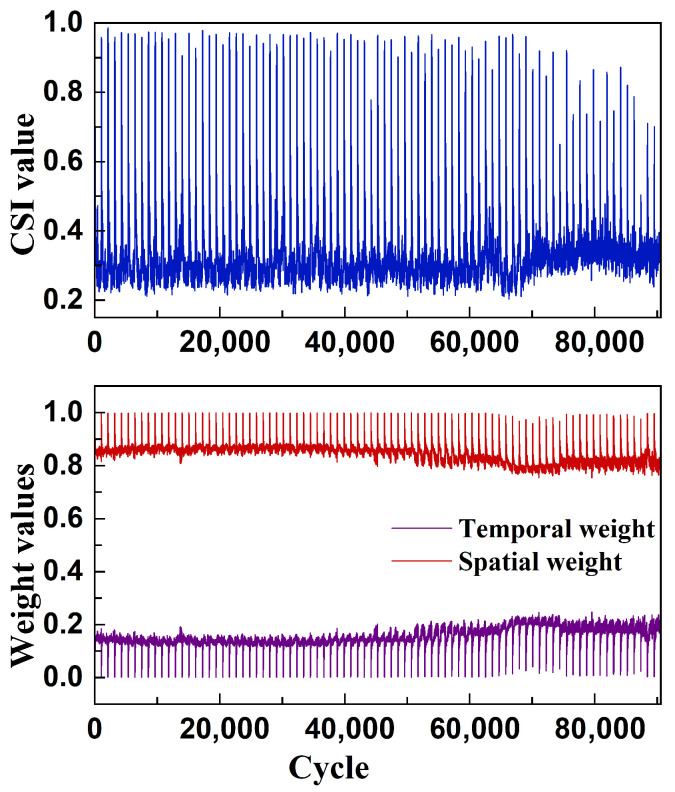 Figure 11
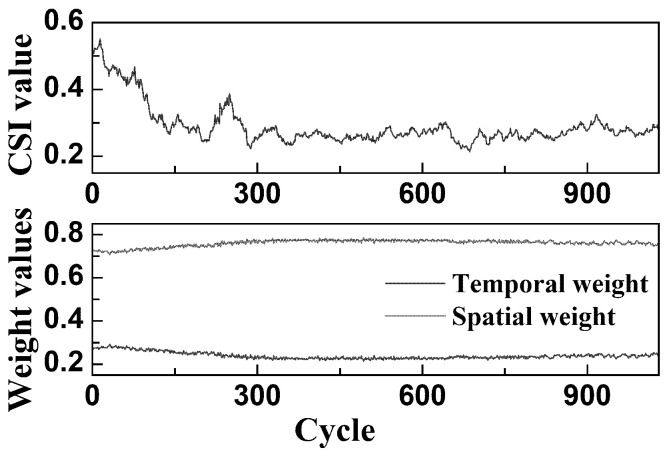 Figure 12
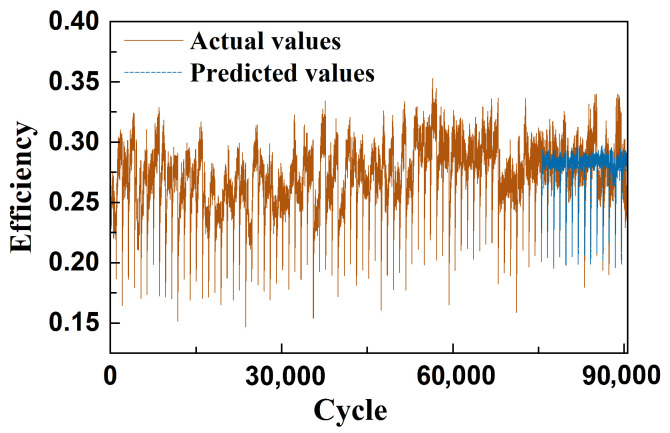 Figure 13
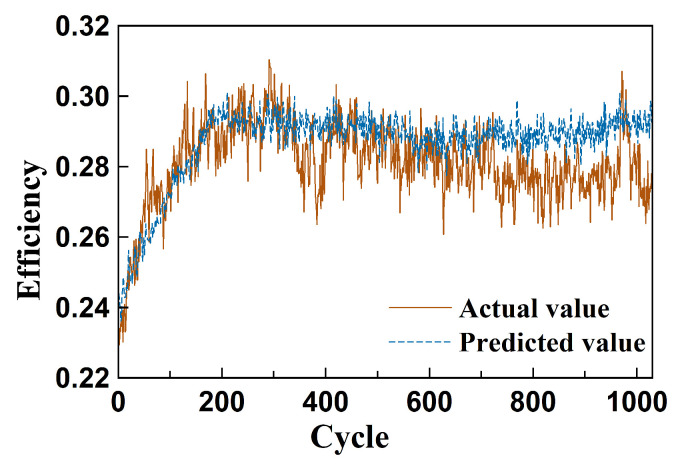 Figure 14
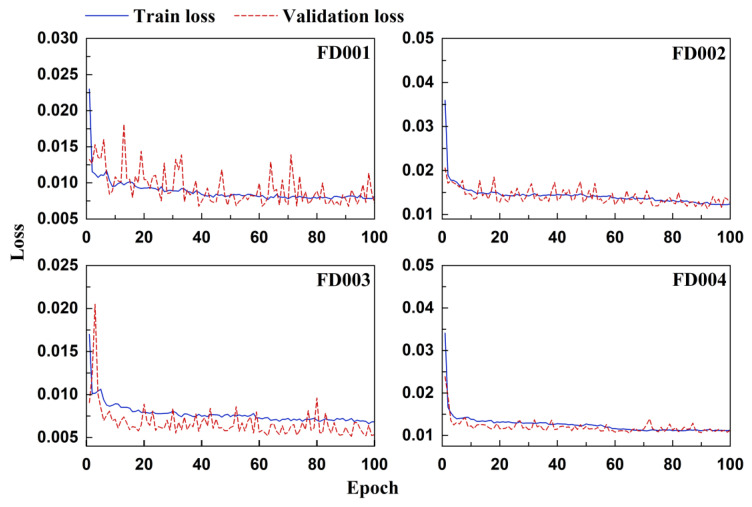 Figure 15
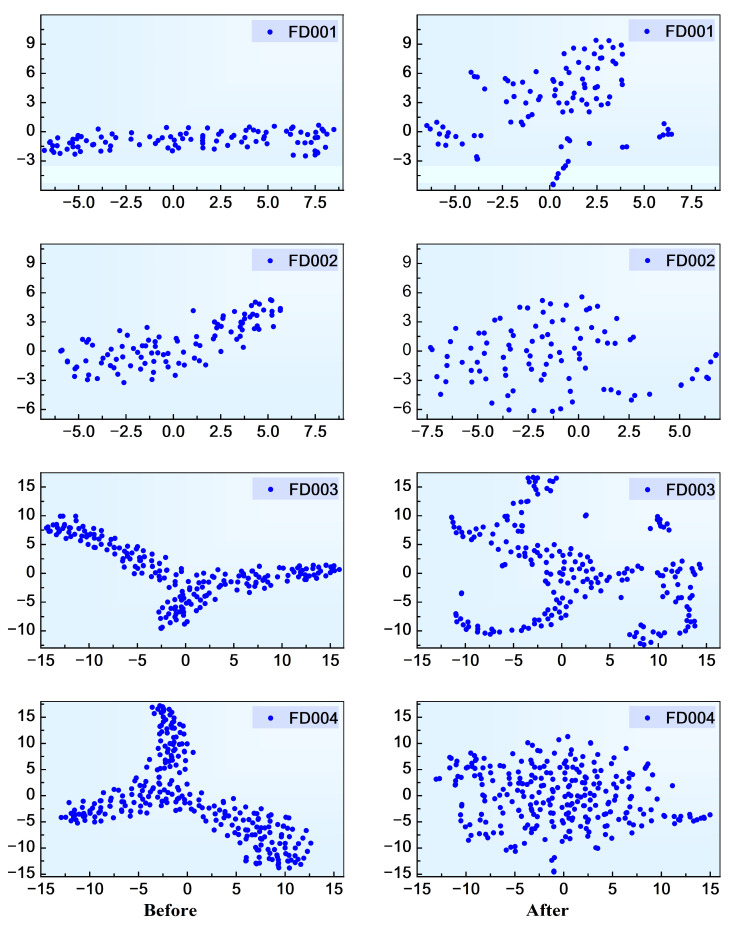 Figure 16
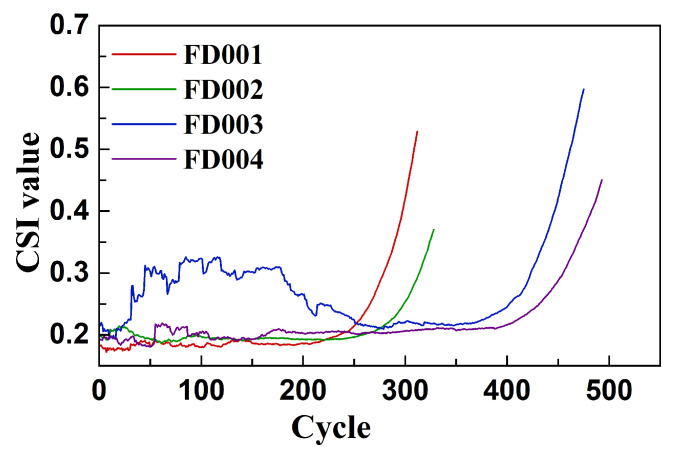 Figure 17
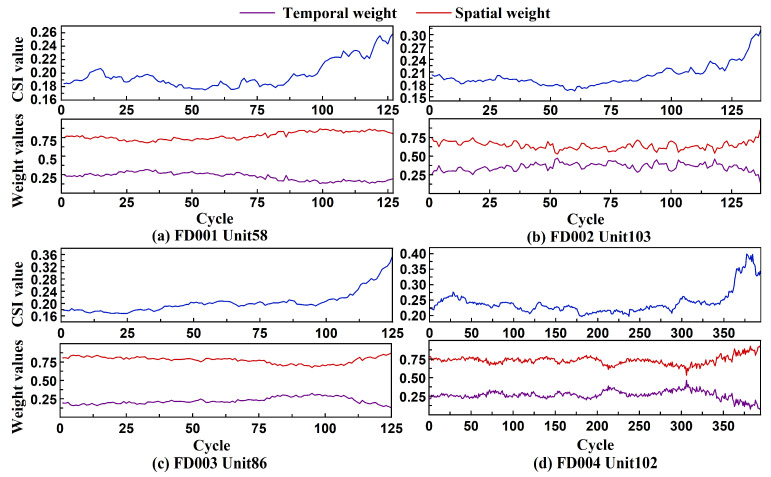 Figure 18
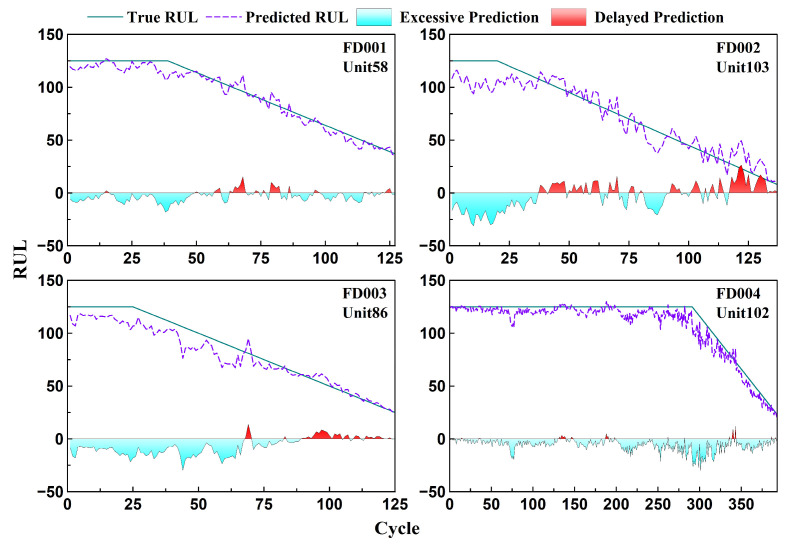 Figure 19
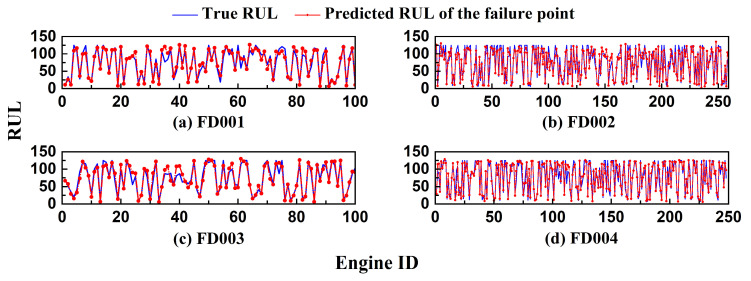 Figure 20
Peer Reviews
No public reviews on file for this paper yet. If you reviewed it on a platform where reviews are public (OpenReview, ICLR, NeurIPS, ICML), you can paste yours below so the community can read it here.
Videos
No videos yet. Explain this paper in a talk, walkthrough, or lecture? Add one.
Taxonomy
TopicsMachine Fault Diagnosis Techniques · High voltage insulation and dielectric phenomena · Anomaly Detection Techniques and Applications