New Insights into the Migration Characteristics of Polymer Systems in Porous Media
Lijuan Zhang, Shutong Li, Xiqun Tan, Jirui Zou, Renbao Zhao, Yuan Yuan, Xiang’an Yue

TL;DR
This study explores how polymer systems move through porous media, showing that their migration depends on the ratio of pore size to polymer size.
Contribution
The study introduces a new understanding of polymer migration in porous media based on the throat–polymer ratio and injection rate effects.
Findings
Polymer migration in porous media is primarily influenced by the throat–polymer ratio.
At low throat–polymer ratios, polymer systems exhibit discontinuous-dispersion retention and plugging-breakthrough migration.
Smaller throat–polymer ratios enhance polymer retention and plugging ability, improving sweep efficiency.
Abstract
Knowledge of the migration characteristics of polymer systems in pore throats is essential for the effective application of polymers as a profile-control oil-displacement agent for enhanced oil recovery. In this study, the effect of concentration on the viscosity and hydrodynamic radius of polymer systems was investigated using a rheometer and a dynamic light scattering instrument. Furthermore, pore-throat models, homogeneous cores, and multi-measuring-point sand-packed models were constructed to investigate pore-scale migration patterns and the effect of the throat–polymer ratio (defined as the ratio of throat size to polymer hydrodynamic radius) on the migration properties of polymers in porous media. The results showed that the transport of polymer systems in porous media is primarily related to the throat–polymer ratio. When this ratio is sufficiently small (i.e., no more than…
Genes, proteins, chemicals, diseases, species, mutations and cell lines named across the full text — each resolved to its canonical identifier and authoritative record.
Click any figure to enlarge with its caption.
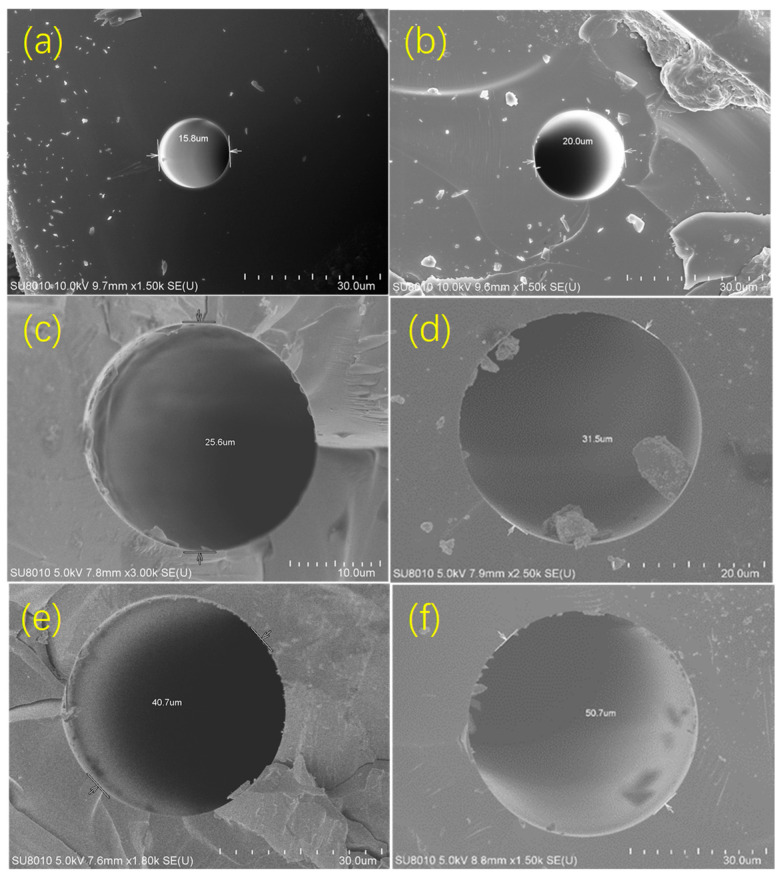 Figure 1
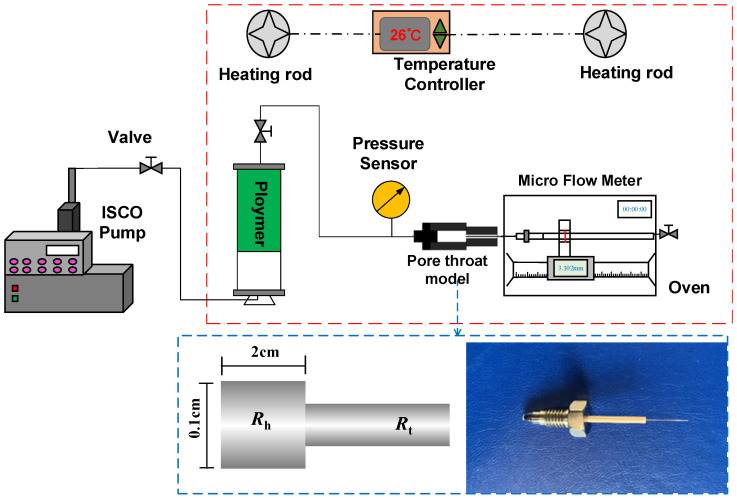 Figure 2
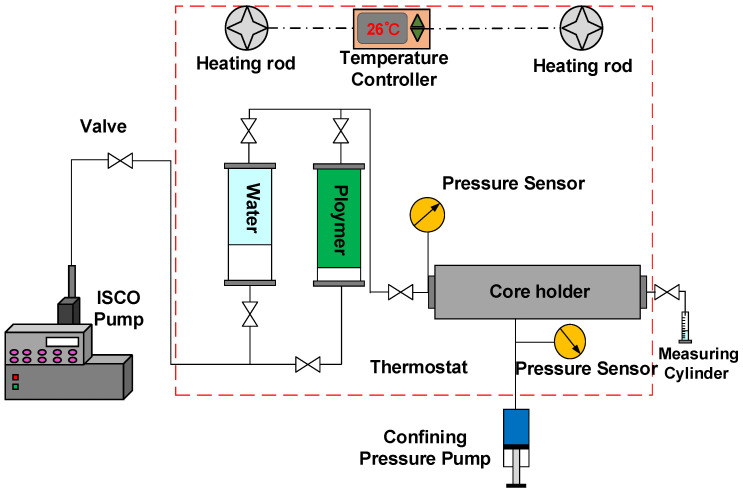 Figure 3
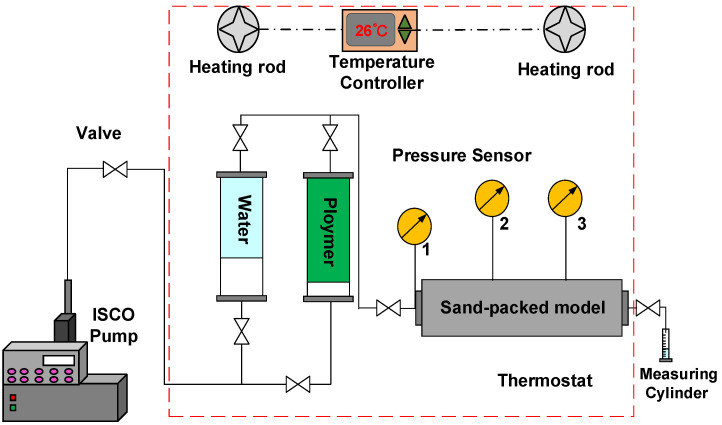 Figure 4
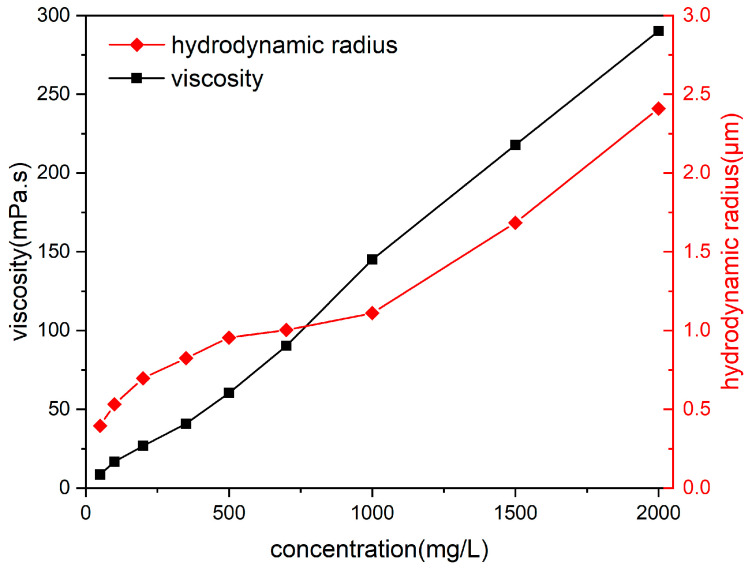 Figure 5
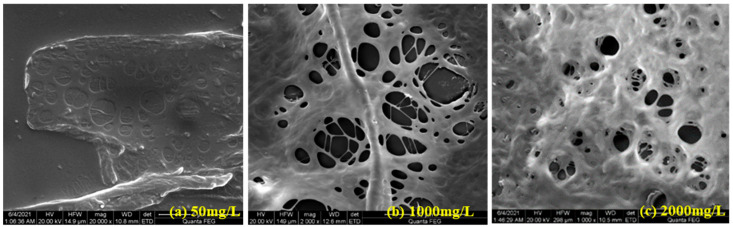 Figure 6
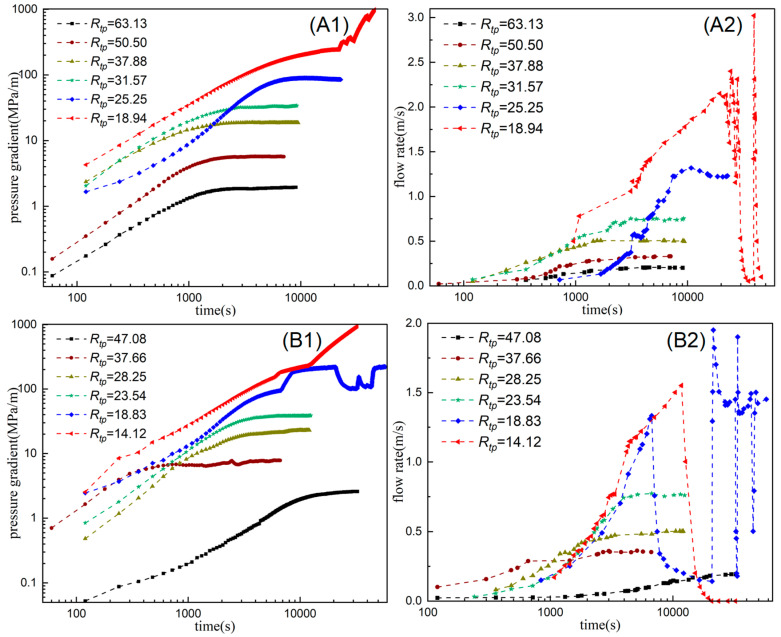 Figure 7
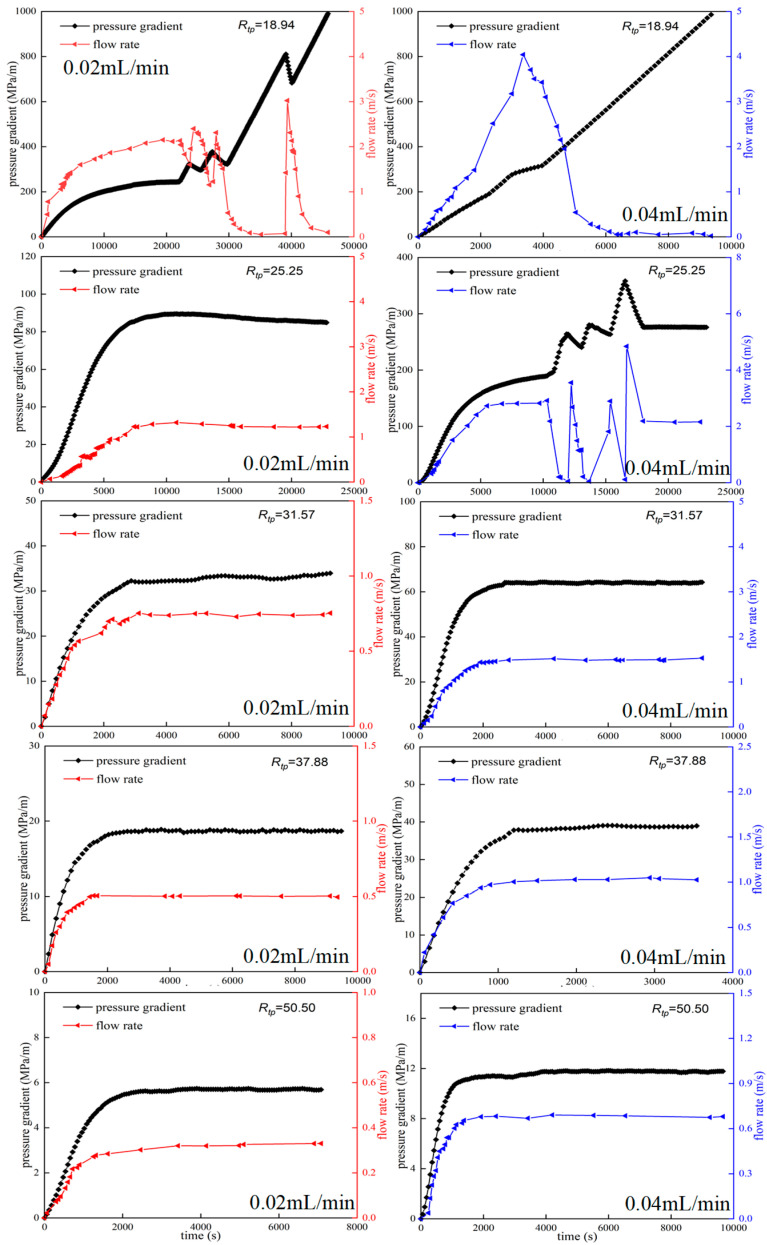 Figure 8
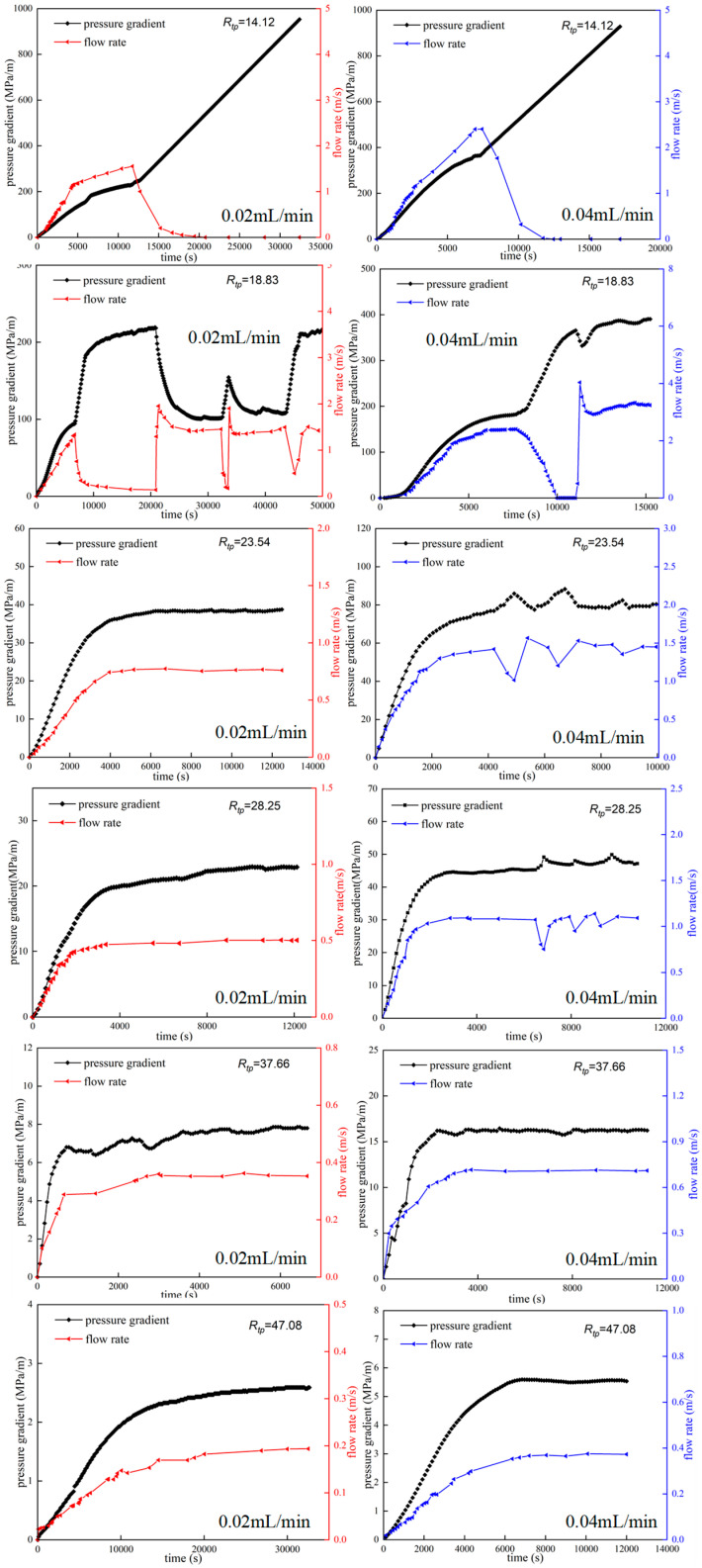 Figure 9
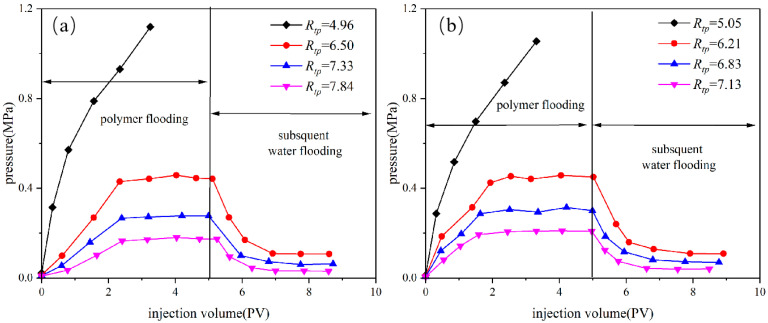 Figure 10
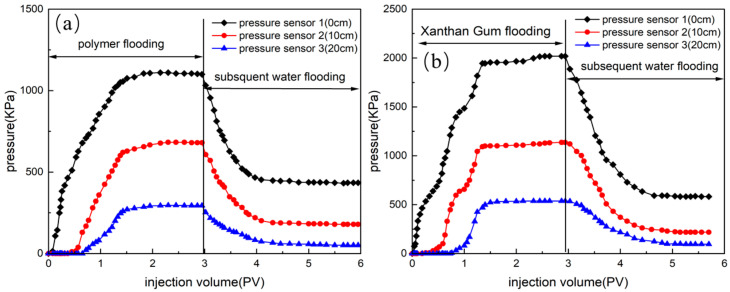 Figure 11
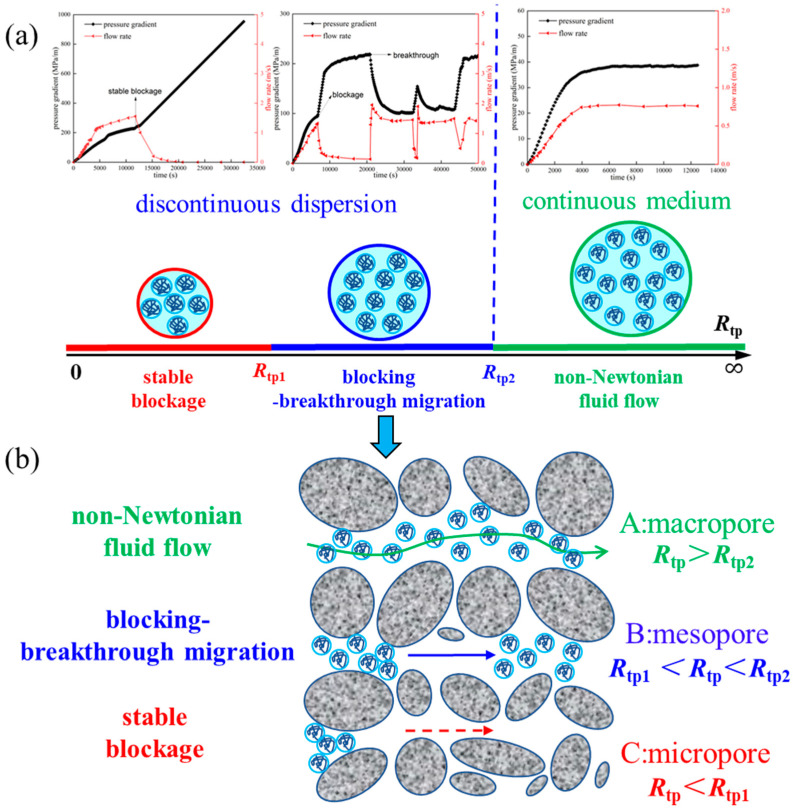 Figure 12
Peer Reviews
No public reviews on file for this paper yet. If you reviewed it on a platform where reviews are public (OpenReview, ICLR, NeurIPS, ICML), you can paste yours below so the community can read it here.
Videos
No videos yet. Explain this paper in a talk, walkthrough, or lecture? Add one.
Taxonomy
TopicsEnhanced Oil Recovery Techniques · Hydraulic Fracturing and Reservoir Analysis · Petroleum Processing and Analysis