Integrating Network Toxicology, Machine Learning, and Molecular Dynamics to Explore the Molecular Network of Triclosan-Induced Acute Myocardial Infarction
Qi Zhang, Siwei Zou, Ziyao Yang, Jingbo Cao, Yajuan Fu, Chenjie Feng, Yue Sun, Anning Yang

TL;DR
This study explores how triclosan causes heart damage by combining toxicology, machine learning, and simulations to identify PTGS2 as a key player.
Contribution
The integration of network toxicology, machine learning, and molecular dynamics to identify PTGS2 as a mediator of triclosan-induced heart injury.
Findings
37 candidate genes were identified and narrowed down to 8 core regulators, including PTGS2.
Molecular simulations confirmed stable, high-affinity binding of triclosan to PTGS2.
TCS-induced cardiomyocyte injury was reversed by a PTGS2 inhibitor, highlighting PTGS2 as a therapeutic target.
Abstract
Triclosan (TCS) exposure is linked to increased acute myocardial infarction (AMI) risk, but underlying mechanisms remain unclear. Here, we integrated network toxicology, machine learning, molecular simulations, and in vitro assays to delineate this pathway. Differential expression analysis and weighted gene co-expression network analysis (WGCNA) identified 37 candidate genes, which were refined via machine learning to 8 core regulators (including PTGS2). Molecular docking and molecular dynamics (MD) simulations confirmed high-affinity, stable binding of TCS to PTGS2. In cardiomyocytes, TCS upregulated PTGS2 and the injury marker cTnI, an effect reversed by the PTGS2 inhibitor celecoxib. These findings establish PTGS2 as a critical mediator of TCS-induced cardiomyocyte injury, providing a potential therapeutic target for TCS-associated cardiovascular damage.
Genes, proteins, chemicals, diseases, species, mutations and cell lines named across the full text — each resolved to its canonical identifier and authoritative record.
Click any figure to enlarge with its caption.
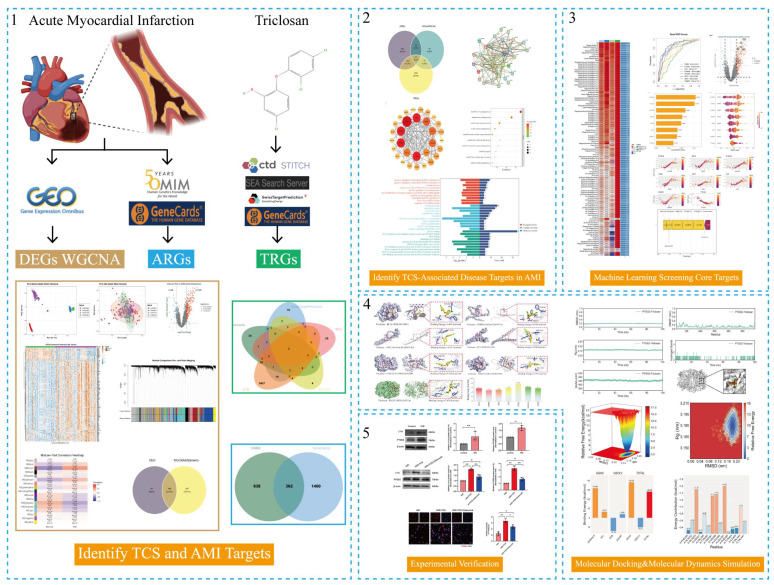 Figure 1
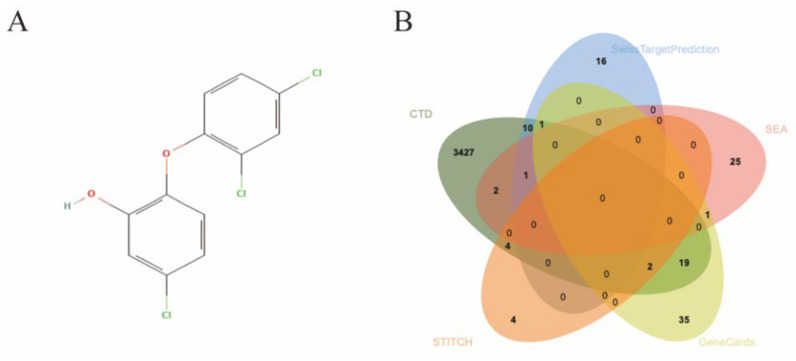 Figure 2
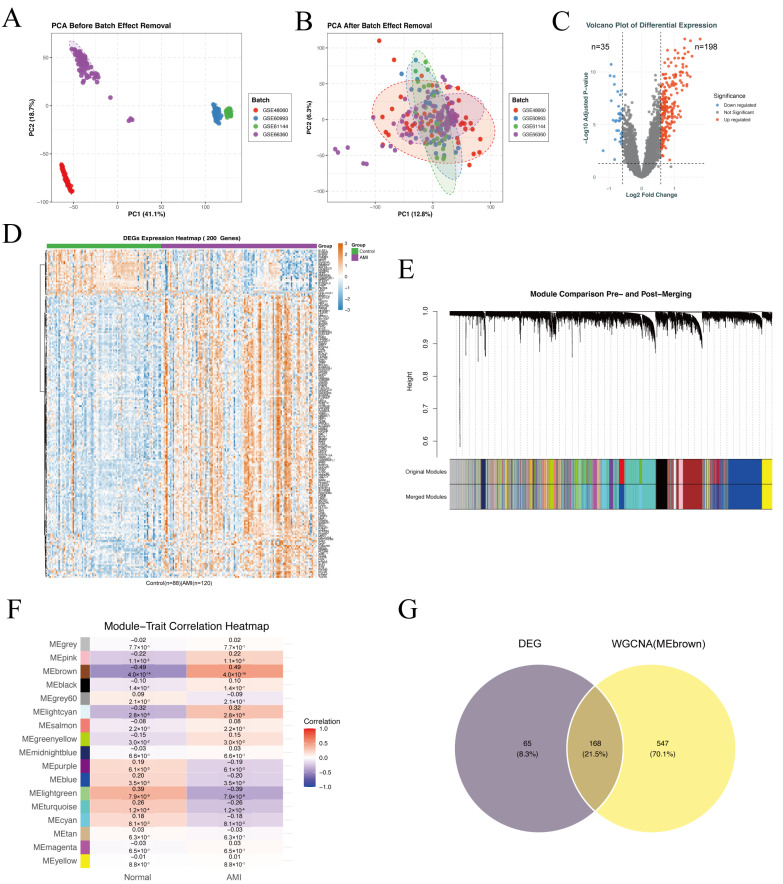 Figure 3
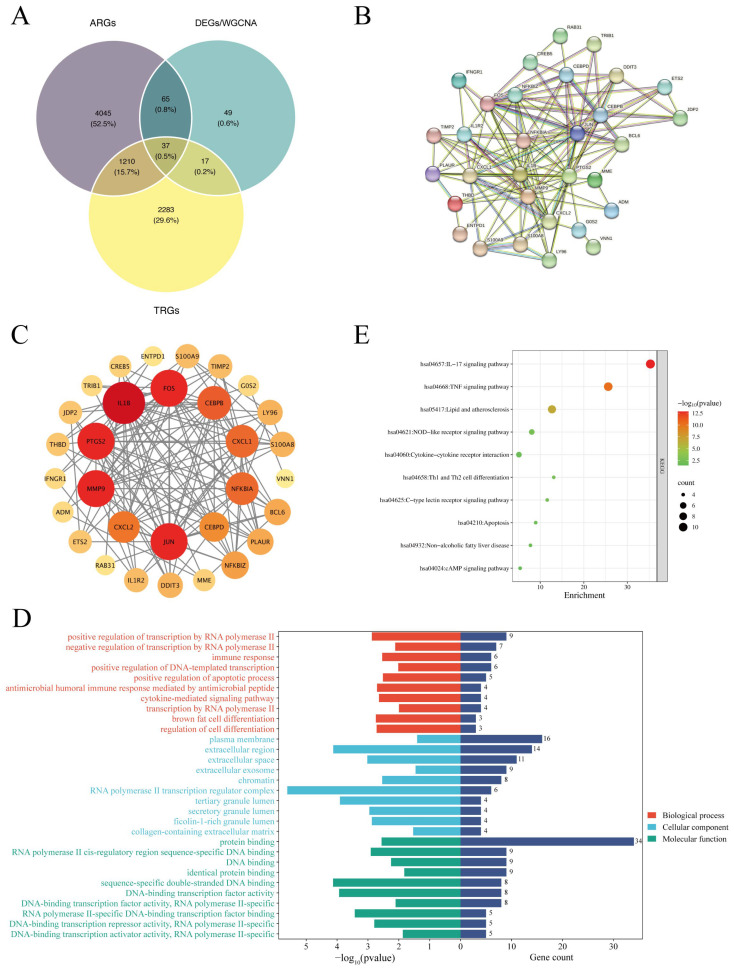 Figure 4
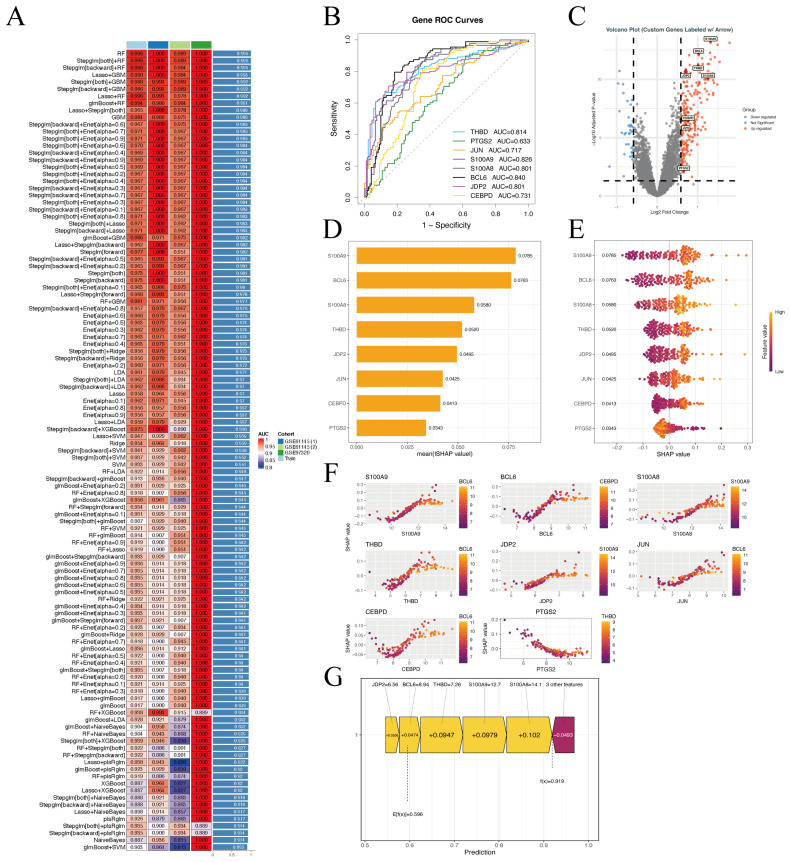 Figure 5
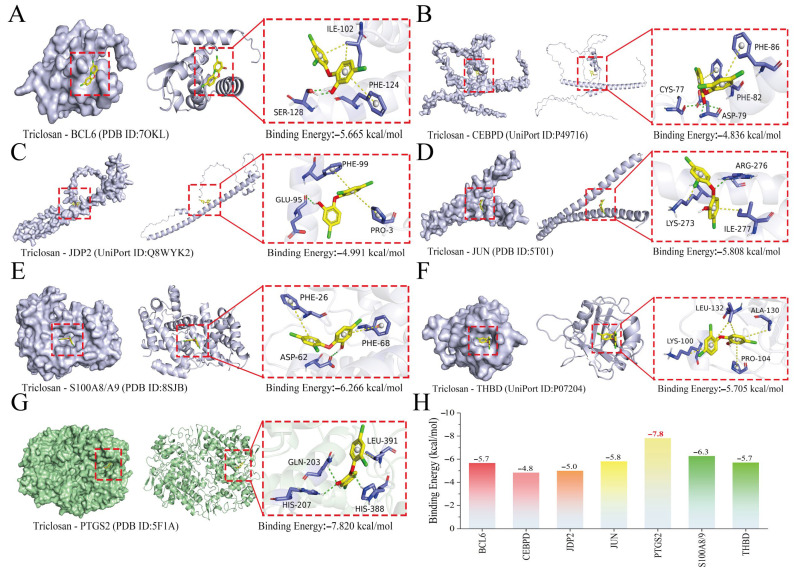 Figure 6
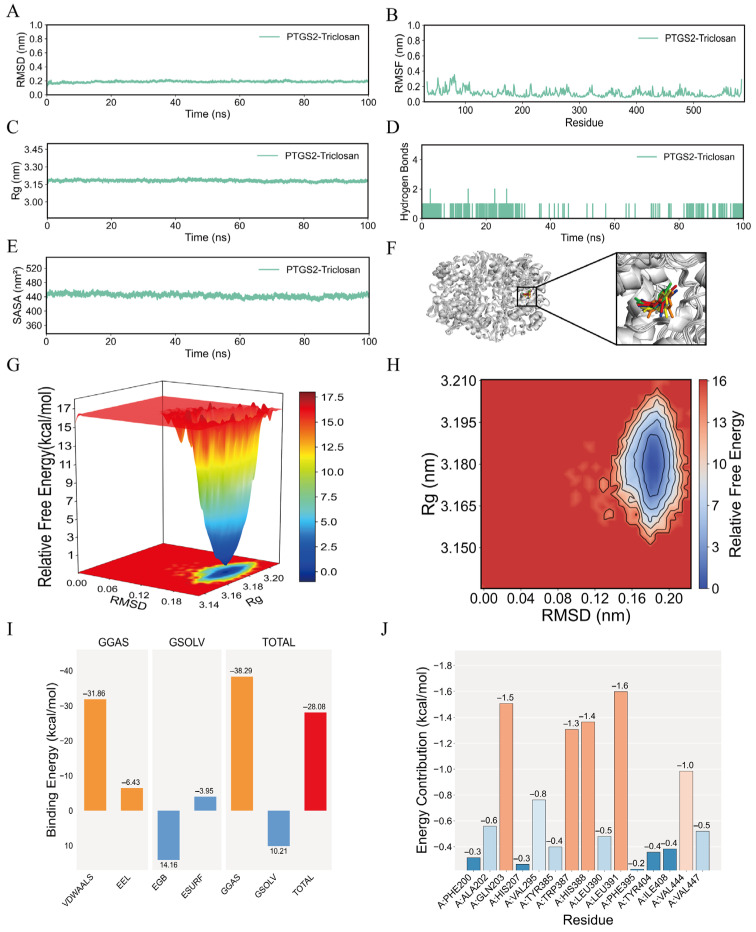 Figure 7
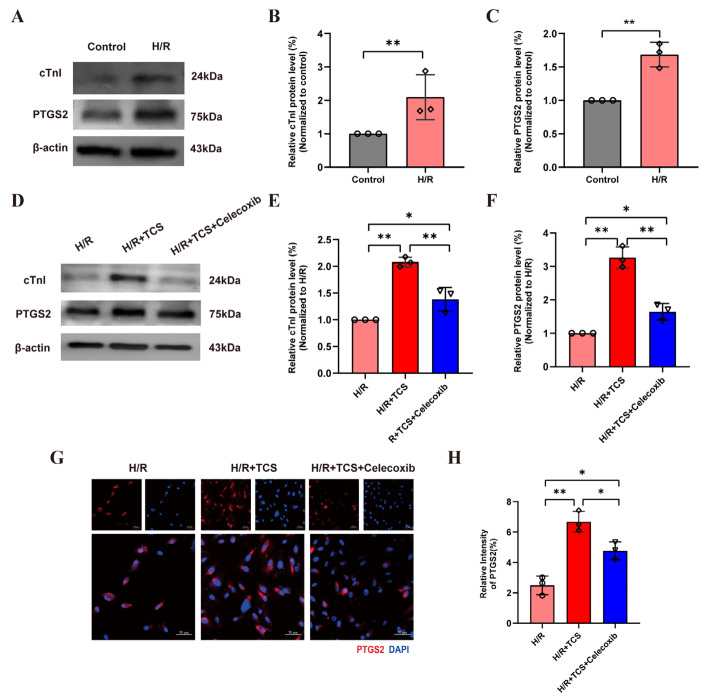 Figure 8
Peer Reviews
No public reviews on file for this paper yet. If you reviewed it on a platform where reviews are public (OpenReview, ICLR, NeurIPS, ICML), you can paste yours below so the community can read it here.
Videos
No videos yet. Explain this paper in a talk, walkthrough, or lecture? Add one.
Taxonomy
TopicsEffects and risks of endocrine disrupting chemicals · Computational Drug Discovery Methods · Inflammatory mediators and NSAID effects