Effect of Subhypnotic Dose of Propofol on Respiratory Adverse Events Following Postoperative Tonsillectomy/Adenotosillecomy: A Systematic Review and Meta-Analysis
Noof Albannai, Abdullah Esmaeel, Dana Alsaif, Fajer Alabdulrazzaq, Salman Alshammari, Abdullah M. Alharran, Ebrahim Almulla, Shawkat Abdulrahman

TL;DR
This study finds that a low dose of propofol reduces laryngospasm and other respiratory issues in children after tonsillectomy or adenotonsillectomy.
Contribution
The study provides new evidence on the efficacy of subhypnotic propofol in reducing postoperative respiratory complications in pediatric patients.
Findings
Propofol significantly reduced laryngospasm, cough, and agitation in children post-surgery.
No significant differences were found for laryngeal occlusion, cyanosis, stridor, or surgery duration.
Evidence for laryngospasm is conclusive, but other outcomes require further large-scale trials.
Abstract
Background: Laryngospasm is defined as glottis closure due to reflex constriction of the laryngeal muscles. It is one of the most common complications following pediatric anesthesia that can lead to hypoxemia, bradycardia, or aspiration. Laryngospasm following tracheal extubation has different reasons: presence of secretions, foreign body in the airway, or pain at the site of surgery. Propofol is usually used as an induction or maintenance agent. However, its use with the subhypnotic dose (0.5 mg/kg) is increasing nowadays for reducing the incidence of laryngospasm. This systematic review and meta-analysis aim to assess the efficacy of subhypnotic propofol in reducing the incidence of laryngospasm and respiratory complications in children following tonsillectomy or adenotonsillectomy and before extubation. Methods: We systematically searched the following databases: PubMed, Cochrane…
Genes, proteins, chemicals, diseases, species, mutations and cell lines named across the full text — each resolved to its canonical identifier and authoritative record.
Click any figure to enlarge with its caption.
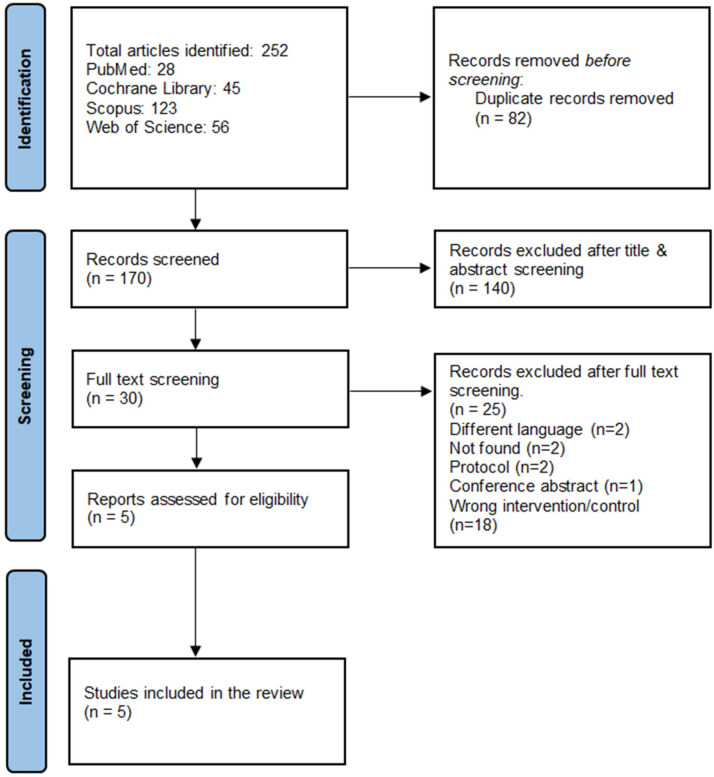 Figure 1
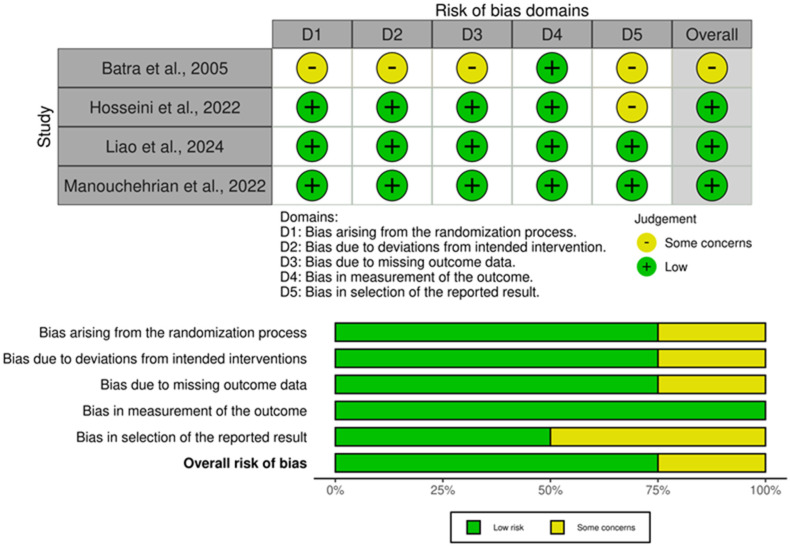 Figure 2
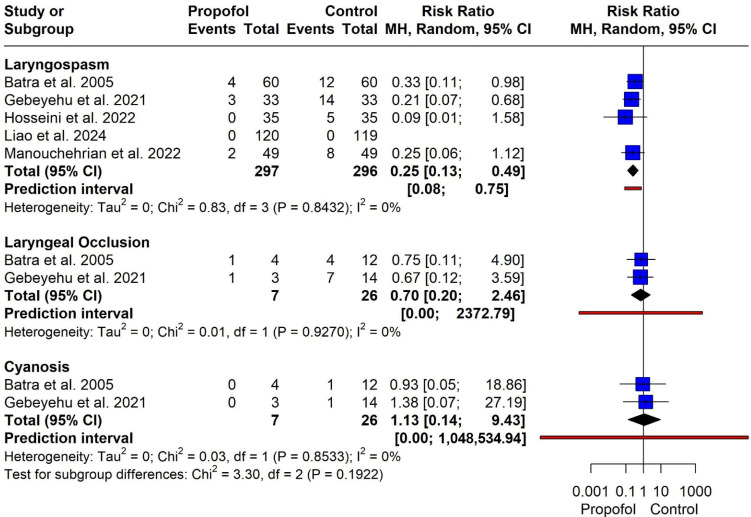 Figure 3
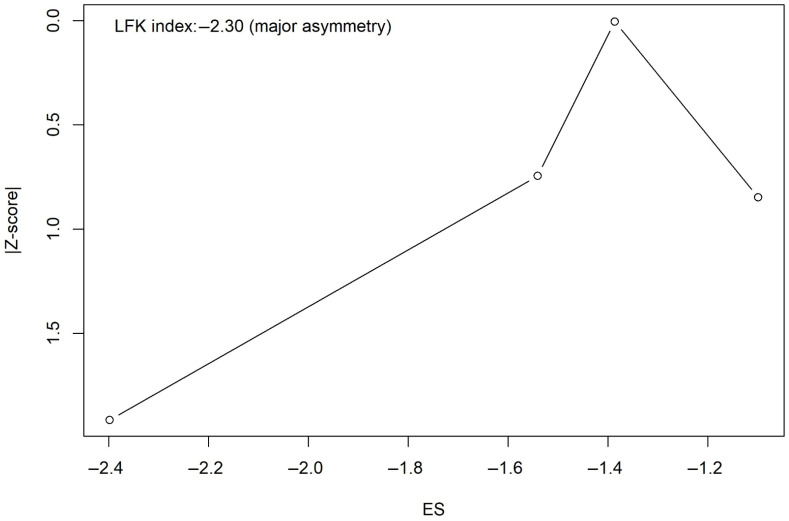 Figure 4
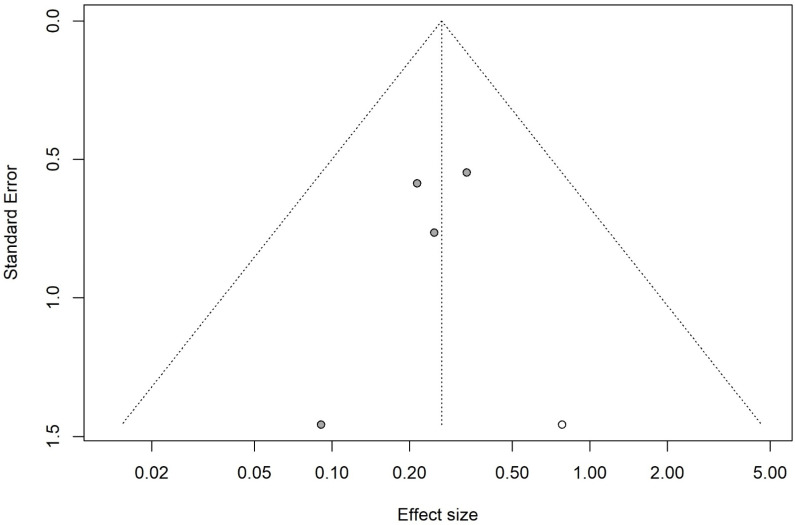 Figure 5
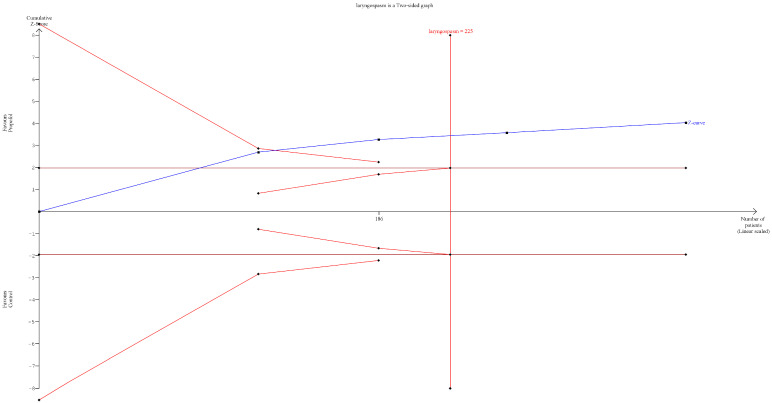 Figure 6
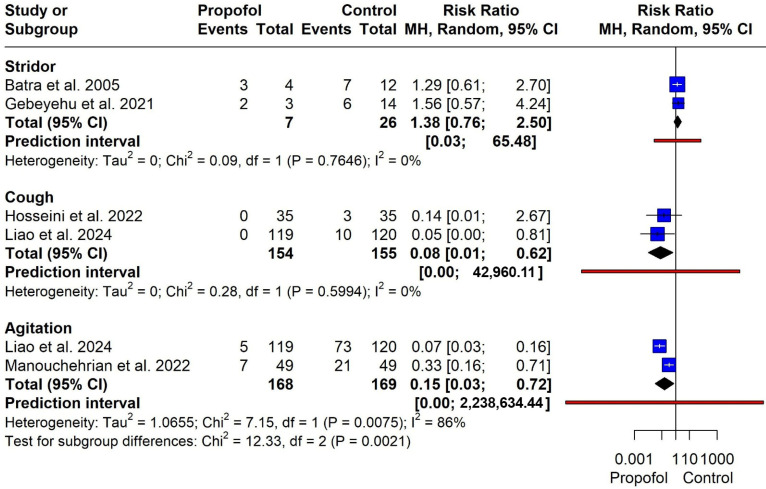 Figure 7
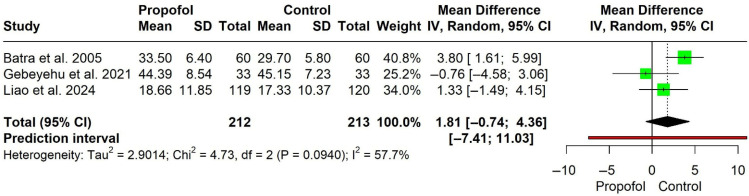 Figure 8
Peer Reviews
No public reviews on file for this paper yet. If you reviewed it on a platform where reviews are public (OpenReview, ICLR, NeurIPS, ICML), you can paste yours below so the community can read it here.
Videos
No videos yet. Explain this paper in a talk, walkthrough, or lecture? Add one.
Taxonomy
TopicsAirway Management and Intubation Techniques · Anesthesia and Sedative Agents · Obstructive Sleep Apnea Research