Multi-Objective Optimization of Mechanical and Geometric Properties of 3D-Printed PLA Porous Scaffolds for Biomedical Applications
Alejandro González González, Patricia C. Zambrano-Robledo, Deivis Avila, Marcelino Rivas, Ramón Quiza

TL;DR
This paper introduces a framework to optimize 3D-printed scaffolds for biomedical use by balancing mechanical strength and geometric accuracy.
Contribution
The novel framework uses multi-objective optimization and statistical modeling to balance mechanical and geometric properties of 3D-printed scaffolds.
Findings
Quadratic models predicted scaffold properties with R² > 77% and most >90%.
Multi-objective optimization revealed topology-specific essential objective pairs.
Pareto fronts quantify trade-offs between mechanical performance and geometric fidelity.
Abstract
Porous scaffolds fabricated via fused deposition modeling (FDM) are promising for bone tissue engineering, but their mechanical performance and geometric fidelity are governed by complex interactions between process parameters and architectural design. This study presents a multi-objective optimization framework for poly (lactic acid) (PLA) scaffolds based on three triply periodic minimal surface (TPMS) topologies—Gyroid, Primitive, and Diamond. A Box–Behnken design combined with response surface methodology was used to model compressive strength, elastic modulus, yield strength, energy absorption density, and discrepancies in volume and porosity as functions of layer thickness (0.05–0.15 mm), extrusion temperature (210–220 °C), and target porosity (50–70%). The resulting quadratic models exhibited strong predictive capability (R2 > 77%, with most >90%) and were validated experimentally…
Genes, proteins, chemicals, diseases, species, mutations and cell lines named across the full text — each resolved to its canonical identifier and authoritative record.
Click any figure to enlarge with its caption.
 Figure 1
 Figure 2
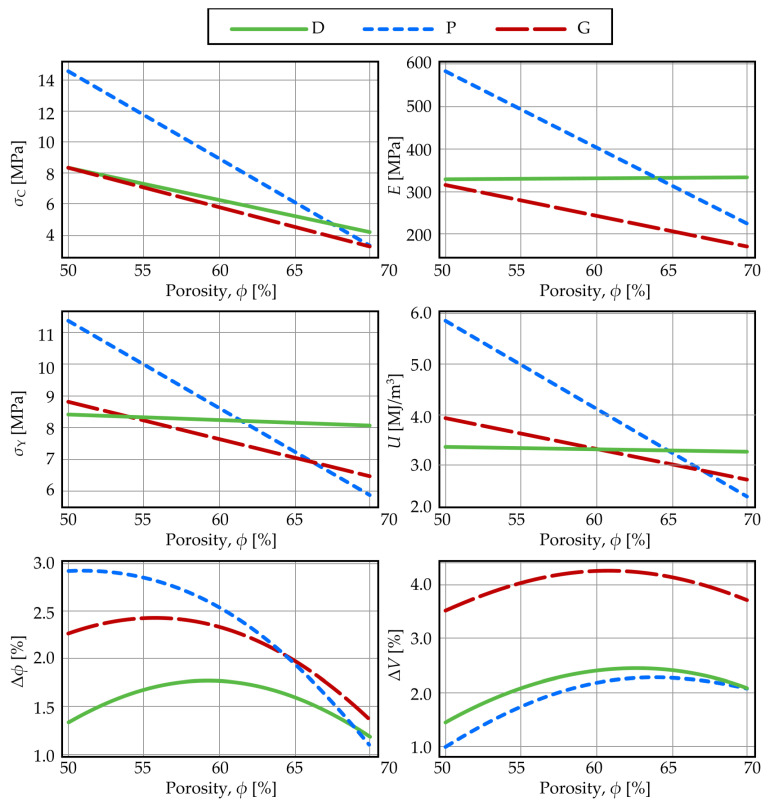 Figure 3
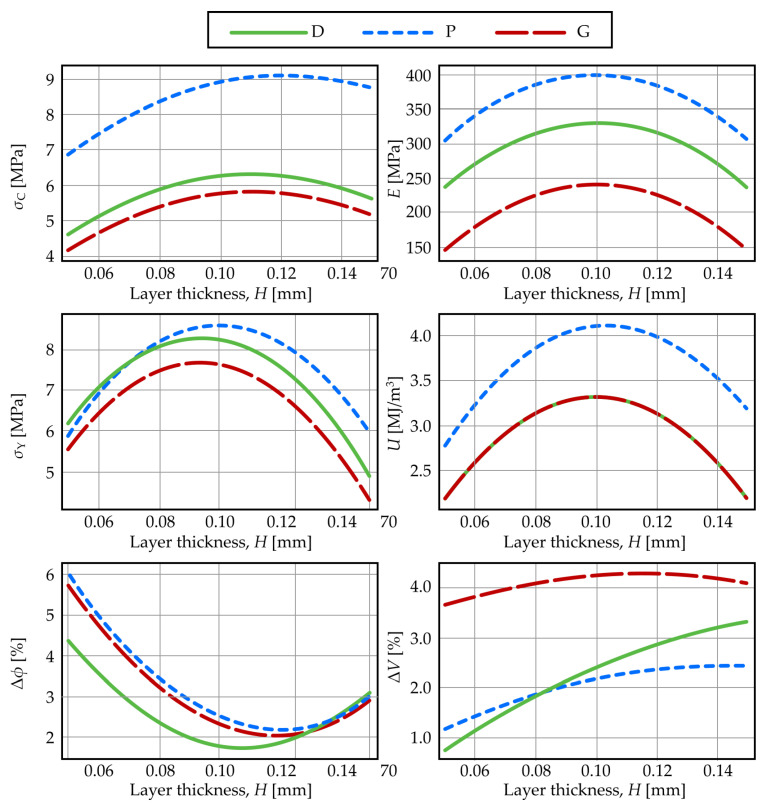 Figure 4
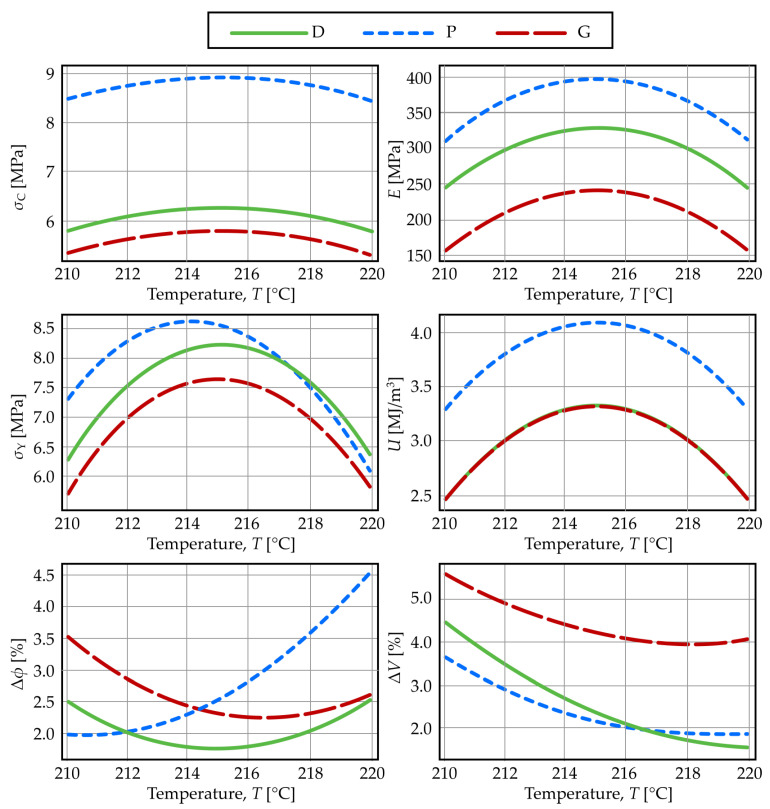 Figure 5
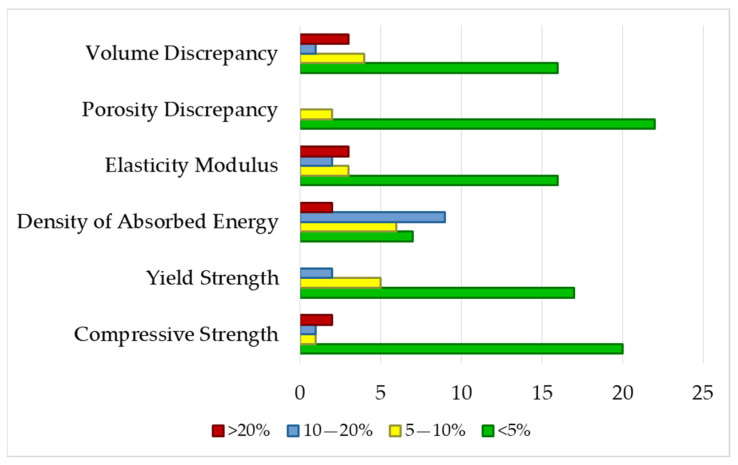 Figure 6
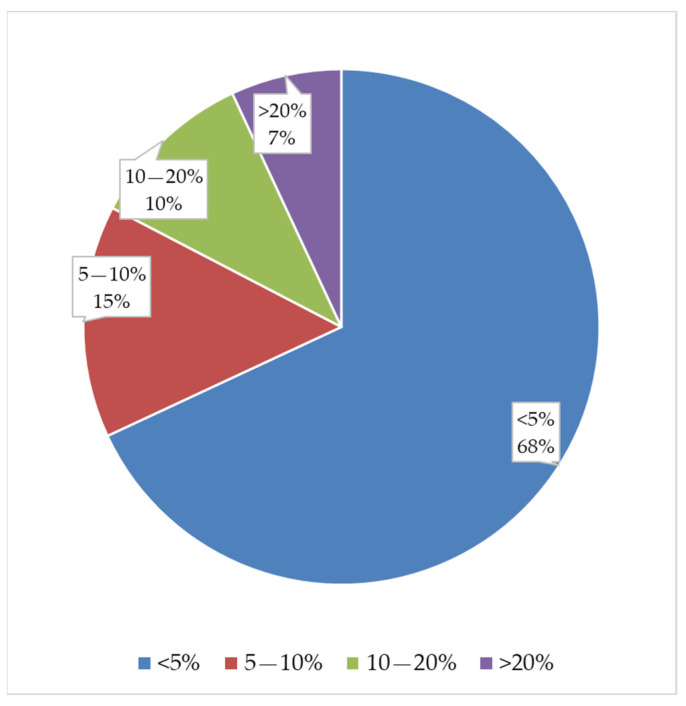 Figure 7
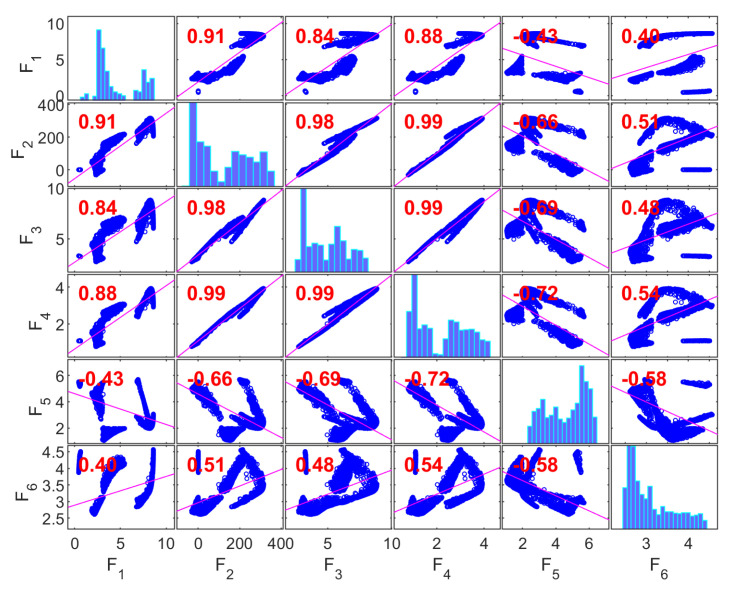 Figure 8
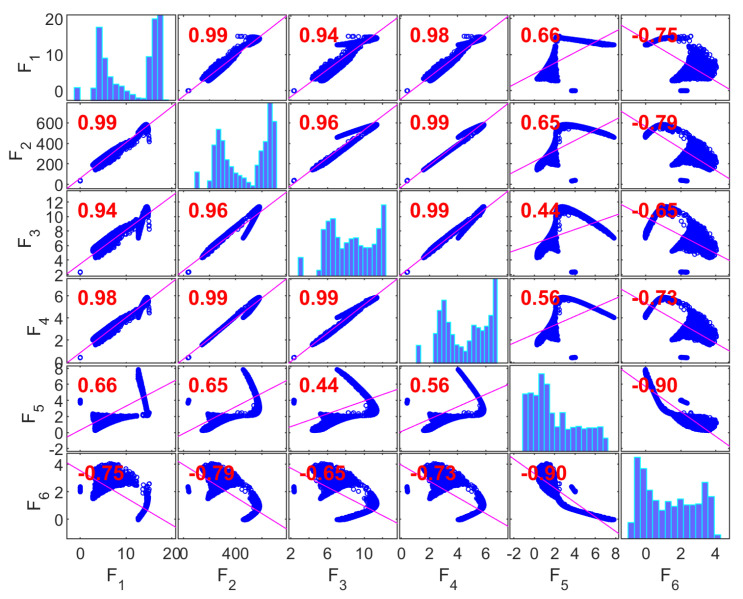 Figure 9
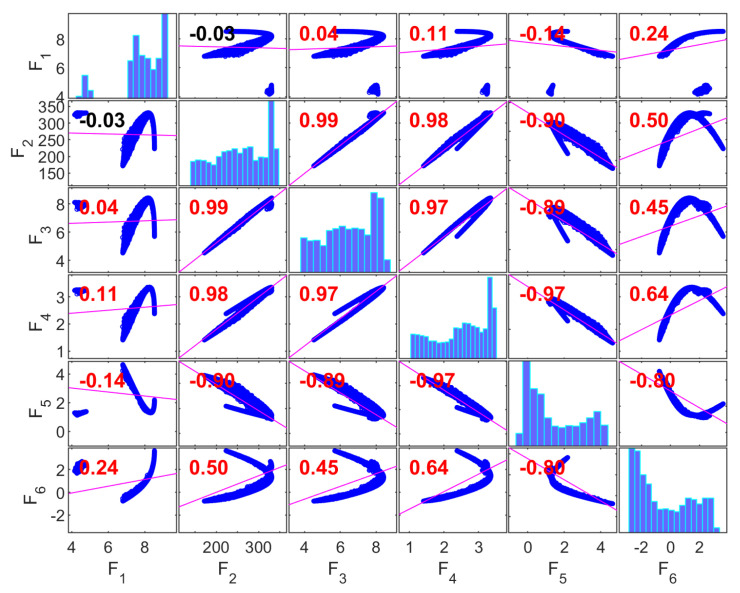 Figure 10
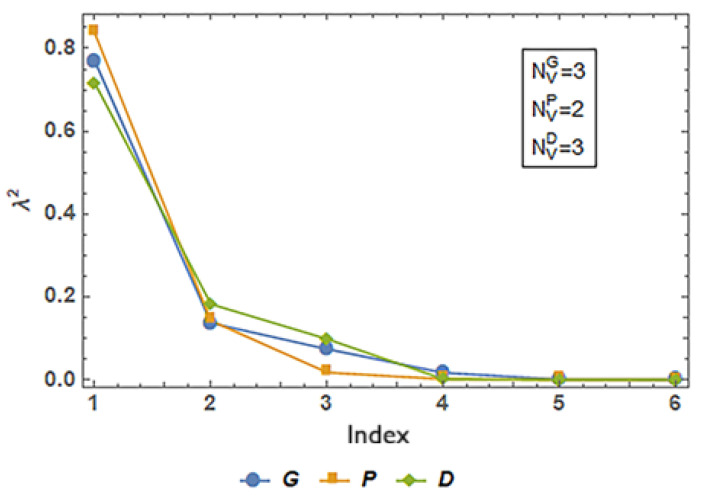 Figure 11
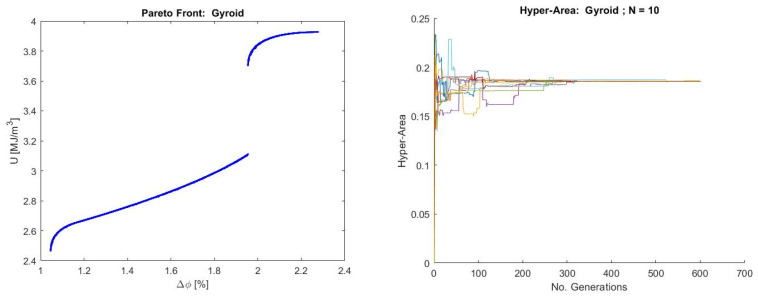 Figure 12
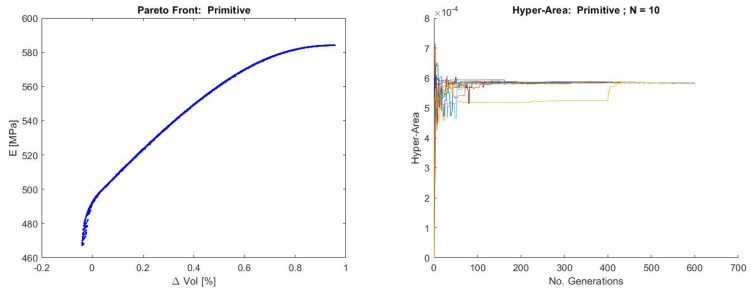 Figure 13
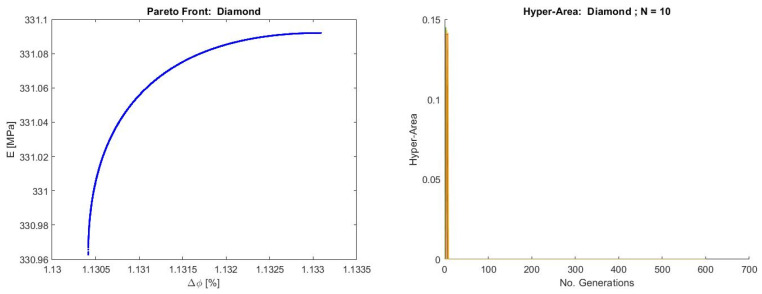 Figure 14
Peer Reviews
No public reviews on file for this paper yet. If you reviewed it on a platform where reviews are public (OpenReview, ICLR, NeurIPS, ICML), you can paste yours below so the community can read it here.
Videos
No videos yet. Explain this paper in a talk, walkthrough, or lecture? Add one.
Taxonomy
TopicsBone Tissue Engineering Materials · Cellular and Composite Structures · Additive Manufacturing and 3D Printing Technologies