Comparative Study on Thermal Behaviour, Tool Wear and Surface Roughness in Milling EN8 Steel for Sustainable Machining
Thenarasu Mohanavelu, Narassima Madhavarao Seshadri, Sreeranjani Vijayakumar, Sumesh Arangot, Jana Petru, Saravanamurugan Sundaram

TL;DR
This study compares up-milling and down-milling techniques for machining EN8 steel, finding that down-milling reduces tool wear, improves surface finish, and lowers cutting temperatures, supporting sustainable manufacturing.
Contribution
The study introduces a kinematic–tribological coupling concept to optimize dry machining of harder materials through down-milling.
Findings
Down-milling reduced tool wear by 12.4% and surface roughness by 45.9% compared to up-milling.
Down-milling lowered peak cutting temperatures by 47 °C due to better heat dissipation and lower friction.
A mid-range cutting speed and low feed rate in down-milling provided optimal multi-objective performance.
Abstract
Dry machining of medium-carbon steels plays an important role in sustainable manufacturing; however, high tool wear and thermal instability pose challenges. The study aims to evaluate the kinematic–tribological performance of EN8 steel during dry milling and compare up-milling and down-milling to trade-off tool life and surface finish. The experiments were conducted using a central composite design (CCD) as part of response surface methodology (RSM), with 36 runs to evaluate interactions among spindle speed, feed rate, and depth of cut. Down-milling outperformed up-milling, achieving 12.4% less tool wear, 45.9% better surface finish, and a 47 °C lower peak temperature from cutting. The above benefits are attributed to the unique kinematics of chip formation during down-milling, which offers lower friction at entry and better heat dissipation, contrasting with the high-friction ploughing…
Genes, proteins, chemicals, diseases, species, mutations and cell lines named across the full text — each resolved to its canonical identifier and authoritative record.
Click any figure to enlarge with its caption.
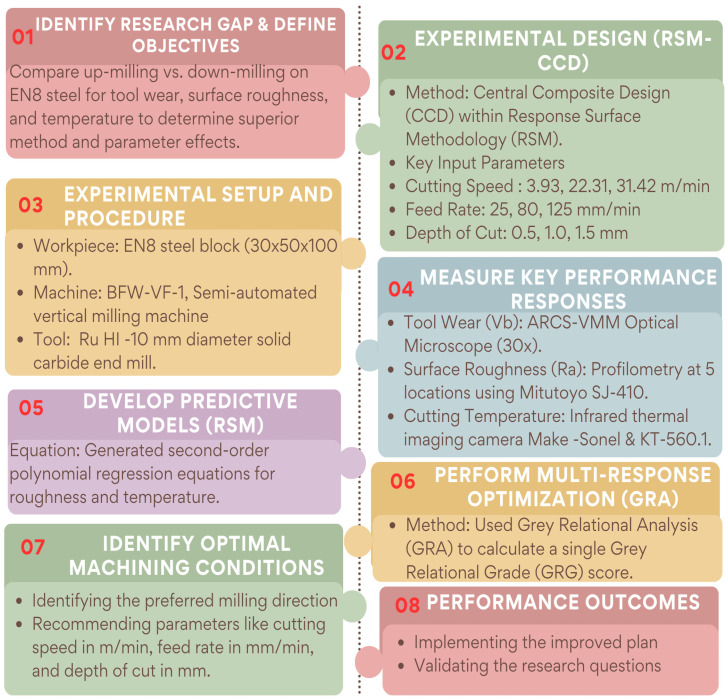 Figure 1
 Figure 2
 Figure 3
 Figure 4
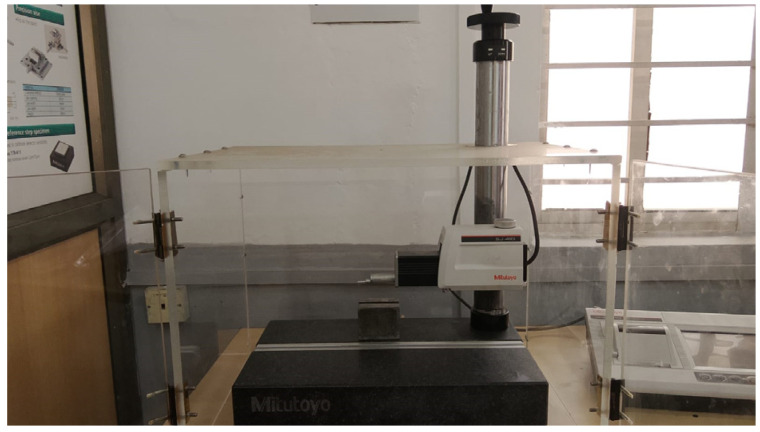 Figure 5
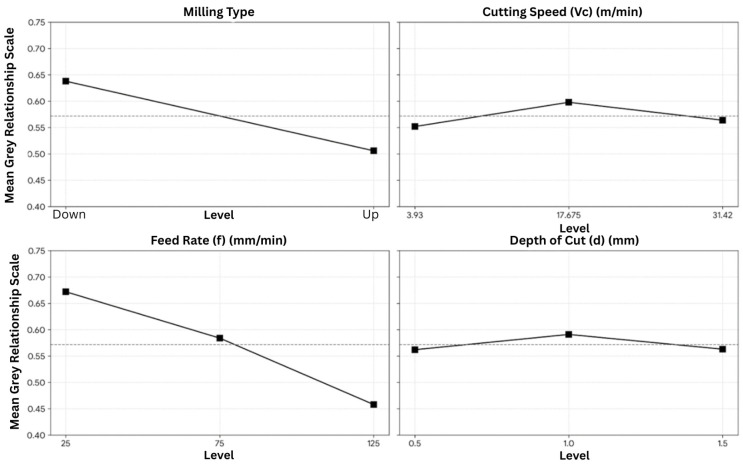 Figure 6
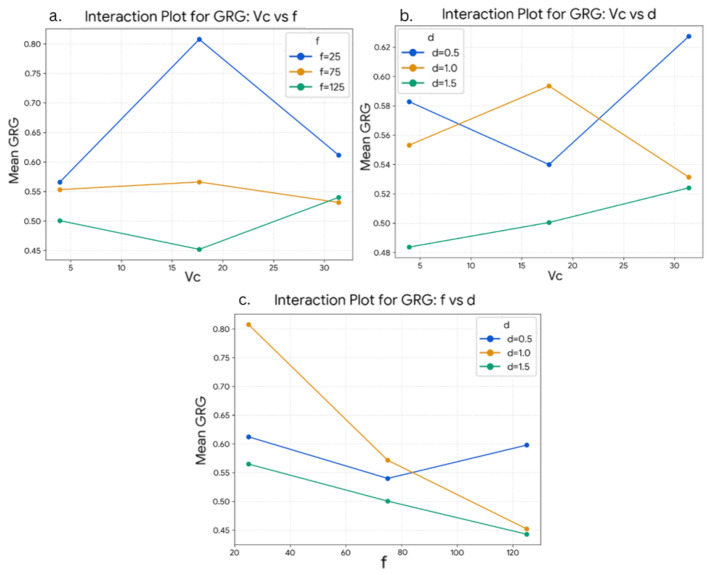 Figure 7
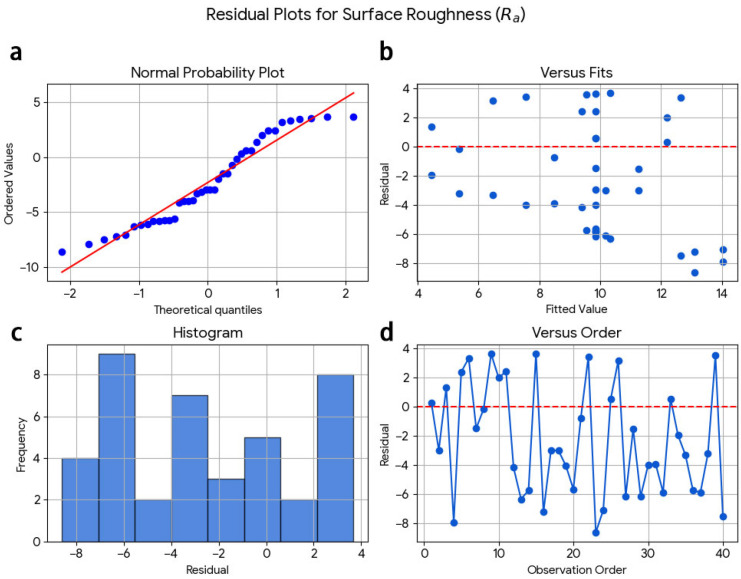 Figure 8
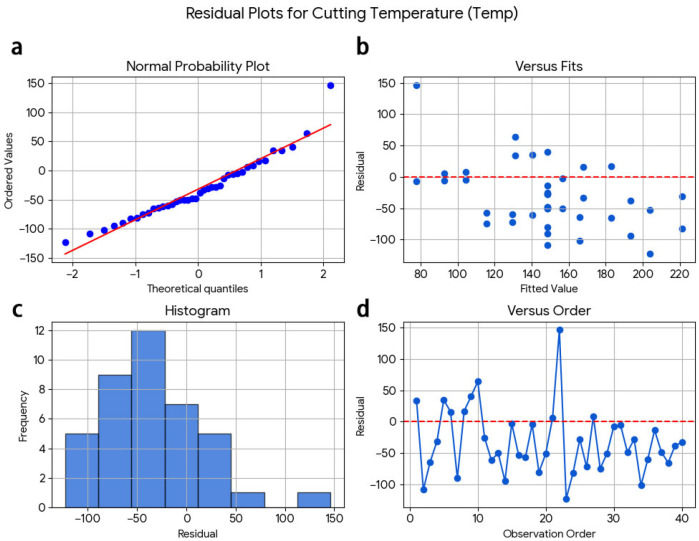 Figure 9
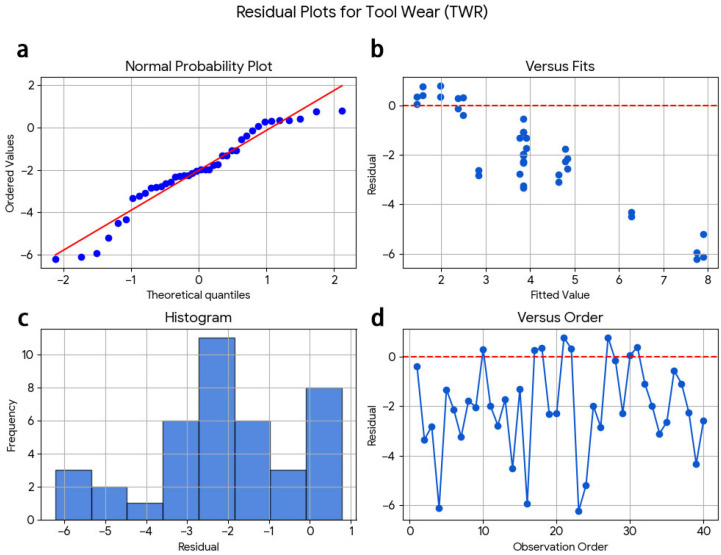 Figure 10
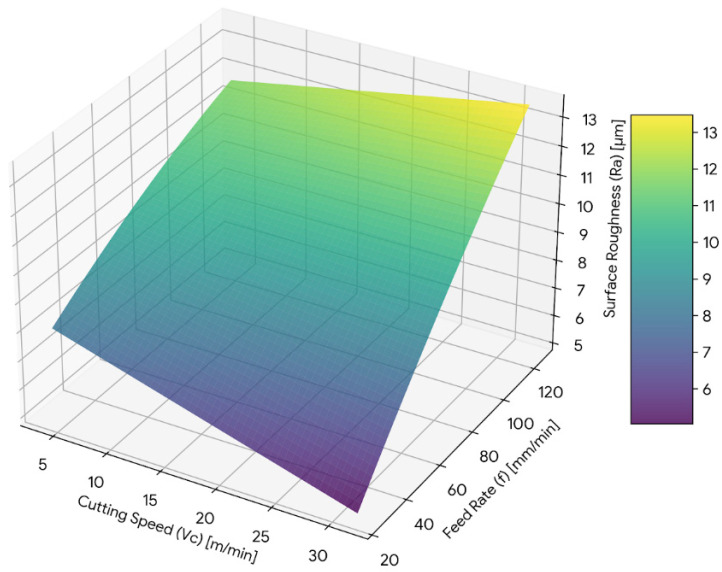 Figure 11
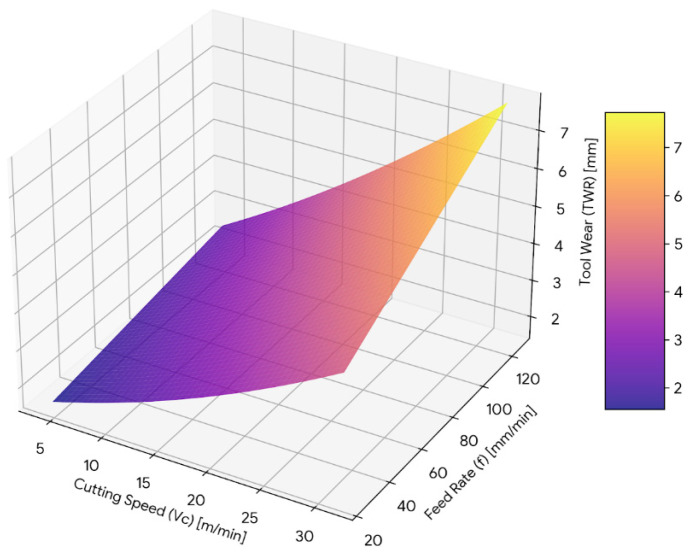 Figure 12
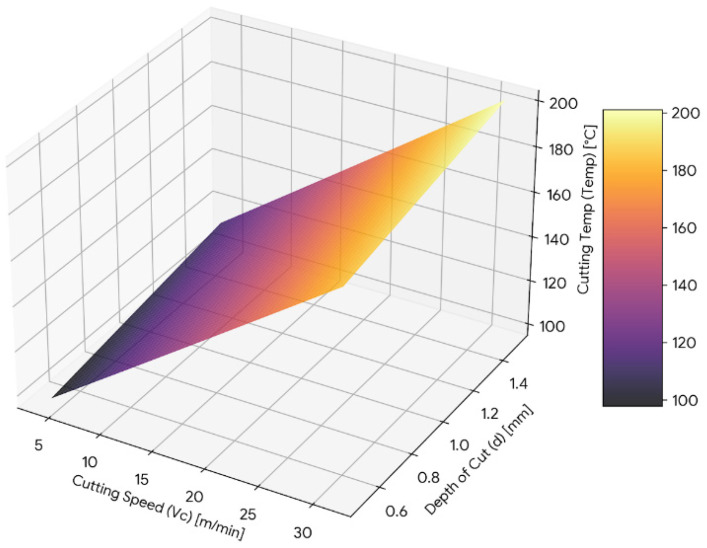 Figure 13
Peer Reviews
No public reviews on file for this paper yet. If you reviewed it on a platform where reviews are public (OpenReview, ICLR, NeurIPS, ICML), you can paste yours below so the community can read it here.
Videos
No videos yet. Explain this paper in a talk, walkthrough, or lecture? Add one.
Taxonomy
TopicsAdvanced machining processes and optimization · Advanced Surface Polishing Techniques · Advanced Machining and Optimization Techniques