A Latent Autoantibody Axis Associated with Vascular Vulnerability in Ischemic Stroke: Integrated Statistical and Machine-Learning Analysis
Tomohiro Sugiyama, Yoichi Yoshida, Takaki Hiwasa, Masaaki Kubota, Seiichiro Mine, Yoshinori Higuchi

TL;DR
This study explores how autoantibodies may reflect vascular risk in stroke patients, finding a potential biological signal that could help assess stroke vulnerability.
Contribution
The study identifies a latent autoantibody axis linked to vascular vulnerability in ischemic stroke, using integrated statistical and machine-learning methods.
Findings
Antibody markers did not improve overall model performance but were influential in machine-learning interpretations.
PCA identified a dominant antibody component strongly associated with stroke risk after age adjustment.
Unsupervised clustering revealed a high-risk subgroup with elevated antibody levels.
Abstract
Ischemic stroke remains a major cause of mortality and long-term disability worldwide, and improved strategies for identifying individuals at elevated vascular risk are needed. Serum autoantibodies have emerged as potential biomarkers reflecting vascular injury and immune activation; however, their integrative biological significance and incremental predictive value beyond established clinical risk factors remain unclear. We analyzed 833 participants, including patients with acute ischemic stroke (AIS) or transient ischemic attack (TIA) and healthy controls. Serum levels of anti-PDCD11 antibody (Ab), anti-DNAJC2 antibody, and anti-PAI-1 (SERPINE1) antibody were quantified, and multivariable logistic regression and machine-learning (ML) models (logistic regression and random forest) were constructed using clinical variables with and without antibody markers. Model performance was…
Genes, proteins, chemicals, diseases, species, mutations and cell lines named across the full text — each resolved to its canonical identifier and authoritative record.
Click any figure to enlarge with its caption.
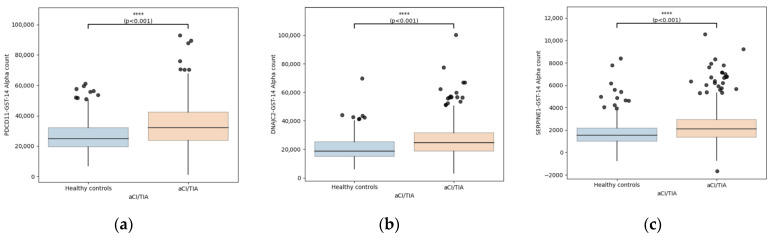 Figure 1
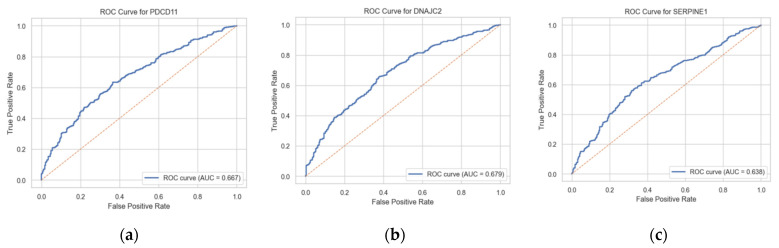 Figure 2
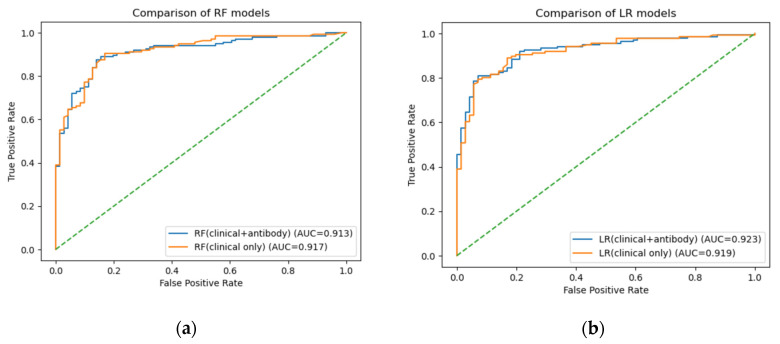 Figure 3
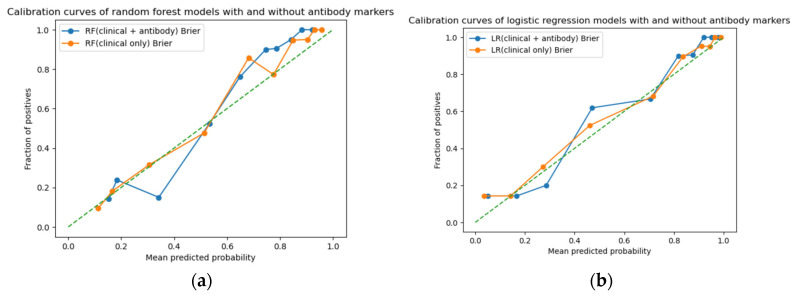 Figure 4
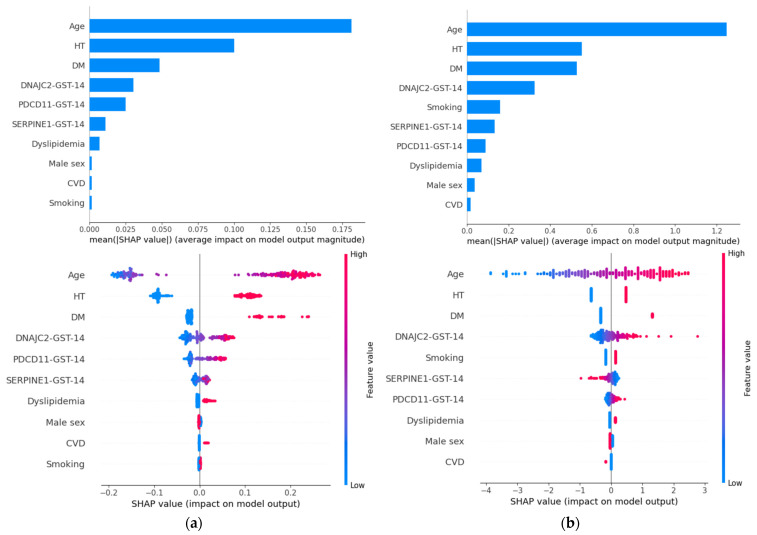 Figure 5
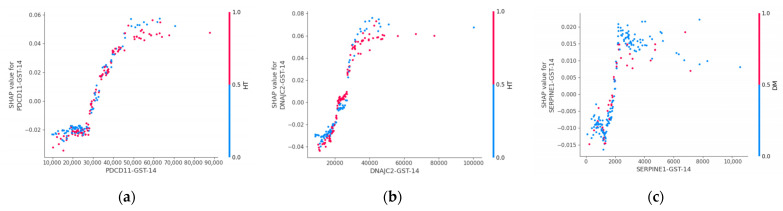 Figure 6
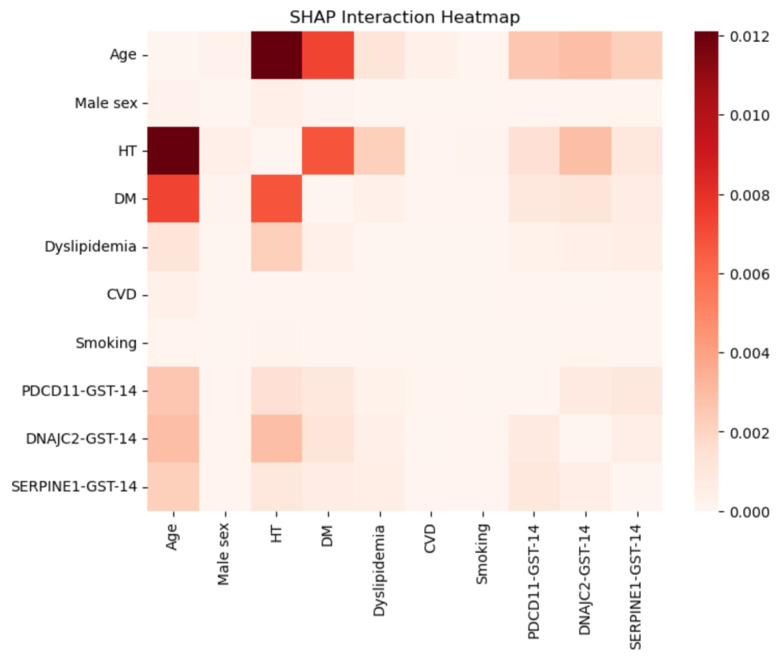 Figure 7
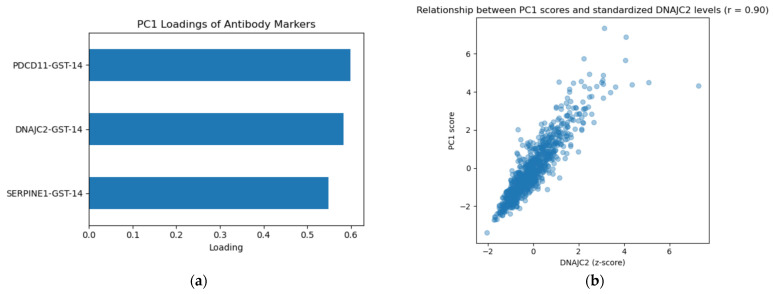 Figure 8
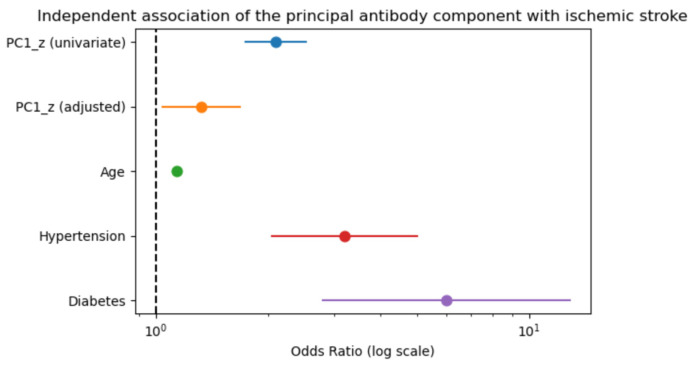 Figure 9
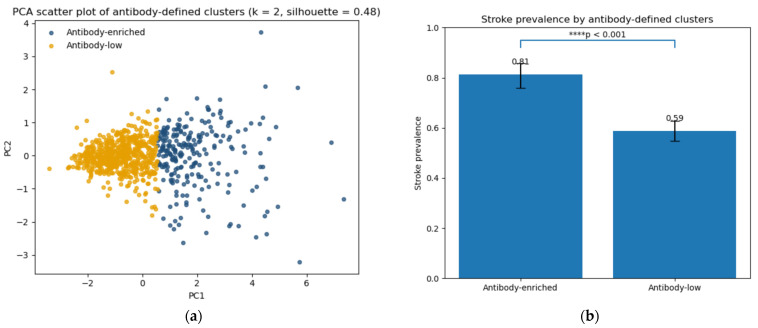 Figure 10
 Figure 11
 Figure 12
Peer Reviews
No public reviews on file for this paper yet. If you reviewed it on a platform where reviews are public (OpenReview, ICLR, NeurIPS, ICML), you can paste yours below so the community can read it here.
Videos
No videos yet. Explain this paper in a talk, walkthrough, or lecture? Add one.
Taxonomy
TopicsAtherosclerosis and Cardiovascular Diseases · Neuroinflammation and Neurodegeneration Mechanisms · Monoclonal and Polyclonal Antibodies Research