Anterior Knee Pain and Excessive External Tibial Torsion in Female Patients: Rationale and Outcomes of Rotational Tibial Osteotomy
Vicente Sanchis-Alfonso, Jesus Castellano-Curado, Erik Montesinos-Berry, Santiago Ferrer-Piquer, Robert A. Teitge

TL;DR
This paper discusses how excessive tibial torsion causes knee pain in women and explores the effectiveness of tibial osteotomy as a treatment.
Contribution
The study provides rationale and outcomes for rotational tibial osteotomy in treating anterior knee pain due to excessive external tibial torsion in female patients.
Findings
Internal rotational tibial osteotomy is a reliable treatment for symptomatic excessive external tibial torsion.
Outcomes of the procedure are favorable with minimal complications in appropriately selected cases.
Abstract
Excessive external tibial torsion (ETT) is a recognized cause of anterior knee pain (AKP). In patients with excessive ETT, placing the foot forward during gait causes the knee joint to point inward, increasing the Q-angle and the lateral quadriceps vector. In appropriately selected cases, internal rotational tibial osteotomy is a reliable treatment option for symptomatic excessive ETT, yielding favorable outcomes with minimal complications. Nevertheless, no universally accepted torsion threshold exists to guide surgical decision-making, and evidence remains limited regarding the optimal anatomic level for performing the osteotomy.
Genes, proteins, chemicals, diseases, species, mutations and cell lines named across the full text — each resolved to its canonical identifier and authoritative record.
Click any figure to enlarge with its caption.
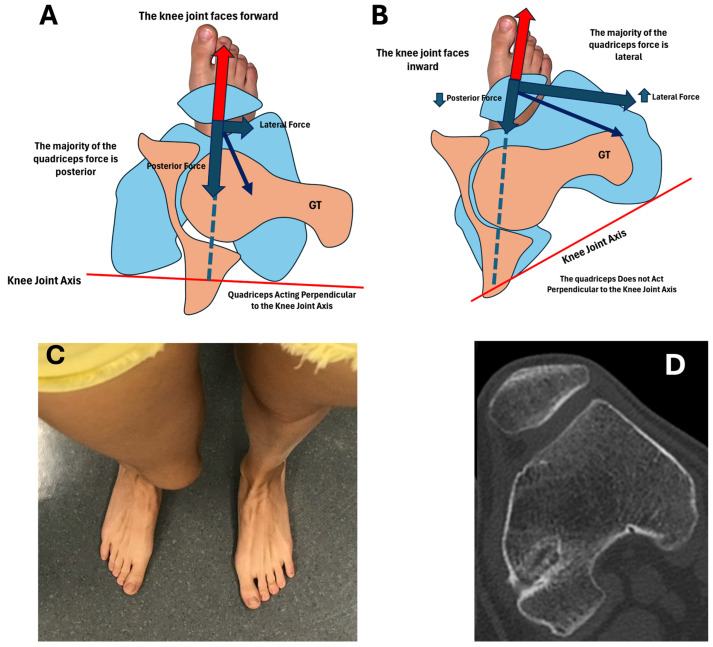 Figure 1
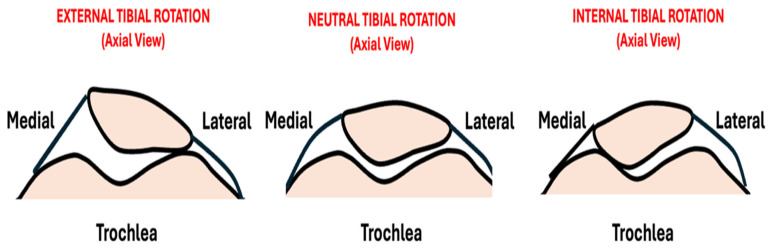 Figure 2
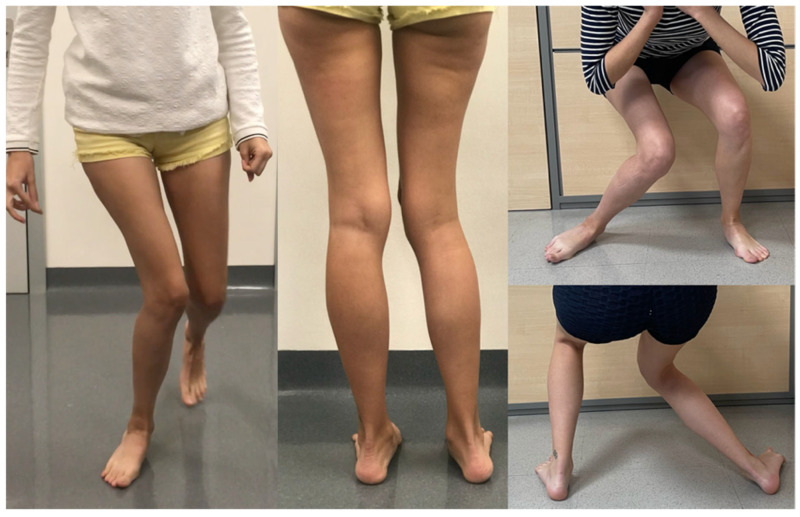 Figure 3
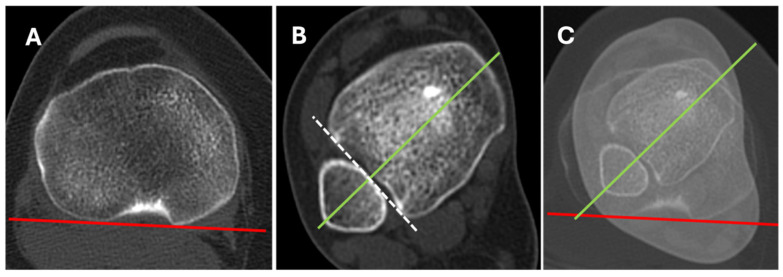 Figure 4
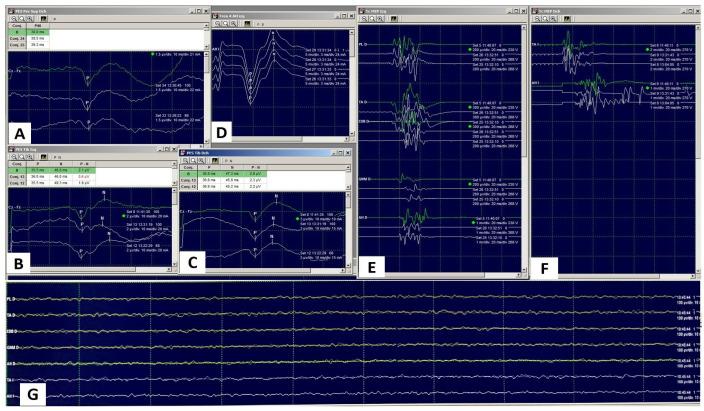 Figure 5
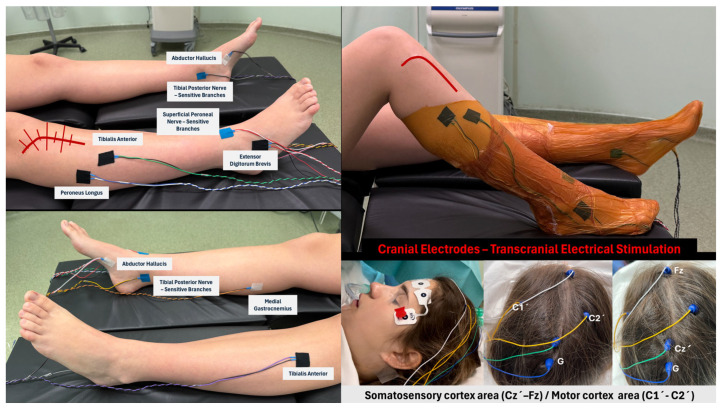 Figure 6
Peer Reviews
No public reviews on file for this paper yet. If you reviewed it on a platform where reviews are public (OpenReview, ICLR, NeurIPS, ICML), you can paste yours below so the community can read it here.
Videos
No videos yet. Explain this paper in a talk, walkthrough, or lecture? Add one.
Taxonomy
TopicsTotal Knee Arthroplasty Outcomes · Musculoskeletal synovial abnormalities and treatments · Hip disorders and treatments