Phase Equilibrium Calculation Method and Phase Equilibrium Curve Characterization of Natural Gas Hydrates Under the Action of Polymer Additives in Cement Slurry Filtrate: Based on Molecular Dynamics Simulation
Huajie Liu, Wenxiang Lin, Sergey E. Chernyshov, Theis I. Solling, Xinyue Zhao, Zhiwei Tao

TL;DR
This paper studies how polymer additives in cement slurry affect the stability of natural gas hydrates, using simulations to determine decomposition risks and suggest safer additive designs.
Contribution
A new method for calculating NGH phase equilibrium using molecular dynamics simulations, revealing the impact of polymer functional groups on hydrate stability.
Findings
Amide groups strongly promote NGH decomposition compared to carboxyl and sulfonate groups.
A 1.5% AM/AA system lowers NGH phase equilibrium temperature by 2.33–3.56 K.
Reducing amide and carboxyl groups in polymer additives is recommended to prevent hydrate destabilization.
Abstract
Polymer additives in well cement slurry filtrate would affect the stability of natural gas hydrate (NGH), which could lead to formation collapse and cause marine disasters. It is necessary to clarify the critical conditions for the stability of NGH, i.e., NGH phase equilibrium. LAMMPS software and the TIP4P model were used to develop a method for calculating NGH phase equilibrium. Based on the single functional groups and combined functional groups of polymer additives, the potential energy, angular order parameter (AOP) of water molecules, and NGH phase equilibrium temperatures under different pressures were calculated, and a phase equilibrium curve was characterized. Results show that amide groups promote NGH decomposition more strongly than carboxyl and sulfonate groups, with a 1.5% dodecylamide system causing NGH phase equilibrium temperature to decrease by 1.68–2.77 K. AM/AA…
Genes, proteins, chemicals, diseases, species, mutations and cell lines named across the full text — each resolved to its canonical identifier and authoritative record.
Click any figure to enlarge with its caption.
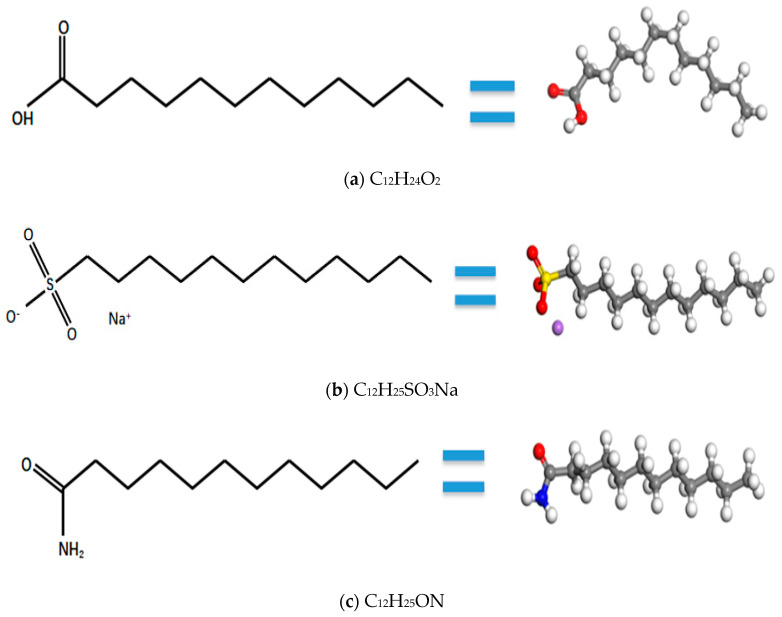 Figure 1
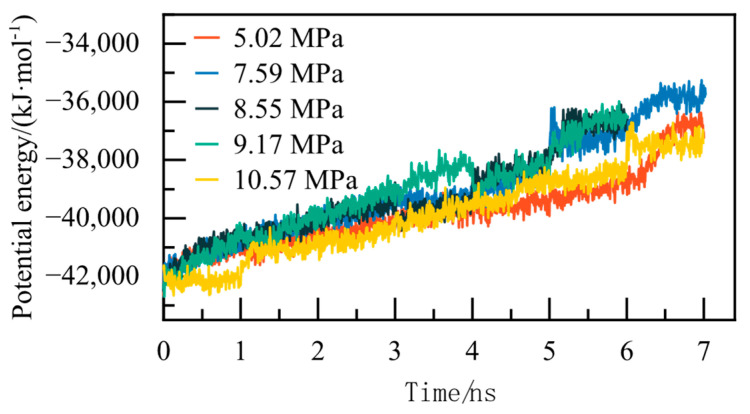 Figure 2
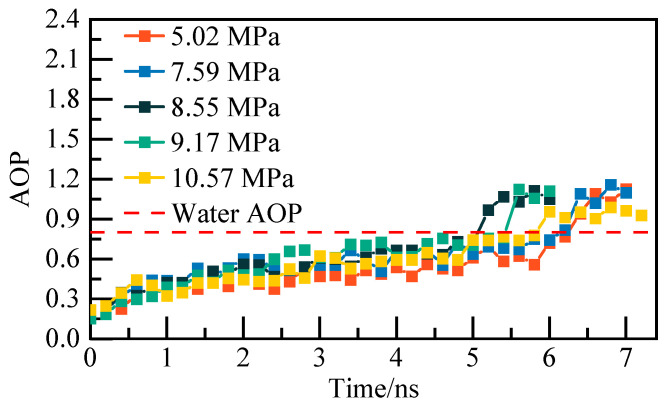 Figure 3
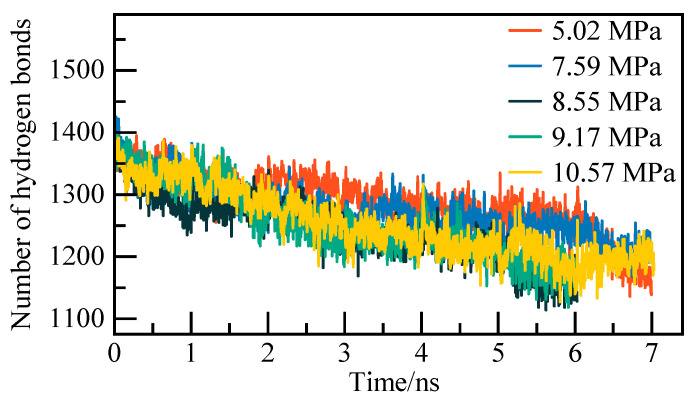 Figure 4
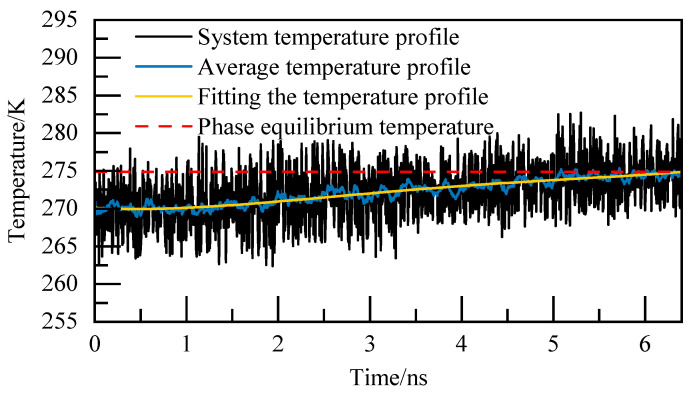 Figure 5
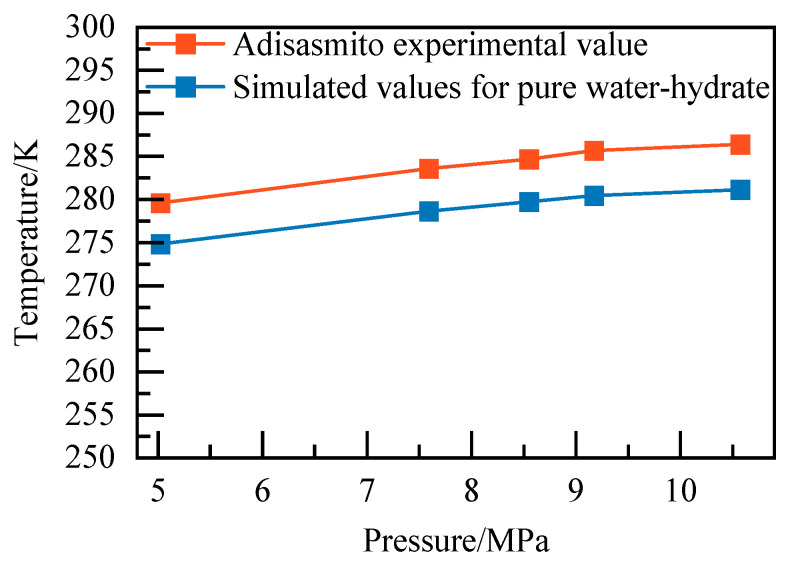 Figure 6
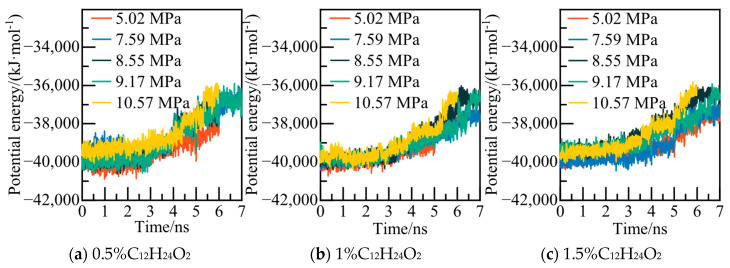 Figure 7
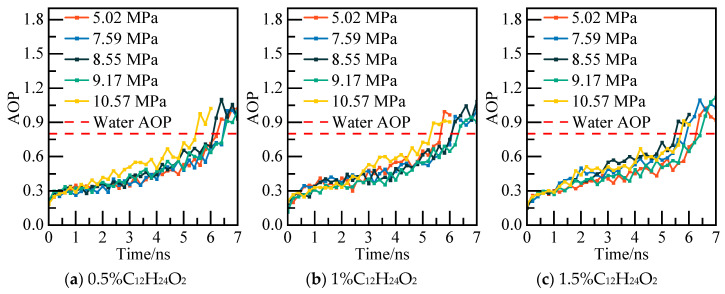 Figure 8
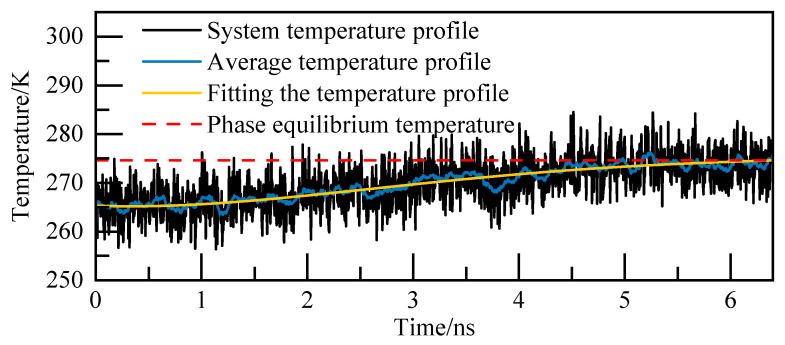 Figure 9
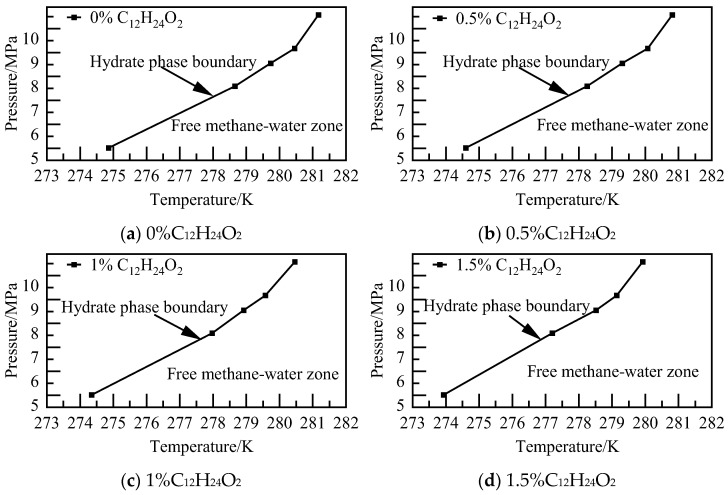 Figure 10
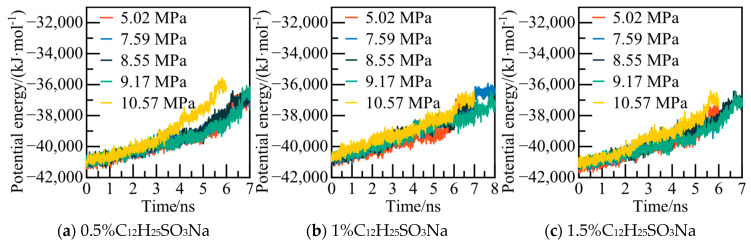 Figure 11
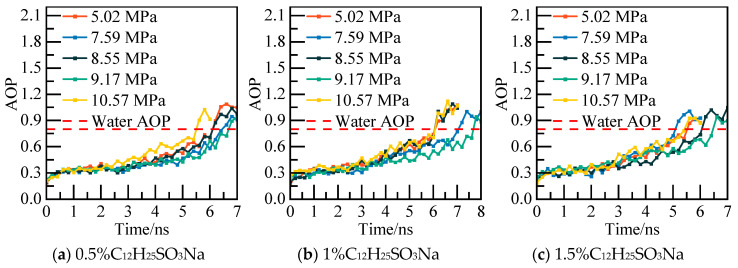 Figure 12
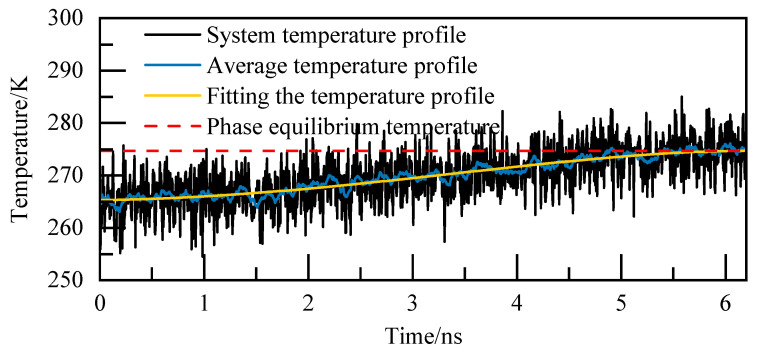 Figure 13
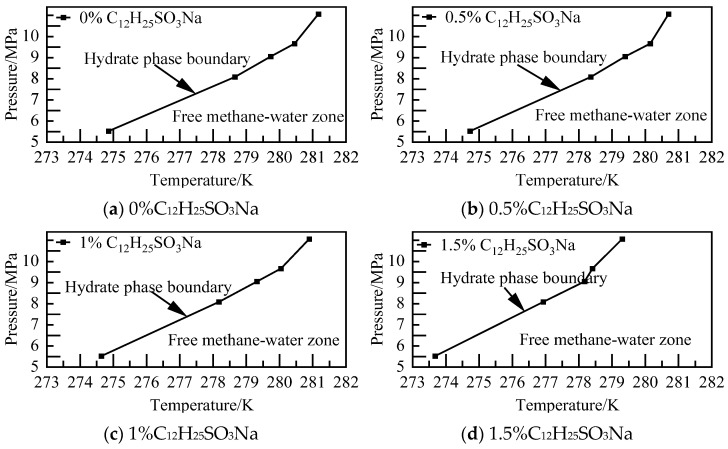 Figure 14
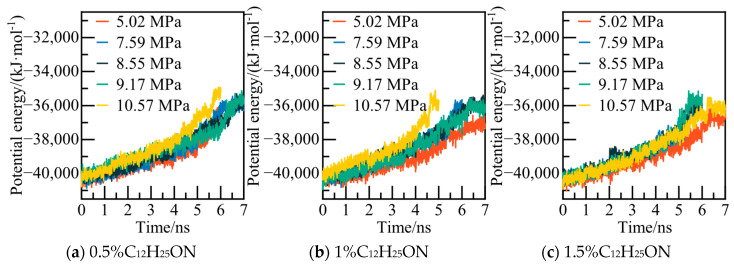 Figure 15
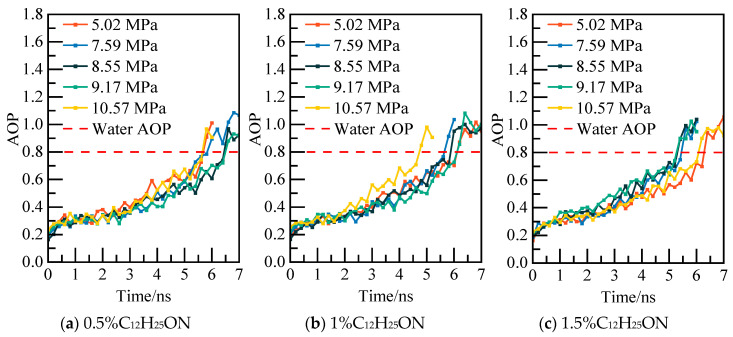 Figure 16
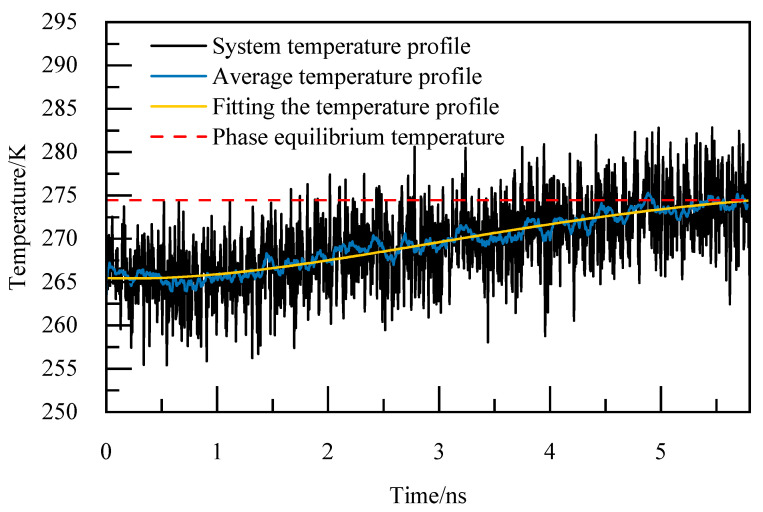 Figure 17
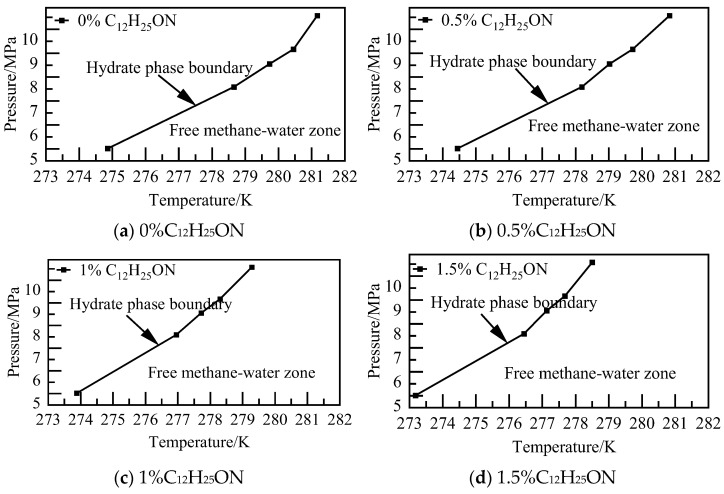 Figure 18
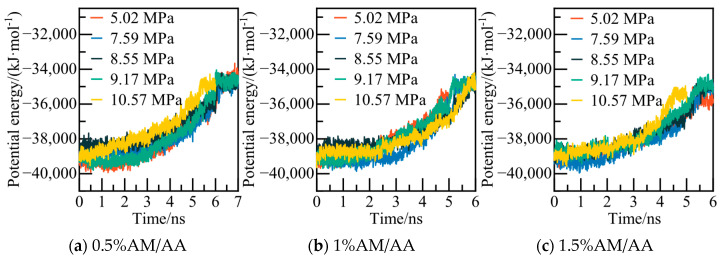 Figure 19
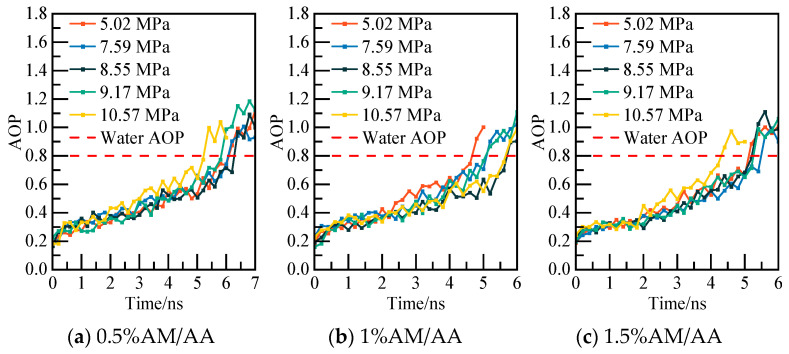 Figure 20
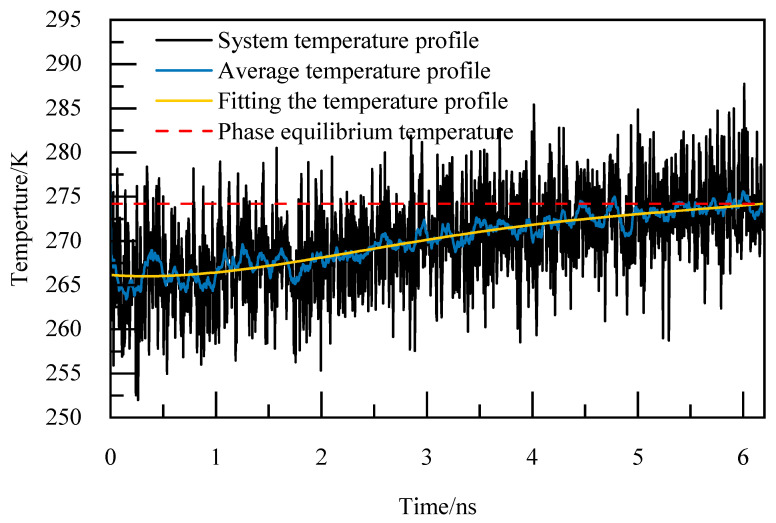 Figure 21
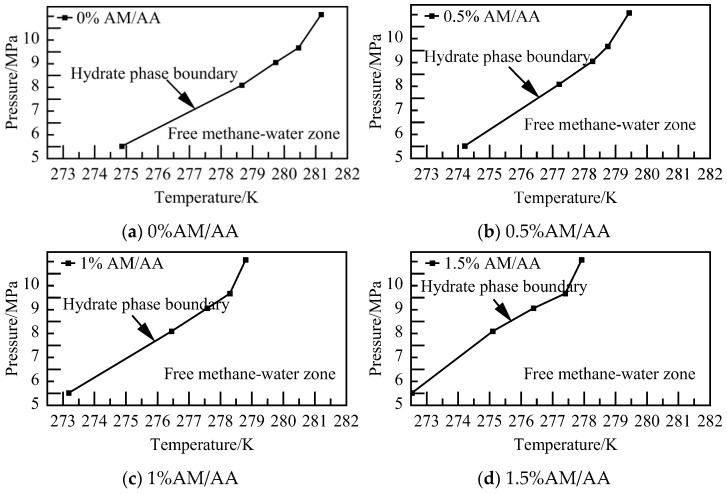 Figure 22
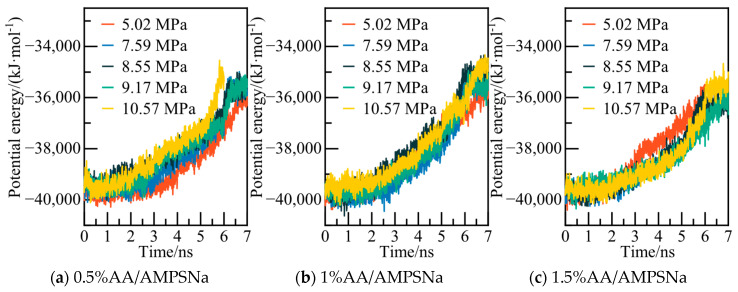 Figure 23
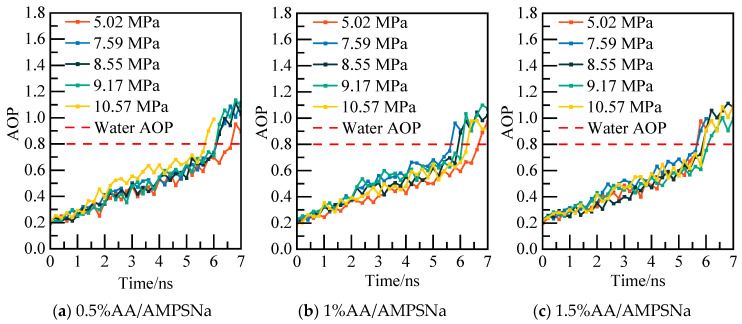 Figure 24
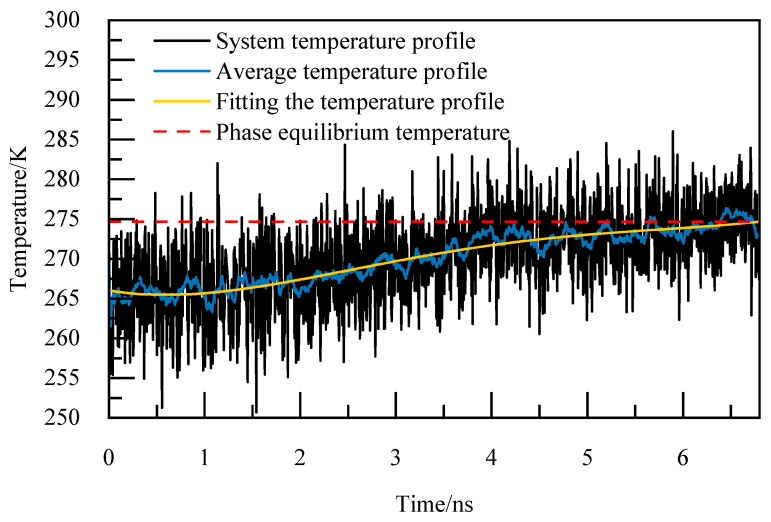 Figure 25
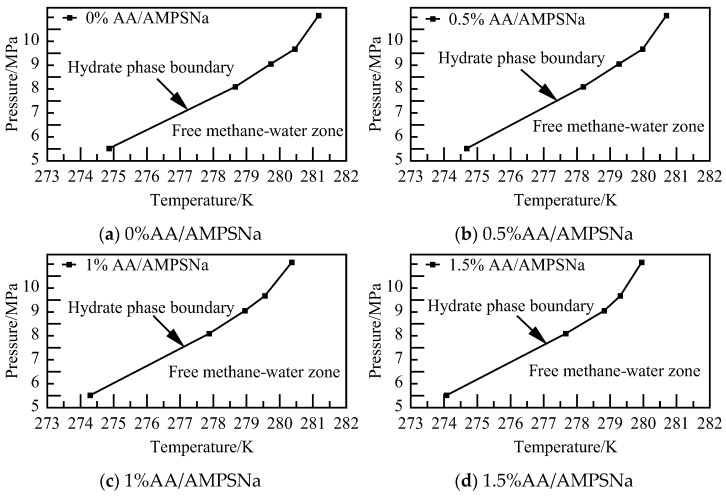 Figure 26
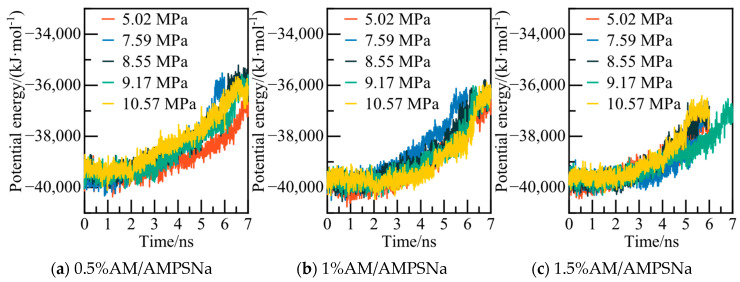 Figure 27
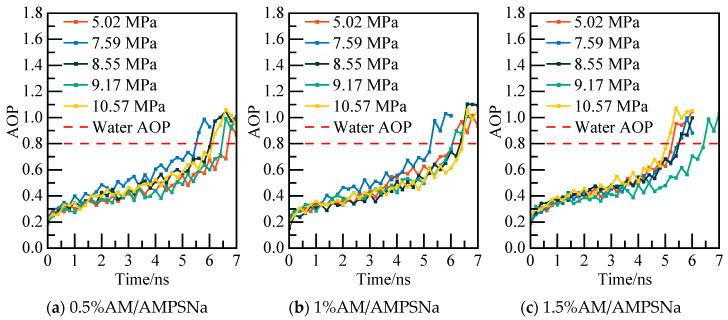 Figure 28
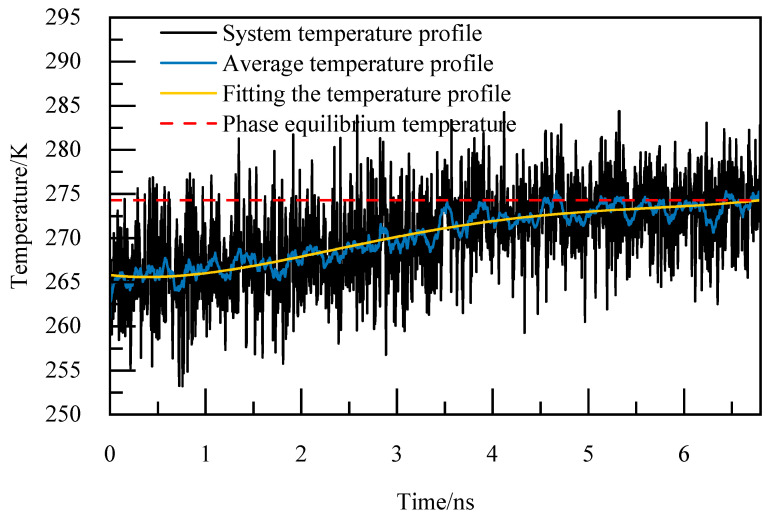 Figure 29
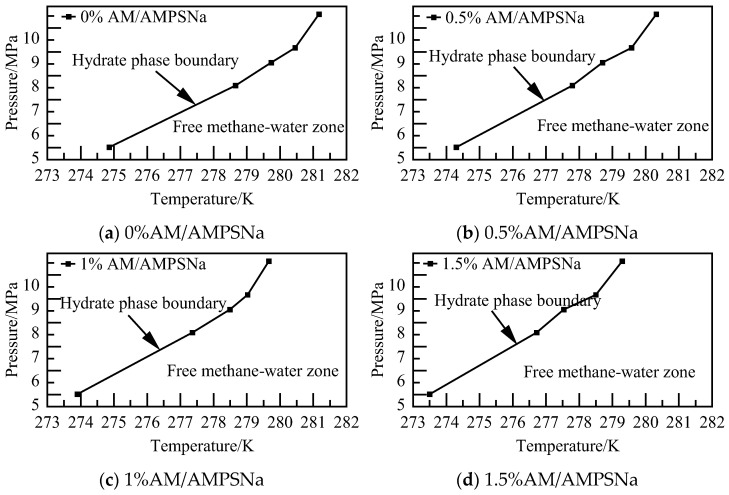 Figure 30
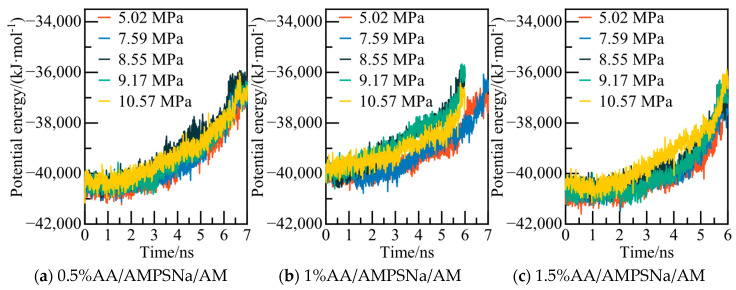 Figure 31
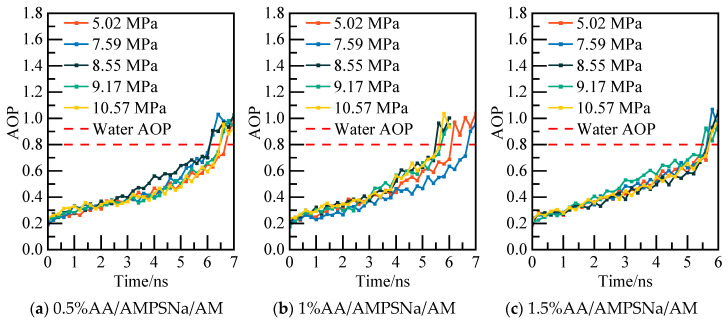 Figure 32
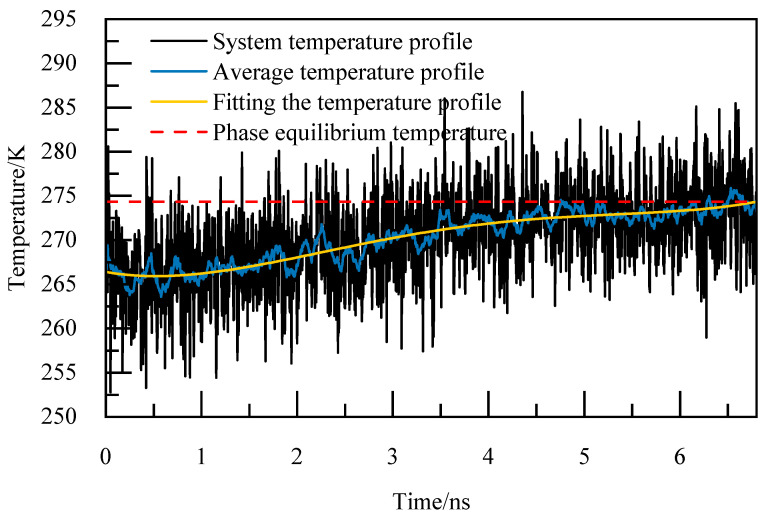 Figure 33
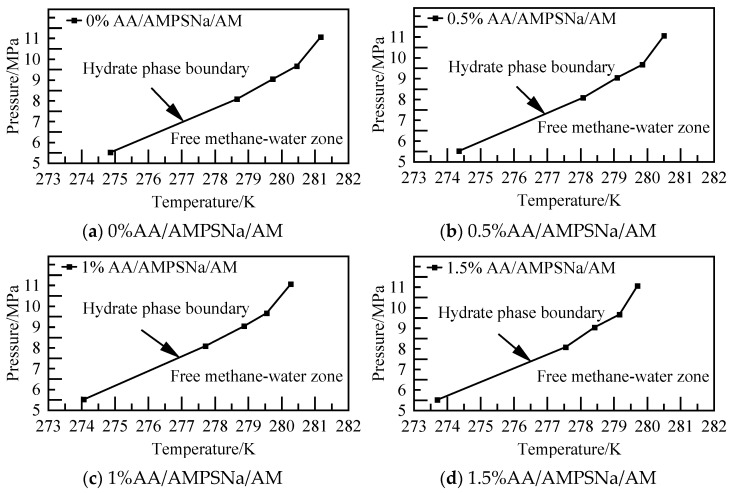 Figure 34
Peer Reviews
No public reviews on file for this paper yet. If you reviewed it on a platform where reviews are public (OpenReview, ICLR, NeurIPS, ICML), you can paste yours below so the community can read it here.
Videos
No videos yet. Explain this paper in a talk, walkthrough, or lecture? Add one.
Taxonomy
TopicsDrilling and Well Engineering · Methane Hydrates and Related Phenomena · Hydraulic Fracturing and Reservoir Analysis