Assessing Genetic Structure and Diversity Using Multiple Molecular Markers to Guide Conservation Management of Saussurea involucrata in the Eastern Tianshan Mountains
Jiayi Lu, Kelimunur Maimaiti, Jingdian Liu, Daoyuan Zhang, Dunyan Tan, Jiancheng Wang, Wei Shi

TL;DR
This study uses genetic markers to assess the diversity and structure of Saussurea involucrata in the Tianshan Mountains, revealing distinct populations in the East that need special conservation.
Contribution
The study identifies unique genetic markers and proposes the Eastern Tianshan populations as a separate conservation unit.
Findings
Eastern Tianshan populations show higher genetic diversity (mean He = 0.5568) compared to Western populations.
Eastern populations have private haplotypes (cpDNA H1 and nrDNA H7) and form a distinct genetic group.
Eastern populations show no recent genetic bottleneck, indicating historical stability and adaptation to arid environments.
Abstract
Saussurea involucrata is a rare perennial herb endemic to the alpine zone of the Tianshan Mountains, possessing significant medicinal value yet facing severe threats from overharvesting and habitat fragmentation. The core distribution area and recognized genetic differentiation center of this species are located in the Bayinbuluke region of the Western Tianshan Mountains. In contrast, the genetic distinctiveness and conservation status of populations in the Eastern Tianshan Mountains have remained unclear. To clarify the genetic relationships, we conducted an integrated analysis using nuclear microsatellite (SSR) markers as well as chloroplast (cpDNA) and nuclear ribosomal DNA (nrDNA) sequences on 16 populations (5 from the Eastern Tianshan Mountains and 11 from the Bayinbuluke region). The results showed that the Eastern Tianshan Mountains populations exhibited higher genetic diversity…
Genes, proteins, chemicals, diseases, species, mutations and cell lines named across the full text — each resolved to its canonical identifier and authoritative record.
Click any figure to enlarge with its caption.
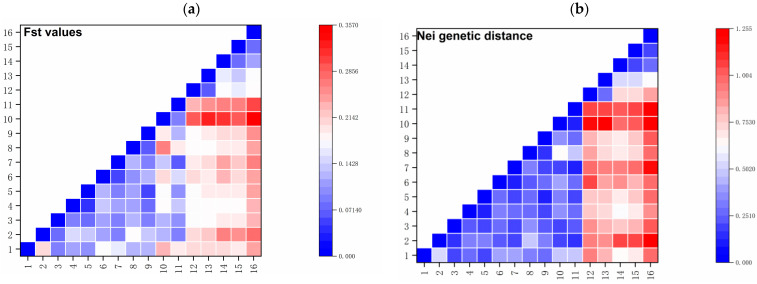 Figure 1
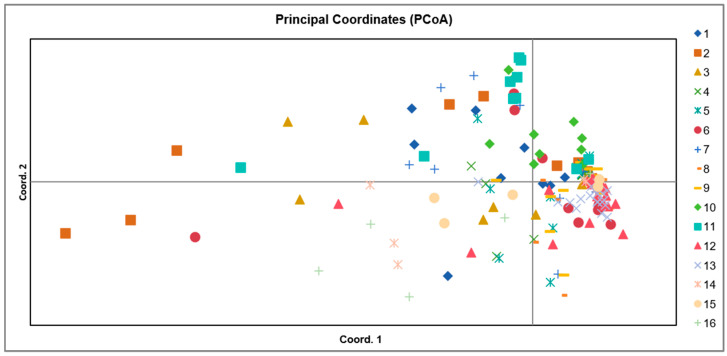 Figure 2
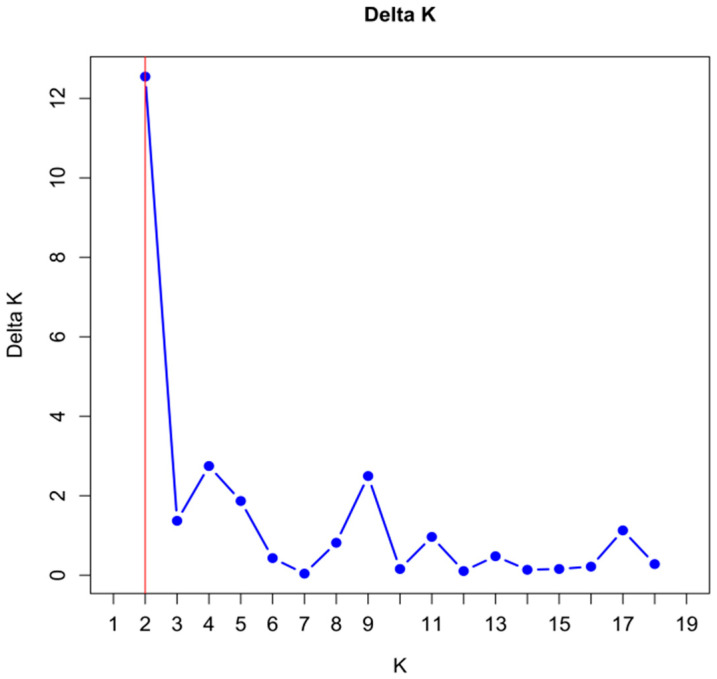 Figure 3
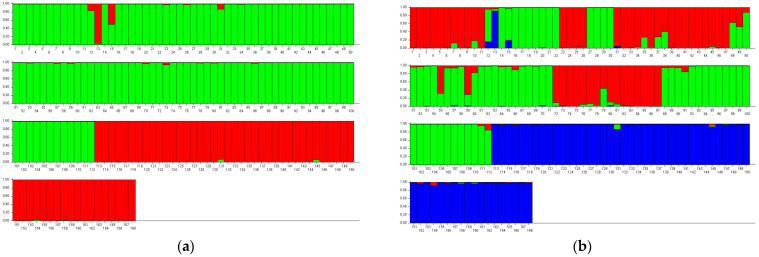 Figure 4
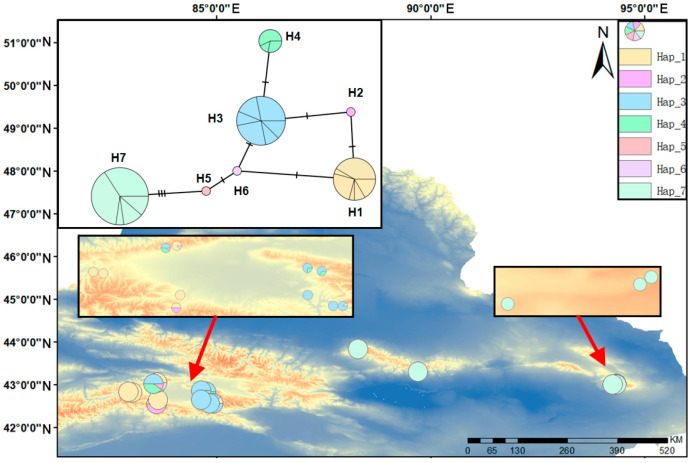 Figure 5
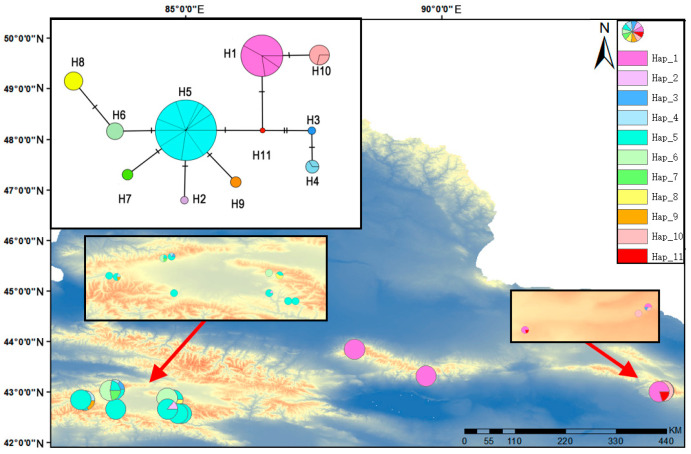 Figure 6
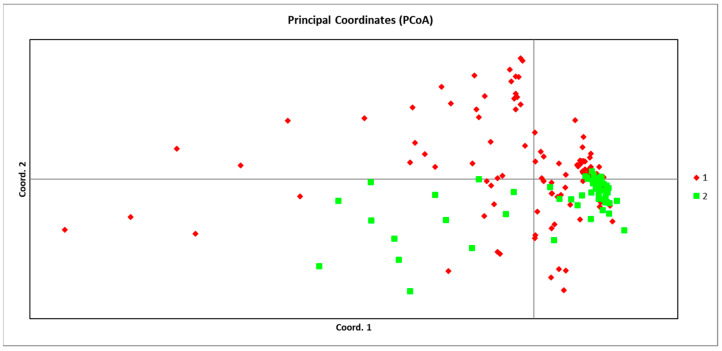 Figure 7
 Figure 8
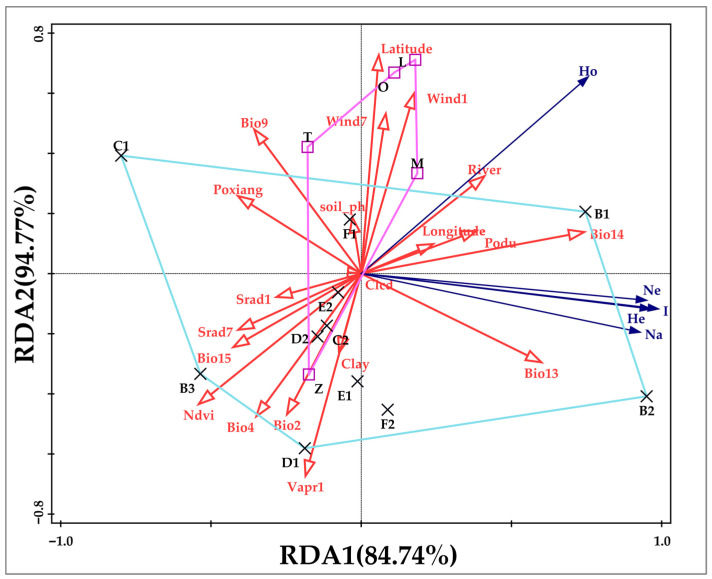 Figure 9
Peer Reviews
No public reviews on file for this paper yet. If you reviewed it on a platform where reviews are public (OpenReview, ICLR, NeurIPS, ICML), you can paste yours below so the community can read it here.
Videos
No videos yet. Explain this paper in a talk, walkthrough, or lecture? Add one.
Taxonomy
TopicsGenetic diversity and population structure · Genomics and Phylogenetic Studies · Forensic and Genetic Research