A readily accessible CH anion transfer reagent for the preparation of a molybdenum methylidyne complex
Rajesh Mukkera, Nghia Le, Chandler I. Woo, Charles Edwin Webster, Sidney E. Creutz

TL;DR
Scientists created a new and efficient reagent to produce a molybdenum methylidyne complex using a CH anion, with a faster and clearer reaction pathway than previous methods.
Contribution
A new, readily accessible CH anion transfer reagent and a faster pathway for forming a molybdenum methylidyne complex are introduced.
Findings
The new reagent delivers a CH anion to form a molybdenum methylidyne complex rapidly and quantitatively.
The reaction proceeds via a stepwise pathway involving a radical intermediate, as shown by experimental and computational studies.
The bond cleavage rate is over six orders of magnitude faster than the previous method using a metal cyclopropyl complex.
Abstract
A route to a readily accessible source of an anionic methylidyne group (CH−) was developed via lithium–halogen exchange of 11-iodo-9,10-dihydro-9,10-methanoanthracene (MA-I). Upon reaction of this alkyllithium precursor with the complex (TMS-TREN)MoCl as a test platform, the methylidyne complex (TMS-TREN)Mo <svg xmlns="http://www.w3.org/2000/svg" version="1.0" width="23.636364pt" height="16.000000pt" viewBox="0 0 23.636364 16.000000" preserveAspectRatio="xMidYMid meet"><metadata> Created by potrace 1.16, written by Peter Selinger 2001-2019 </metadata><g transform="translate(1.000000,15.000000) scale(0.015909,-0.015909)" fill="currentColor" stroke="none"><path d="M80 600 l0 -40 600 0 600 0 0 40 0 40 -600 0 -600 0 0 -40z M80 440 l0 -40 600 0 600 0 0 40 0 40 -600 0 -600 0 0 -40z M80 280 l0 -40 600 0 600 0 0 40 0 40 -600 0 -600 0 0 -40z"/></g></svg> CH is quantitatively and rapidly…
Genes, proteins, chemicals, diseases, species, mutations and cell lines named across the full text — each resolved to its canonical identifier and authoritative record.
Click any figure to enlarge with its caption.
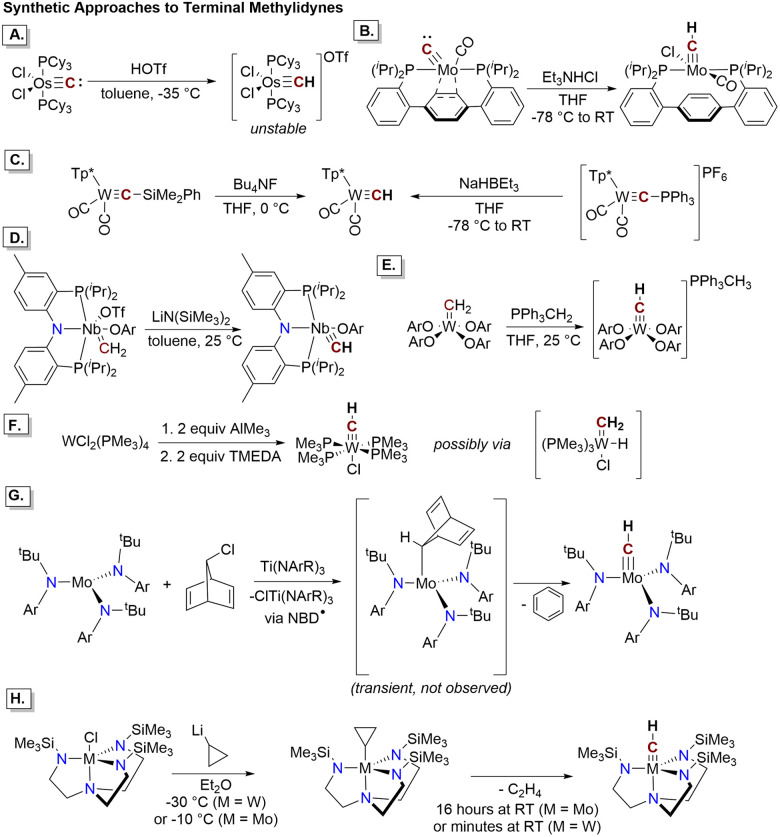 Figure 1
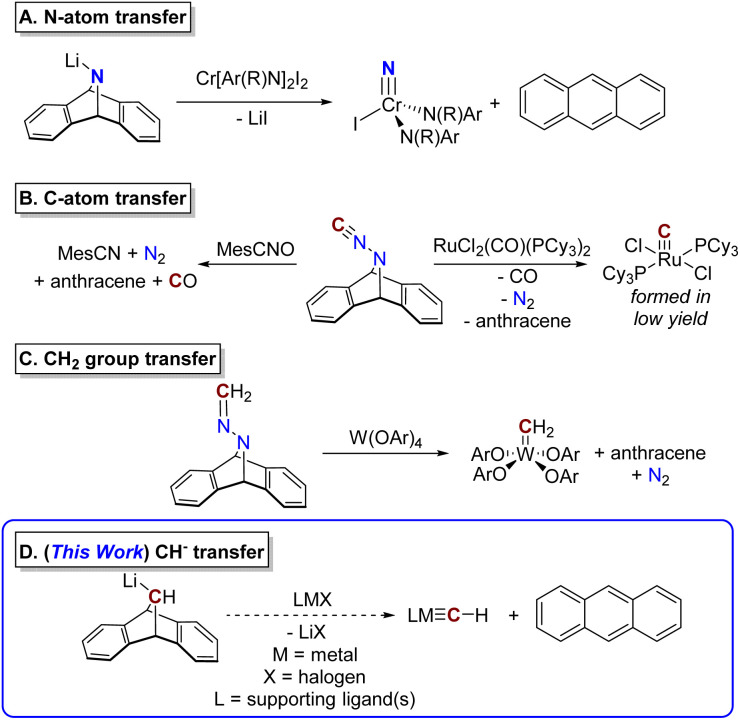 Figure 2
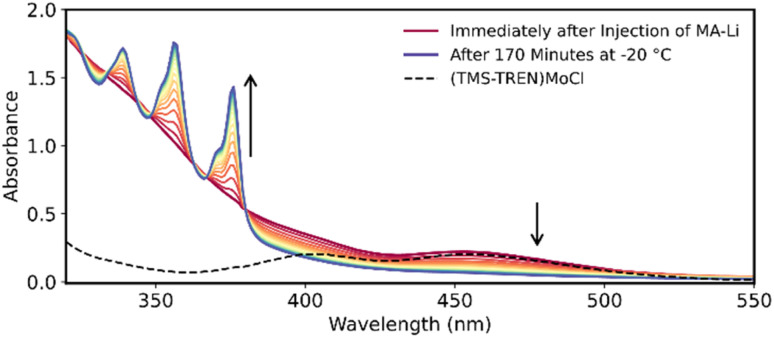 Figure 3
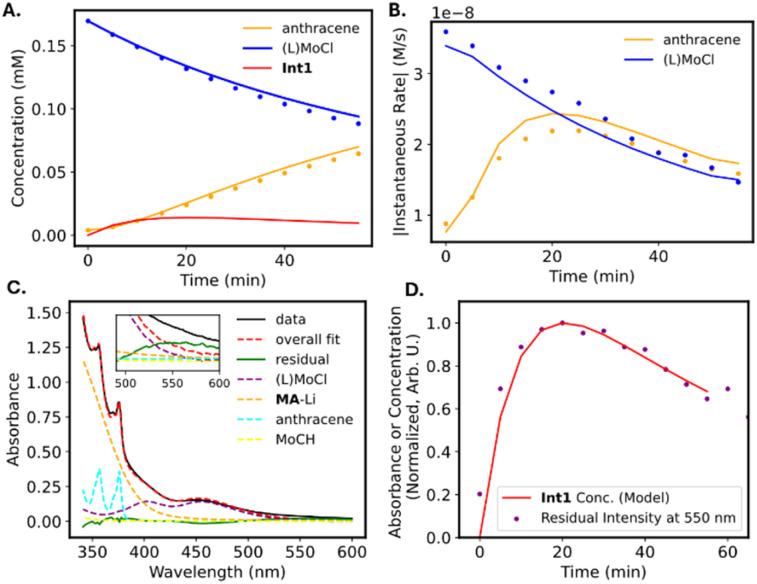 Figure 4
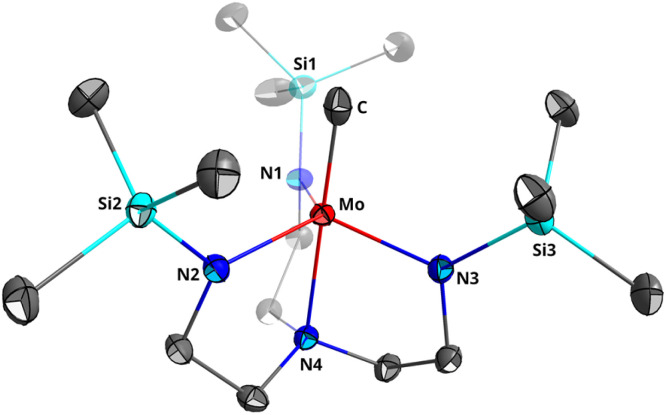 Figure 5
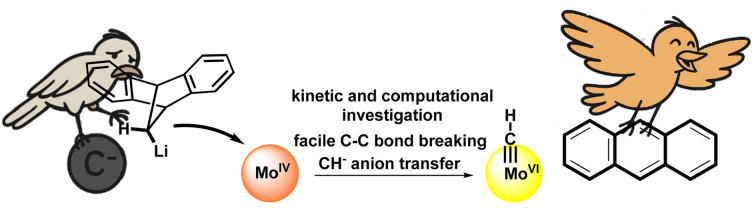 Figure 6
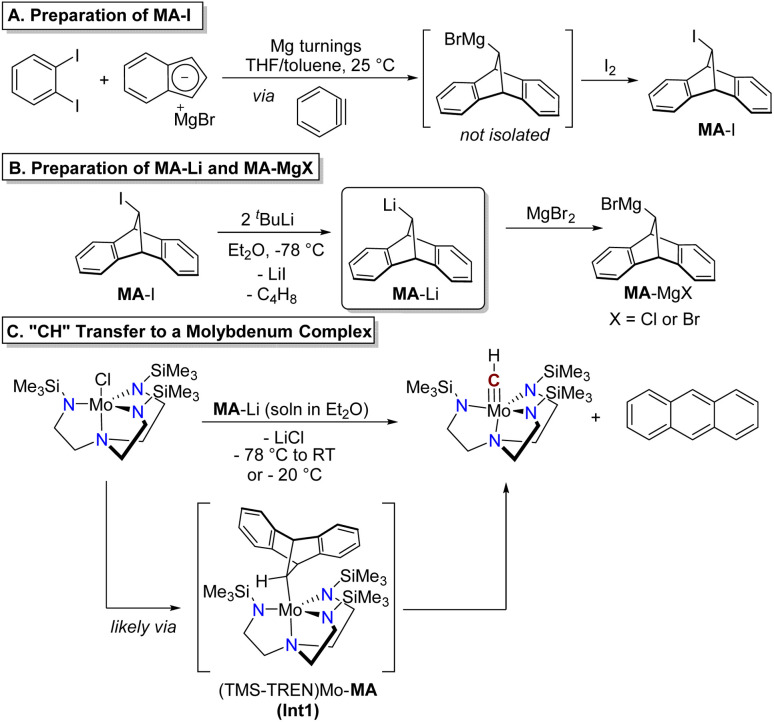 Figure 7
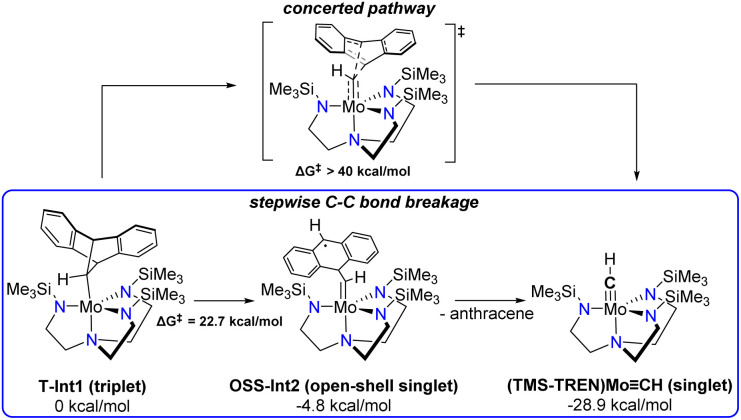 Figure 8
 Figure 9
 Figure 10
Peer Reviews
No public reviews on file for this paper yet. If you reviewed it on a platform where reviews are public (OpenReview, ICLR, NeurIPS, ICML), you can paste yours below so the community can read it here.
Videos
No videos yet. Explain this paper in a talk, walkthrough, or lecture? Add one.
Taxonomy
TopicsCoordination Chemistry and Organometallics · Organometallic Complex Synthesis and Catalysis · Catalytic Alkyne Reactions