Etrasimod Treatment Modulates Circulating and Lymph Node-Derived Lymphocytes in Crohn’s Disease
Dimitrios Nikolakis, Maarten J. Pruijt, Jan Verhoeff, Floris A. E. de Voogd, Christoph Teichert, Rathi D. Ryan, Diogo Branquinho, Catherine Crosby, Marleen G. H. van de Sande, Joep Grootjans, Geert R. D’Haens

TL;DR
Etrasimod, a drug for Crohn’s disease, changes T-cell populations in lymph nodes and blood, suggesting it reduces inflammation mainly through T-cells.
Contribution
The study reveals etrasimod’s effect on lymph node and blood T-cell subsets in Crohn’s disease patients.
Findings
Etrasimod increases naïve and memory CD4+ and CD8+ T-cells in lymph nodes while decreasing them in blood.
B-cell populations decrease in blood but remain stable in lymph nodes.
Innate immune cells are largely unaffected by etrasimod treatment.
Abstract
Etrasimod is an oral selective sphingosine-1 phosphate receptor modulator, and its anti-inflammatory mechanism of action in inflammatory bowel diseases is not completely understood. It targets pro-inflammatory immune cells expressing sphingosine-1-phosphate receptors during their migration from the lymphatic system to the circulation and intestinal mucosa. Reductions in certain lymphocyte subsets in the peripheral blood have been reported, but its effects in lymph nodes remain unknown. This study investigated changes in leukocyte subpopulations in peripheral lymph nodes and blood in Crohn’s disease patients treated with etrasimod. Moderate-to-severe Crohn’s disease patients participated in this randomized, double-blind study, within the phase 2 CULTIVATE clinical trial. At baseline and after 14 weeks of etrasimod treatment, peripheral blood and inguinal lymph node biopsies were…
Genes, proteins, chemicals, diseases, species, mutations and cell lines named across the full text — each resolved to its canonical identifier and authoritative record.
Click any figure to enlarge with its caption.
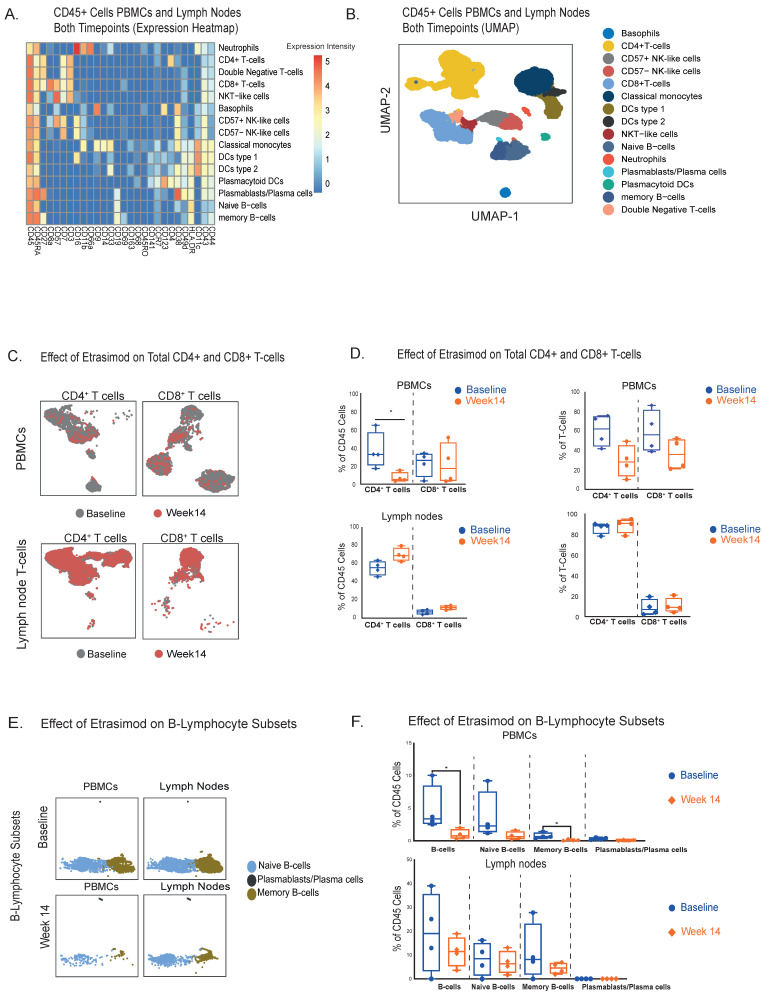 Figure 1
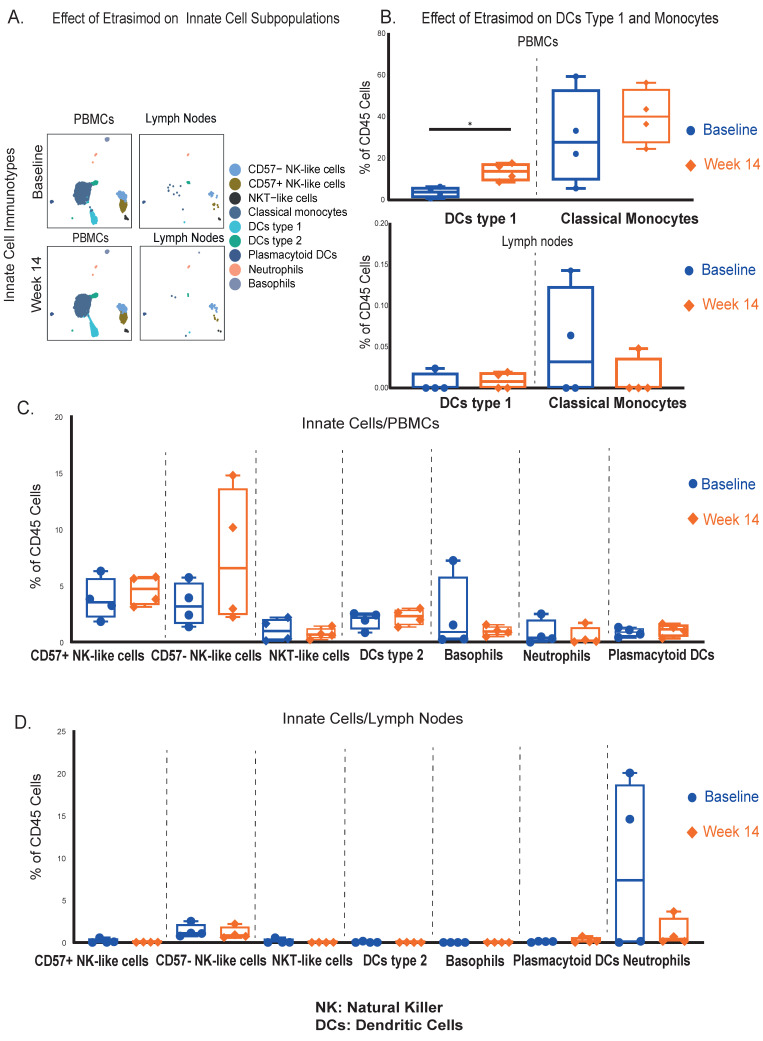 Figure 2
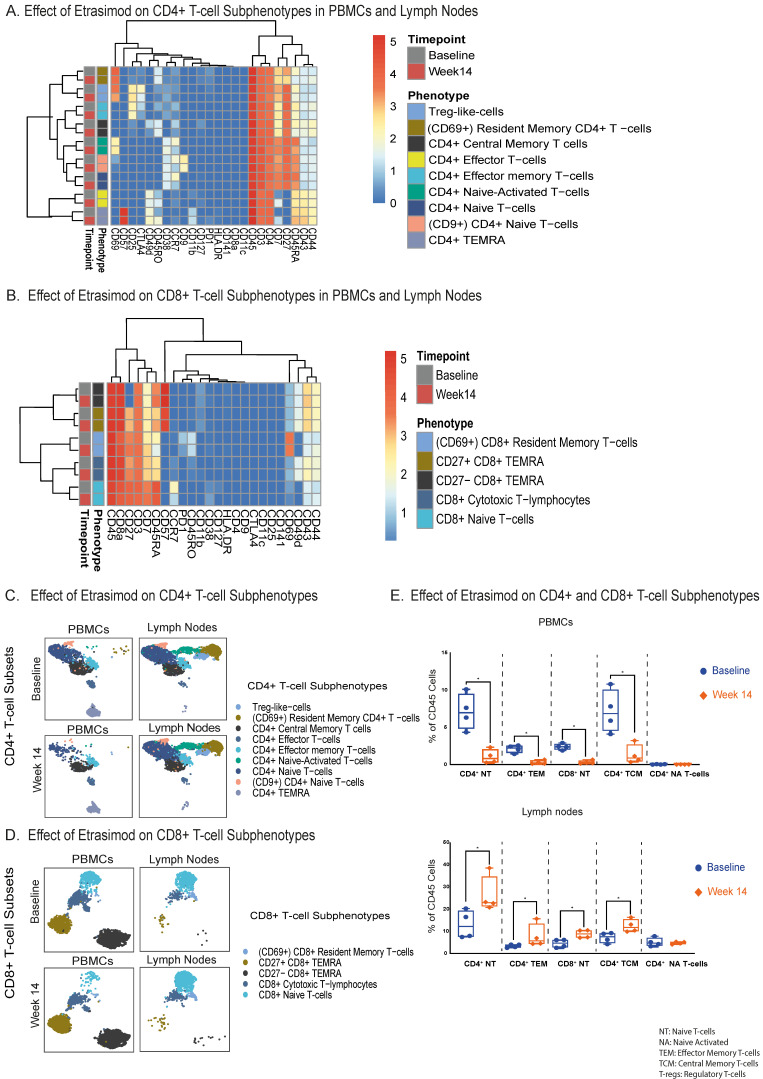 Figure 3
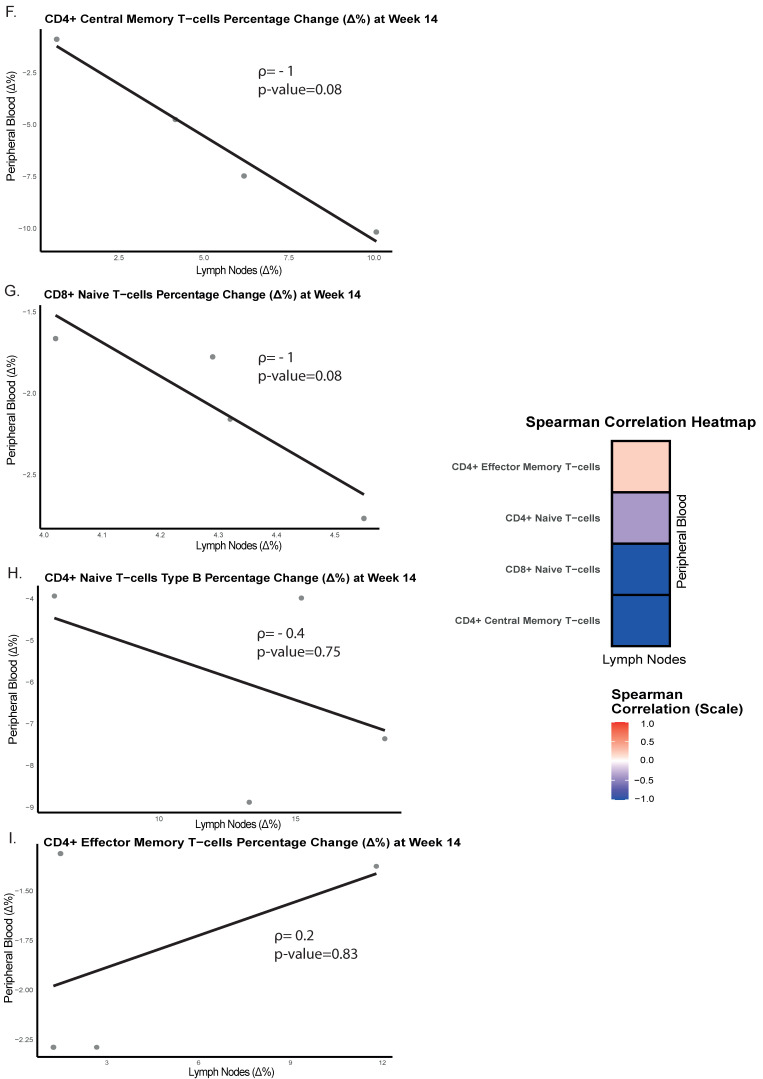 Figure 4
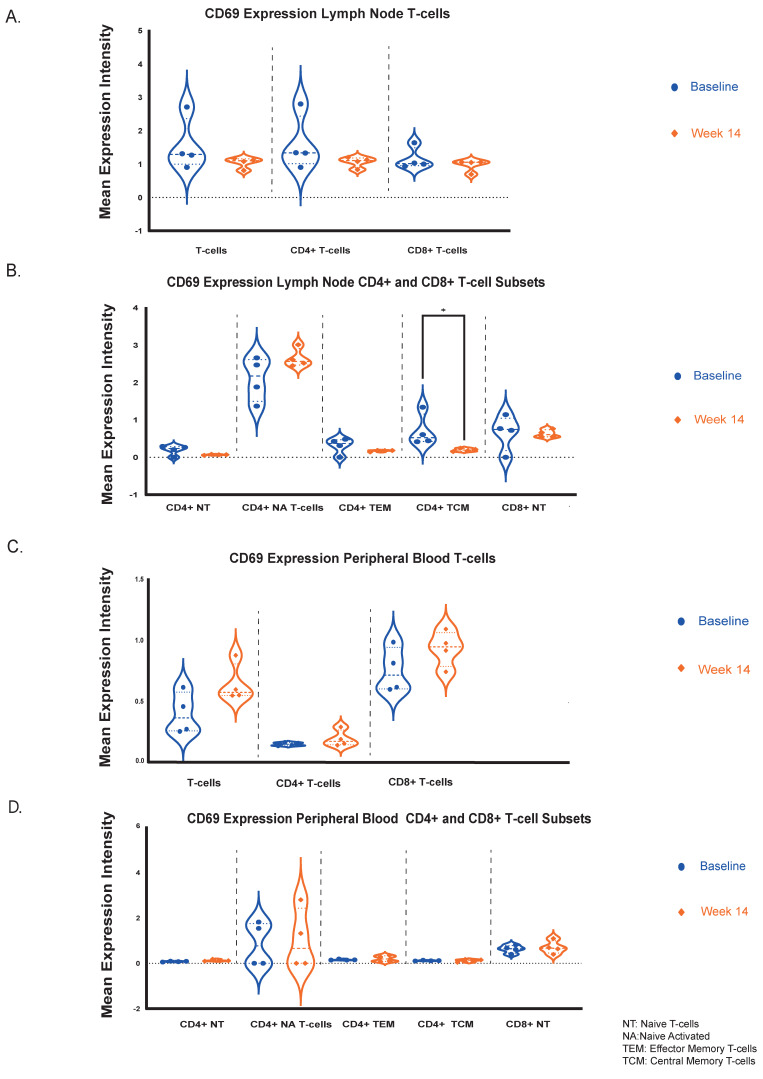 Figure 5
Peer Reviews
No public reviews on file for this paper yet. If you reviewed it on a platform where reviews are public (OpenReview, ICLR, NeurIPS, ICML), you can paste yours below so the community can read it here.
Videos
No videos yet. Explain this paper in a talk, walkthrough, or lecture? Add one.
Taxonomy
TopicsInflammatory Bowel Disease · Sphingolipid Metabolism and Signaling · Psoriasis: Treatment and Pathogenesis