Atomic-Scale Engineering of Ge–Sb–Te Compounds: Ge Vacancies in Bulk GeSb4Te7 and Layer Sliding in GeSb2Te4 Monolayers
Ruslan M. Meftakhutdinov, Renat T. Sibatov, Vyacheslav V. Svetukhin

TL;DR
This paper explores how atomic-scale defects and structures in Ge–Sb–Te compounds affect their electronic and optical properties, important for memory and photonics applications.
Contribution
The study reveals how Ge vacancies and layer sliding in GeSb4Te7 and GeSb2Te4 influence electronic and optical properties through density functional theory calculations.
Findings
Ge vacancies in GeSb4Te7 reduce p-type degeneracy and widen the band gap from 0.47 to 0.67 eV.
Layer sliding in GeSb2Te4 monolayers causes a semiconductor-to-metal transition and changes in optical absorption.
Asymmetric energy barriers in monolayers suggest favorable reversible switching via structural distortions.
Abstract
Phase-change materials of the Ge–Sb–Te (GST) system are promising for non-volatile memory and programmable photonics owing to their reversible amorphous–crystalline transitions. Among these materials, GeSb4Te7 stands out for its optimal balance of thermal stability, switching speed, and energy efficiency. The properties of GST materials are critically dependent on structural defects, particularly germanium vacancies that occur during synthesis and operation. Using density functional theory, we demonstrate that Ge vacancies and Ge–Sb intermixing significantly influence the electronic and optical properties of GeSb4Te7. Positive binding energies reveal vacancy clustering tendencies, which systematically reduce p-type degeneracy and widen the band gap (from 0.47 to 0.67 eV at a 2.7% vacancy concentration). Consequently, the metallic optical response in the visible range diminishes, as…
Genes, proteins, chemicals, diseases, species, mutations and cell lines named across the full text — each resolved to its canonical identifier and authoritative record.
Click any figure to enlarge with its caption.
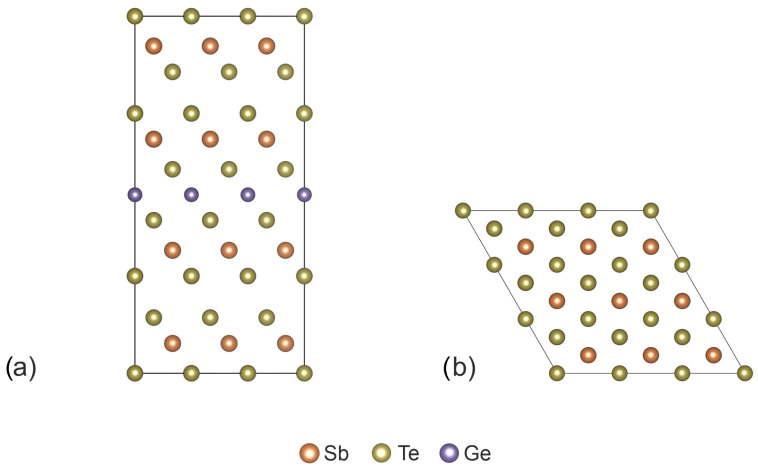 Figure 1
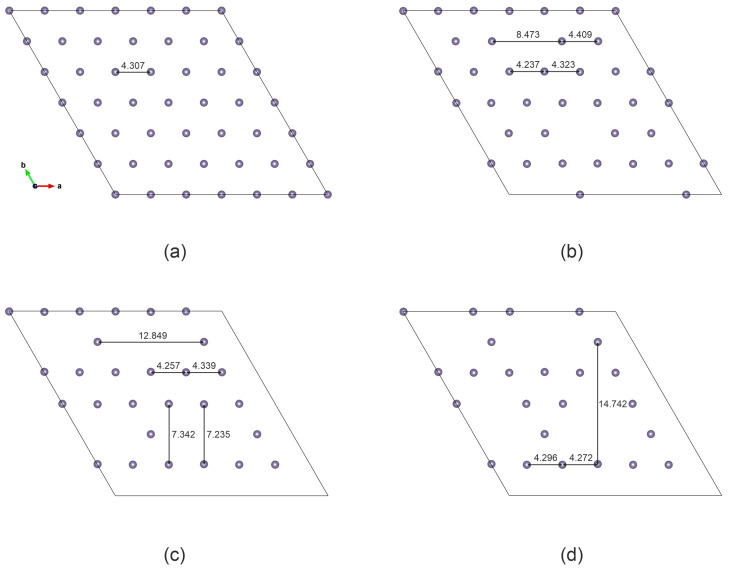 Figure 2
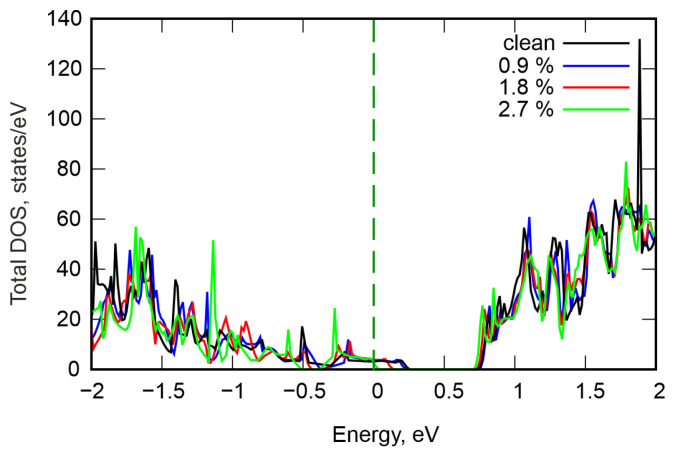 Figure 3
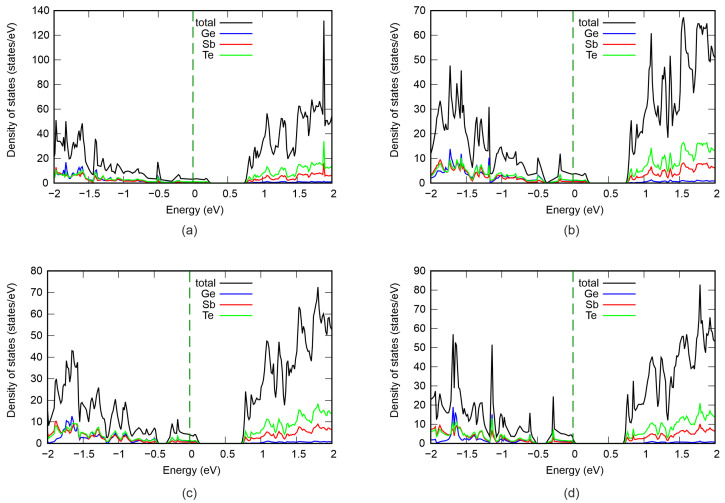 Figure 4
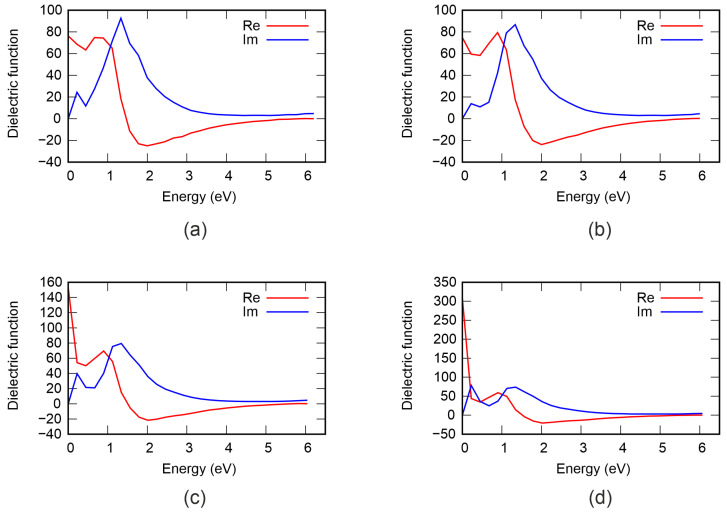 Figure 5
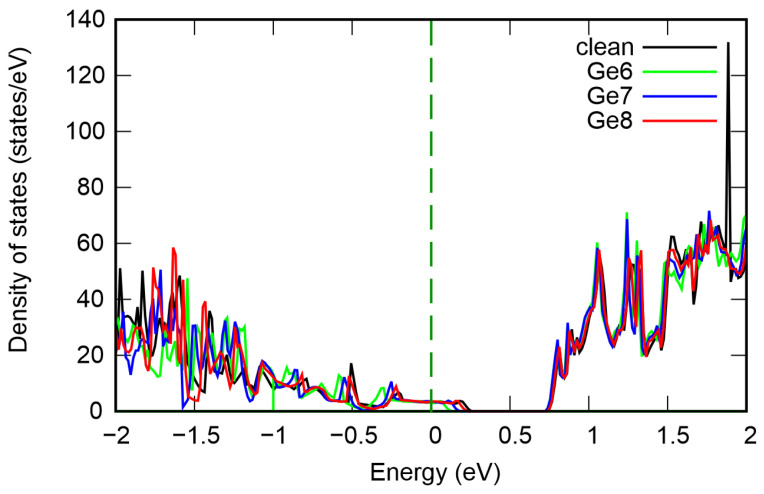 Figure 6
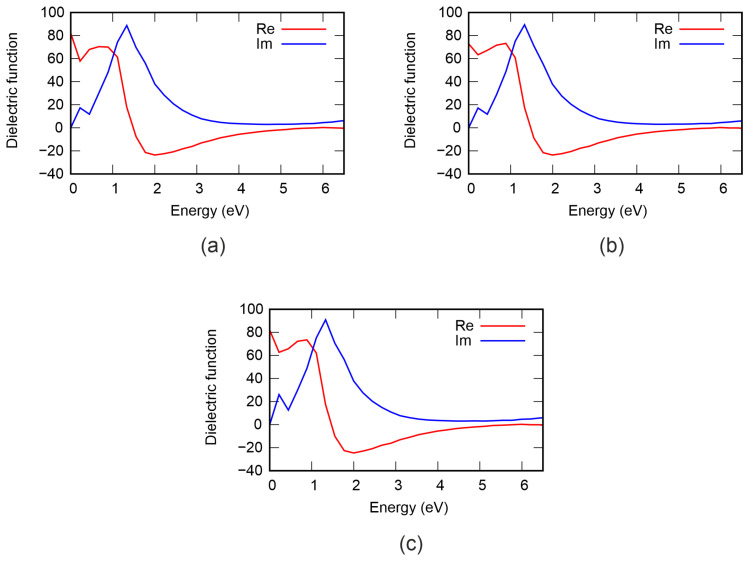 Figure 7
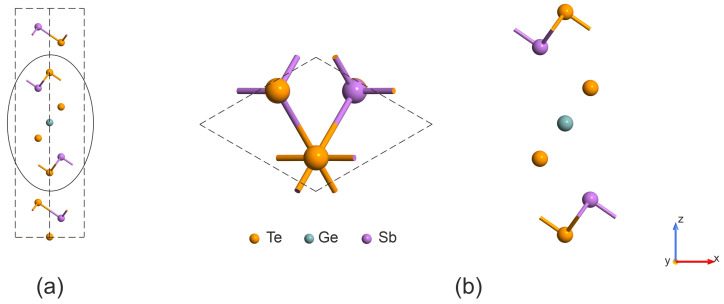 Figure 8
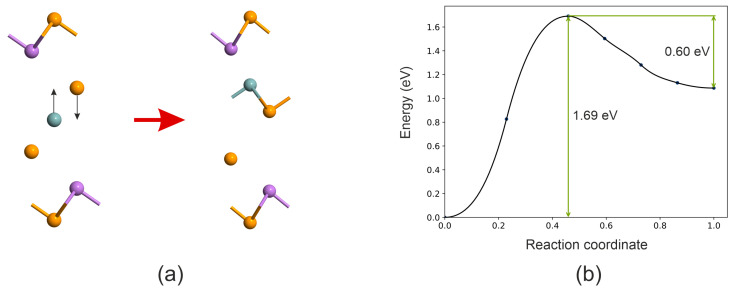 Figure 9
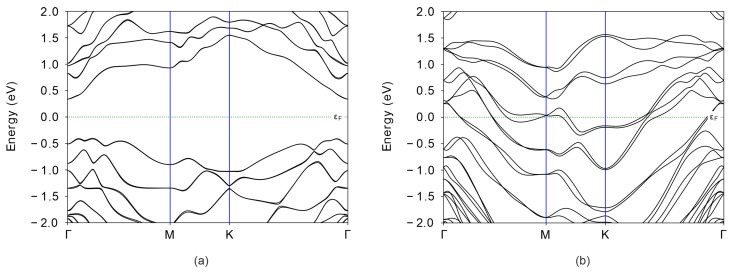 Figure 10
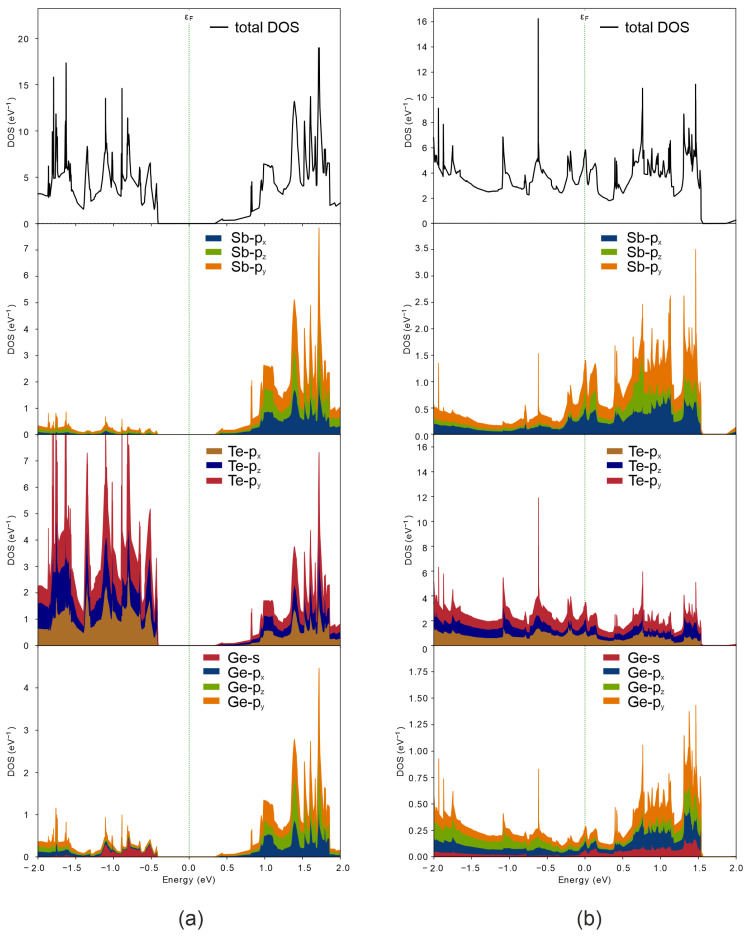 Figure 11
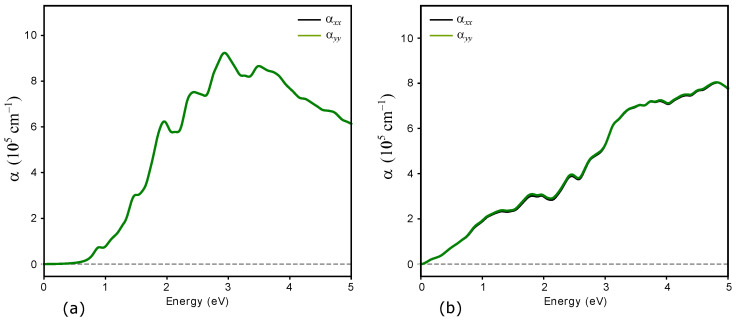 Figure 12
Peer Reviews
No public reviews on file for this paper yet. If you reviewed it on a platform where reviews are public (OpenReview, ICLR, NeurIPS, ICML), you can paste yours below so the community can read it here.
Videos
No videos yet. Explain this paper in a talk, walkthrough, or lecture? Add one.
Taxonomy
TopicsPhase-change materials and chalcogenides · 2D Materials and Applications · Nonlinear Optical Materials Studies