Optimization and Performance Evaluation of Multi-Component Binder-Based Mortars Using Particle Packing Techniques
Vanga Renuka, Sarella Venkateswara Rao, Tezeswi Tadepalli, Katarzyna Kalinowska-Wichrowska, Krzysztof Granatyr, Marta Kosior-Kazberuk, Małgorzata Franus, Adam Masłoń

TL;DR
This study shows how optimizing the mix of cement and fine aggregates can improve mortar strength and reduce emissions.
Contribution
An integrated approach combining D-optimal design and particle packing techniques optimizes multi-component binder systems for performance and sustainability.
Findings
Optimized MCB and fine aggregate gradation improve packing density and pozzolanic activity.
MCB systems reduce energy consumption by 35–40% and CO2 emissions by 34–48%.
Maximum packing density is a reliable indicator for mechanical and durability properties.
Abstract
What are the main findings? The D-optimal mixture design (DOD) method is used to determine the optimal material proportions.Proportioning of fine aggregate using the MTM method achieves max. packing density and min. void ratio.MCB-based mortars are able to attain their maximum strengths after 90 days. The D-optimal mixture design (DOD) method is used to determine the optimal material proportions. Proportioning of fine aggregate using the MTM method achieves max. packing density and min. void ratio. MCB-based mortars are able to attain their maximum strengths after 90 days. What are the implications of the main findings? Maximum packing density is a reliable indicator for achieving mechanical and durability properties.Statistical mixture design and particle packing provide a systematic, optimized pathway.MCB systems substantially reduce energy consumption and CO2 emissions. Maximum…
Genes, proteins, chemicals, diseases, species, mutations and cell lines named across the full text — each resolved to its canonical identifier and authoritative record.
Click any figure to enlarge with its caption.
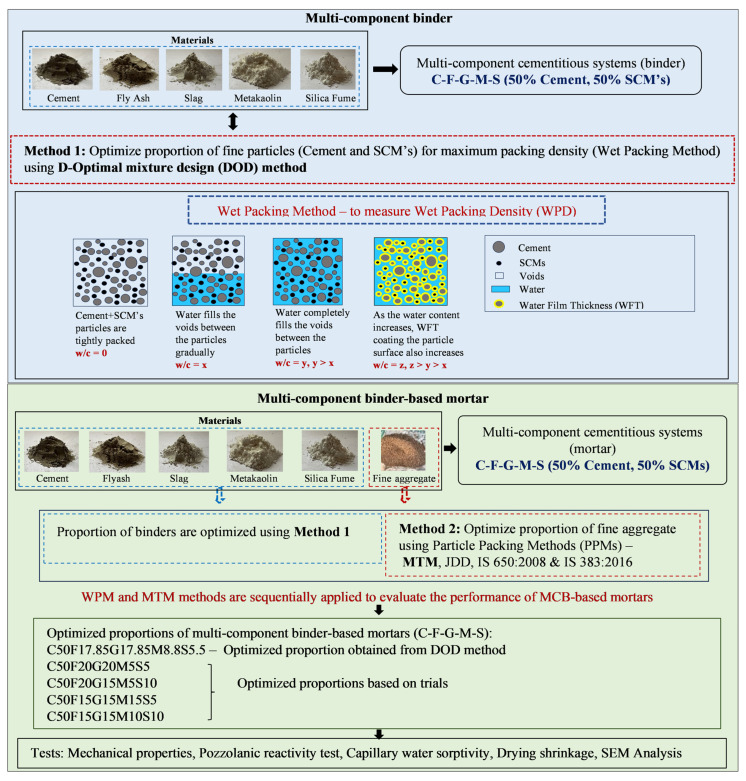 Figure 1
 Figure 2
 Figure 3
 Figure 4
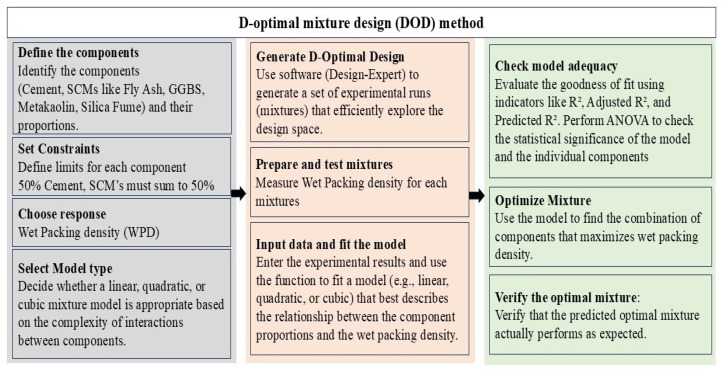 Figure 5
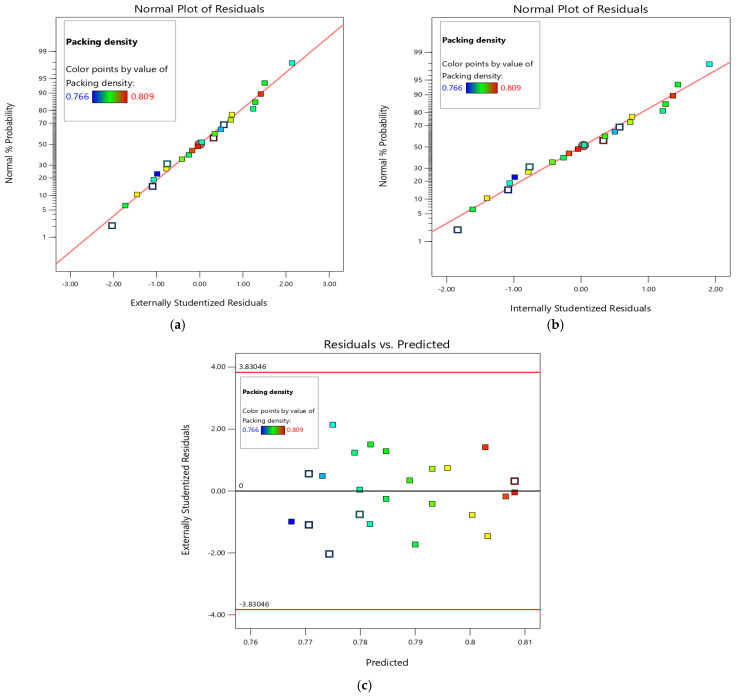 Figure 6
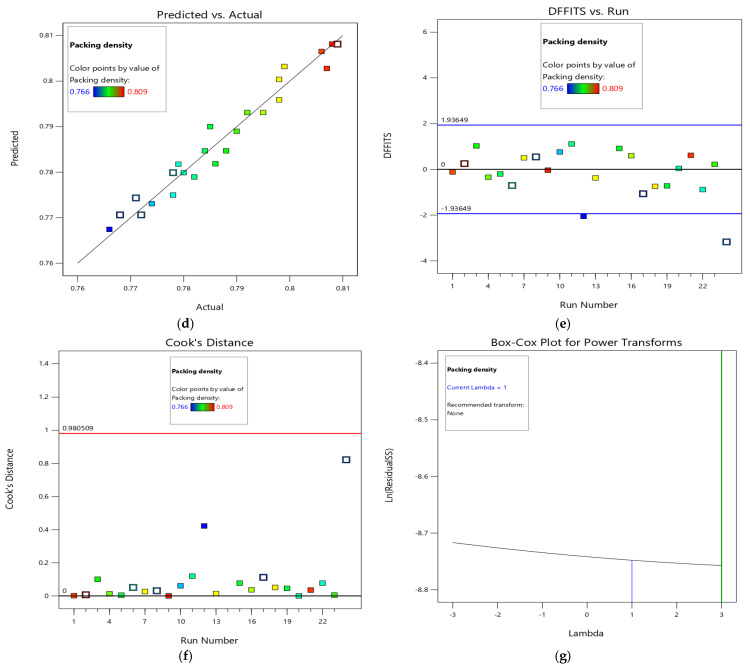 Figure 7
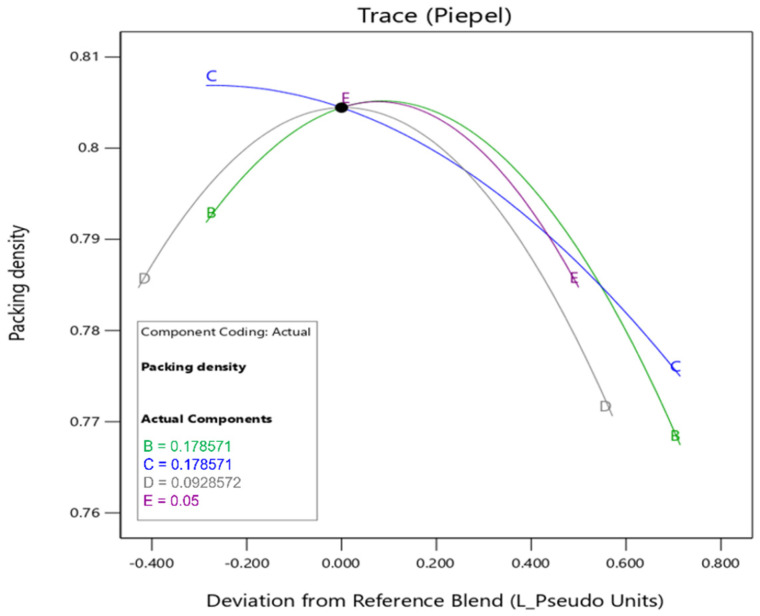 Figure 8
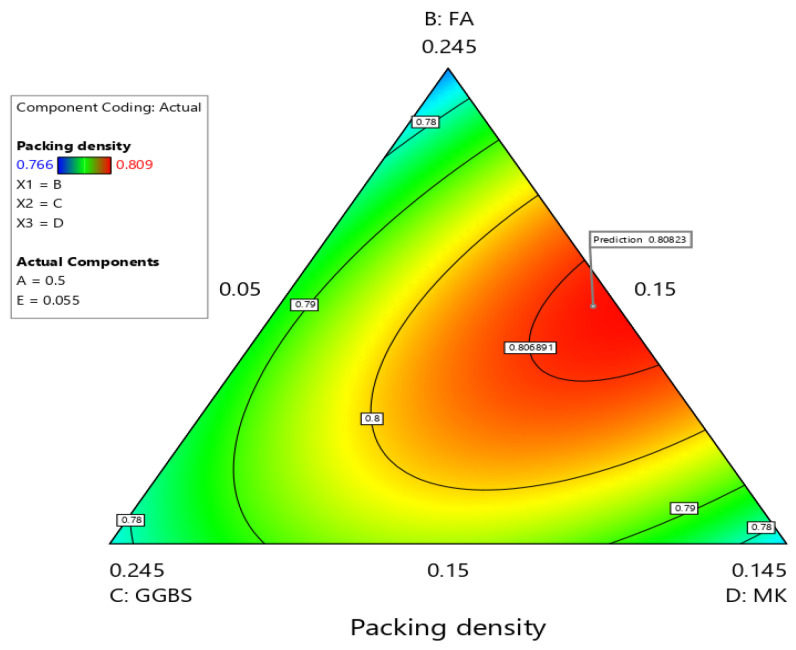 Figure 9
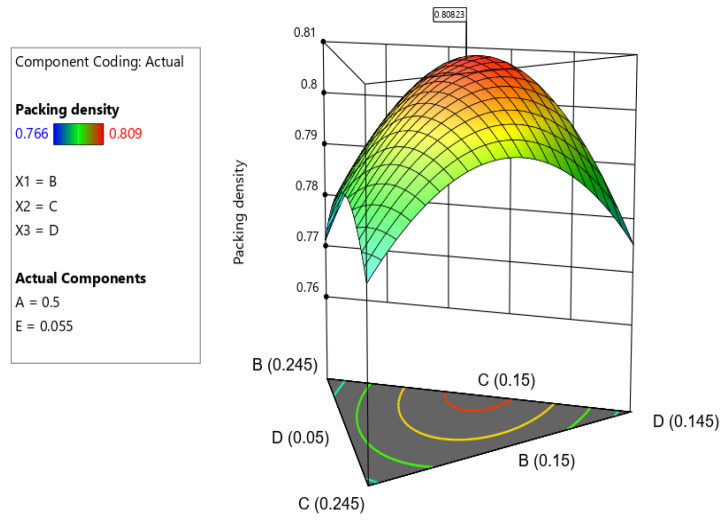 Figure 10
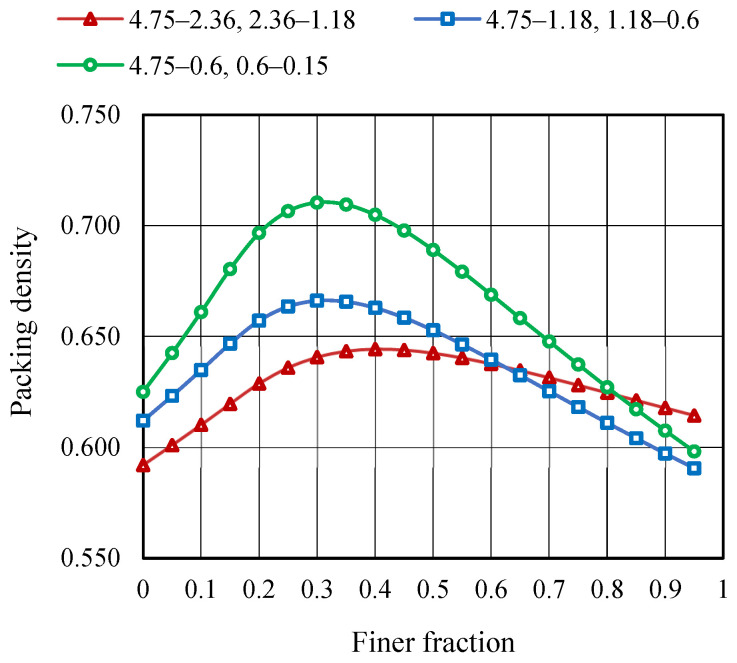 Figure 11
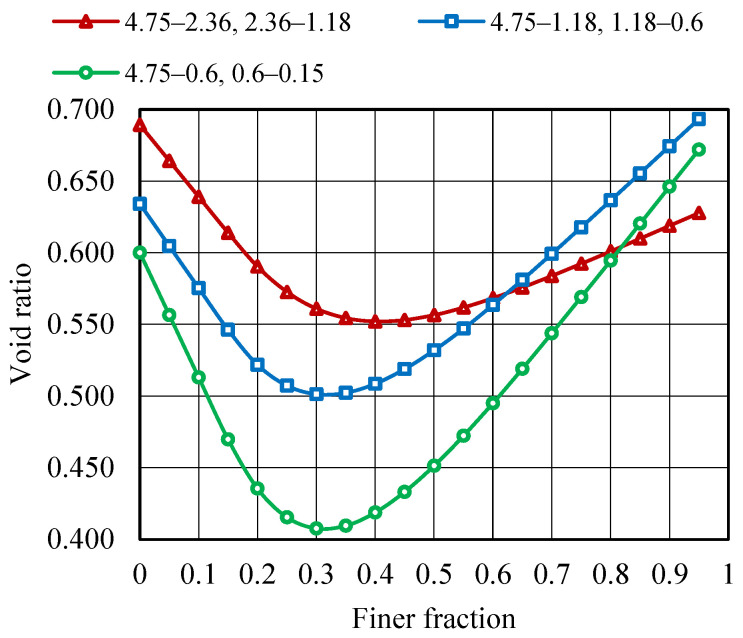 Figure 12
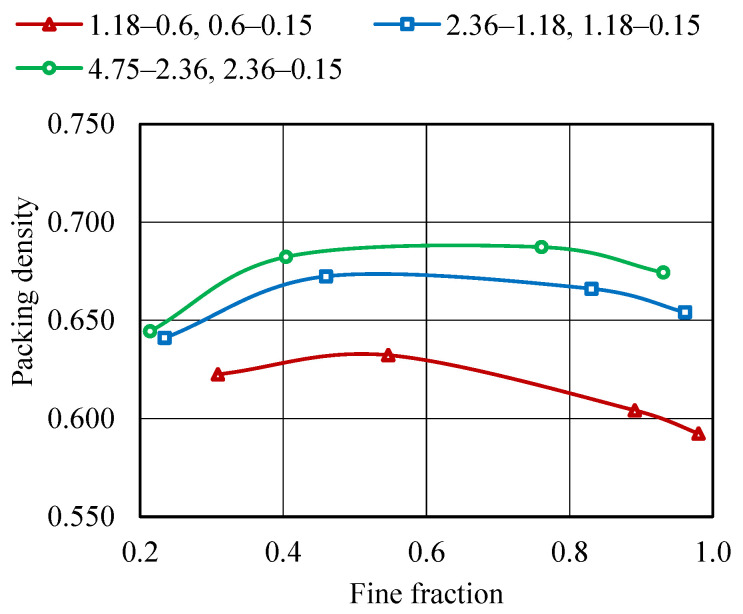 Figure 13
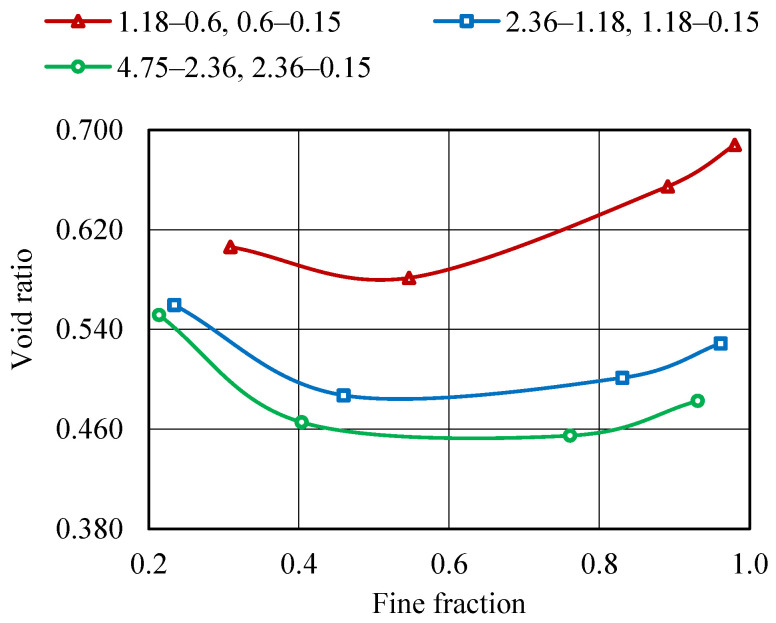 Figure 14
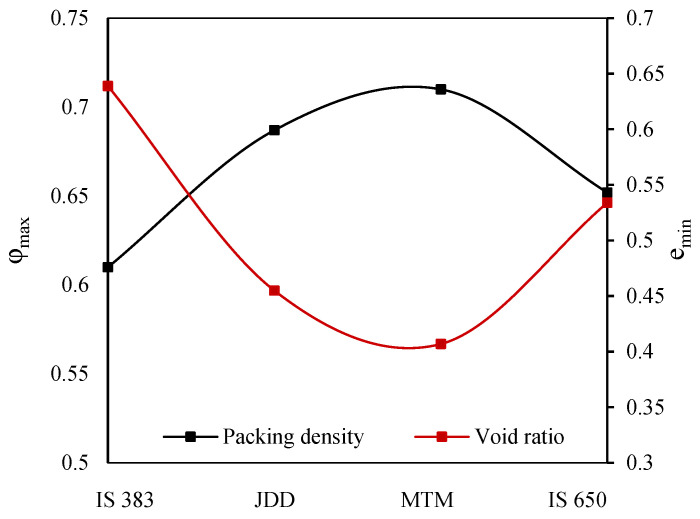 Figure 15
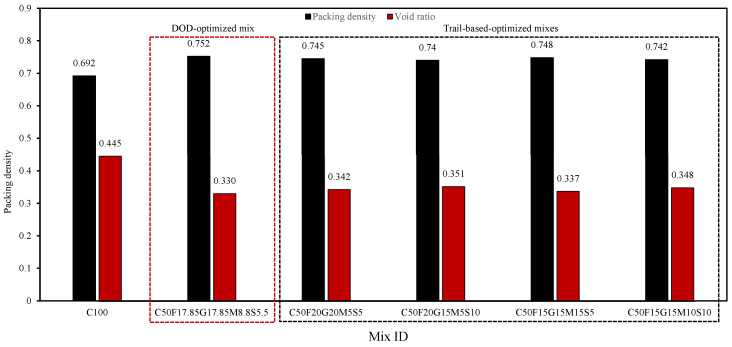 Figure 16
 Figure 17
 Figure 18
 Figure 19
 Figure 20
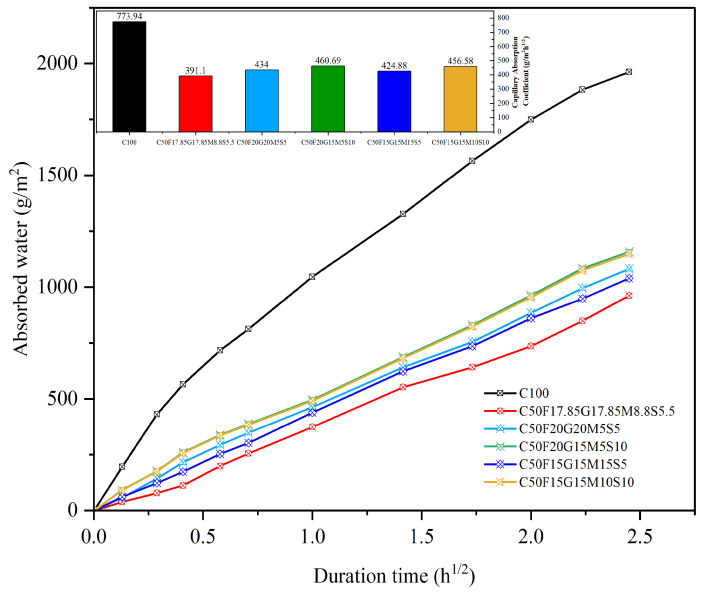 Figure 21
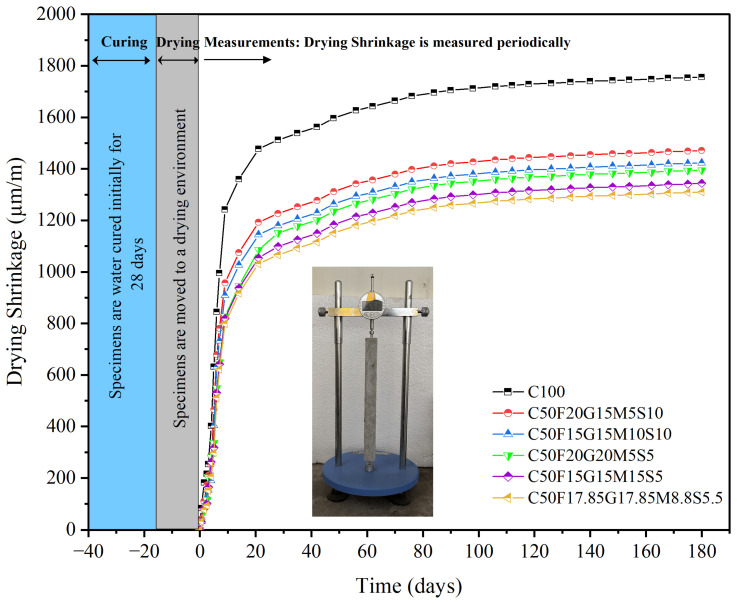 Figure 22
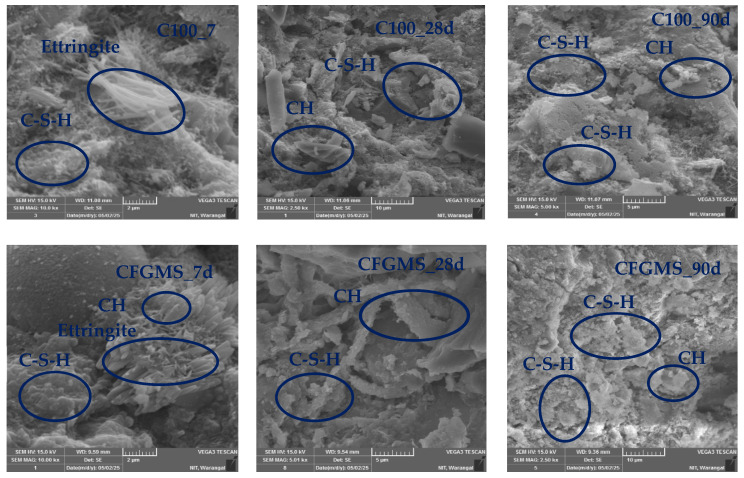 Figure 23
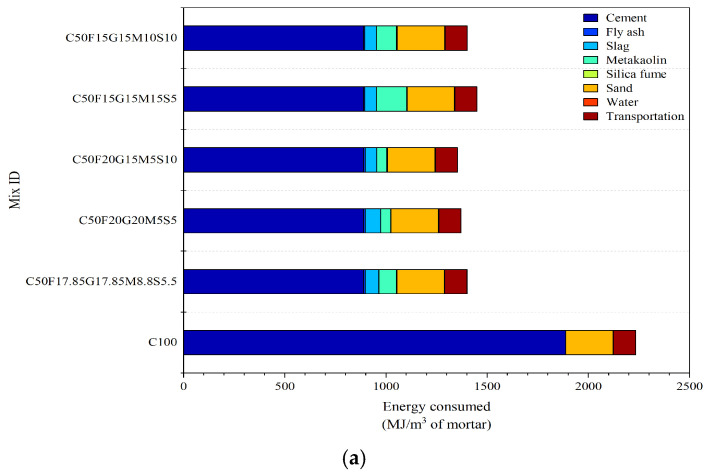 Figure 24
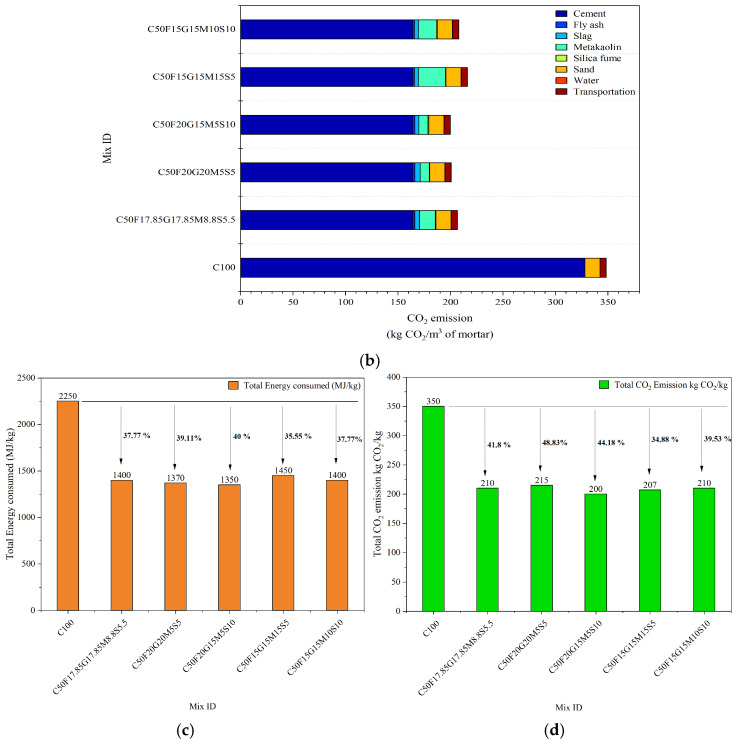 Figure 25
Peer Reviews
No public reviews on file for this paper yet. If you reviewed it on a platform where reviews are public (OpenReview, ICLR, NeurIPS, ICML), you can paste yours below so the community can read it here.
Videos
No videos yet. Explain this paper in a talk, walkthrough, or lecture? Add one.
Taxonomy
TopicsConcrete and Cement Materials Research · Innovative concrete reinforcement materials · Fire effects on concrete materials