GPS1 Exon 9 Mutations Represent a Rare Genetic Event in Penile Squamous Cell Carcinoma Pathogenesis
Lars Tögel, Felix Elsner, Olaf Wendler, Johannes Giedl, Nadine T. Gaisa, Georg Richter, Valentina Campean, Maximilian Burger, Bernd Wullich, Simone Bertz, Arndt Hartmann, Robert Stoehr

TL;DR
This study investigates GPS1 exon 9 mutations in penile squamous cell carcinoma, finding rare and non-recurrent alterations that suggest a limited role in cancer development.
Contribution
The study identifies two novel GPS1 exon 9 mutations in a PSCC cohort, challenging prior reports and suggesting these mutations are rare events.
Findings
GPS1 exon 9 mutations p.S372F and p.A375D were found in 1.9% of PSCC cases.
Previously reported GPS1 mutations p.D382H and p.M384I were not observed in the cohort.
The non-recurrent nature of GPS1 exon 9 mutations suggests they are not oncogenic drivers in PSCC.
Abstract
Penile squamous cell carcinoma (PSCC) is rare, but a biologically aggressive malignancy. Recent comprehensive genomic profiling (CPG) efforts revealed the underlying genomic landscape of PSCC, identifying TP53, TERT, CDKN2A, PIK3CA, NOTCH1, and FAT1 as frequently altered genes with potential roles in penile oncogenesis. In addition, recurrent mutations encoded in the GPS1 gene have been observed in 7.4% of cases in a particular PSCC cohort. Functional studies demonstrated loss of function due to GPS1 Exon 9 missense mutations, proposing a possible role for these alterations as oncogenic driver events in PSCC. However, no other study confirmed the occurrence of GPS1 gene mutations in PSCC. To elucidate the biological function of GPS1 exon 9 mutations in PSCC pathogenesis, we utilized a comprehensive in-house cohort of 106 PSCC cases to explore their frequency and occurrence. Albeit, the…
Genes, proteins, chemicals, diseases, species, mutations and cell lines named across the full text — each resolved to its canonical identifier and authoritative record.
Click any figure to enlarge with its caption.
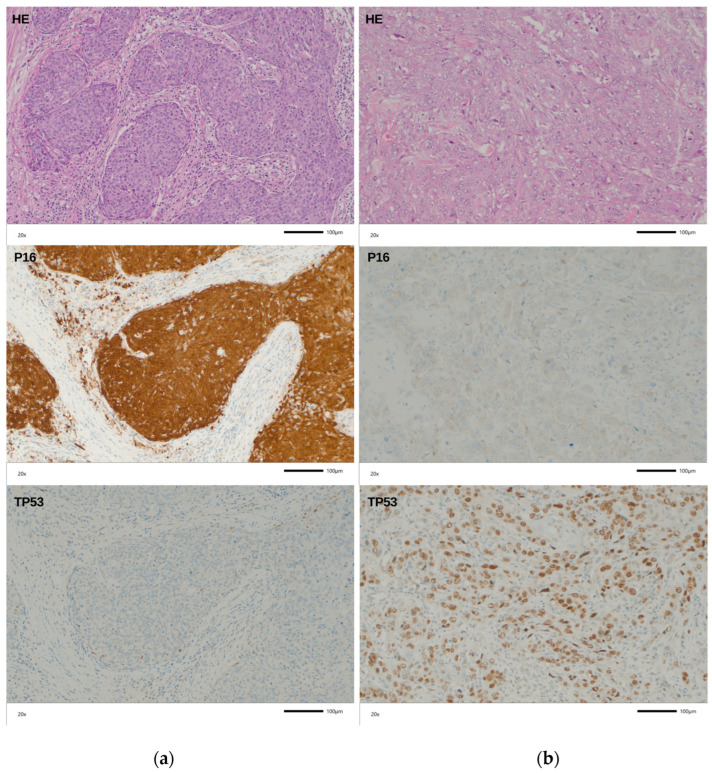 Figure 1
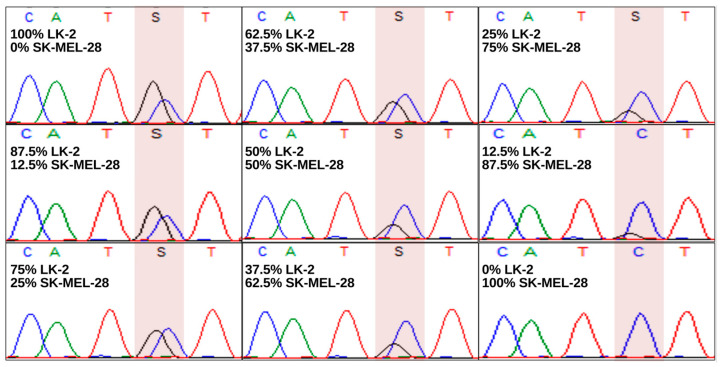 Figure 2
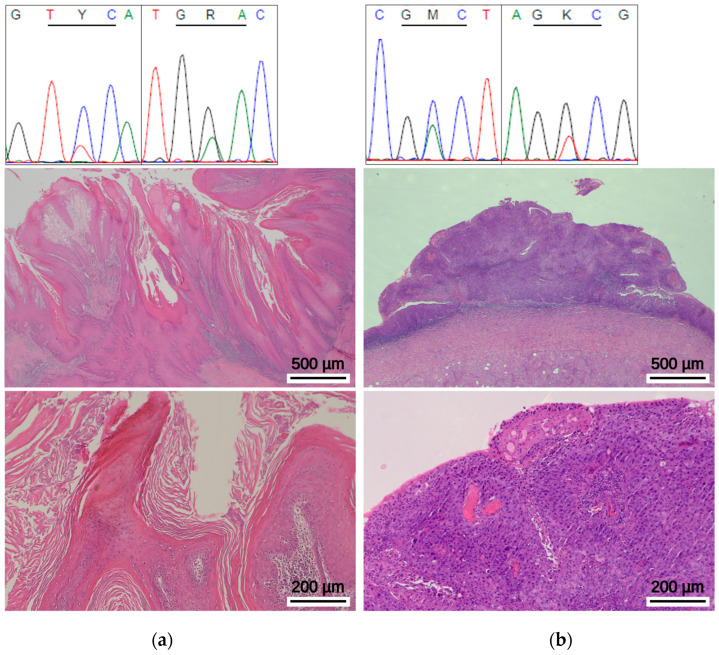 Figure 3
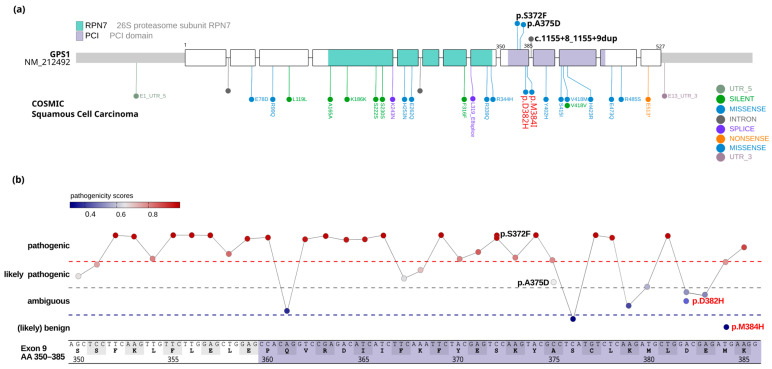 Figure 4
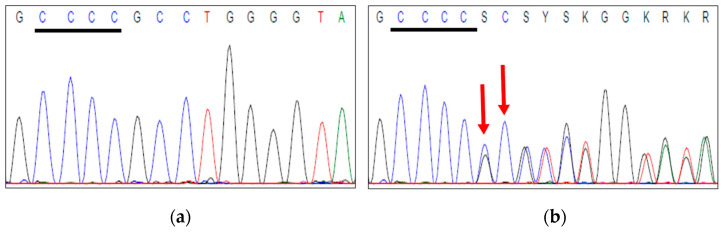 Figure 5
Peer Reviews
No public reviews on file for this paper yet. If you reviewed it on a platform where reviews are public (OpenReview, ICLR, NeurIPS, ICML), you can paste yours below so the community can read it here.
Videos
No videos yet. Explain this paper in a talk, walkthrough, or lecture? Add one.
Taxonomy
TopicsGenital Health and Disease · Cancer-related Molecular Pathways · Sexual function and dysfunction studies