COVID-19 Fog Symptoms Are Associated with Brain Metabolism and Platelet-to-Lymphocyte Ratio—A Cross-Sectional Analysis of the COVMENT Trial Baseline Data
Arkadiusz Lubas, Julia Bryłowska, Anna Grzywacz, Bartłomiej Włochacz, Agnieszka Giżewska, Mirosław Dziuk, Anna Klimkiewicz, Jakub Klimkiewicz

TL;DR
This study finds that brain fog after COVID-19 is linked to brain metabolism changes and a specific immune marker called platelet-to-lymphocyte ratio.
Contribution
The study identifies a novel association between platelet-to-lymphocyte ratio and both brain metabolism and cognitive performance in post-COVID-19 patients.
Findings
Lower MoCA abstraction scores correlate with reduced FDG uptake in brain regions like the inferior parietal lobules and precuneus.
Platelet-to-lymphocyte ratio (PLR) is significantly associated with both brain metabolism and cognitive performance in post-COVID-19 patients.
PLR values below 130.1 are linked to abnormal abstraction performance and greater neurometabolic impairment.
Abstract
Background: Post-COVID-19 cognitive impairment, commonly referred to as “brain fog,” represents a significant clinical problem, yet its underlying mechanisms remain incompletely understood. New research indicates that long-term cognitive consequences of SARS-CoV-2 infection may result from chronic immunological dysregulation and neurometabolic changes. Objective: We aimed to assess the associations between cognitive performance, cerebral glucose metabolism, and inflammatory markers in patients with COVID-19 brain fog symptoms. Methods: This study included 47 patients with post-COVID-19 cognitive complaints enrolled in the COVMENT trial. Cognitive performance was assessed using the Montreal Cognitive Assessment (MoCA). Brain glucose metabolism was evaluated with FDG PET-CT, and inflammatory markers, including C-reactive protein (CRP), monocyte-to-lymphocyte ratio,…
Genes, proteins, chemicals, diseases, species, mutations and cell lines named across the full text — each resolved to its canonical identifier and authoritative record.
Click any figure to enlarge with its caption.
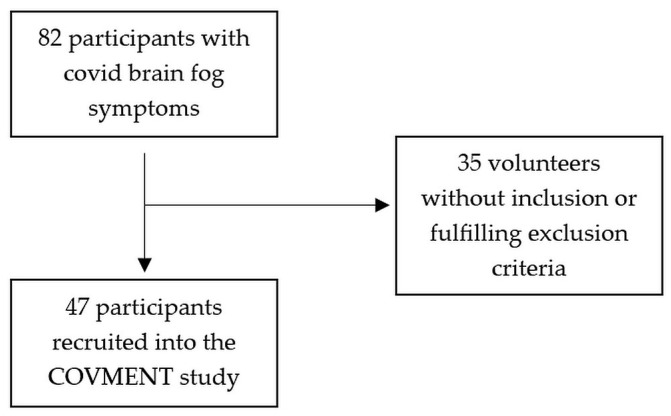 Figure 1
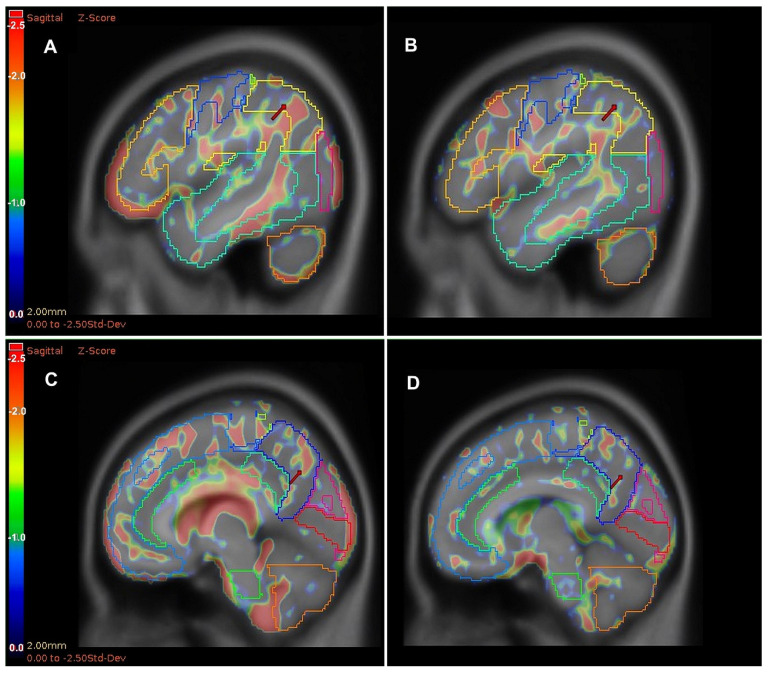 Figure 2
Peer Reviews
No public reviews on file for this paper yet. If you reviewed it on a platform where reviews are public (OpenReview, ICLR, NeurIPS, ICML), you can paste yours below so the community can read it here.
Videos
No videos yet. Explain this paper in a talk, walkthrough, or lecture? Add one.
Taxonomy
TopicsLong-Term Effects of COVID-19 · Neuroinflammation and Neurodegeneration Mechanisms · Cancer-related cognitive impairment studies