Pupillometry as a Novel Tool for Pain Monitoring: Evaluating the Antinociceptive Effect of Intravenous Lidocaine During Orotracheal Intubation
Małgorzata Braczkowska-Skibińska, Ewa Lepiarczyk, Lidia Glinka, Iwona Piotrowicz, Paweł Radkowski, Ewa Mayzner-Zawadzka, Marta Majewska

TL;DR
This study shows that intravenous lidocaine reduces pupillary dilation during intubation, suggesting it helps manage pain during anesthesia.
Contribution
The study introduces pupillometry as a novel, non-invasive method to monitor pain during orotracheal intubation.
Findings
Intravenous lidocaine significantly reduced pupillary reflex dilation compared to placebo during intubation.
Pupillometry showed a positive correlation with BIS values, indicating lighter anesthesia increases pupillary response.
PPI scores were not significantly affected by lidocaine, suggesting it does not influence this pain index.
Abstract
Background/Objectives: Pupillometry offers a non-invasive method for assessing nociceptive responses during anesthesia. This study aimed to evaluate the effects of intravenous lidocaine on pupillary reflex dilation (PDR) and the Pupillary Pain Index (PPI) during general anesthesia with orotracheal intubation. Methods: In this prospective, randomized, single-blind trial, 90 ASA I–II patients aged 18–65 years, scheduled for elective surgery under general anesthesia, were enrolled. Participants were randomized into three groups: control, study (lidocaine 1.5 mg/kg), and placebo. Standardized anesthesia induction was performed using propofol, fentanyl, and rocuronium. Pupil diameter was measured using the Algiscan pupillometer. PDR was assessed during intubation, while PPI was measured five minutes post-intubation through controlled electrical stimulation. Hemodynamic parameters and BIS…
Genes, proteins, chemicals, diseases, species, mutations and cell lines named across the full text — each resolved to its canonical identifier and authoritative record.
Click any figure to enlarge with its caption.
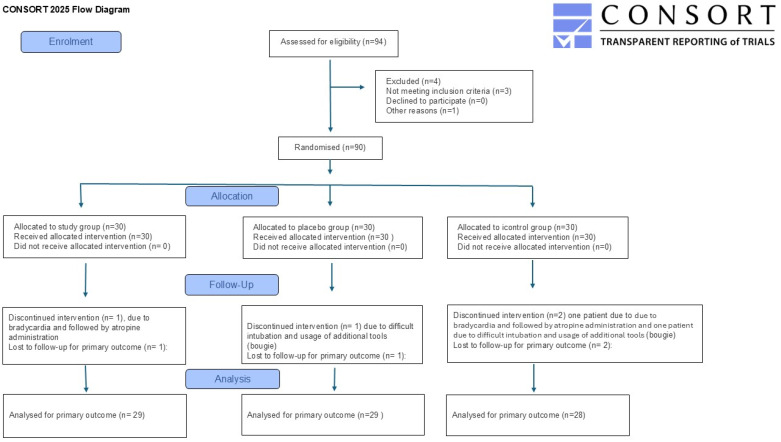 Figure 1
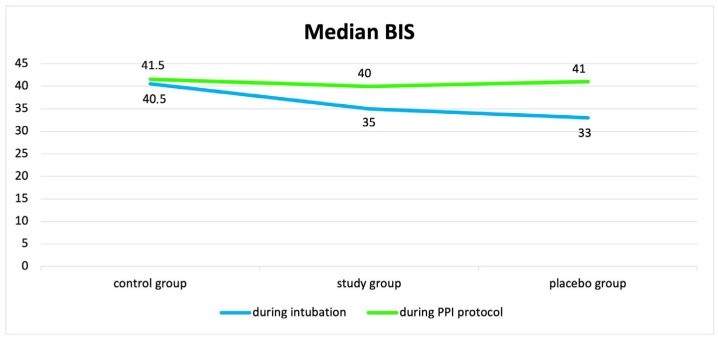 Figure 2
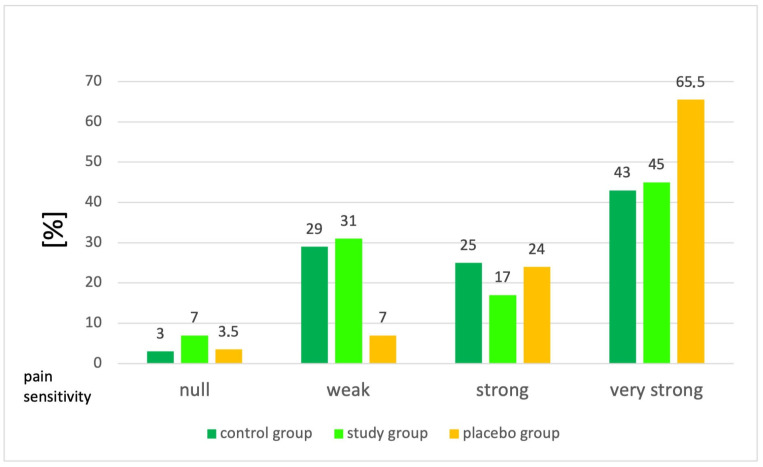 Figure 3
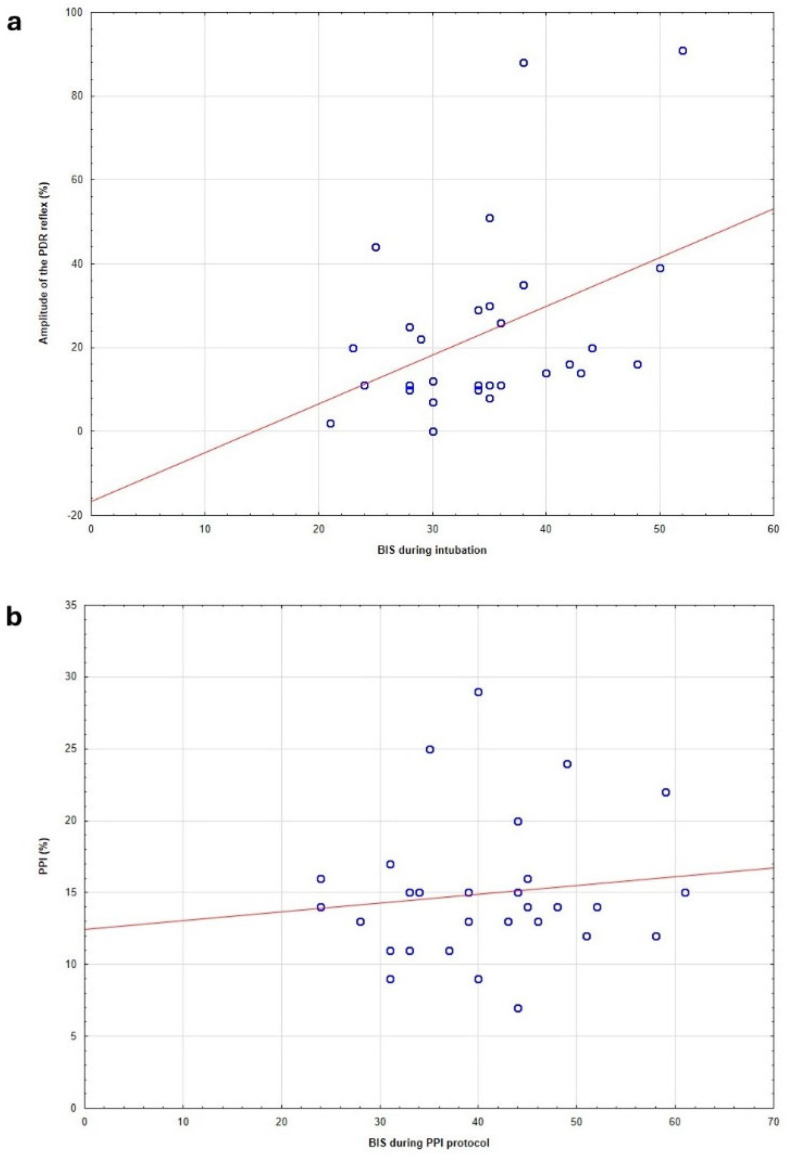 Figure 4
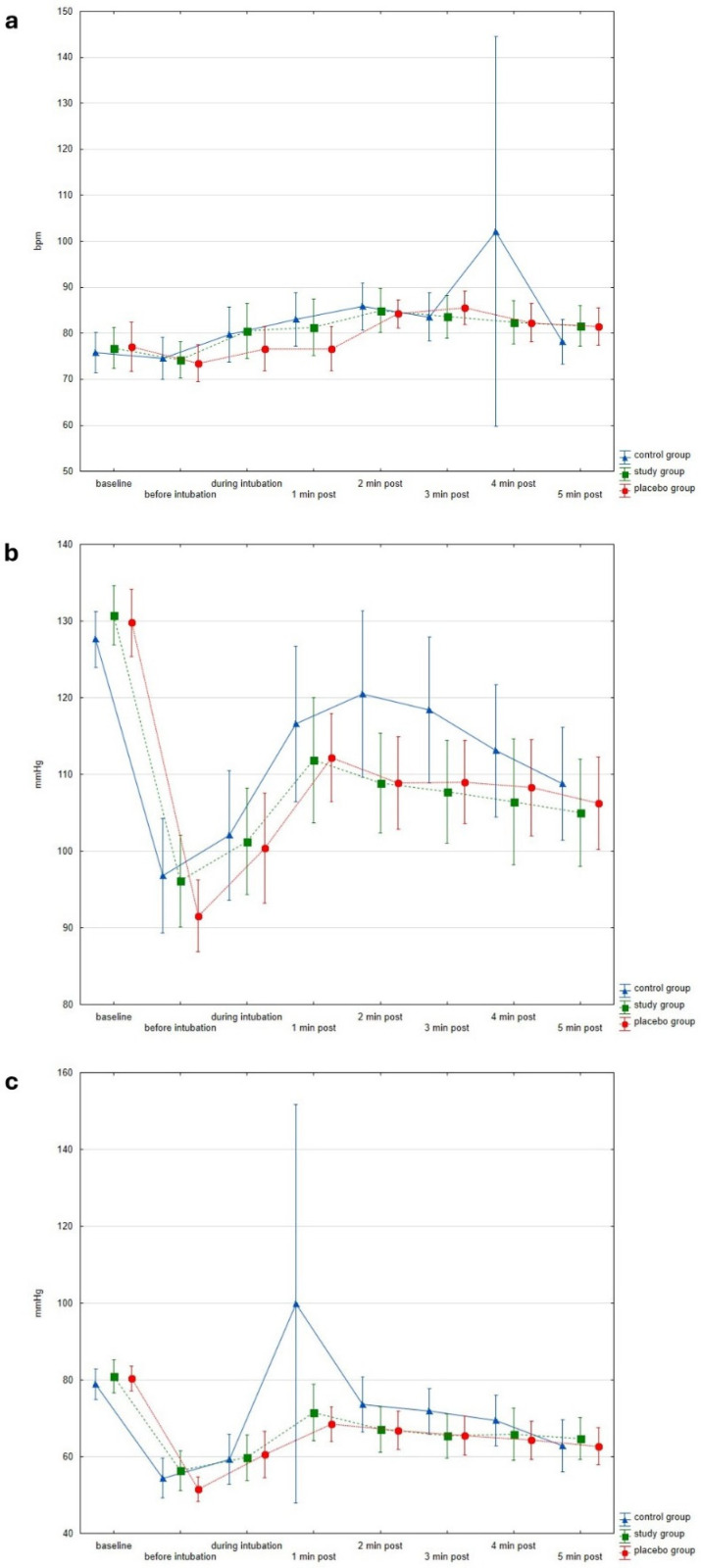 Figure 5
Peer Reviews
No public reviews on file for this paper yet. If you reviewed it on a platform where reviews are public (OpenReview, ICLR, NeurIPS, ICML), you can paste yours below so the community can read it here.
Videos
No videos yet. Explain this paper in a talk, walkthrough, or lecture? Add one.
Taxonomy
TopicsPediatric Pain Management Techniques · Anesthesia and Sedative Agents · Dental Anxiety and Anesthesia Techniques