Left Ventricular Non-Compaction Cardiomyopathy: The Tragedies & Trabeculations of the Architectural Cardiac Sponge
Noyan Ramazani, Brooke Ivey, Shudipan Chakraborty, Daniel Bishev, Michael DiCaro, Paul Duru, Ryan Shao, Aditi Singh

TL;DR
Left-ventricular non-compaction is a rare heart condition causing abnormal heart structure, leading to serious complications like heart failure and arrhythmias.
Contribution
The paper highlights the need for standardized diagnostic protocols and better understanding of LVNC's pathophysiology and genetics.
Findings
LVNC affects 0.014% to 1.3% of the population and is often diagnosed using imaging techniques like TTE.
LVNC can lead to heart failure, arrhythmias, and thromboembolic events, with a 3–4% lifetime prevalence of heart failure.
There are currently no strict guidelines for LVNC screening, emphasizing the need for advanced clinical research and standardized protocols.
Abstract
Left-ventricular non-compaction (LVNC) is a recently classified cardiomyopathy that involves abnormal trabeculations inside the left ventricle, most commonly located in the ventricular apex. There are 9 distinct types of non-compaction cardiomyopathy that can impact both the left and right ventricles with subtypes involving mostly pediatric patients with concurrent congenital heart disease (CHD), to individuals in late adult-staged ages. LVNC affects the population with an estimated range of incidence from 0.014% to 1.3% and the disease can be diagnosed with the utilization of imaging studies such as transthoracic echocardiography (TTE). LVNC can also impact and lead patients to develop heart failure with estimated prevalence that can reach to 3–4% during their lifetime. LVNC often leads to complications such as heart failure, arrhythmias, and thromboembolic events and without adequate…
Genes, proteins, chemicals, diseases, species, mutations and cell lines named across the full text — each resolved to its canonical identifier and authoritative record.
Click any figure to enlarge with its caption.
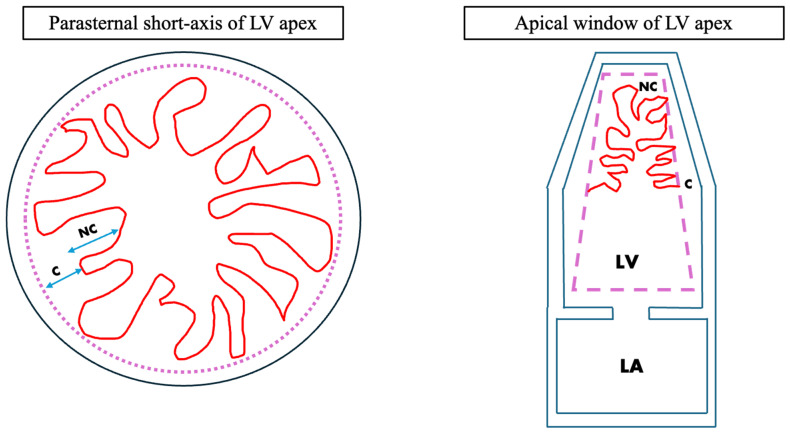 Figure 1
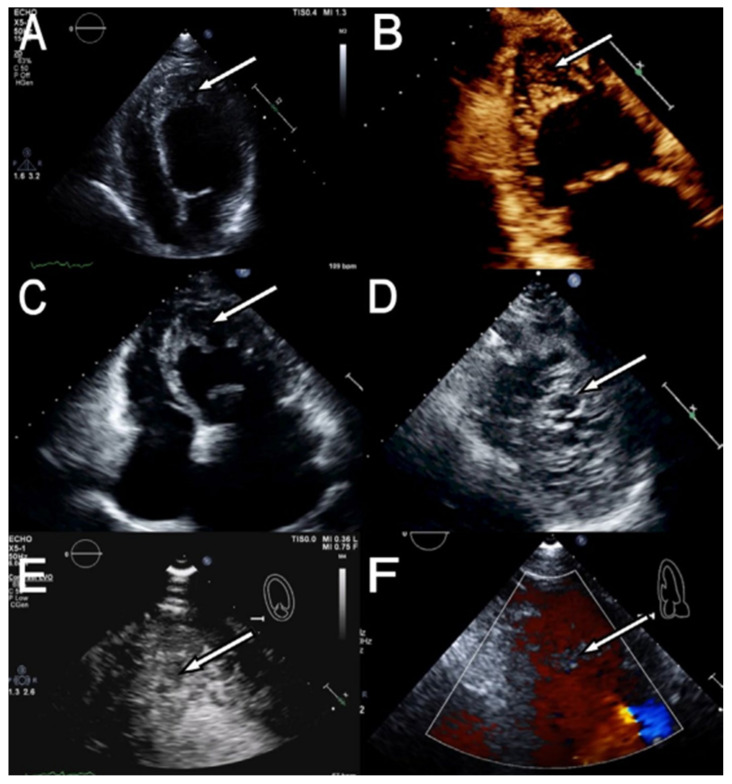 Figure 2
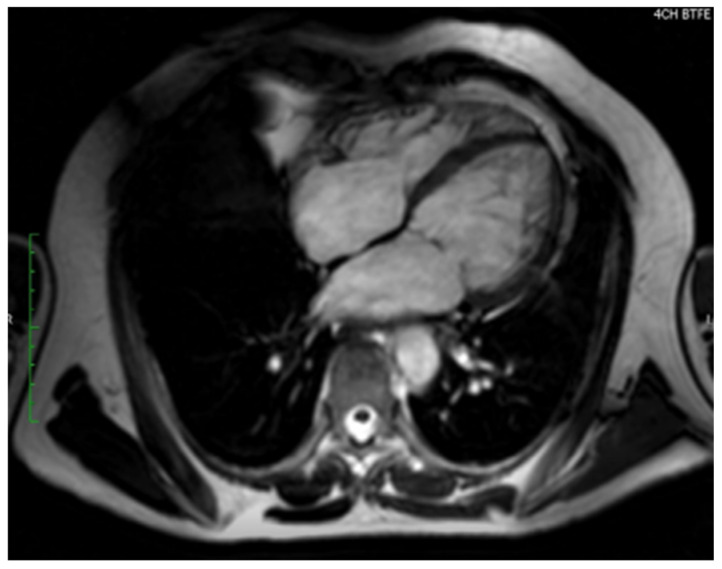 Figure 3
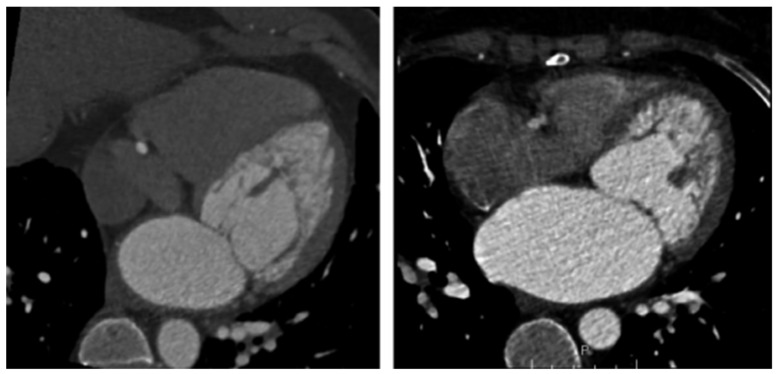 Figure 4
Peer Reviews
No public reviews on file for this paper yet. If you reviewed it on a platform where reviews are public (OpenReview, ICLR, NeurIPS, ICML), you can paste yours below so the community can read it here.
Videos
No videos yet. Explain this paper in a talk, walkthrough, or lecture? Add one.
Taxonomy
TopicsCardiomyopathy and Myosin Studies · Cardiovascular Function and Risk Factors · Cardiac Valve Diseases and Treatments