The Effect of Initial Microstructure and Hardenability on Diode Laser Surface Hardening of Medium-Carbon Steels
Lyubomir Lazov, Edmunds Teirumnieks, Gatis Muiznieks, Armands Leitans, Jiří Čapek, Karel Trojan, Prodan Prodanov, Emil Yankov, Normunds Teirumnieks, Ritvars Rēvalds, Imants Adijāns

TL;DR
This study shows how the initial steel condition and laser parameters affect surface hardening, with quenched and tempered 42CrMo4 offering deeper and more controllable hardening than C45.
Contribution
The paper introduces a sustainable and controllable surface hardening method combining conventional heat treatment and diode laser processing with air cooling.
Findings
Q&T 42CrMo4 showed 27% deeper hardening than normalized material under identical laser parameters.
Air cooling was as effective as oil quenching for Q&T 42CrMo4, enabling sustainable processing.
C45 had lower and less controllable hardening due to its low hardenability.
Abstract
This study systematically investigates the laser surface hardening (LSH) behavior of two medium carbon steels—the low alloy 42CrMo4 and the plain carbon C45—using a 4 kW high power diode laser (HPDL). The influence of laser parameters (power: 3.0–3.8 kW; scanning speed: 10–16 mm/s), post-laser quenching medium (oil vs. air), and, critically, the initial material condition (normalized “raw” vs. quenched and tempered “Q&T”) on the case hardening depth (CHD) was evaluated. Hardness profiles defined the CHD at a threshold of 392 HV1, and microstructural analysis was conducted via optical microscopy. The results demonstrate that prior conventional Q&T heat treatment of 42CrMo4 enhances the subsequent laser-hardened depth by approximately 27% compared to laser treatment of the normalized material under identical parameters, providing a quantitative basis for process optimization. For Q&T…
Genes, proteins, chemicals, diseases, species, mutations and cell lines named across the full text — each resolved to its canonical identifier and authoritative record.
Click any figure to enlarge with its caption.
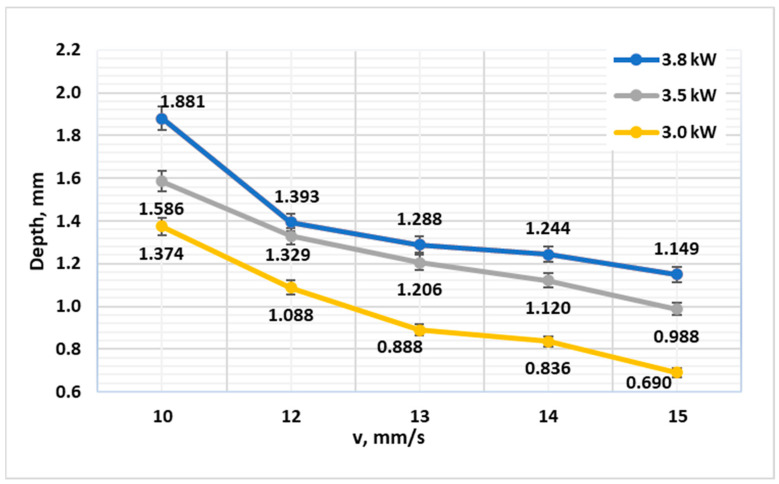 Figure 1
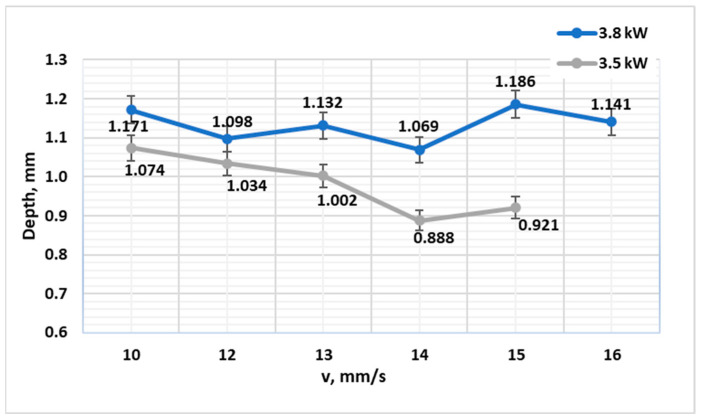 Figure 2
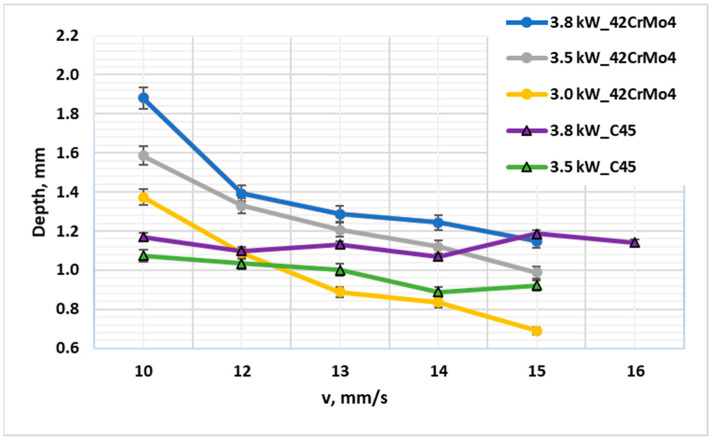 Figure 3
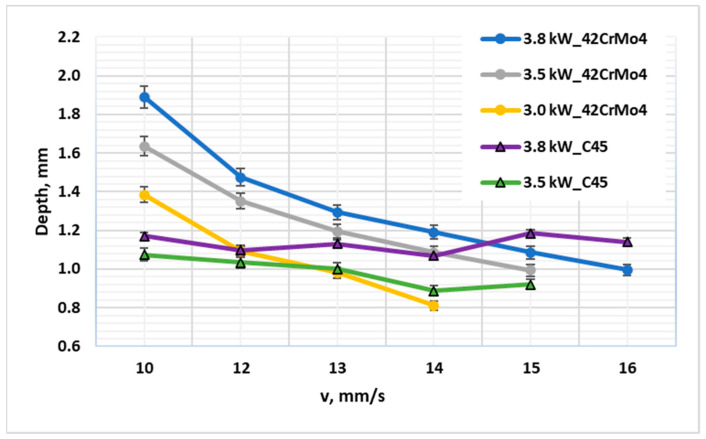 Figure 4
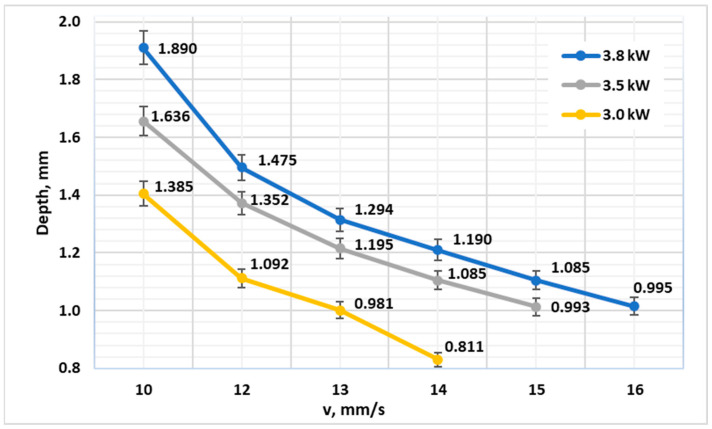 Figure 5
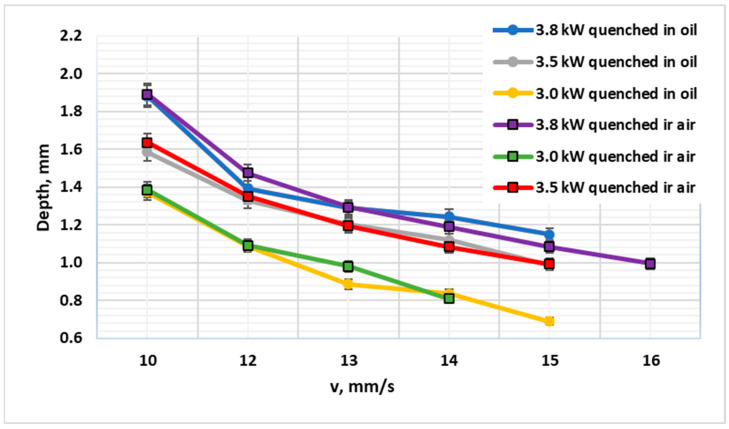 Figure 6
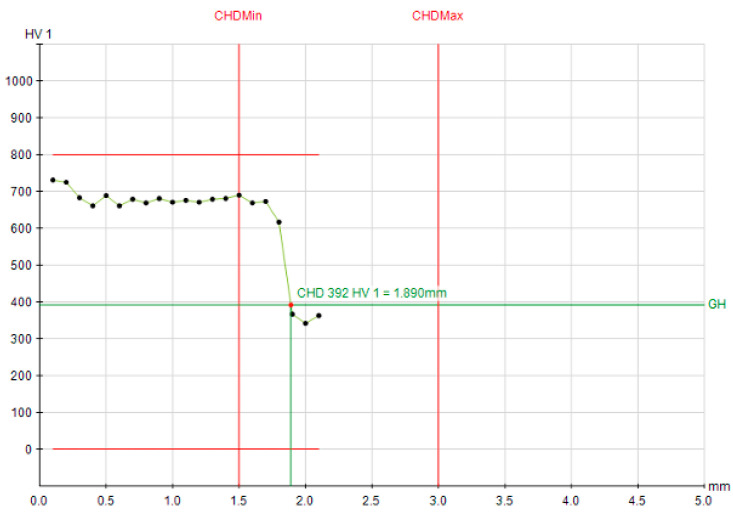 Figure 7
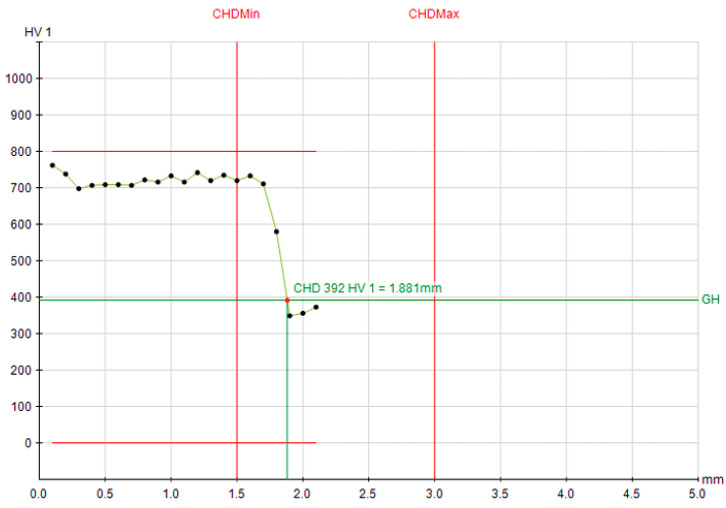 Figure 8
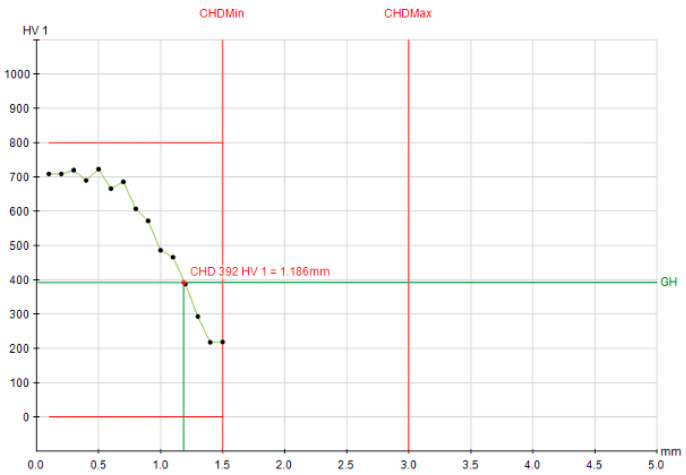 Figure 9
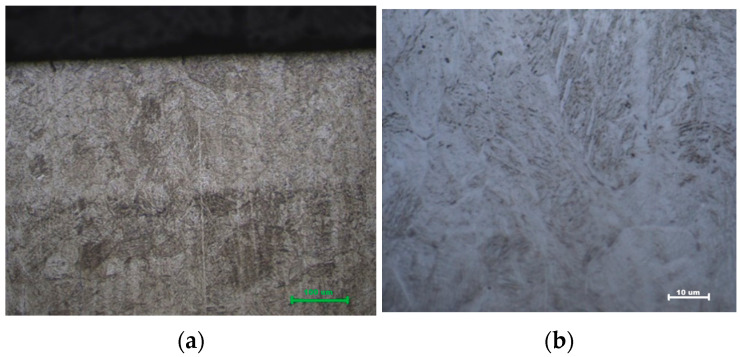 Figure 10
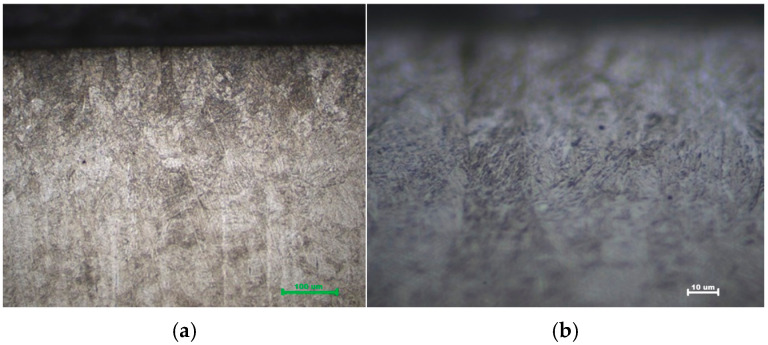 Figure 11
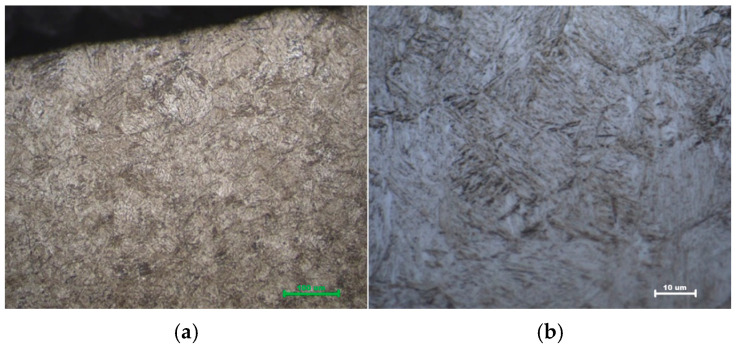 Figure 12
Peer Reviews
No public reviews on file for this paper yet. If you reviewed it on a platform where reviews are public (OpenReview, ICLR, NeurIPS, ICML), you can paste yours below so the community can read it here.
Videos
No videos yet. Explain this paper in a talk, walkthrough, or lecture? Add one.
Taxonomy
TopicsHigh Entropy Alloys Studies · Laser and Thermal Forming Techniques · Laser Material Processing Techniques