Integrated Molecular and Functional Characterization of Cervical Small-Cell Neuroendocrine Carcinoma Using a 3D Organoid Model
Hasibul Islam Sohel, Umme Farzana Zahan, Masako Ishikawa, Kosuke Kanno, Hitomi Yamashita, Kentaro Nakayama, Satoru Kyo

TL;DR
Researchers created 3D organoid and xenograft models of cervical small-cell neuroendocrine carcinoma to study its molecular and functional traits, offering new tools for developing targeted therapies.
Contribution
This is the first integrated molecular and functional analysis of cervical SCNEC using matched organoid and xenograft models.
Findings
Organoids and xenografts preserved key SCNEC features like neuroendocrine differentiation and HPV18 status.
Shared somatic mutations and copy-number alterations were identified across models, including a PIK3CA hotspot mutation.
Functional assays showed sensitivity to chemotherapeutic agents and mTOR inhibitors in the models.
Abstract
Cervical small-cell neuroendocrine carcinoma (SCNEC) is a rare cervical cancer with high metastatic potential and is frequently associated with high-risk human papillomavirus (HPV) infection. Because of its low incidence, SCNEC remains understudied and treatment options are limited, posing major therapeutic challenges. This study aimed to characterize SCNEC at the molecular and functional levels to support more informed therapeutic strategies. Organoids and spheroids were generated from a cervical SCNEC biopsy, and a matched organoid-derived xenograft was established in immunodeficient mice. Model fidelity was evaluated by histopathology and immunohistochemistry. HPV status was assessed by p16 immunostaining and HPV18 PCR, and viral–host integration sites were inferred using whole-exome sequencing (WES) junction reads. WES was also used to compare shared somatic variants and copy-number…
Genes, proteins, chemicals, diseases, species, mutations and cell lines named across the full text — each resolved to its canonical identifier and authoritative record.
Click any figure to enlarge with its caption.
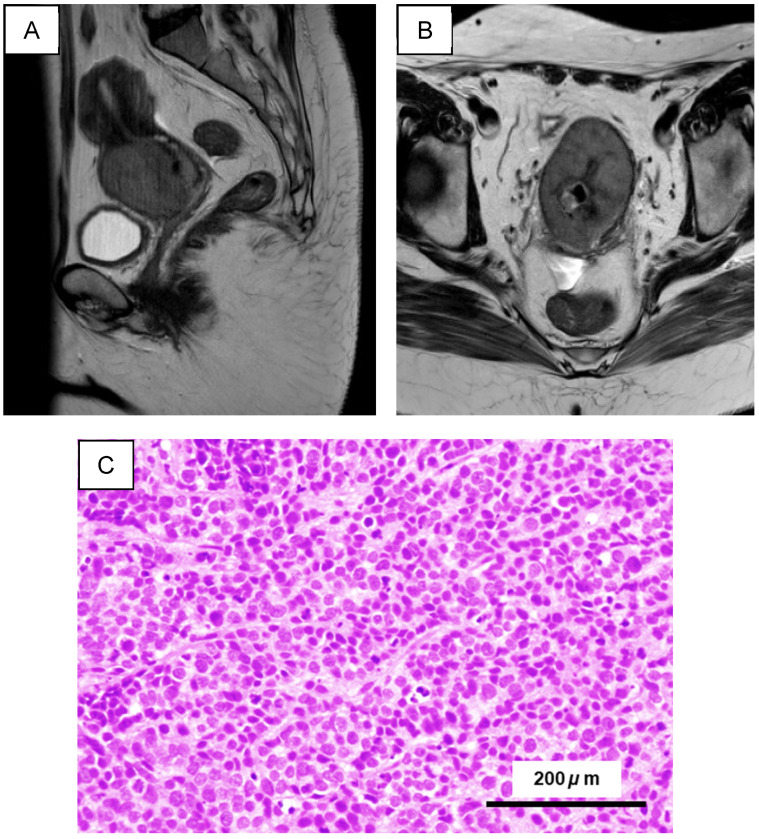 Figure 1
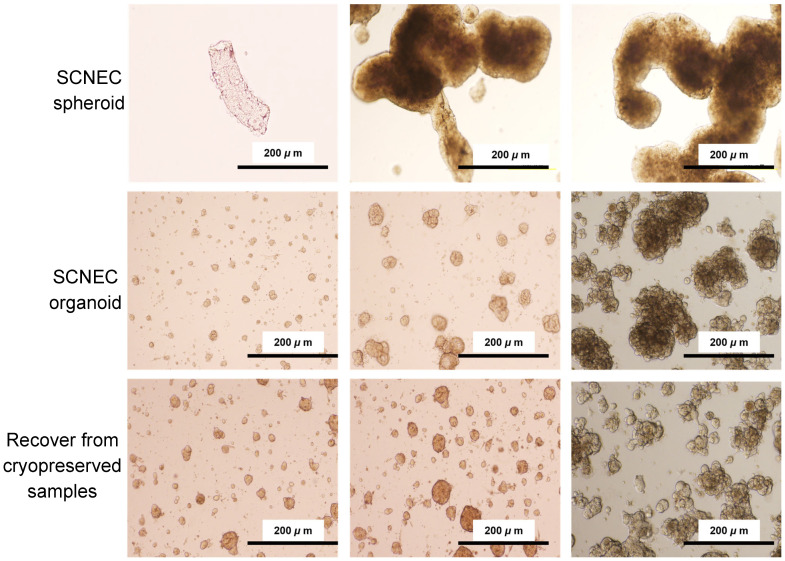 Figure 2
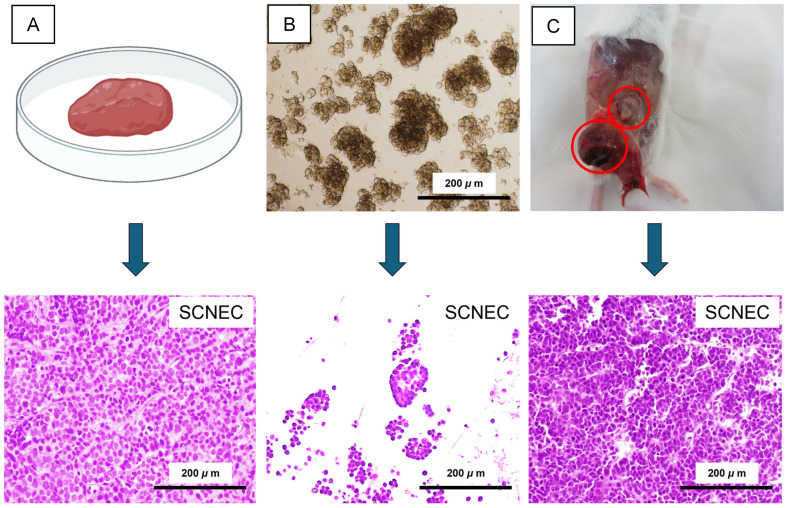 Figure 3
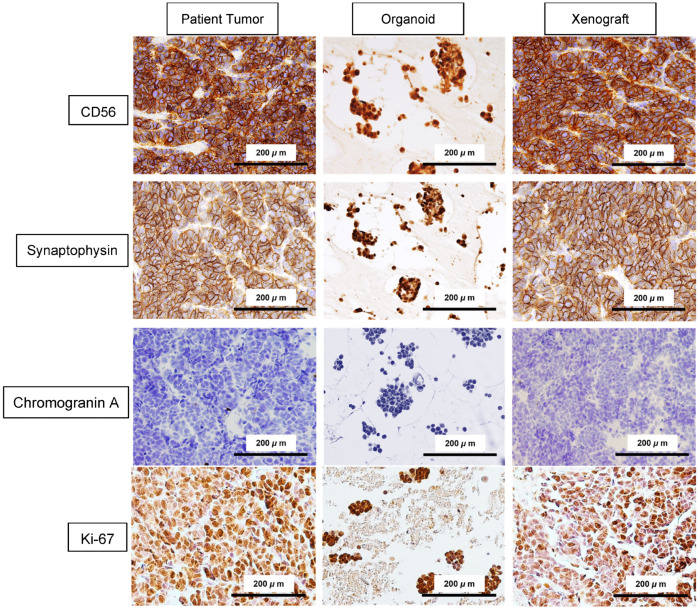 Figure 4
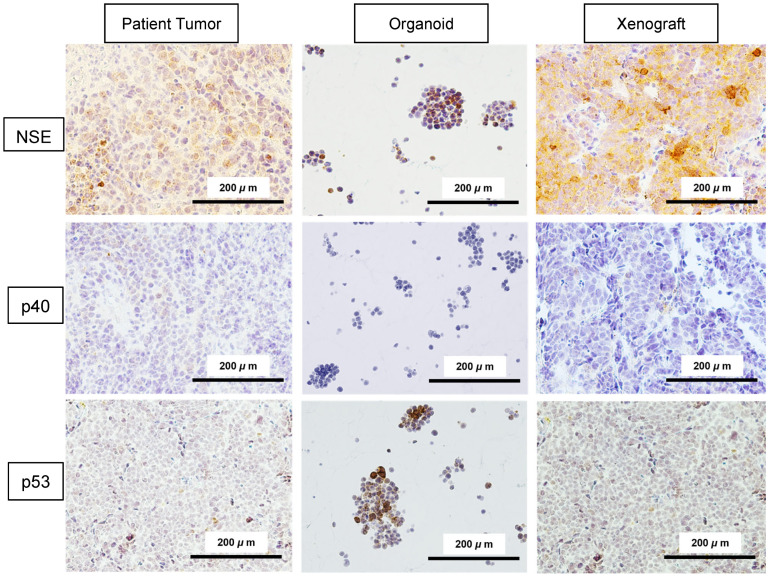 Figure 5
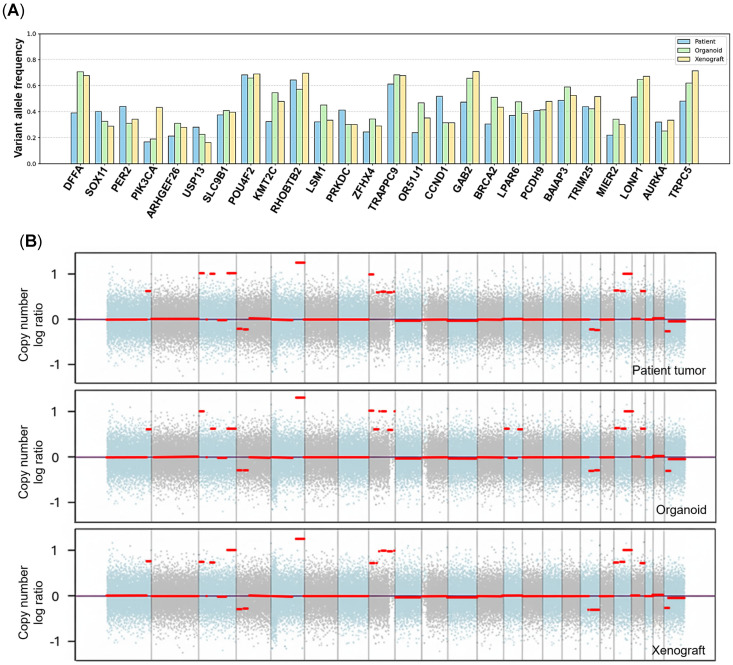 Figure 6
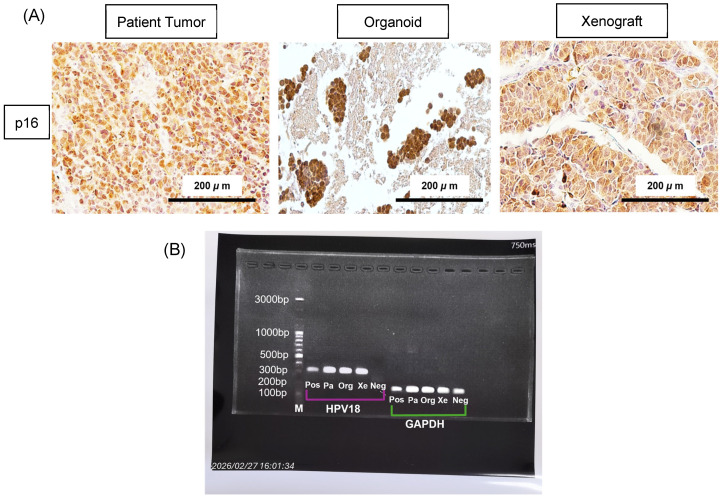 Figure 7
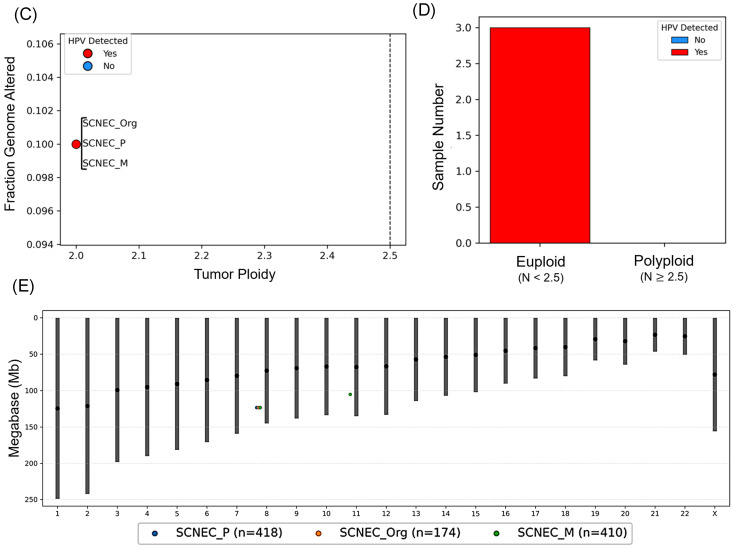 Figure 8
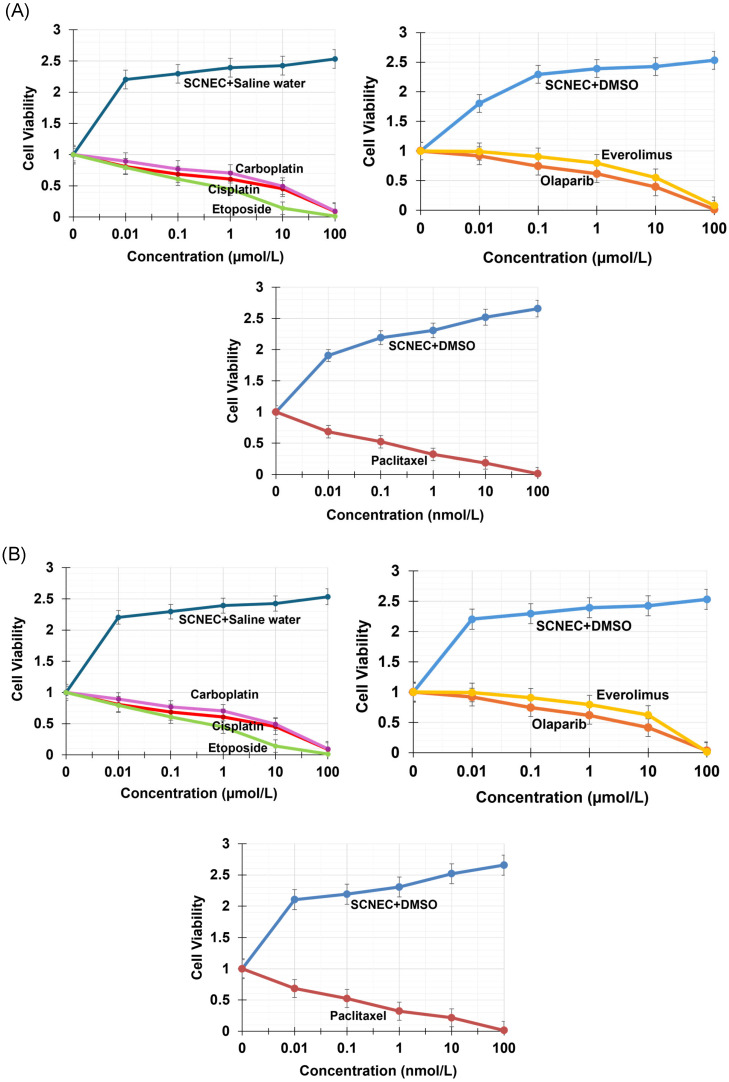 Figure 9
Peer Reviews
No public reviews on file for this paper yet. If you reviewed it on a platform where reviews are public (OpenReview, ICLR, NeurIPS, ICML), you can paste yours below so the community can read it here.
Videos
No videos yet. Explain this paper in a talk, walkthrough, or lecture? Add one.
Taxonomy
TopicsNeuroendocrine Tumor Research Advances · Lung Cancer Research Studies · Neuroblastoma Research and Treatments