A Unique Patient Stratification Method Combined with a Machine Learning Approach Identifies Novel Genetic Susceptibility and Protective Factors for Severe COVID-19 in a Hungarian Population
Alexandra Neller, Mátyás Bukva, Bence Gálik, József Kun, Nikoletta Nagy, Ferenc Somogyvári, Valéria Endrész, Margit Pál, Barbara Anna Bokor, Zsófia Blazovich, Ádám Visnyovszky, Balázs Bende, Péter Urbán, Szilvia Kovácsné Levang, Zoltán Péterfi, Gábor L. Kovács, Katalin Gombos

TL;DR
This study uses a new patient classification method and machine learning to find genetic factors linked to severe COVID-19 in a Hungarian population.
Contribution
A novel patient stratification method combined with machine learning to identify new genetic susceptibility and protective factors for severe COVID-19.
Findings
Identified 877 genes with variants distinguishing severe from non-severe COVID-19 cases.
Categorized genes into susceptibility and protective factors for severe disease outcomes.
Gene-set enrichment analysis revealed key biological pathways involved in disease severity.
Abstract
Intensive research has shown that severe COVID-19 outcomes are influenced by antiviral pathways and immune responses, both shaped by genetic predisposition. In this study, we aimed to identify genetic variants associated with disease severity in a cohort of Hungarian patients. We applied a novel stratification method based on age, disease severity, and clinical background to classify patients by susceptibility to severe COVID-19. Whole-exome sequencing (WES) was performed on 168 individuals, and gene mutation loads were assessed. Using a Random Forest machine learning approach, we identified variants of 877 genes that distinguished between severe and non-severe cases. We further categorized these genes as either susceptibility or protective factors. Gene-set enrichment analysis highlighted the most affected biological pathways. Our findings support the development of personalized…
Genes, proteins, chemicals, diseases, species, mutations and cell lines named across the full text — each resolved to its canonical identifier and authoritative record.
Click any figure to enlarge with its caption.
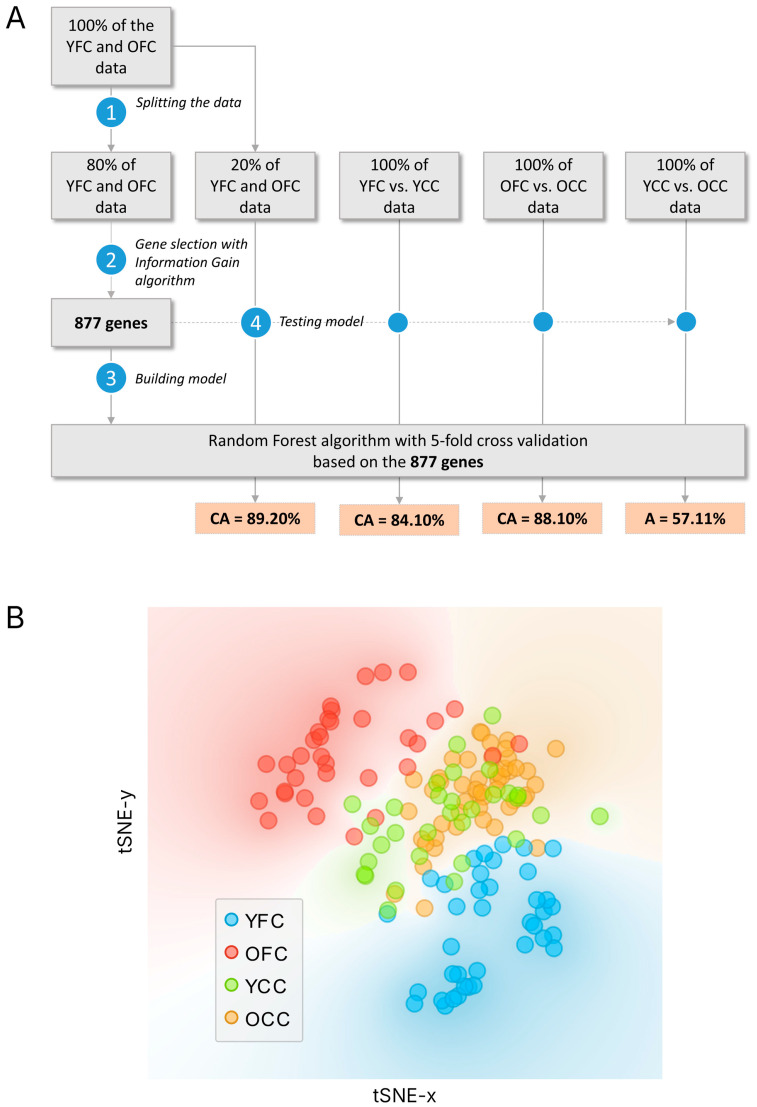 Figure 1
 Figure 2
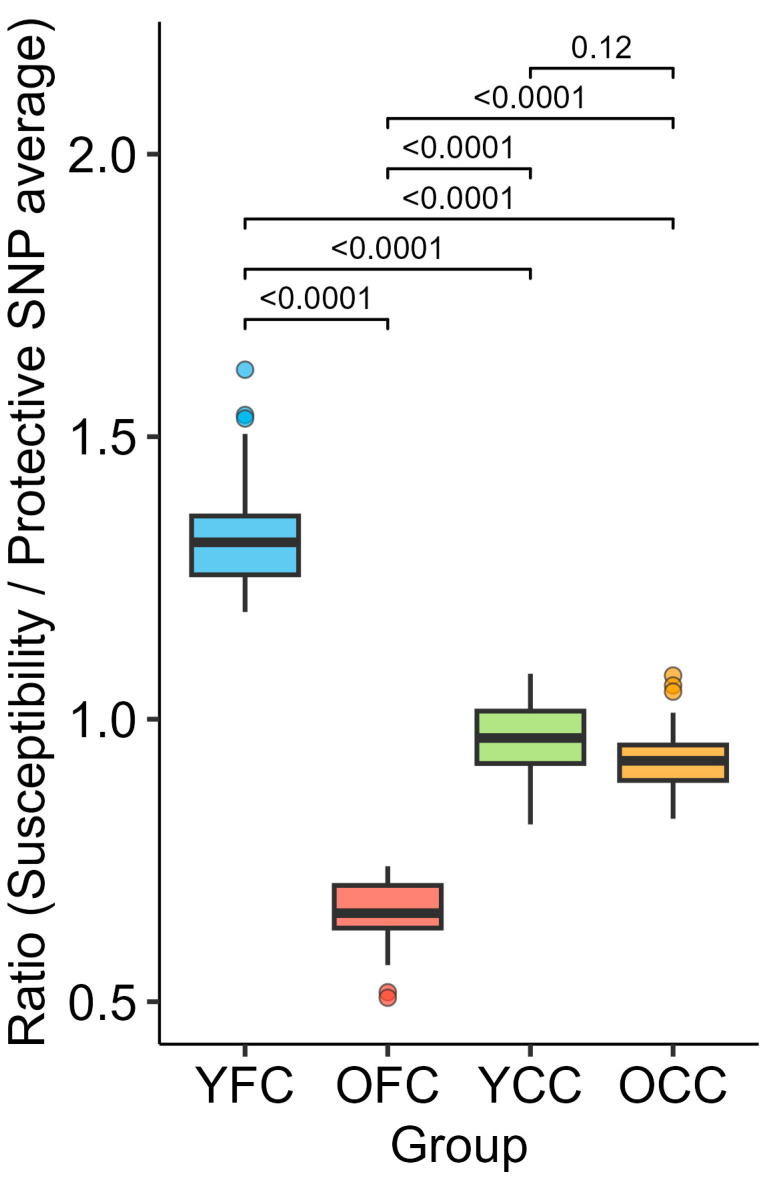 Figure 3
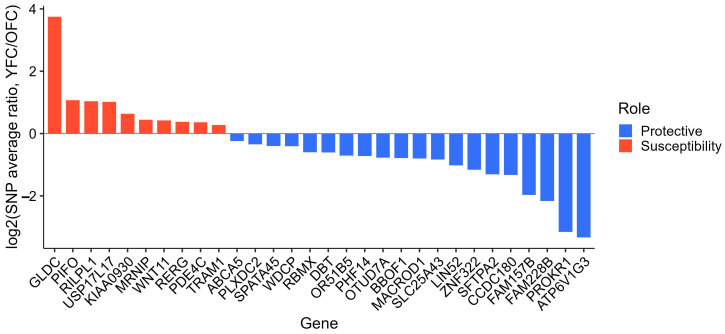 Figure 4
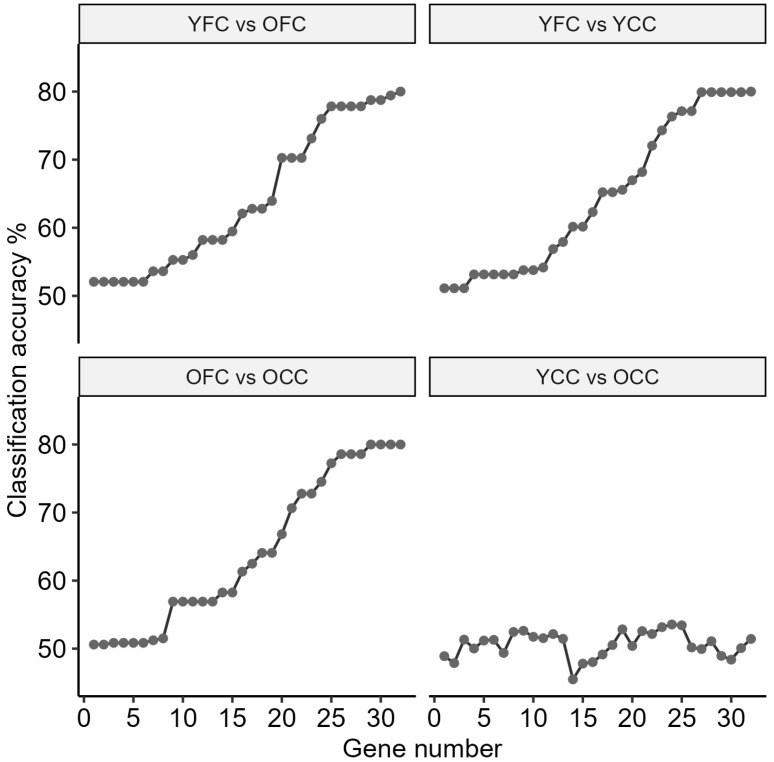 Figure 5
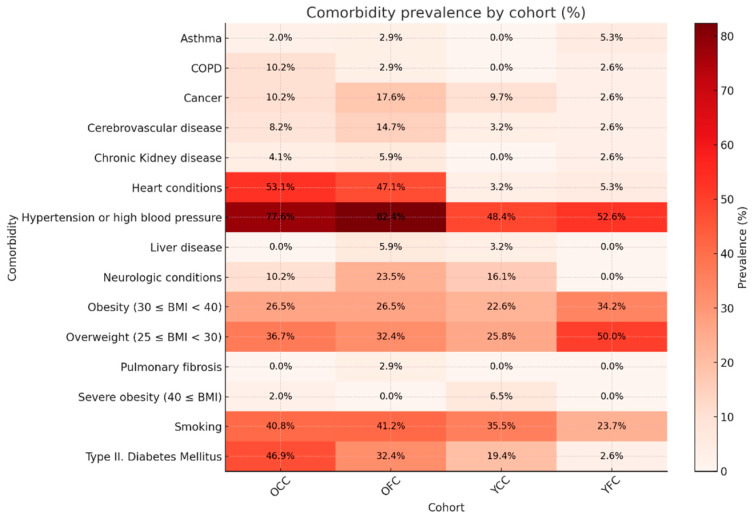 Figure 6
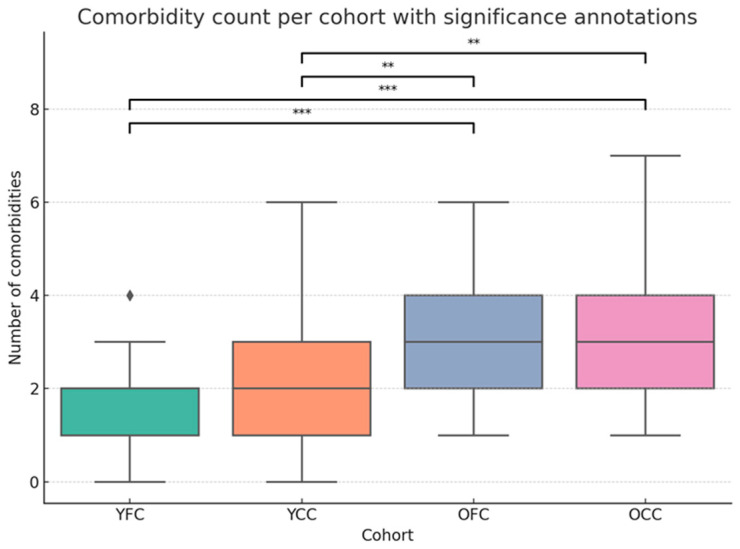 Figure 7
Peer Reviews
No public reviews on file for this paper yet. If you reviewed it on a platform where reviews are public (OpenReview, ICLR, NeurIPS, ICML), you can paste yours below so the community can read it here.
Videos
No videos yet. Explain this paper in a talk, walkthrough, or lecture? Add one.
Taxonomy
TopicsCOVID-19 Clinical Research Studies · interferon and immune responses · Genetic Associations and Epidemiology