Single-Electron Transistor Based on Quantum Dots in Twisted Graphene/Hexagonal Boron Nitride Bilayer Heterostructure
Xinyu Wang, Liang Deng, Fuhao Wang, Shengqiang Ding, Fuan Wang, Jiarui Chen, Haolin Lu, Guankui Long, Zhongkai Huang

TL;DR
This paper explores how twisted graphene and hexagonal boron nitride can be used to create efficient single-electron transistors with tunable properties.
Contribution
The study introduces a design principle for single-electron transistors using twisted 2D heterostructures with controllable size, stacking, and twist angle.
Findings
Quantum dot size and stacking configuration most strongly influence charge stability and transport.
Twist angle allows precise control of charge states in single-electron transistors.
AA-stacked devices show twist-angle-dependent conductance peak shifts due to atomic registry.
Abstract
Twisted graphene/hexagonal boron nitride (TG/hBN) bilayers, with their tunable moiré potential and atomically clean interfaces, offer an ideal platform for high-performance single-electron transistors (SET). Combining quantum transport simulations with first-principles calculations, we systematically investigate how stackings (AA, AB, BA), twist angles, quantum dot sizes, and gate-island coupling jointly modulate SET performance. Our central finding reveals a clear hierarchy: quantum dot size and stacking configuration dominate charge stability and transport, while twist angle introduces precise control of charge state. All stackings exhibit sharp, symmetric Coulomb blockade peaks, confirming stable single-electron tunneling, and gate coupling remains highly linear across parameters. Strikingly, only AA-stacked devices show a systematic twist-angle-dependent shift in conductance peaks,…
Genes, proteins, chemicals, diseases, species, mutations and cell lines named across the full text — each resolved to its canonical identifier and authoritative record.
Click any figure to enlarge with its caption.
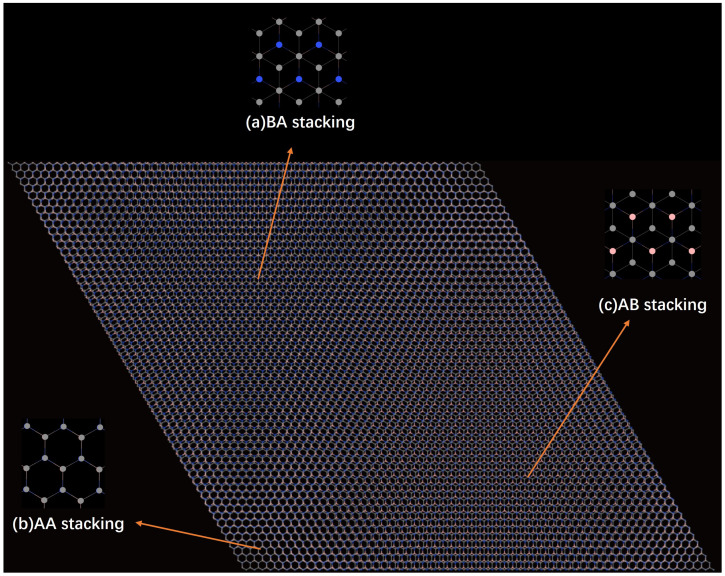 Figure 1
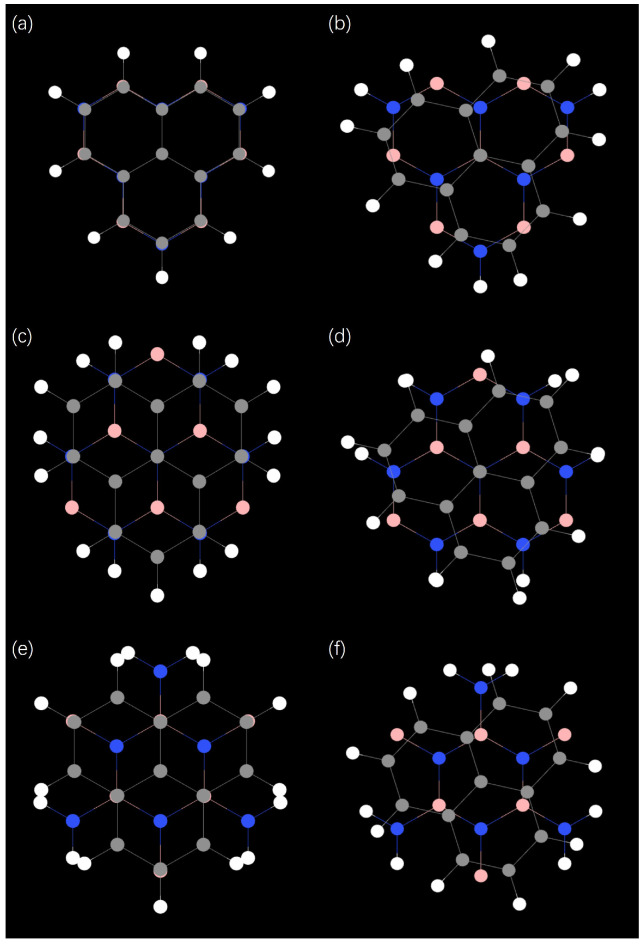 Figure 2
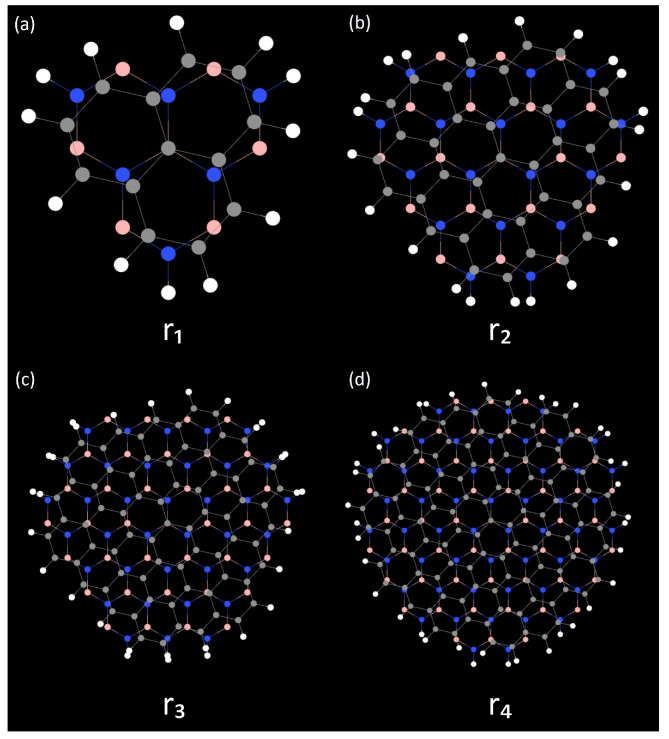 Figure 3
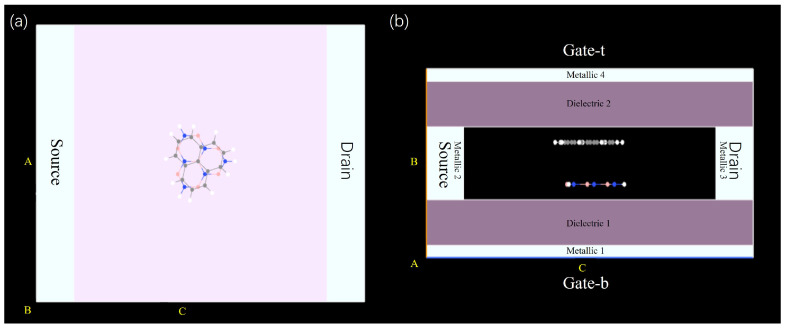 Figure 4
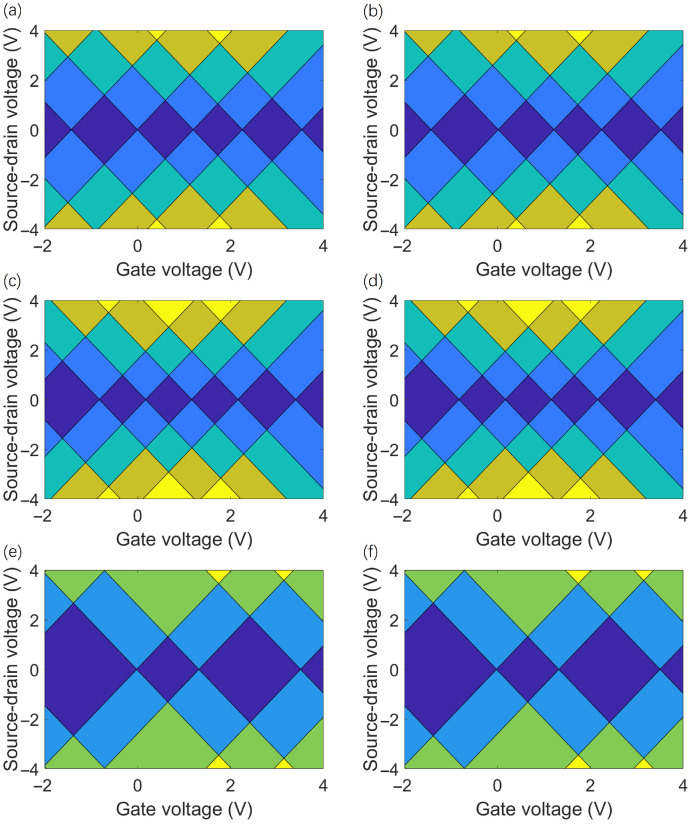 Figure 5
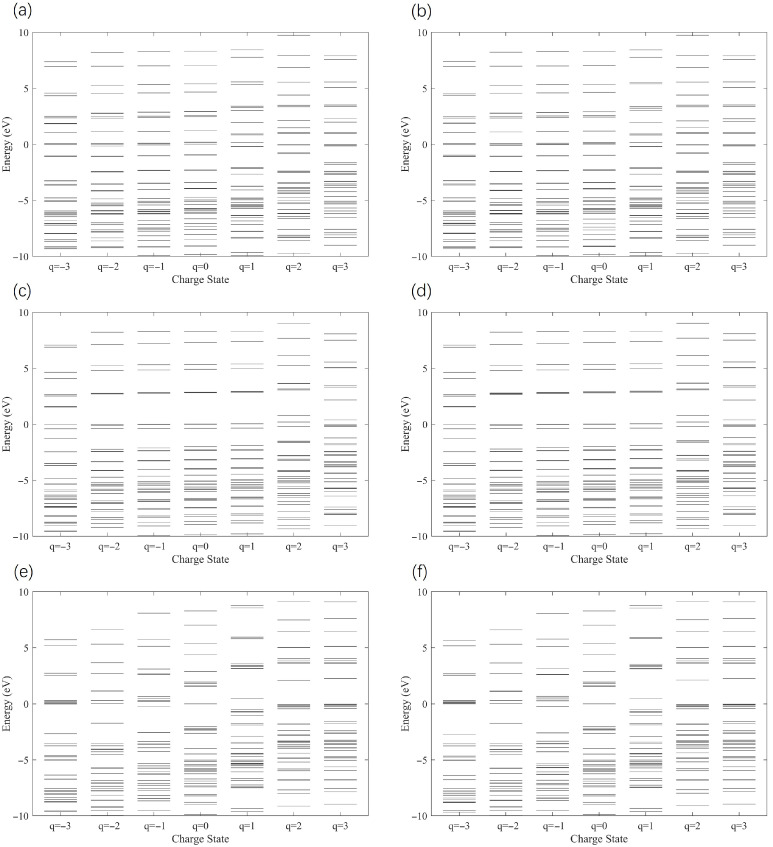 Figure 6
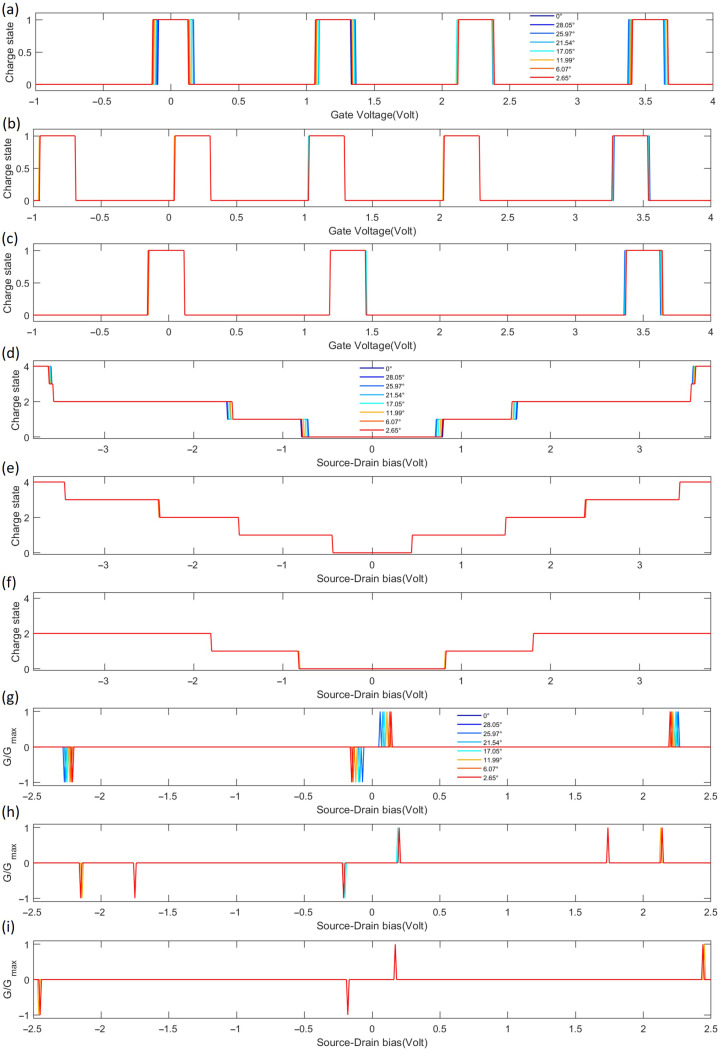 Figure 7
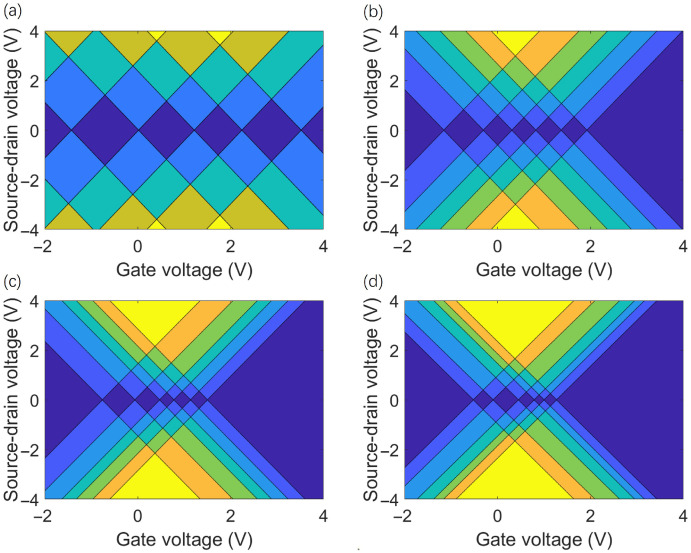 Figure 8
Peer Reviews
No public reviews on file for this paper yet. If you reviewed it on a platform where reviews are public (OpenReview, ICLR, NeurIPS, ICML), you can paste yours below so the community can read it here.
Videos
No videos yet. Explain this paper in a talk, walkthrough, or lecture? Add one.
Taxonomy
TopicsQuantum and electron transport phenomena · Graphene research and applications · Molecular Junctions and Nanostructures